Показаны сообщения с ярлыком history. Показать все сообщения

воскресенье, 31 мая 2020 г.

Brutalist Silence: Creative Hub in Berlin by Annabell Kutucu.

Brutalist Silence: Creative Hub in Berlin by Annabell Kutucu | Yellowtrace

Brutalist Silence: Creative Hub in Berlin by Annabell Kutucu | Yellowtrace

Brutalist Silence: Creative Hub in Berlin by Annabell Kutucu | Yellowtrace

Brutalist Silence: Creative Hub in Berlin by Annabell Kutucu | Yellowtrace


Interior designer and stylist Annabell Kutucu has unveiled a brutalist creative hub in Berlin’s new community space Marina Marina. The project is intended as a home for talented and intelligent entrepreneurs, and a place for thought leaders, rule breakers and innovators to gather.

Marina Marina repositions 1950s architecture on the waterfront, within which Kutucu’s hub blends reductionist, brutalist design with wabi-sabi inspired aesthetic, referring to the Japanese art of seeing beauty in imperfection.


Brutalist Silence: Creative Hub in Berlin by Annabell Kutucu | Yellowtrace

Brutalist Silence: Creative Hub in Berlin by Annabell Kutucu | Yellowtrace

Brutalist Silence: Creative Hub in Berlin by Annabell Kutucu | Yellowtrace

Brutalist Silence: Creative Hub in Berlin by Annabell Kutucu | Yellowtrace

Brutalist Silence: Creative Hub in Berlin by Annabell Kutucu | Yellowtrace


Known for incorporating vintage pieces to create an inspiring environment, Kutucu styles carefully sourced antiques throughout, balancing the roughness of the architecture and creating an inspired environment.

Custom elements designed by Kutucu include recessed dark timber shelving, dark kitchen cabinetry and timber sliding doors, bringing warmth and texture to the dominant concrete surrounds. Leather furniture and rough hewn textiles further soften the overall design. 

четверг, 5 марта 2020 г.

Commemorating the Fallen: The Commonwealth War Graves Commission

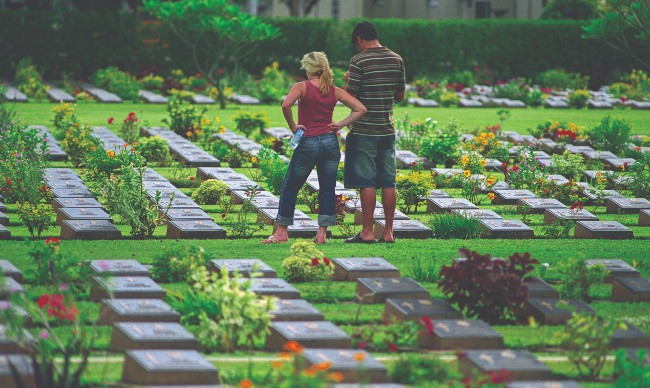
The Commonwealth War Graves Commission has been toiling tirelessly in the shadows since the First World War. At long last, its incredible restoration work is being thrust into the spotlight at a new visitor centre. Jon Palmer heads to Beaurains to meet the unsung heroes on a mission to honour the memory of 1.7 million casualties of war

Shortly before the Commonwealth War Graves Commission was due to open its new visitor centre at its workshop outside Arras, they found another body. Work had been going on, as it does, fixing the perimeter fence at one of the many graveyards in the region, when the workers inadvertently unearthed the body of another fallen soldier, just outside the cemetery boundary. On this occasion, the CWGC was presented with a fairly straightforward task: the body had to be identified and then simply moved inside the fence; job done.

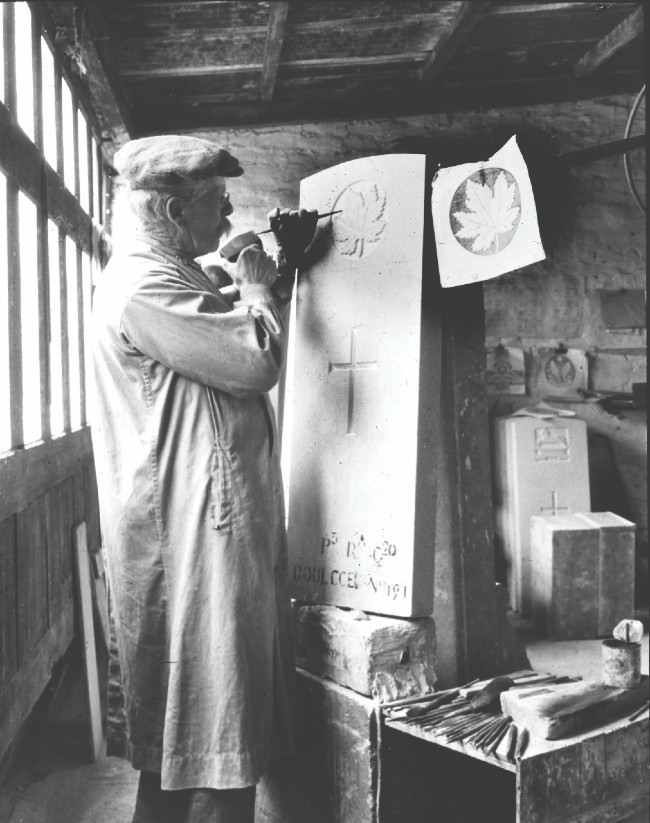
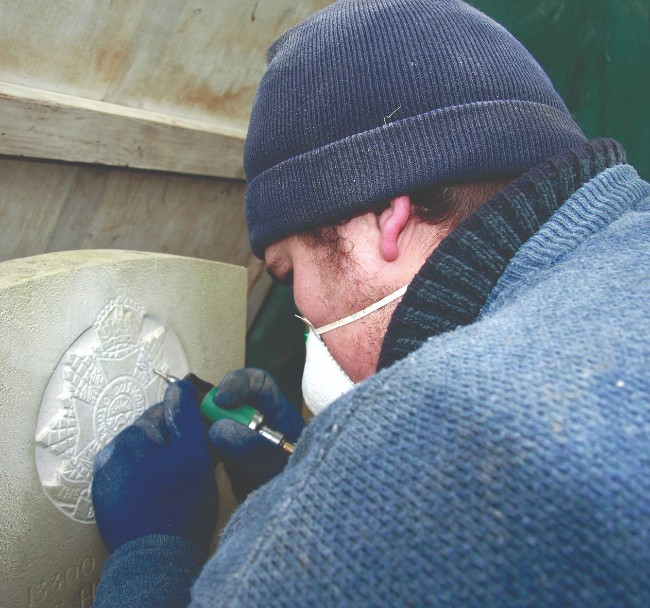
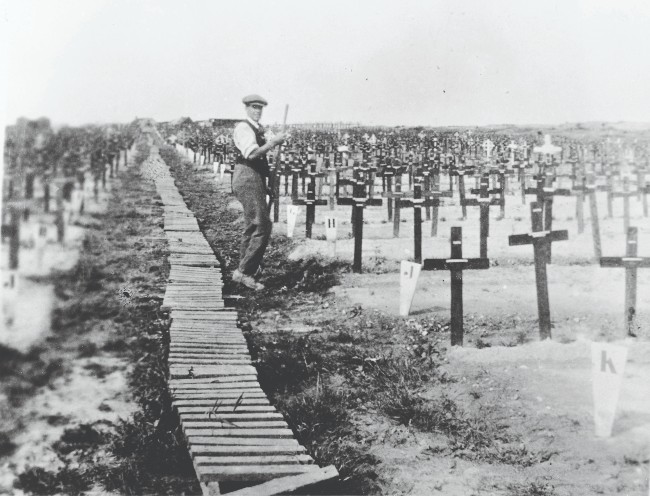
An engraver chisels a maple leaf into the grave of a Canadian soldier in 1920. © CWGC

Imagine if you’d been working on that detail. It’s the sort of thing you’d talk about for years – “I was fixing this fence and I dug up a body” – but actually it’s pretty routine around here. In fact, not long before that happened, some council workers were digging up a road… and they found two bodies. At that point the CWGC had to be called and the council workers had to find something else to do until the organisation’s trained exhumation officers had come in, recorded and reported any evidence that might lead to an identification, safely removed the remains (which probably wouldn’t have been in very good condition) and the scene had been cleared.

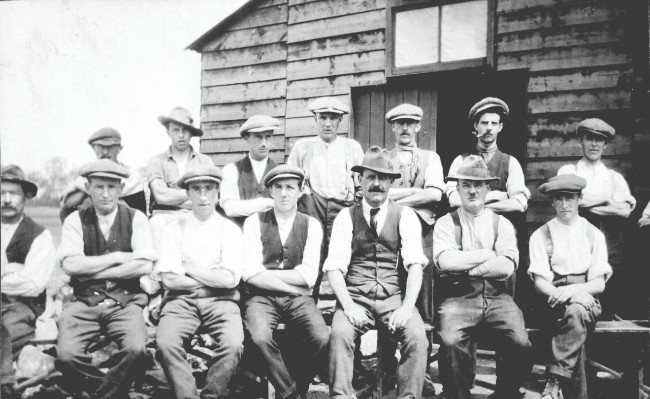
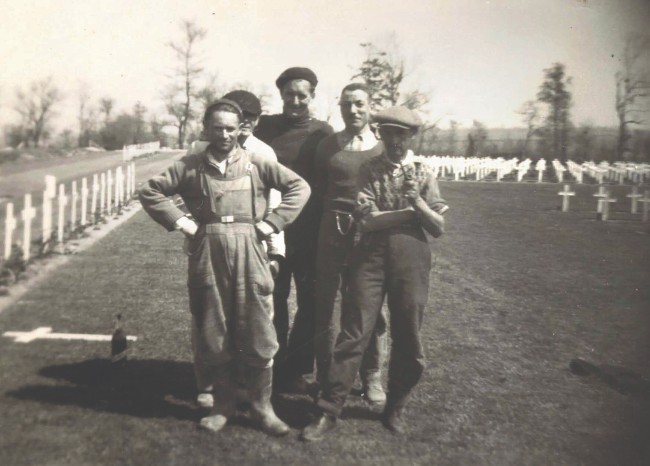
Early CWGC staff. © CWGC

There are, as you know, a lot of dead bodies around here. You can’t travel very far around this part of northern France without finding a corner of a field that will be forever England. Or Canada, or Australia… Or Germany. In places there seems to be a graveyard around every corner. They’re not small ones either. And this is just the people they’ve found. When you go and visit the CWGC they’ll have new stories of new discoveries – and they’ll tell you that although they are finding fewer bodies these days, that’s just because time and mud have buried them deeper, not because their work is nearly done. They are still finding about 40 a year, but even at that rate, they have calculated that it would take another 4,300 years of unbroken work before they could close the CWGC centre and congratulate themselves on a job completed.

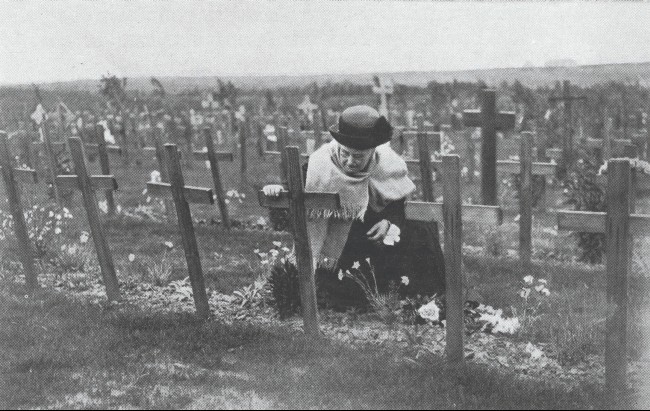
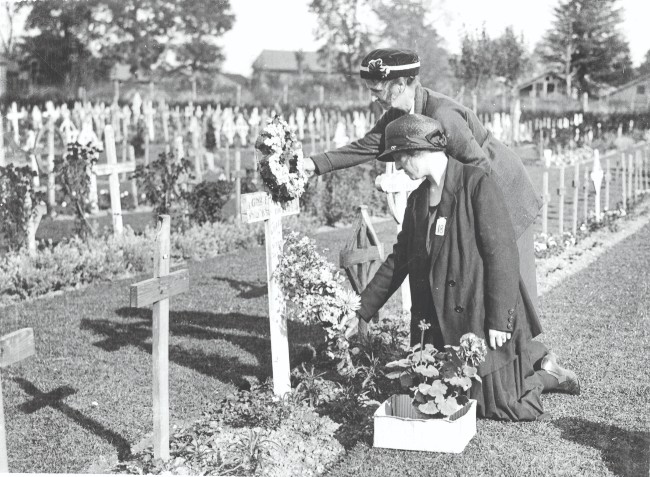
A woman plants flowers at St. Barnabas churchyard in Essex. © CWGC

SLEUTHING WORK
And every single time they discover a body, some considerable sleuthing work has to be done. Just because the soldier was wearing that helmet when he died doesn’t mean that he belonged to that regiment, or even that army: men traded equipment all the time, or found on a dead man a better helmet than the one they were wearing… (German helmets were best.)

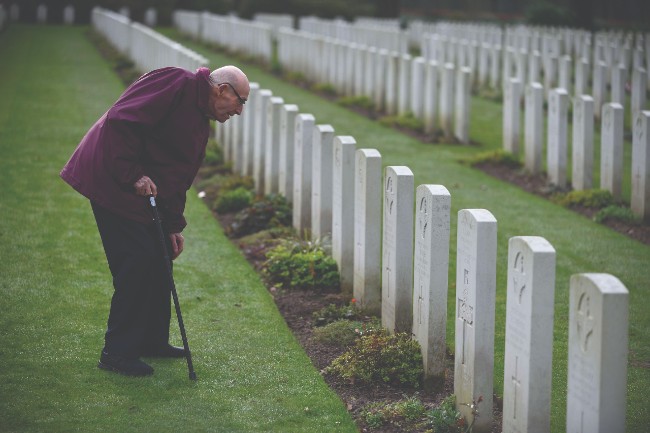
An Arnhem veteran pays his respects to his fallen comrades. © CWGC

A name tag is a good clue, as is a pair of boots (apparently they didn’t trade boots very often), but that doesn’t make anything absolutely certain either. The ability to reliably test DNA has been a major breakthrough; but while that means more positive identifications can be made, it also presents a whole set of jobs. Sometimes, a body will have been “identified”, a headstone made, a grave dug in the appropriate place, a ceremony performed… and then they’ll find they got the wrong man. The soldier they thought was buried there, turns up somewhere else, and the work begins again. And this can happen anywhere: bodies are repatriated.

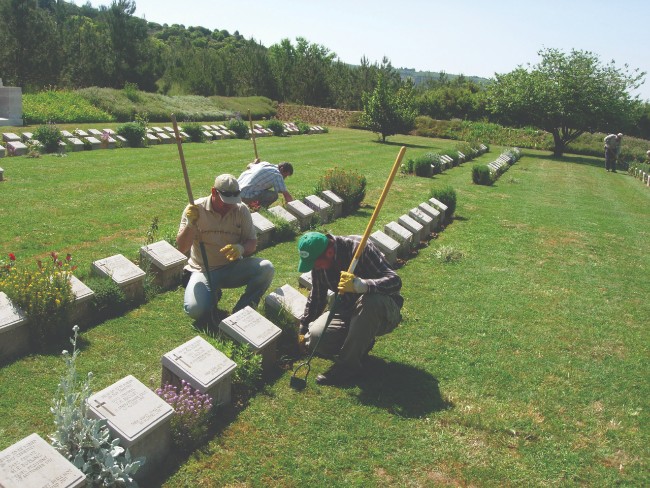
Gardeners spruce up the 7th Field Ambulance Cemetery in Turkey. © CWGC

Not every Commonwealth soldier who was killed in the two World Wars died in France. Many did, but the CWGC’s remit is global. The organisation might have to go to Fiji, or wherever, and gently explain that actually they’re going to have to remove that headstone and dig up that grave, because there seems to have been a mistake. CWGC’s responsibility is to ensure that no soldier is forgotten. And all that work ends up here, in the CWGC centre in Beaurains, near Arras.

War widows circa 1922. © CWGC

The Commission’s headquarters are in Maidenhead, and that’s where the paperwork is done (and redone) but all the actual work – cutting the headstones, engraving the headstones, making the gates and fences for all the Commonwealth war graves, not just in northern France but all over the world – it all happens here.
A PLACE LIKE NO OTHER
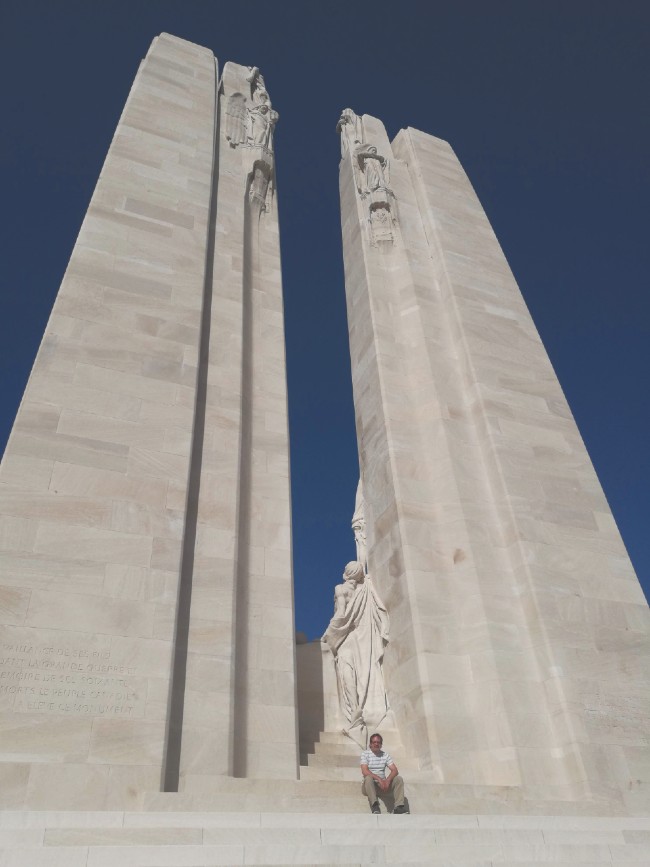
While you’re in Pas-de-Calais, you’ll probably visit (among other places) Vimy Ridge, the Canadian memorial famous the world over for its glimmering white stone. This was recently renovated; it got fixed up and cleaned quite extensively – they even had to reopen the quarry in Croatia where the stone had come from to get some more to do the job. And who did all that? The CWGC.

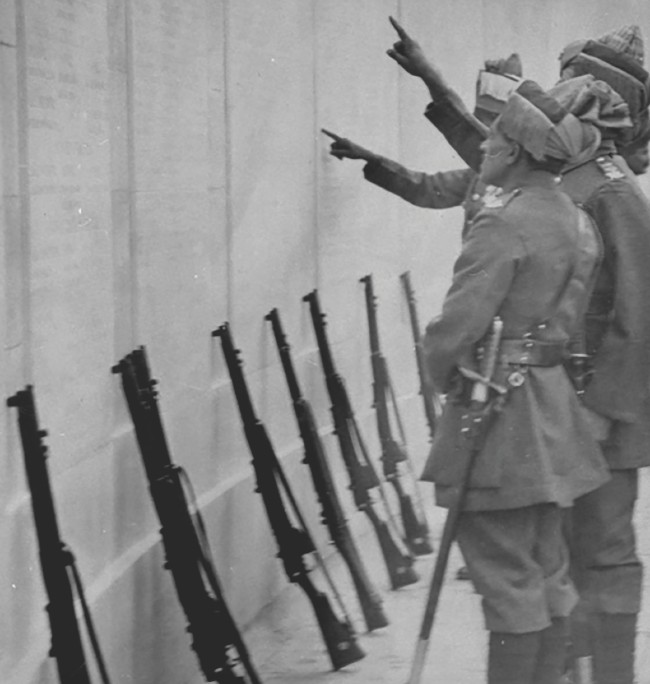
The unveiling of the Neuve-Chapelle Memorial in 1927. © CWGC

But if you travel to Canada itself, or South Africa, or India, and you come across the tomb of a repatriated soldier, the CWGC not only put him there but goes back periodically to check that the weeds have been cleared, and that the inscription is still legible (there’s a very specific criteria for measuring this). And if it’s not all correct, and the job can’t be done on-site, the work ends up on the to-do list at Beaurains.

The Commission’s preservation and restoration mission extends as far as Thailand. © CWGC

And now you can actually come here and see all that work being carried out, from the most prosaic to the most poetic tasks.
You can see the gardening tools being cleaned and repaired for service in the graveyards here; the commemoration text being engraved on a headstone bound for some distant land where there lies the body of someone you would otherwise never have heard of. It’s a place like no other. You visit lots of workshops around France and see many interesting things being made, but you’ll never visit one quite like this.

Hooge Crater in Ypres. © CWGC

CWGC ESSENTIALS
ADDRESS
CWGC Experience, 7 rue Angèle Richard, 62217 Beaurains
CONTACT
Head Office (Maidenhead) Tel. +44 (0)1628 634221; enquiries@cwgc.org

CWGC Gardeners in 1929. © CWGC

AIMS AND OBJECTIVES
The Commonwealth War Graves Commission honours the 1.7 million men and women of the Commonwealth forces who died in the First and Second World Wars. Its work includes building and maintaining Commonwealth cemeteries and memorials at 23,000 locations in more than 150 countries and territories, and also preserving and updating its extensive records and archives. It is funded by the governments of the Commonwealth nations and by donations.
It began as the brainchild of one man, Sir Fabian Ware, who joined the Red Cross during the First World War and became determined to ensure that those who had died would not be forgotten. His work was officially recognised in 1915 as the Graves Registration Commission, and in May 1917 the Imperial War Graves Commission was established by Royal Charter.

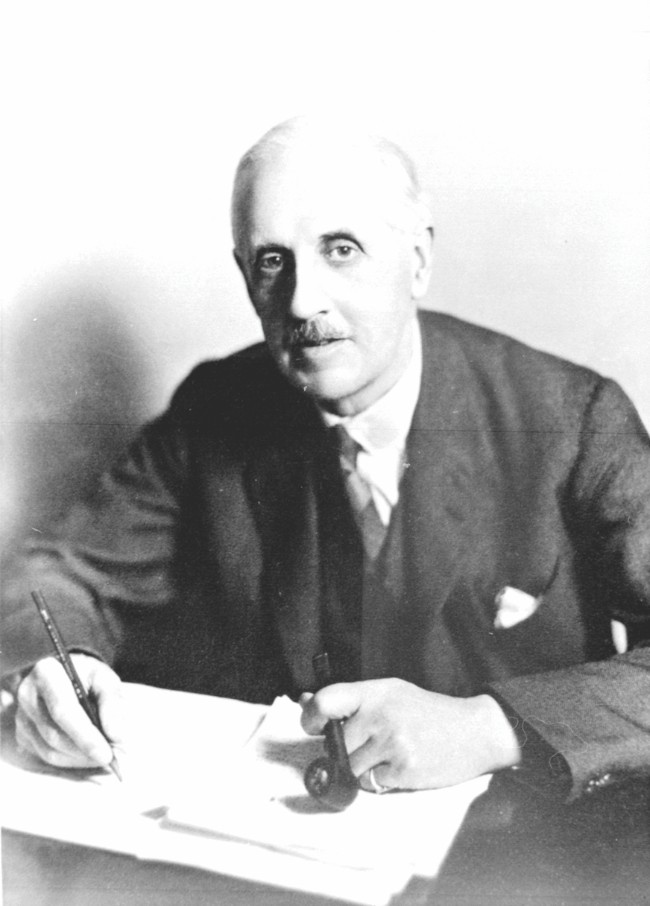
Sir Fabian Ware

By 1918 some 587,000 graves had been identified and a further 559,000 unknown casualties had been registered. The architects Sir Edwin Lutyens, Sir Herbert Baker and Sir Reginald Blomfield started designing and constructing the cemeteries and memorials, while Rudyard Kipling was tasked as literary advisor to recommend inscriptions.
THE PRINCIPLES OF THE CWGC ARE THAT:
-Each of the dead should be commemorated by name on the headstone or memorial
-Headstones and memorials should be permanent
-Headstones should be uniform
-There should be no distinction made on account of military rank, race or creed

The CWGC Experience

THE CWGC EXPERIENCE
The CWGC Experience visitor centre is open from Monday to Friday, 10am-4pm. It is closed
on French public holidays and at weekends, and it will also be closed during December and January for maintenance. Advance booking is only required for larger groups. This is, of course, still actually a place of work, so there wouldn’t be much point in coming here on Saturday or Sunday. But it is also a place of public service, so during the week, when it is open, parking is free and so is admission, though you are gently invited to make a cash donation as you enter the workshop area to begin your tour – or you could buy something at the gift shop.
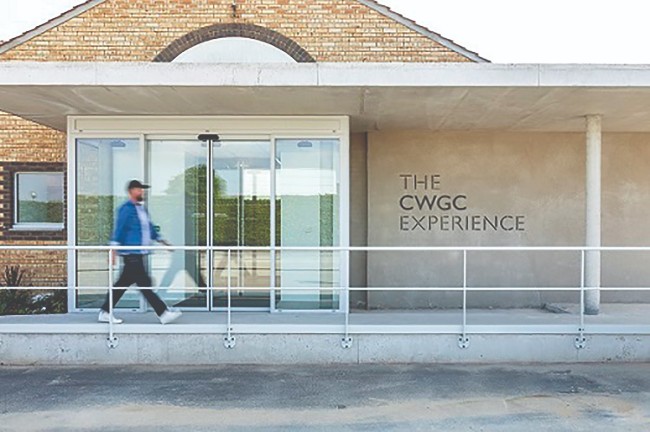
From the car park, it just looks like a large workshop with a nice new building attached to the front, which of course it is, but as the automatic glass doors open you catch your first glimpse of the work they have done to convert this atelier into a visitor centre.

You can now see craftsmen hard at work at the new CWGC Experience visitor centre. © CWGC

In the entrance foyer, the first thing that greets you (after the friendly smile from the volunteer at the desk) is a large map of the world on the far wall indicating all the places around the globe where the CWGC is operating. This is the room where, as you peruse the gift shop, you’ll have the chance – before or after you do the tour – to chat to the helpful and knowledgeable staff, many of whom are history or archaeology postgraduate students on a six-month placement, and all of whom speak English, often as their mother tongue.

Engraver at the new CWGC Experience visitor centre. © CWGC

The tour itself is self-guided (free audio guides are available at the welcome desk) so you can spend as much time here as you like, though 45 minutes is the figure they quote. You will want to allow more time if you wish to talk longer with the staff or avail yourself of the facilities for searching the CWGC records for, perhaps, a lost loved one.
From France Today magazine

After his tour of the visitor centre, Jon Palmer headed to Vimy Ridge. Photo: James Ruddy
The post Commemorating the Fallen: The Commonwealth War Graves Commission appeared first on France Today.

четверг, 20 февраля 2020 г.

Сколько Малышей Родилось На Трубе?

Изображения: Тфл

В пятницу 11 октября 2019 года на 1.09 вечера, вежливое уведомление поднялся на публичных доски на станции Бейкер-стрит, объяснив, что митрополит линии было приостановлено вследствие клиента родов на поезд.

Как шанс было бы это, в начале этого года, еще одна будущая мама неожиданно принесла в мир новую жизнь через Лондонское метро — на этот раз на стрит Уоррен. Своевременное удача, 21-летний студент-медик был на его путь домой от лекции анатомии, и помог доставить ребенка.

Изображения: Бирмингем Ежедневная Газета, Четверг 15 Мая 1924 Года. Благодаря зеркала Троицы. Оцифрованные газеты сайт findmypast архиве Общества. Все права защищены.

Для сети, которая была открыта с 1863 года, и который теперь передает 1,35 млрд. пассажиров в год, вы ожидаете, что роды были не совсем редкое явление в сети. На самом деле, роды 2019-это два из пяти записанных рождения на метро.

Третий ребенок, как полагают, были рождены в сети прибыл в четверг 28 мая 2009 года. 32-летний Мишель Дженкинс воды отошли на юбилейный поезд, и только после 2 часов дня, она обнаружила, что родив ребенка мальчика на станции метро Лондон Бридж учительской.

Всего за пять месяцев до этого, 19 декабря 2008 года, вод Юлии Ковальской были разорвать на линии Jubilee. В 9.35 вечера, она родила девочку, Дженнифер, на платформе станции Кингсбери.

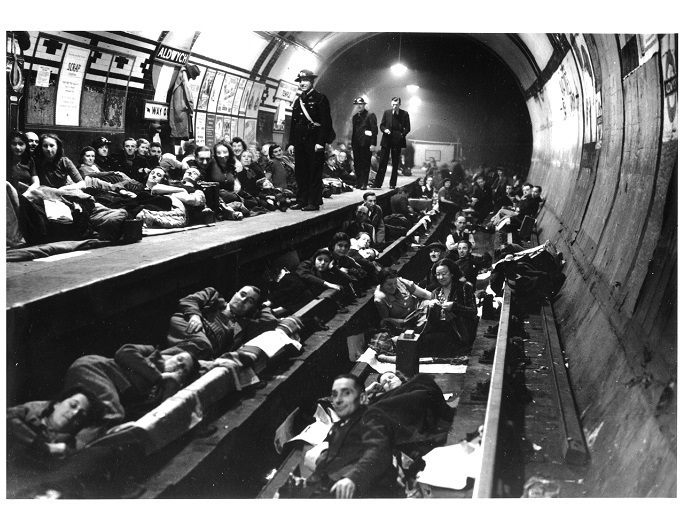
Лондонцы укрывались от бомб на станции Олдвич во время Второй мировой войны. Изображения: Лондонский Музей Транспорта

Перед этими двумя парами тесно приурочен инцидентов, было что-то вроде разрыва; первый зарегистрированный случай рождения на метро был в Элефант-энд-Касл, во вторник 13 мая 1924 года. Приходится рассказывать, как Миссис Дейзи Британии Кейт Хаммонд был уже на пути в больницу через Бейкерлу линия, но начались схватки в Мэрилбоуне. Поезд опустел других пассажиров, и быстро отслеживаются в Элефант-энд-Касл, где ждал врач, и ребенок был доставлен.

Этот ребенок был Мари Кордери и — видимо, по предложению ежедневный скорый журналист — лорд Эшфилд, председатель метрополитенов, согласился быть крестным отцом Мари, даже присутствуя на крестинах в wealdstone В, где она была названа Мари Эшфилд Элеонора. Эшфилд также представил ребенка с чашкой крестины. Вы можете не покупать этот журнал.

Ключ в работах по официальной статистике TfL-х

Так вот: там есть только пять рождений на метро. Кроме того, что явно ерунда. И один человек, который бы согласился Джерри Спрингер. Бывший чат-шоу выросла в Бельведере суд, Хэмпстед, и говорит, что его мать была непреклонна, что она родила его на 13 февраля 1944 года, в разгар «блица» на Хайгетском станции метро.

Лондонский Музей транспорта имеет диапазон, который идеально подходит для тех, кто просто родила на трубе

Даже если память мама китенка была как-то смущает, объясняет Спрингер, «женщины, которые находились в девятом месяце часто ночуют на станциях метро, ведь это были бомбоубежища.» Конечно, тогда было больше рождений на площадки и дорожки из станций лондонского метро, которые пошли неучтенные — возможно, потерял в рукопашной между 1939 и 1945. И давайте не забывать, что лондонцы укрывались от воздушных налетов во время Первой мировой войны тоже. Там должны были другие трубки младенцев. Как вы думаете, вы родились в метро? Мы хотели бы знать.

Londonist в переводе

Когда лондонцы рискуют своими жизнями, чтобы смотреть футбол во время воздушных налетов

75,000 показали, смотреть 1943 футбольной Лиги Кубок Южной окончательной войны между Арсенала и Чарльтона. Изображение: На YouTube

Когда мы думаем о Лондоне в военное время, мы думаем, бомбоубежищ, продовольственный паек и блиц духа перед лицом смерти от выше. Что менее известно, что люди были настолько полны решимости продолжать как обычно, что они рискуют своими жизнями, чтобы смотреть и играть в футбол, на стадионах, которые были очевидными мишенями для Люфтваффе.

Футбол стал ключевым компонентом морали, что бы держать Британии собираются в времена страшной напасти. В сезоне 1939-40 было только три игры старая, когда она была заброшена, после того, как Невилл Чемберлен объявил, страна находилась в состоянии войны с Германией. Эвертон были действующих чемпионов, обладателей Кубка Портсмут и Чарльтон (3-й в 1938/9), топ-лондонская команда, опередив «Арсенал» (5-й), Брентфорд (18-е) и «Челси» (20-го).

Изображения: Аукционный Зал

Работники завода хотят, чтобы их субботам

Футбольная лига не могла продолжаться после того, как правительство запретило собрания толпы. Сотни профессиональных футболистов присоединились к Вооруженным силам, хотя многие вошли в резерв полиции и территориальной армии, оставаясь в Великобритании, доступна для футбола или война — какой была самая насущная.

Это было не долго, хотя до обращения в открытии футбольной площадки были слышны. Заводчане хотят, чтобы их субботам. Поездки строго ограничен, совместного Альфа-Лига ГКЧП война позволила региональных соревнований; лиг военное время и Кубок Футбольной Лиги войны были созданы.

Массовые наблюдения, в Великобритании социологического исследования организации заявил: “виды спорта, как футбол имеет абсолютное влияние на моральное состояние людей и одну в субботу днем в матчах Лиги, вероятно, может сделать больше, чтобы влиять на людей духов, чем недавние £50,000 государством плакат кампании, призывающей бодрости.”

Урон от бомбы на Западную трибуну на «Аптон Парк», который был ранен в августе 1944 года. Фото предоставлено Стив Марш theyflysohigh.ко.Великобритания

Землю «Арсенала «»Хайбери» был отдан на АРП (воздушный налет меры предосторожности), поэтому клуб был вынужден играть свои домашние матчи на «Уайт Харт Лейн», «Тоттенхэм» возвращение пользу из Первой мировой войны, когда шпоры играли в Ислингтоне.

Нескольким основаниям пострадали от немецких бомб, в том числе Хайбери, Ден, Аптон Парк и долину.

Игры Лиги военное время не хватало конкурентное преимущество, с матчей с дружественной, и гости из других появляться клубы, если они стояли рядом. Следовательно толпы народа на эти игры были маленькими. Но Кубок был другим. Игроки и болельщики поддался магии его.

В 1939/40 полуфинал между Вест Хэм и Фулхэм увидел 32,799 людей на «Стэмфорд Бридж» на 4-3 триллер, прежде чем «Вест Хэм» занял первое футбольной Лиги войне чемпионат с 1-0 победу над «Блэкберн», благодаря голу Сэма малого в июне 1940 года. Несмотря на явную опасность, 42,399 пришли на «Уэмбли», перед началом интенсивных бомбардировок, которая стала известна как блиц.

[содержание]

Ждем, пока вражеские самолеты были отчетливо видны, чтобы остановить матч

Между полуфинале и финале, Дюнкерк эвакуация произошла. На самом деле финал Кубка толпа разбухла солдаты, вернувшиеся с того, что ведущие операции. Трудно представить, что испытывает ужас Дюнкерка, а затем через несколько дней в финале Уэмбли. Неудивительно, что эта история еще не попала в фильм Война канона. Кто в это поверит?

Матчи будут прекращены, когда сирена воздушной тревоги сработала и перезагрузки после все понятно. Некоторые клубы использовали свой собственный ‘сыщиков’, чтобы они могли продолжить игру после сирены ушел, пока вражеские самолеты были отчетливо видны. Ведь зачем портить отличный футбольный матч, когда есть только очень маленький шанс неизбежной массовой гибели?

7-1 финал «Арсенала» Южный кубок выиграть в 1943 году был назван «скучный» пресс. Полагаю, все скучно, когда идет война. © Изображение Зеркала Троицы. Образ, созданный любезность Британского Совета библиотеки.

Долина была постоянно на линии огня. Один матч между Чарльтон и Миллуолл был остановлен с минуту, чтобы пойти и посетители со счетом 2: 0. После того, как все ясно было, они играли на последней минуте. Обожают правила, они были в былые времена.

Окончательный 1941 был сыгран после девяти месяцев наиболее интенсивных бомбежек войны. 127 крупных ночных налетов имели место в то время, с Лондоном регулярной мишенью. День нападения время стала редко, но одинокий налетчики были по-прежнему следует опасаться. Еще 60 000 человек вышли на «Уэмбли», чтобы увидеть в конце Денис Комптон эквалайзер давать «Арсеналу» ничью против Престона.

В ту ночь и на следующий, остались худшие из лондонского Блица, с более чем 500 бомбардировщиков ориентируетесь в столице. Палата общин приняла удар. Люфтваффе атаковали мостов, заводов, складов и железнодорожных путей по всему городу. Можно подумать финале было бы хорошее время, чтобы рассмотреть санкции сама выберет кубок, но нет, переигровка была организована. По крайней мере, они перенесли его на Ивуд Парк, Блэкберн, где 45,000 видел Престон выиграет 2-1 благодаря двум голам Бобби Битти.

Немецкая Люфтваффе Хейнкель He 111 бомбардировщик пролетел над Уоппинг и Собачьем острове в восточной части Лондона в начале вечера налетов люфтваффе от 7 сентября 1940 года. Изображения: Общественное достояние

75,000 обернуться, чтобы посмотреть «Арсенал» обыграл Чарльтон 7-1

В 1942 году, лондонских клубов, Вместе с тем ожидается, будет играть против них восстал против Футбольной лиги, который ожидал их в путешествии на всякие нелогичные места, как Кру, а также часто угрожал ЮБК. Поэтому финал был двуногий дома и в гостях роман между волками и «Сандерленд», который выиграл Волков. Но мятежники были свои чашки войне, в которой видели Брентфорд обыграл Портсмут 2: 0, причем оба гола из Ле-Смит, перед 71,500 на «Уэмбли».

К 1943 году южные клубы были вернуться в лоно. Взял отдельный Севера и соревнования на Кубок Южного места и вручены призы, с региональных победителей играли друг с другом в финале Кубка Обладателей Кубков. Южный финал иногда привлекают людей больше, чем общий финал, как они обычно лондонском дерби.

[содержание]

С германскими войсками, связали в другом месте, 75000 человек повернулся, чтобы посмотреть Арсенал края восемь-гол триллер против Чарльтона, 7-1. Артиллеристы били в общем финале Блэкпула, который выиграл 4-2 перед 55,195 на «Стэмфорд Бридж».

Не-Лиги футбол тоже продолжались. В 1943 Лондоне старший финал Кубка между Далвич Гамлет и Тутинг & Митчем должен быть играли в Пасхальный понедельник в день, когда одинокий рейдер, нажмите на северной трибуне. Был брошен здоровенный толпы барьер в 200 метрах, а с террасы и поля были изрыты. Как-то в клубе очищен беспорядок достаточно для игры, чтобы идти вперед, с 5-4 победителей Тутинг. С 30 минут еще идти, главное выстоять загорелась, возможно, от выброшенных сигарет, причинив столько вреда, что Львы вынуждены были играть свои домашние матчи на долину, Лондон, «Аптон Парк».

Генерал Эйзенхауэр является почетным гостем

Эйзенхауэр был достаточно справедливой-погода футбольного болельщика. Изображения: Общественное достояние

К 1944 году союзники были все увереннее приняв в Северной Африке, хотя Лондон был быть на конец смертельной Фау-1 и Фау-2 летали бомбовые удары. Наибольшее совпадение военного клуба толпа до сих пор был привлечен к чемпионату войны Южная финала между Чарлтон и «Челси» на «Уэмбли», где 85,000 смотрел Чарльтон выиграет 3-1. Почетным гостем был командующим американскими войсками в Европе генерал Эйзенхауэр. Человек, который стал 34-м президентом Соединенных Штатов заявил журналистам: “Я начал болеть за синих, но когда я увидел красные были выигрывать, ну мне пришлось по болеть за них.”

Чарльтон встретились «Астон Виллы» в национальном финале, рисунок 1-1 на «Стэмфорд Бридж» перед 38,540, с Чарли Ревелл плетения для Аддикс. Однако, из-за возобновившихся бомбардировок угроз и транспортные ограничения, повтор исключен, который, кажется, удивительно осторожными в схеме вещей. Кубок был общий.

Ракеты даже не Фау-1 может тупой энтузиазм лондонцев за мутные. Изображения: Общественное достояние

Гостевая система-то, издевательство над чашкой с 1945 года, а два южных финалистов, Челси и Миллуолл, ставка на звездных гостей играть для них в том, что одна газета под названием “ленд-лизе окончательной”. «Челси» выиграл торги, играя восемь гостей Миллуолл четыре. Они также выиграли матч 2-0, перед 90.000 человек. Война в Европе закончилась, и страна была в праздничном настроении, их тоскливые игры, играл в какой-то степени чужими.

Финальная игра Кубка война бы видеть «Челси» проигрывает на своем поле с «Болтоном», прежде чем нормальное обслуживание возобновлено и послевоенный период начался. Хотя «Уэмбли», остался дома футбол на протяжении одной из мрачных страниц истории человечества

В целом, около 37 млн. наблюдал футбол в течение шести лет Второй мировой войны, показывая в сторону блиц дух, который редко отмечали — плюс нужно спорт в нашей жизни что бы ни происходило.

Как словосочетание, это, возможно, не хватает поэзии прекрасной игры, но футбол остается самым большим отвлечением на Земле.

Londonist в переводе

среда, 19 февраля 2020 г.

Vintage Dutch tech site calls it a day

By


Webwereld, one of the oldest tech news sites of the Netherlands, is going to cease to exist. We enjoyed using them as a source for subjects such as high speed wireless internet (wimax), NL-alert (national alarm system), net neutrality and quite a few more.


The tech-savvy site had been around since 1995, and editorial staff were sent packing about a month ago. The site will go offline on 1 March, and its owner, IDG, will apparently continue on with business sites.


Way back in in the day, having a 24-hour online news service about IT was a big deal and quite new, at least in such a small country and language region as the Netherlands. One of the cool things they did was launch ‘lektober’ (‘leaktober’) in 2011, which featured company data leaks back when companies didn’t quite know how to deal with them (they still don’t, but OK).


Thanks for the good stories, Webwereld!


(Link: bright.nl)


No comments yet.

Секреты Ватерлоо Мост

Думаю, Мост Ватерлоо, и вы можете придумать свой удивительный вид на Лондон (это одно из лучших мест, чтобы наблюдать накануне знаменитый новогодний фейерверк, в конце концов). Но он имеет гораздо больше, чем просто завидная панорамы с его именем. Из трагических Сорвиголова трюки, чтобы хорошо ездил гранитные плиты, вот несколько малоизвестных лакомых кусочков, чтобы рассмотреть в следующий раз вы пересекаете мост Ватерлоо.


[содержание]

Видео подготовлено: простите наш французский

Londonist в переводе

Повернитесь лицом на Тауэрский мост с этой новой Instagram лицу фильтра

поднять брови поднять bascules

Набор новым лицом фильтрами на Instagram и Facebook позволяют трансформировать свои особенности в Лондоне икон, в том числе Тауэрский мост и Собор Святого Павла.

Лондонская городская корпорация запустила фильтры, чтобы поощрять людей, чтобы посетить квадратную милю и узнать больше о его истории, с его 90 минут самонаводящиеся туристический маршрут.

Новый смысл 'певиц'

Фильтры являются интерактивными: поднять брови, и bascules Тауэрский мост поднимем. Открыть рот Святого Павла на голове, и небесная музыка льется вперед. Вы можете также не гладиаторском шлеме (в дань Гилдхолл в римский амфитеатр), и есть различные вещи, брошенные на вас.


"Меня зовут Максимус Децимус"... на самом деле он, наверное, моложе, чем 10

Изображений не совсем то, это чудесно игривые фильтры справедливости. Вот видео их в действии:


[содержание]

Вы можете скачать фильтры из Лондона сайт.

Londonist в переводе
Секреты Ватерлоо Мост

Думаю, Мост Ватерлоо, и вы можете придумать свой удивительный вид на Лондон (это одно из лучших мест, чтобы наблюдать накануне знаменитый новогодний фейерверк, в конце концов). Но он имеет гораздо больше, чем просто завидная панорамы с его именем. Из трагических Сорвиголова трюки, чтобы хорошо ездил гранитные плиты, вот несколько малоизвестных лакомых кусочков, чтобы рассмотреть в следующий раз вы пересекаете мост Ватерлоо.

[содержание]

Видео подготовлено: простите наш французский

Londonist в переводе
Повернитесь лицом на Тауэрский мост с этой новой Instagram лицу фильтра

поднять брови поднять bascules

Набор новым лицом фильтрами на Instagram и Facebook позволяют трансформировать свои особенности в Лондоне икон, в том числе Тауэрский мост и Собор Святого Павла.

Лондонская городская корпорация запустила фильтры, чтобы поощрять людей, чтобы посетить квадратную милю и узнать больше о его истории, с его 90 минут самонаводящиеся туристический маршрут.

Новый смысл ‘певиц’

Фильтры являются интерактивными: поднять брови, и bascules Тауэрский мост поднимем. Открыть рот Святого Павла на голове, и небесная музыка льется вперед. Вы можете также не гладиаторском шлеме (в дань Гилдхолл в римский амфитеатр), и есть различные вещи, брошенные на вас.

«Меня зовут Максимус Децимус»… на самом деле он, наверное, моложе, чем 10

Изображений не совсем то, это чудесно игривые фильтры справедливости. Вот видео их в действии:

[содержание]

Вы можете скачать фильтры из Лондона сайт.

Londonist в переводе
вторник, 18 февраля 2020 г.

Inside Brick Lane's Mosque That Was A Synagogue That Was A Church


Image: Brick Lane Jamme Masjid


I'm on the top floor of a mosque, studying a Hebrew prayer, in a building that was first conceived of as a church.


First constructed in 1743, the building that houses the Brick Lane Jamme Masjid (also known as the Brick Lane Mosque) has passed through the hands of three major religions during its near-300 year history, and stands as a symbol for the history of migration to London's East End.


The handsome building that stands on a corner of Fournier Street and Brick Lane is a landmark in the area, thanks to a steel tubular structure that forms a minaret on the street outside (It was added in 2009.) Sajjad Miah, the president of the mosque's governing committee, is giving me the tour.


A Christian beginning


The south side of the mosque, with its sundial


Viewed from its south side on Fournier Street, the two-floor building is topped by a triangular pediment with a sundial feature. This contains the Latin motto Umbra Sumus ("We are but shadows"), an accidental metaphor for how diverse communities have passed through here.


The roots of the building are tied to migration from France. From the early 1700s, tens of thousands of Huguenot refugees began arriving in England. Huguenots were protestants and were unwelcome in Catholic Europe at the time. They were also renowned weavers and many of them settled in the East End where they set up cloth factories. As they became wealthy in the trade, the Huguenots built themselves the Neuve Eglise on Brick Lane, probably designed by Thomas Stibbs, who had built an earlier French church on Threadneedle Street.


Over time, the Huguenots moved out of the area and the building was temporarily leased by the London Society for Propagating Christianity among the Jews, an organisation founded by one Thomas Frey, a Jewish-born Christian convert.


A Jewish community grows


A Hebrew prayer plaque, left from the time the mosque was a synagogue


From 1819 the church passed through the hands of a series of Christian denominations. Then, in the 19th century, a wave of Jews arrived in London, fleeing violent anti-Jewish pogroms in the Russian Empire. In 1897, the building was acquired by a group of orthodox Lithuanian Jews called the Machzike Hadath ('Strengtheners of the Faith'), who found established English Judaism too relaxed for their tastes.


In a 1953 biography of the building, Bernard Homa explains that his grandfather Abraham Werner was the first Rabbi of the Machzike Hadath from the 1890s until his death in 1912. The book claims that his grandfather's funeral was the largest in England at the time — reportedly, some 20,000 people lined the streets of east London to see his coffin make its way from Brick Lane to Edmonton Cemetery.


The Bangladeshi era


Brick Lane in 1977 © Paul Trevor and taken from this article


Eventually, London's East End Jews followed a similar pattern to the Huguenots — working in, then running, their own textile firms before eventually moving out to wealthier suburbs. The synagogue appears to have fallen into disuse by the 1970s.


However, from the 1950s a nascent Bangladeshi community was starting to settle around Brick Lane (although the history of Bengalis in London stretches back much further). You might have guessed the story by now; they began working in and then taking over textile factories, and converted the synagogue into a mosque. According to Mr Miah, the building was purchased in 1976 and opened in 1978, in its third religious iteration.


Image: Brick Lane Jamme Masjid


"There is a big Bangladeshi community living nearby," says Miah, "so it has always been their place of worship". While he stresses that the mosque is open as a place of worship to any Muslim, the majority of worshippers are Bangladeshi, or of Bangladeshi descent.


Inside the mosque


The minbar - the pulpit where the imam preaches


"It is a vast building" says Miah. Today, the main entrance is on Brick Lane through a separate three-story Grade II Georgian house attached to the north side of the mosque. Male visitors remove footwear and enter a washroom where the faithful perform the necessary ablutions (in the past the entry was via two doors on Fournier Street).


To the right and on three floors above are administrative and teaching rooms while in the basement are three barrel-vaulted storage cellars. To the left of the entry hall, you pass through a door into the mosque itself. It's a cavernous yet peaceful space, laid out over two floors; the first floor opens onto the ground floor via a cut-out in the ceiling. A handful of worshippers are seated on the floor silently counting prayer beads in contemplation. You could easily forget the hustle and bustle of Brick Lane is just outside the door.


Image: Brick Lane Jamme Masjid


I take a photo of the wooden minbar (the platform where the imam delivers his sermons) built into the southern eastern corner of the room which faces Mecca. Miah points out the carpets which are replaced every few years at great expense. I ask a rather silly question: do they change the carpet because it gets worn out from people praying on it? "Not really!" he laughs, "it's more that people like a change in colour and design every few years".


Where ablutions are performed before prayer. Image: Brick Lane Jamme Masjid


Today's interior would appear very different to its earlier occupants. The Historic England website says that when it was a church, the chapel was a single large hall (unlike today's split-level design), with a series of timber galleries facing a pulpit on the south wall. Then, when it became a synagogue, the east part of the gallery was removed in order to house a bimah and ark in the centre of the east wall. It was only in 1986 that the current two-level structure was built. That said, there are still traces of its past; most notably the Muslims retained a Hebrew prayer plaque.


"It's like churches in this country"


The mosque receives around 2,000 worshippers most Fridays according to Miah, not to mention the two Eids and Ramadan, when numbers swell, and worshippers come to break the fast and share a big meal in the mosque's barrel-vaulted cellars.


The building offers more than just religious services too. One important project for the community is a mother tongue programme, where kids of Bangladeshi origin come to learn Bengali after school. The mosque also hosts madrasas — religious evening and weekend classes where youngsters learn about Islam. There are also a handful of students who spend several years learning the text of the Koran off by heart in Arabic. No mean feat.


Community and learning are at the heart of the mosque's ethos. Image: Brick Lane Jamme Masjid


Nevertheless, Miah does worry about the future of the building. "It's like churches in this country," he sighs, "when I first came to England, all the English people would go to church every Sunday, but nowadays they're stopping. The same is happening at mosques". Attendance numbers might also be dropping due to the simple fact of migration. Like the Huguenots and Jews before them, the Bangladeshi community is diffusing further out into London's suburbs. If there are mosques closer to where they live, there's less motivation to make the slog to Brick Lane.


"It's becoming very expensive"


And while a walk down Brick Lane is still satisfyingly eclectic, Miah points out that the make-up of the area is changing fast. "There are a lot of city people moving into Brick Lane now, and it's becoming very expensive". I can confer, having gallingly paid £2.20 for an espresso prior to our meeting at a nearby café.


The cost of upkeep for a Georgian building isn't inconsiderable either. "It is a historical, listed building," Miah explains, "we are not allowed to make any changes to the outside or to the structure, and any repairs need to be made using the original materials". From brick work to the window frames, maintenance doesn't come cheap.


Image: Brick Lane Jamme Masjid


All that being said, the mosque still seems busy. When I visit on a Wednesday lunchtime, there's no doubt this is still a working mosque — plenty of people, young and old, enter and exit the building for prayers, the office is bustling with staff and there are posters on the notice board for upcoming talks, and even a matchmaking event.


If its history is anything to go by, the building that houses the Brick Lane Mosque will certainly have an interesting future.