Commemorating the Fallen: The Commonwealth War Graves Commission
The Commonwealth War Graves Commission has been toiling tirelessly in the shadows since the First World War. At long last, its incredible restoration work is being thrust into the spotlight at a new visitor centre. Jon Palmer heads to Beaurains to meet the unsung heroes on a mission to honour the memory of 1.7 million casualties of war
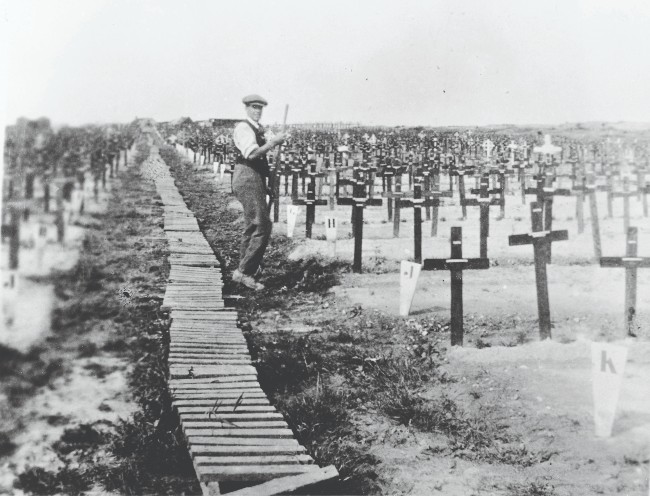
Shortly before the Commonwealth War Graves Commission was due to open its new visitor centre at its workshop outside Arras, they found another body. Work had been going on, as it does, fixing the perimeter fence at one of the many graveyards in the region, when the workers inadvertently unearthed the body of another fallen soldier, just outside the cemetery boundary. On this occasion, the CWGC was presented with a fairly straightforward task: the body had to be identified and then simply moved inside the fence; job done.
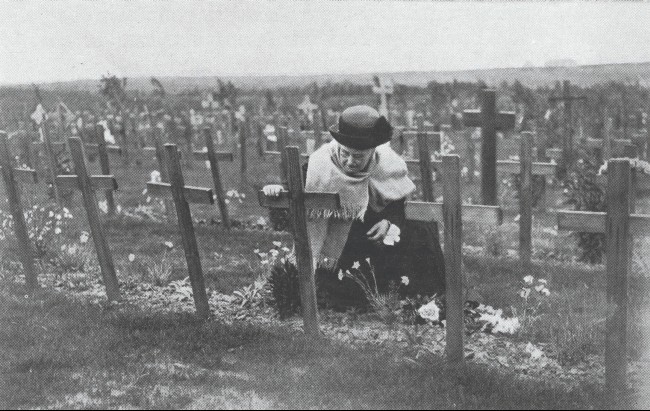
There are, as you know, a lot of dead bodies around here. You can’t travel very far around this part of northern France without finding a corner of a field that will be forever England. Or Canada, or Australia… Or Germany. In places there seems to be a graveyard around every corner. They’re not small ones either. And this is just the people they’ve found. When you go and visit the CWGC they’ll have new stories of new discoveries – and they’ll tell you that although they are finding fewer bodies these days, that’s just because time and mud have buried them deeper, not because their work is nearly done. They are still finding about 40 a year, but even at that rate, they have calculated that it would take another 4,300 years of unbroken work before they could close the CWGC centre and congratulate themselves on a job completed.
SLEUTHING WORK
And every single time they discover a body, some considerable sleuthing work has to be done. Just because the soldier was wearing that helmet when he died doesn’t mean that he belonged to that regiment, or even that army: men traded equipment all the time, or found on a dead man a better helmet than the one they were wearing… (German helmets were best.)
Not every Commonwealth soldier who was killed in the two World Wars died in France. Many did, but the CWGC’s remit is global. The organisation might have to go to Fiji, or wherever, and gently explain that actually they’re going to have to remove that headstone and dig up that grave, because there seems to have been a mistake. CWGC’s responsibility is to ensure that no soldier is forgotten. And all that work ends up here, in the CWGC centre in Beaurains, near Arras.
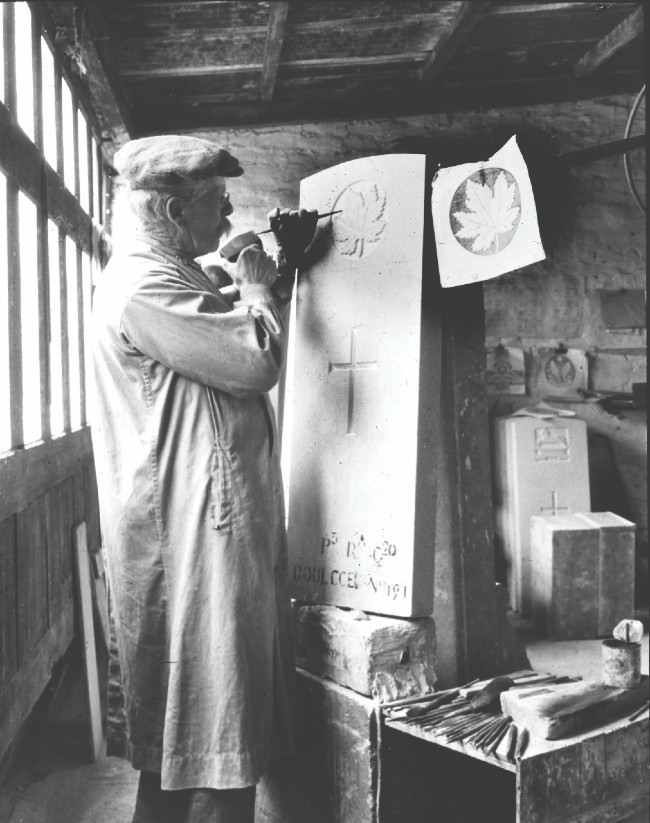
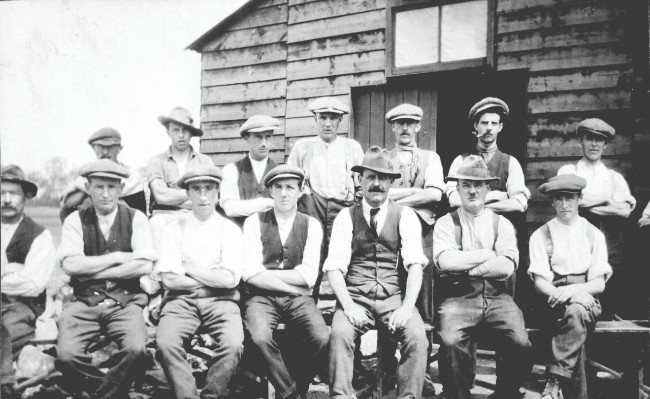
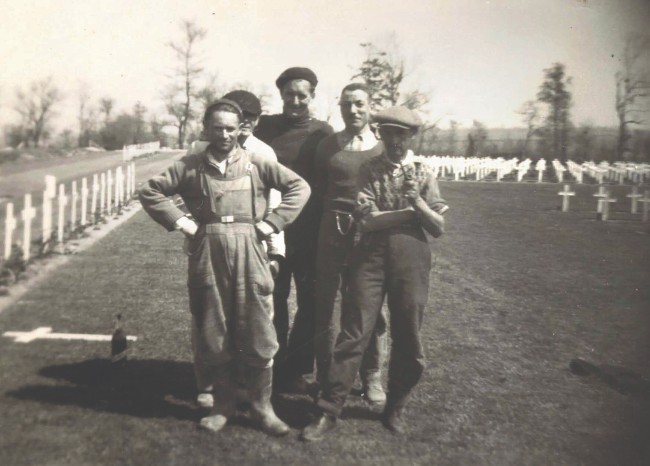
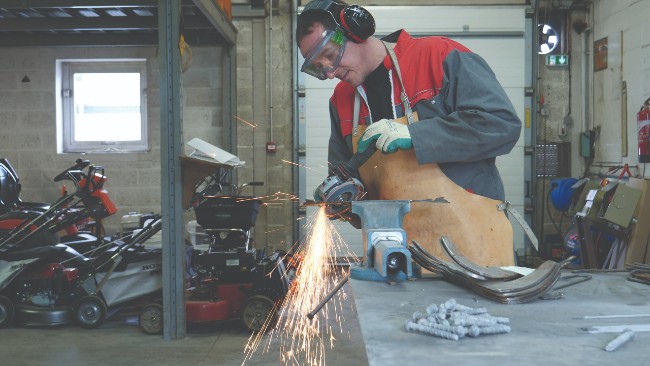
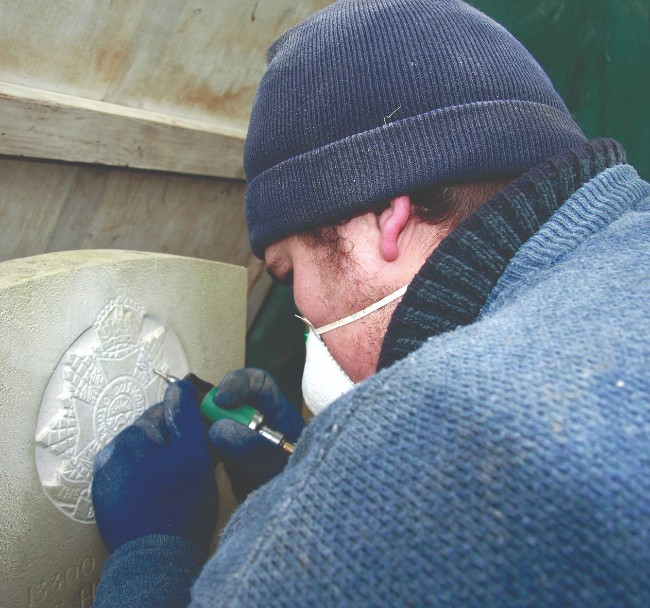
The Commission’s headquarters are in Maidenhead, and that’s where the paperwork is done (and redone) but all the actual work – cutting the headstones, engraving the headstones, making the gates and fences for all the Commonwealth war graves, not just in northern France but all over the world – it all happens here.
A PLACE LIKE NO OTHER
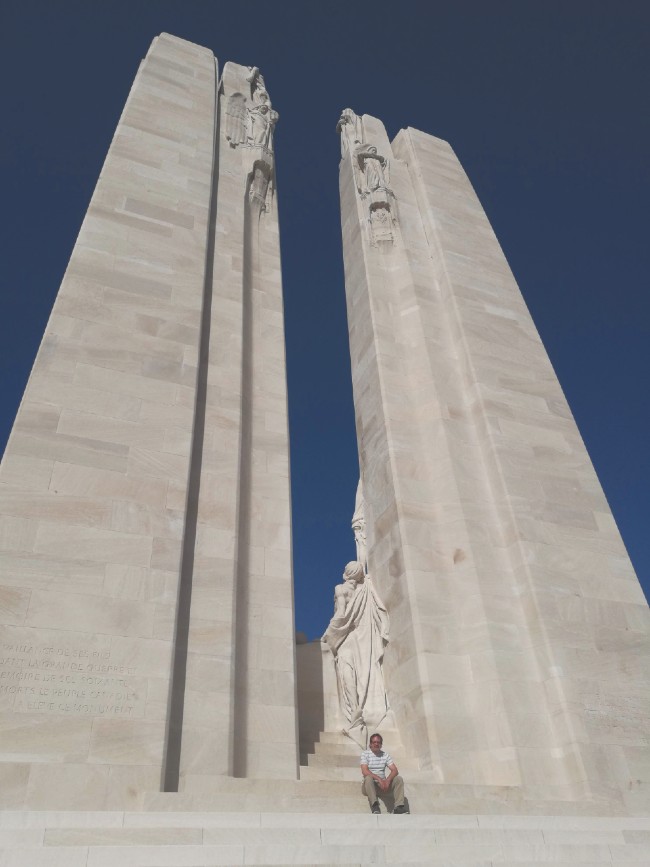
While you’re in Pas-de-Calais, you’ll probably visit (among other places) Vimy Ridge, the Canadian memorial famous the world over for its glimmering white stone. This was recently renovated; it got fixed up and cleaned quite extensively – they even had to reopen the quarry in Croatia where the stone had come from to get some more to do the job. And who did all that? The CWGC.
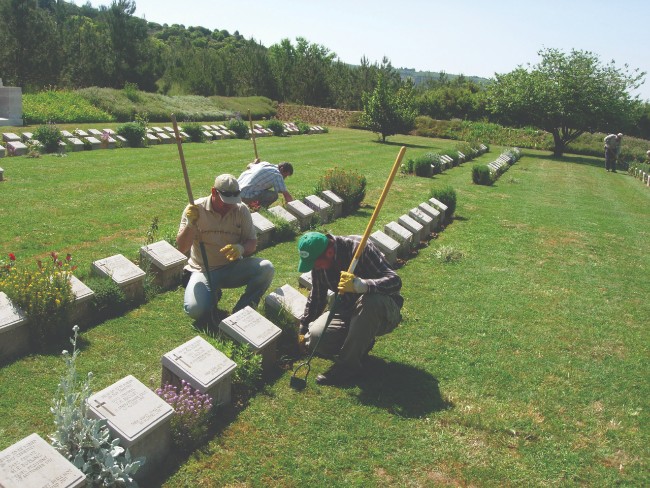
You can see the gardening tools being cleaned and repaired for service in the graveyards here; the commemoration text being engraved on a headstone bound for some distant land where there lies the body of someone you would otherwise never have heard of. It’s a place like no other. You visit lots of workshops around France and see many interesting things being made, but you’ll never visit one quite like this.
AIMS AND OBJECTIVES
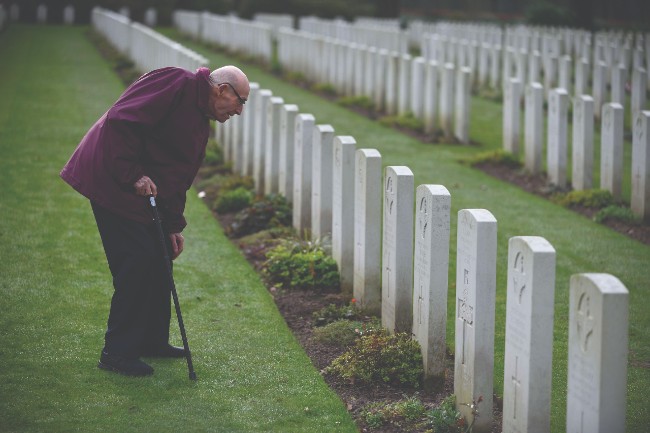
The Commonwealth War Graves Commission honours the 1.7 million men and women of the Commonwealth forces who died in the First and Second World Wars. Its work includes building and maintaining Commonwealth cemeteries and memorials at 23,000 locations in more than 150 countries and territories, and also preserving and updating its extensive records and archives. It is funded by the governments of the Commonwealth nations and by donations.
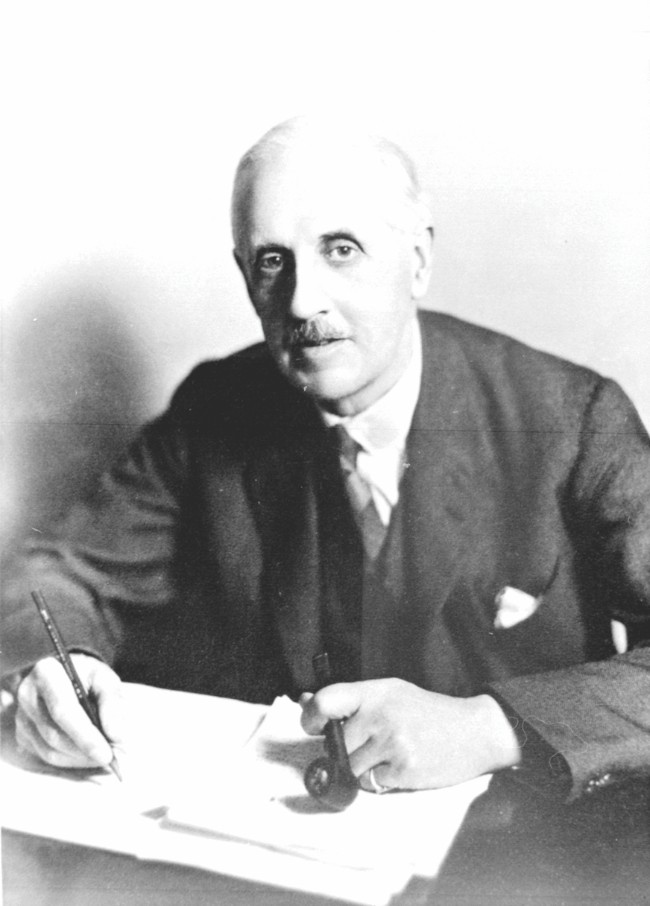
It began as the brainchild of one man, Sir Fabian Ware, who joined the Red Cross during the First World War and became determined to ensure that those who had died would not be forgotten. His work was officially recognised in 1915 as the Graves Registration Commission, and in May 1917 the Imperial War Graves Commission was established by Royal Charter.
Sir Fabian Ware
By 1918 some 587,000 graves had been identified and a further 559,000 unknown casualties had been registered. The architects Sir Edwin Lutyens, Sir Herbert Baker and Sir Reginald Blomfield started designing and constructing the cemeteries and memorials, while Rudyard Kipling was tasked as literary advisor to recommend inscriptions.
THE PRINCIPLES OF THE CWGC ARE THAT:
-Each of the dead should be commemorated by name on the headstone or memorial -Headstones and memorials should be permanent -Headstones should be uniform -There should be no distinction made on account of military rank, race or creed
The CWGC Experience
THE CWGC EXPERIENCE
The CWGC Experience visitor centre is open from Monday to Friday, 10am-4pm. It is closed on French public holidays and at weekends, and it will also be closed during December and January for maintenance. Advance booking is only required for larger groups. This is, of course, still actually a place of work, so there wouldn’t be much point in coming here on Saturday or Sunday. But it is also a place of public service, so during the week, when it is open, parking is free and so is admission, though you are gently invited to make a cash donation as you enter the workshop area to begin your tour – or you could buy something at the gift shop.
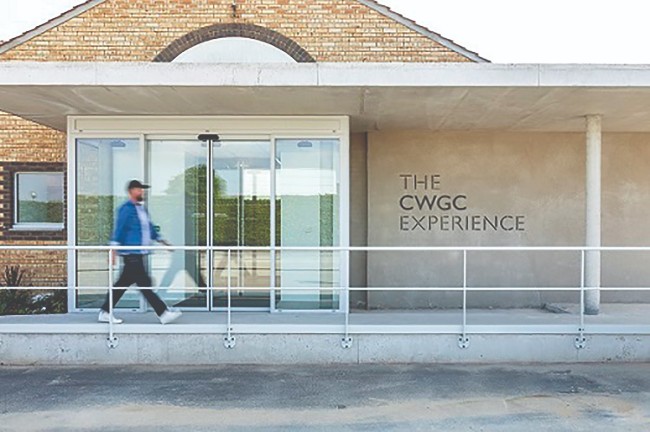
From the car park, it just looks like a large workshop with a nice new building attached to the front, which of course it is, but as the automatic glass doors open you catch your first glimpse of the work they have done to convert this atelier into a visitor centre.