Left your Valentine’s shopping a little late? Don’t worry, we’ll keep your secret… your amour doesn’t need to know where you got these perfect, last-minute Valentine’s Day gifts.
It’s never too late for a grand, romantic gesture, especially now with the help of same-day delivery!
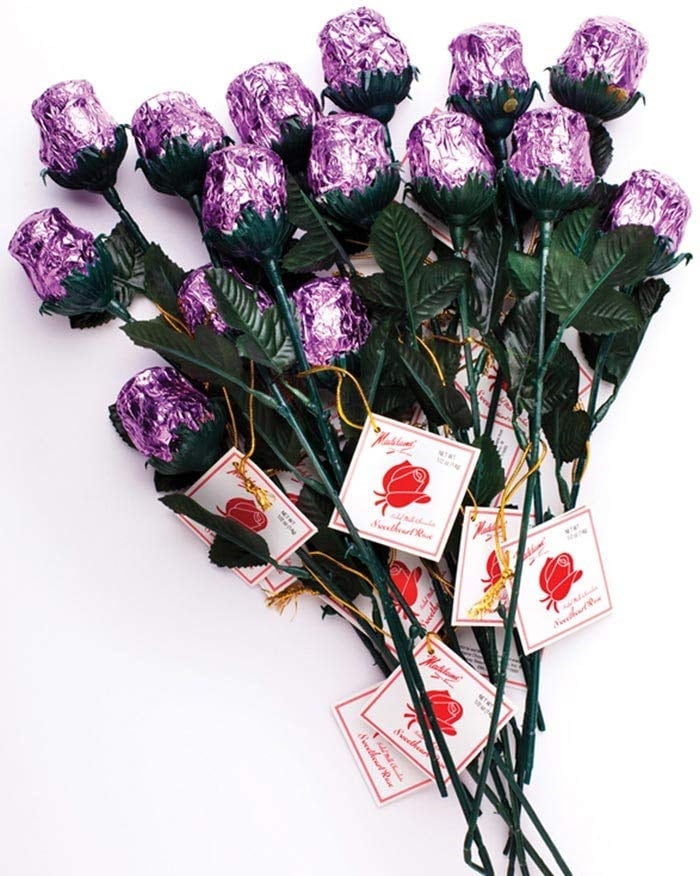
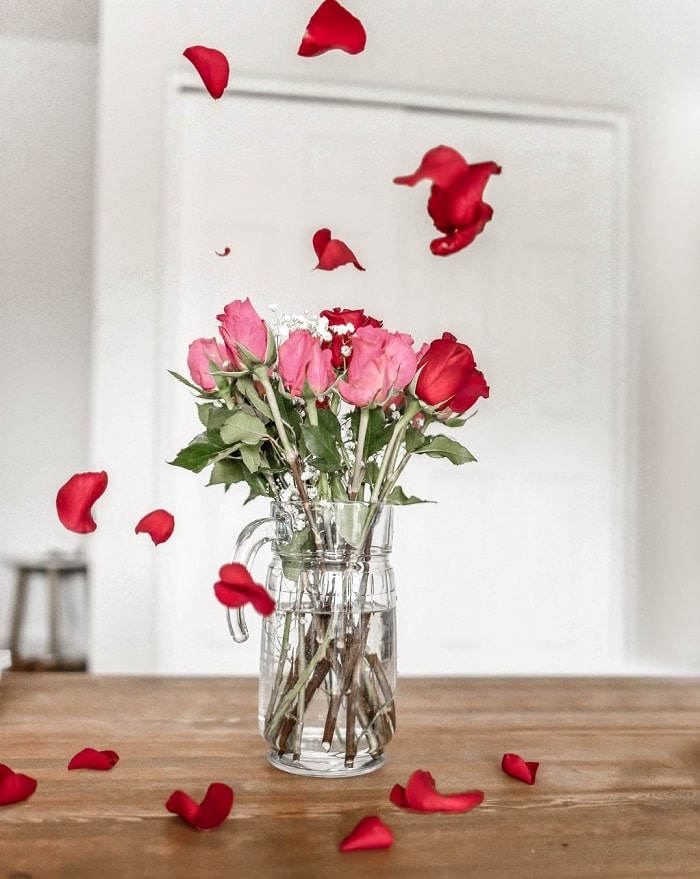
1. Madeline Chocolate: One Dozen Roses
There’s no longer a need to choose between chocolates and flowers. Plus these aren’t your typical flowers, so they won’t be wilting anytime soon!
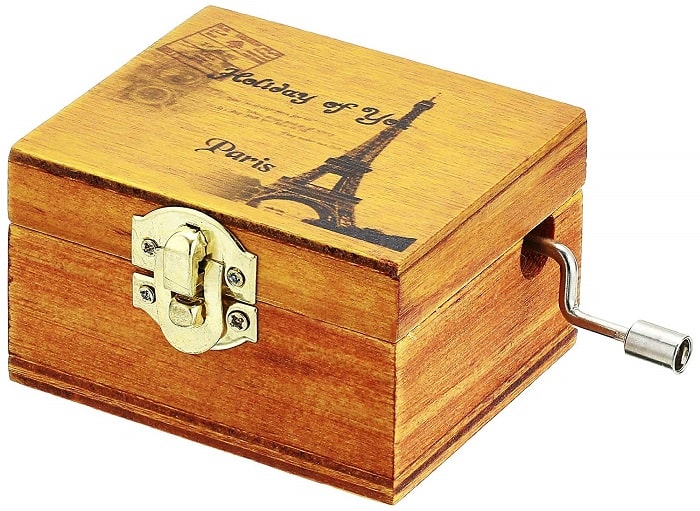
2. Diffemely Music Box with an Eiffel Tower Engraving
Gift something different this year. The hand-operated music box is made entirely of native wood. Boasting a retro design style, it can be used as a beautiful tabletop decoration. Turn the joystick to play a beautiful melody.
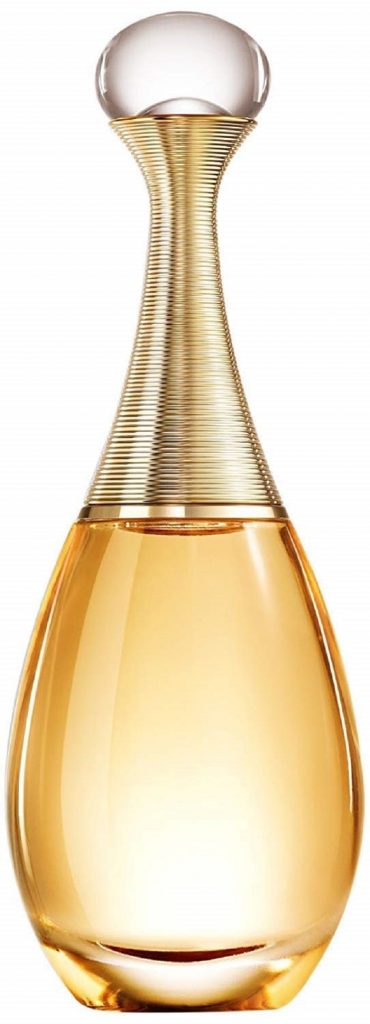
Discover J’adore, the iconic fragrance that embodies the ultimate expression of femininity. It blends a rare duo of Jasmine Grandiflorum from Grasse and Indian Sambac Jasmine with fruit and voluptuous sensuality.
Why not gift your loved one with these sought-after gemstones? A pair of earrings that can be worn with any outfit. The closures have been beautifully designed using French wire…
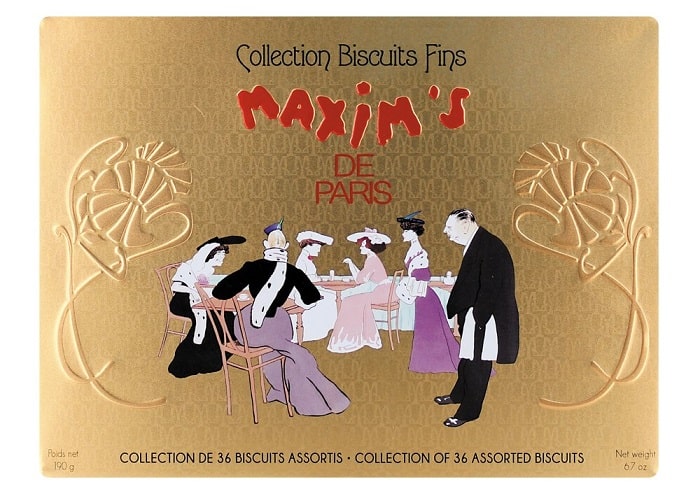
5. Maxim’s de Paris –Assorted French Fine Biscuits
Spoil your partner with this assortment of decadent French biscuits (36 delicious pieces). Filled with cinnamon, thin almond biscuits and more! Since 1893, Maxim’s de Paris has developed a line of fine gourmet products in order to seduce the most refined palates.
7. Christian Dior Homme Men’s 3.4-ounce Eau de Toilette Spray
“Wear Dior Homme the way you wear an elegantly sharp, modern suit.” – Dior. A smooth and intense fragrance made with noble ingredients, this is a quintessential Dior classic for men.
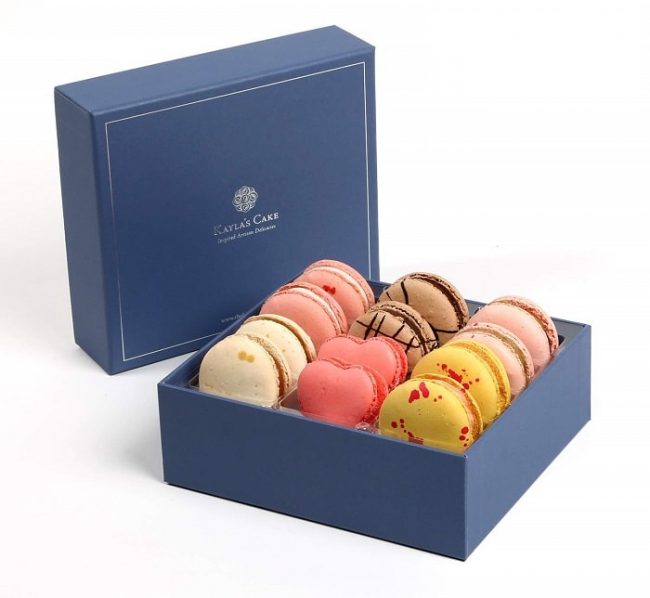
8. Kayla’s Cake – Premium Valentine’s French Macarons
An excellent gift idea for anyone searching for a delicious treat with a dozen, or more, dreamy flavours. Order with Kayla’s cake for a free personalised message to be included with your purchase.
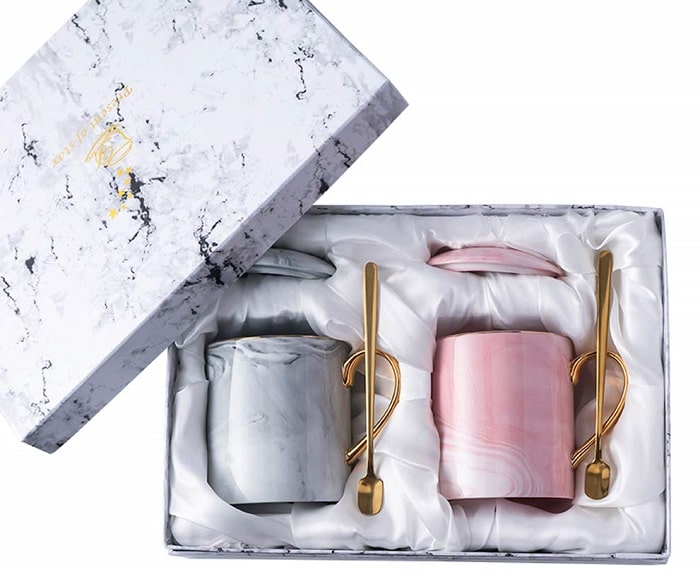
Packaged in a stylish silk-interior box, we love that you can gift it as it is… no wrapping needed. The ceramic texture is matched with an elegant marble finish plus it’s easy to clean. Nothing says “we’re a couple” more than this set.
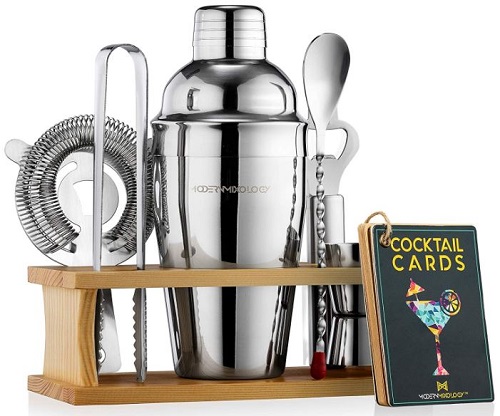
Become the ultimate cocktail master and serve up a tasty concoction with Mixology’s bartender kit. Whip up some classics or get inventive; it’s all in your hands.
From my lofty vantage point on the broad ramparts of Angers’s medieval fortress, the high points of this attractive city stand proud above the rooftops, an open invitation to explore.
Dominating the Old Town are the soaring twin towers of the cathedral and the bell tower of Saint-Aubin, whilst further out, I can clearly see the huge yellow balloon that marks the Terra Botanica theme park.
There’s plenty more to enjoy in Angers than medieval masonry, but by starting your tour at the castle you can enjoy two of the city’s highlights in one visit.
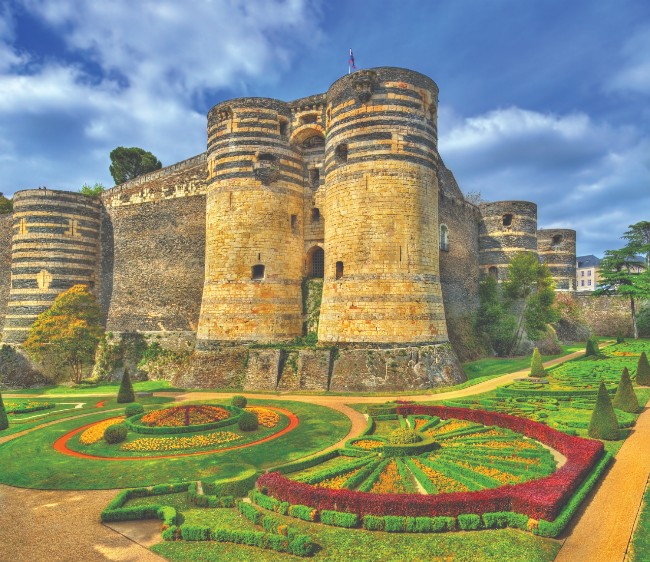
Angers castle. Photo: Shutterstock
Situated close to the confluence of the rivers Loire and Maine – where France’s longest river joins one of its shortest – Angers gave its name to the Anjou region, birthplace of England’s Plantagenet dynasty. The bigwigs here were first counts, then dukes, but never kings of France; although the last Duke, René of Anjou, held the titles of King of Naples and Sicily in the 15th century. When he died without an heir in 1480, Anjou was annexed to France by King Louis XI.
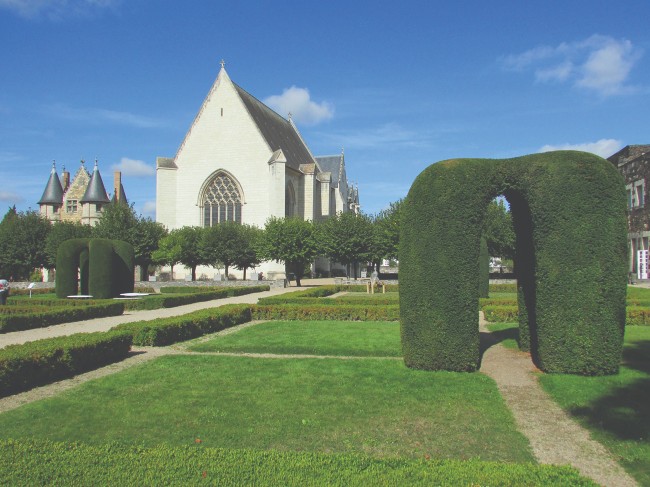
Castles rarely pack a more powerful punch than this one, which dominates the banks of the Maine with 17 towers set into ramparts nearly half a kilometre long. Built from local black schist, it is patterned with white tuffeau stone, familiar from châteaux further east along the Loire Valley. Visit the 15th-century Royal Residence, admire the Angevin vaulting in the castle chapel, and wander through the gardens, both inside the walls and in the moat. Then head up onto the parapet for that sweeping bird’s-eye view.
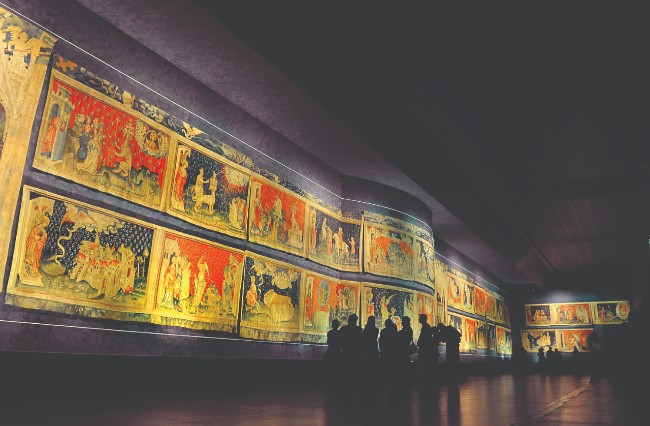
Angers Castle is also home to the vast Apocalypse Tapestry, the world’s largest medieval tapestry. Commissioned in 1375 by Louis I, Duke of Anjou and brother to King Charles V, it is made entirely of wool and depicts the prophetic visions of St John – the struggle between Good and Evil – as written in the Book of Revelations in 1AD.
The castle and tapestry are both accessible free to holders of an Angers City Pass (24, 48 or 72 hours, from €15), which can be bought from the Tourist Office opposite the château, but be aware that some attractions are closed on Mondays. While you’re there, pick up a map to the self-guided tourist trail through the Old Town and across the Maine; but don’t set off before popping into the nearby Anjou Wines to discover the local vintages – red, white, rosé and sparkling.
The formal gardens at Angers Castle. Photo: Gillian Thornton
For an atmospheric place to stay in the heart of the Old Town, book one of five rooms at L’Oisellerie, just behind the cathedral. This 16th-century timber-framed property has been beautifully restored by its passionate young owners. Look out for their ground-floor shop selling an array of local products. But do ask for a room on a lower floor if you don’t like stairs!
A CITY OF ART
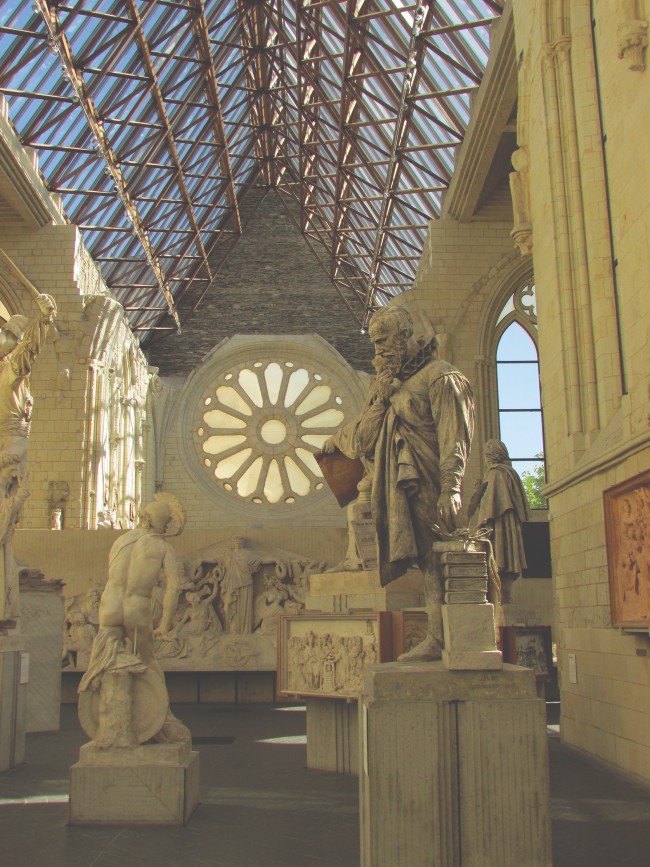
In the heart of the historic quarter is one my favourite museums in the whole of France, the Galerie David d’Angers, which showcases the work of Pierre-Jean David, who later adopted the name of the town where he had been born in 1788. The son of a wood carver and sculptor, David studied drawing locally before heading to Paris where his fame quickly grew. From 1811 onwards, he regularly sent his studio casts and other works to Angers, as a thank you for the financial support he had received. Further works were donated by David’s family on his death in 1856, and today many of them are displayed in the stunning surroundings of the ruined abbey church. Expect casts of monumental sculptures from public commissions, busts of 19th-century movers and shakers and miniature portraits in medallion format, as well as the plaster model for the pediment of the Panthéon in Paris.
Galerie David d’Angers. Photo: Gillian Thornton
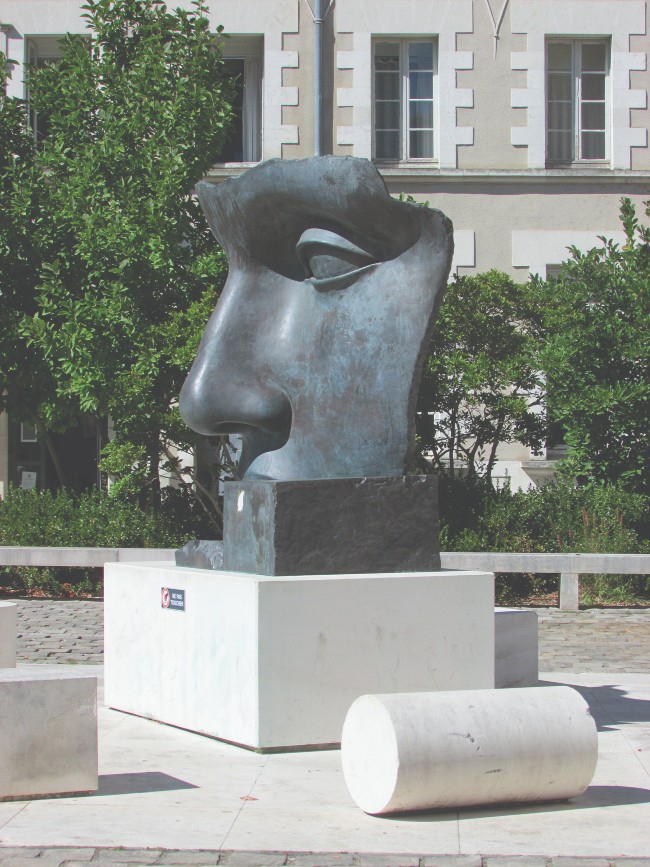
Across the public gardens, there’s more art to be found in the Musée des Beaux-Arts. The museum is housed in the historic Logis Barrault, which was built in the late 15th century for Olivier Barrault, aide to the King and twice mayor of Angers. Highlights include works by artists such as Fragonard, Watteau, Ingres and Jongkind.
Sculpture outside the Musée des Beaux-Arts. Photo: Gillian Thornton
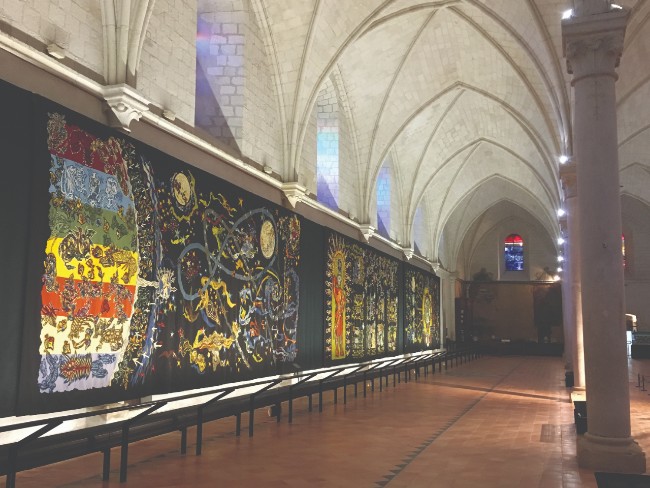
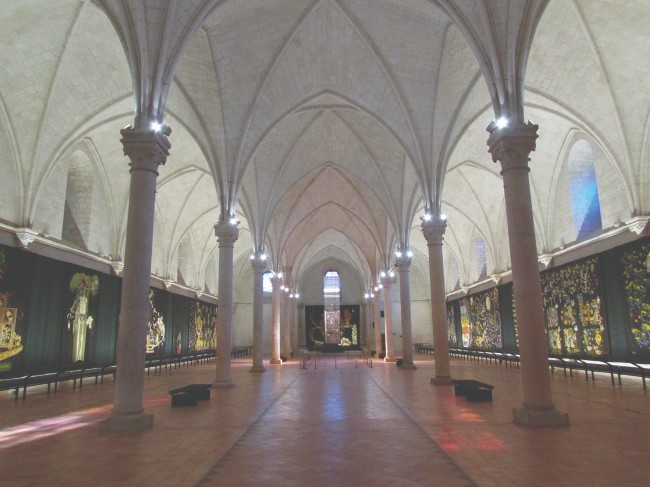
Then continue your cultural tour by crossing the Maine to the Doutre district – the name of which comes from outre, or beyond – for more artistic surprises at St John’s Hospital. Inside this masterpiece of Plantagenet Gothic architecture, the Musée Jean Lurçat now fills the vaulted space that was once the Great Hall of the Sick. Leader of the French tapestry-making revival, Lurçat’s monumental work, Le Chant du Monde, portrays his vision of the world – destruction and chaos in the first four tapestries; hope and joy in the following six. Prepare to be amazed.
Terra Botanica is a truly unique attraction. Photo: Gillian Thornton
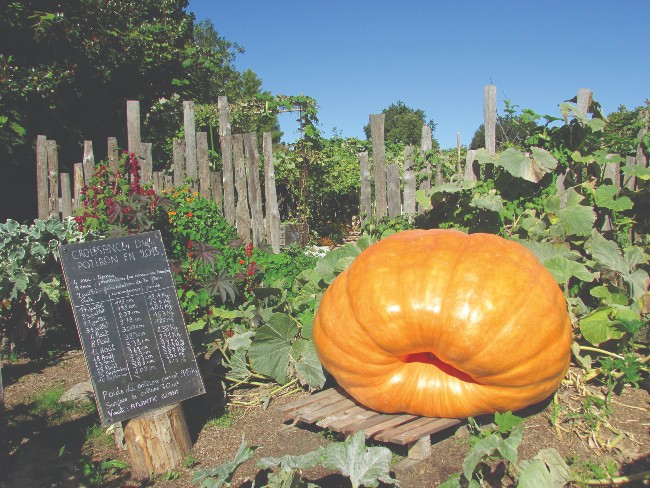
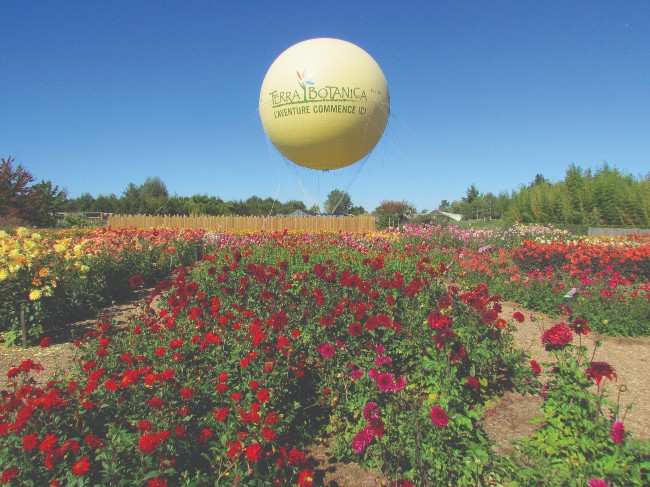
Just 10 minutes by car from the town centre, Terra Botanica is Europe’s only theme park dedicated to plants. Anjou is a big horticultural region, and Angers will host the four-yearly World Horticultural Congress in 2022. I wasn’t sure what to expect at Terra Botanica, but came away thinking you need several hours to do justice to this unique attraction. With its various climate zones, tropical greenhouses and family activities, there really is something here for everyone. Watch a 3D cinema show, take a serene boat ride, and walk through a butterfly house. You can even soar 150 metres up in a tethered balloon to look down on the colourful gardens, the lakes and the glasshouses.
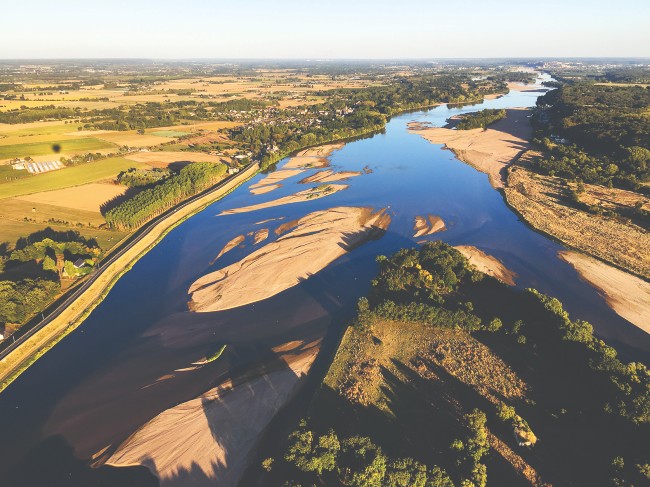
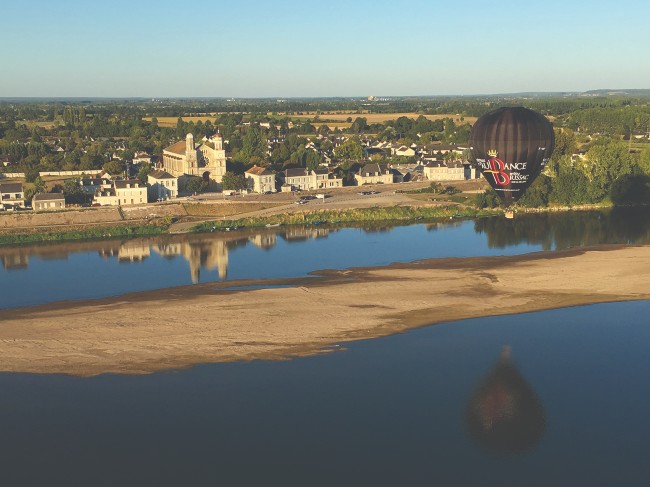
But on my last evening, I went one better – well, a few hundred feet better – with a balloon flight over the Loire with Montgolfières d’Anjou from their base at Gennes. There can be few more serene experiences than floating above the bustle of everyday life, waving at mini-people below, and watching the shadows lengthen as evening falls, and then touching down as the sun slips below the horizon, stowing the balloon, and celebrating at the field edge with a glass of sparkling Anjou. A magical finale to anyone’s city stay.
Loire east of Angers as seen from a hot-air balloon. Photo: Gillian Thornton ANGERS ESSENTIALS
GETTING THERE
BY CAR: Travel from Portsmouth with Brittany Ferries to Caen-Ouistreham (162 miles) or Saint-Malo (125 miles).
BY TRAIN: Angers is 90 minutes from Paris by TGV.
WHERE TO STAY AND EAT: Gillian stayed at L’Oisellerie guesthouse and enjoyed meals at La Réserve, the rooftop restaurant of Théâtre Le Quai, opposite the castle, and the friendly Bistrot des Ducs, 6 rue des deux haies.
5 MUST-DO EXPERIENCES IN ANGERS
With a wealth of historic architecture, art galleries, gardens and museums, it can be hard to know where to start in Angers. To cut down on dithering time, kick-start your visit by checking out our top five attractions:
CASTLE AND APOCALYPSE TAPESTRY
The whole rampart walk is now accessible, offering great views over the castle precincts, Old Town and riverbanks. The Monument Café in the castle grounds serves delicious savoury and sweet dishes in verrines (small glass pots). Eat inside the Governor’s lodging or in the garden.
Le Chant du Monde contemporary tapestry. Photo: Gillian Thornton
GALERIE DAVID D’ANGERS
This enchanting small gallery is stuffed to the rafters with sculptures, busts and friezes of all sizes, as well as studio casts and drawings, all housed in a magnificent 13th-century ‘ruined’ abbey church with a glass roof which illuminates the exhibits to maximum effect.
Stunning contemporary tapestries by Jean Lurçat are displayed at the former St John’s Hospital, founded around 1180 under the instigation of Henry II of England. Check out the tranquil garden, pharmaceutical jars, and the remains of a 17th-century cloister.
Terra Botanica, the dahlia collection. Photo: Gillian Thornton
Opened in 2010,Terra Botanica is Europe’s only theme park dedicated to plants. With a mix of beautiful gardens and greenhouses, fun activities and educational elements, discover the world through its 275,000 species and exceptional collections of orchids, roses, palm trees and more.
For an unforgettable special treat, head out of town to enjoy a serene flight over the Anjou countryside with Montgolfières d’Anjou. Prices are: Monday to Friday evenings, €200 per person; weekend or public holiday evenings, €230; sunrise, €380. From France Today magazine
Hot-air balloon over the Loire. Photo: Gillian Thornton
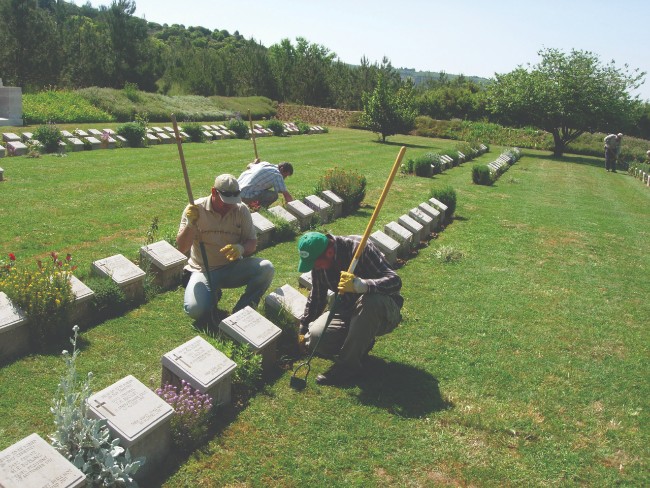
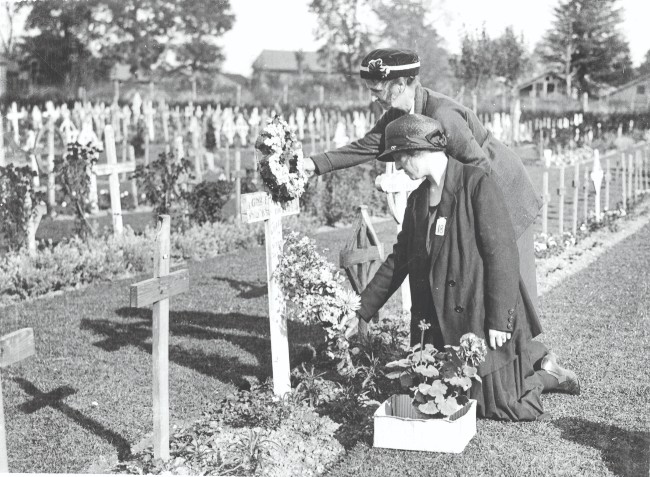
The Commonwealth War Graves Commission has been toiling tirelessly in the shadows since the First World War. At long last, its incredible restoration work is being thrust into the spotlight at a new visitor centre. Jon Palmer heads to Beaurains to meet the unsung heroes on a mission to honour the memory of 1.7 million casualties of war
Shortly before the Commonwealth War Graves Commission was due to open its new visitor centre at its workshop outside Arras, they found another body. Work had been going on, as it does, fixing the perimeter fence at one of the many graveyards in the region, when the workers inadvertently unearthed the body of another fallen soldier, just outside the cemetery boundary. On this occasion, the CWGC was presented with a fairly straightforward task: the body had to be identified and then simply moved inside the fence; job done.
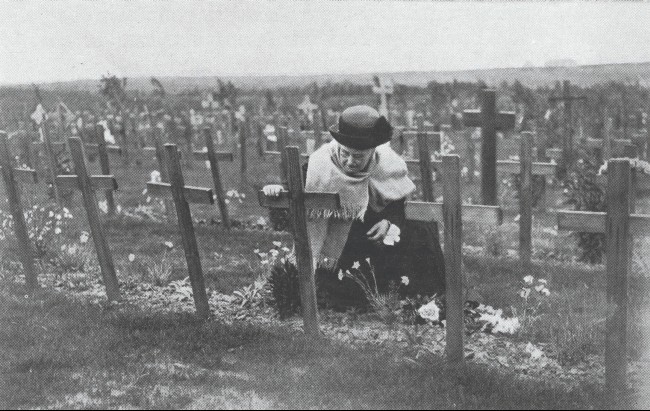
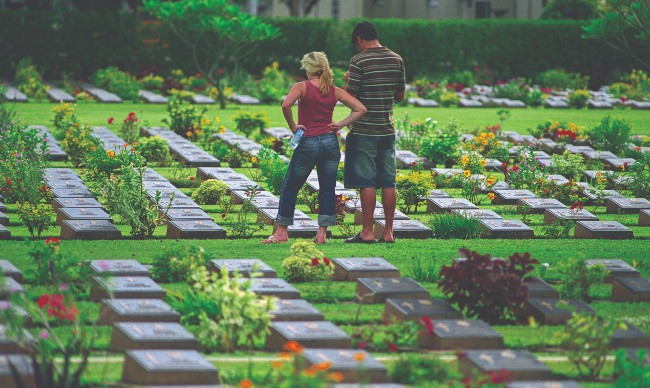
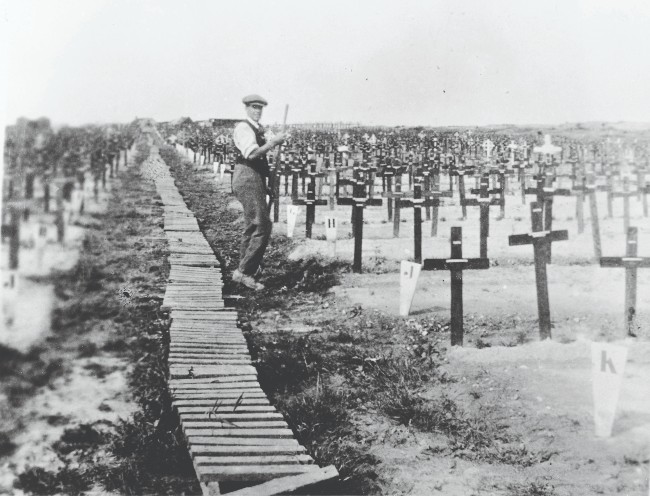
There are, as you know, a lot of dead bodies around here. You can’t travel very far around this part of northern France without finding a corner of a field that will be forever England. Or Canada, or Australia… Or Germany. In places there seems to be a graveyard around every corner. They’re not small ones either. And this is just the people they’ve found. When you go and visit the CWGC they’ll have new stories of new discoveries – and they’ll tell you that although they are finding fewer bodies these days, that’s just because time and mud have buried them deeper, not because their work is nearly done. They are still finding about 40 a year, but even at that rate, they have calculated that it would take another 4,300 years of unbroken work before they could close the CWGC centre and congratulate themselves on a job completed.
SLEUTHING WORK
And every single time they discover a body, some considerable sleuthing work has to be done. Just because the soldier was wearing that helmet when he died doesn’t mean that he belonged to that regiment, or even that army: men traded equipment all the time, or found on a dead man a better helmet than the one they were wearing… (German helmets were best.)
Not every Commonwealth soldier who was killed in the two World Wars died in France. Many did, but the CWGC’s remit is global. The organisation might have to go to Fiji, or wherever, and gently explain that actually they’re going to have to remove that headstone and dig up that grave, because there seems to have been a mistake. CWGC’s responsibility is to ensure that no soldier is forgotten. And all that work ends up here, in the CWGC centre in Beaurains, near Arras.
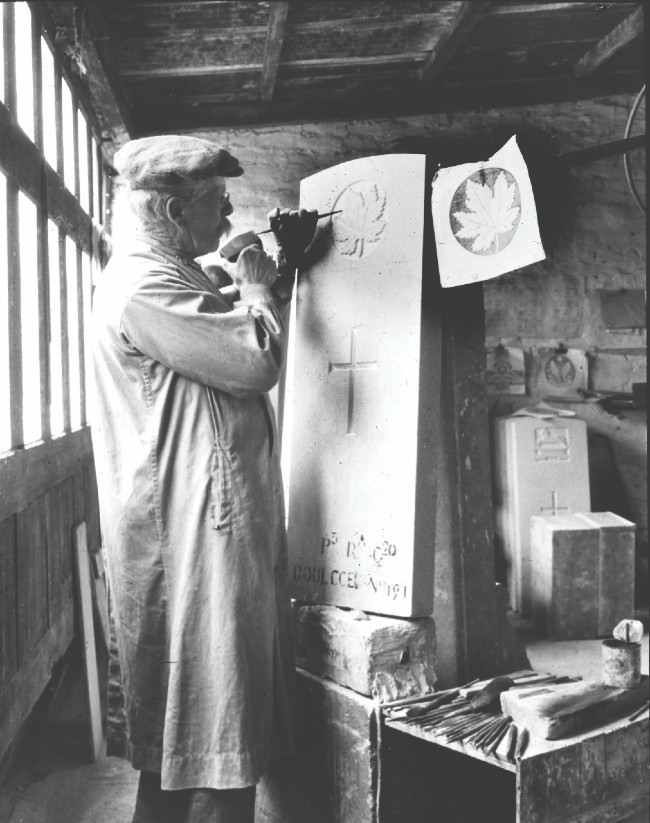
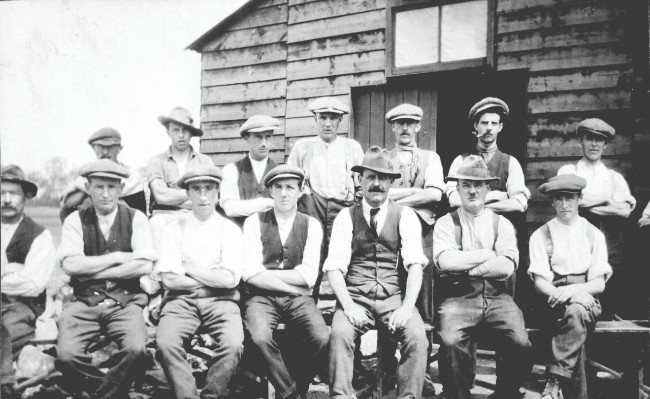
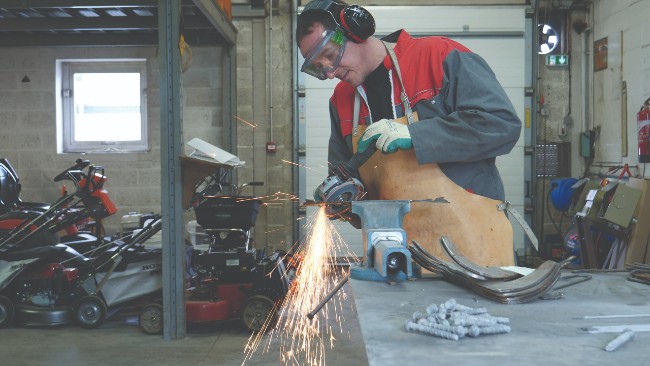
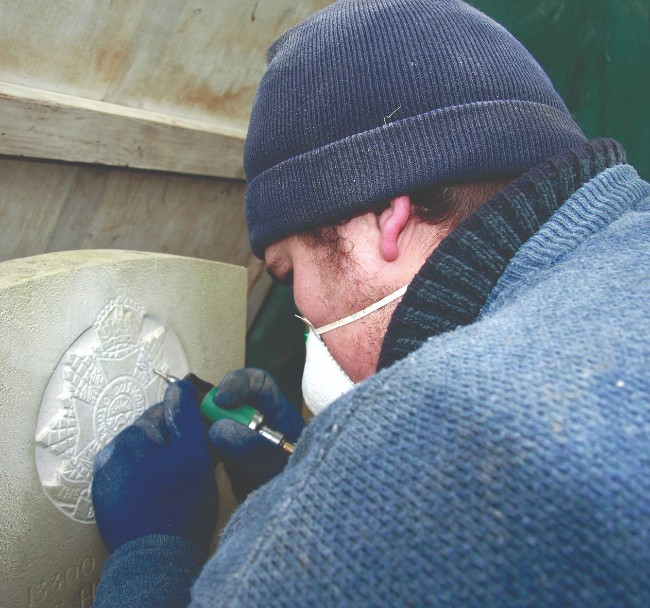
The Commission’s headquarters are in Maidenhead, and that’s where the paperwork is done (and redone) but all the actual work – cutting the headstones, engraving the headstones, making the gates and fences for all the Commonwealth war graves, not just in northern France but all over the world – it all happens here.
A PLACE LIKE NO OTHER
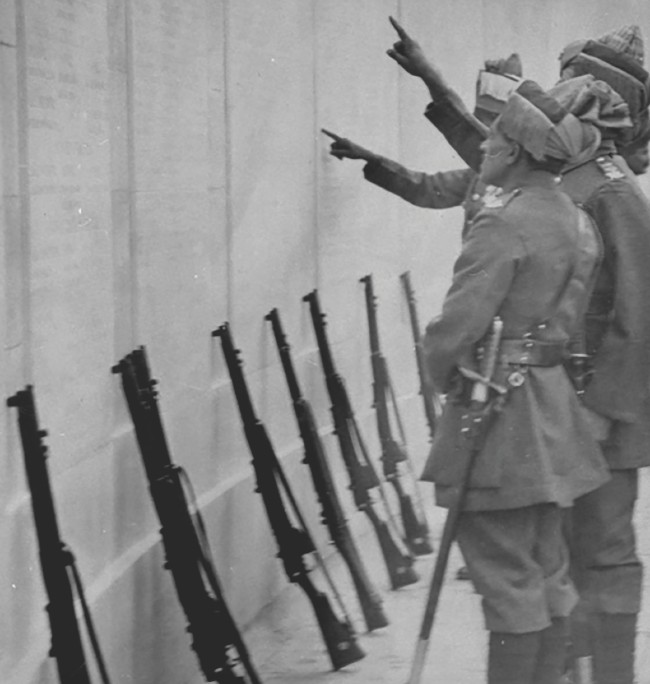
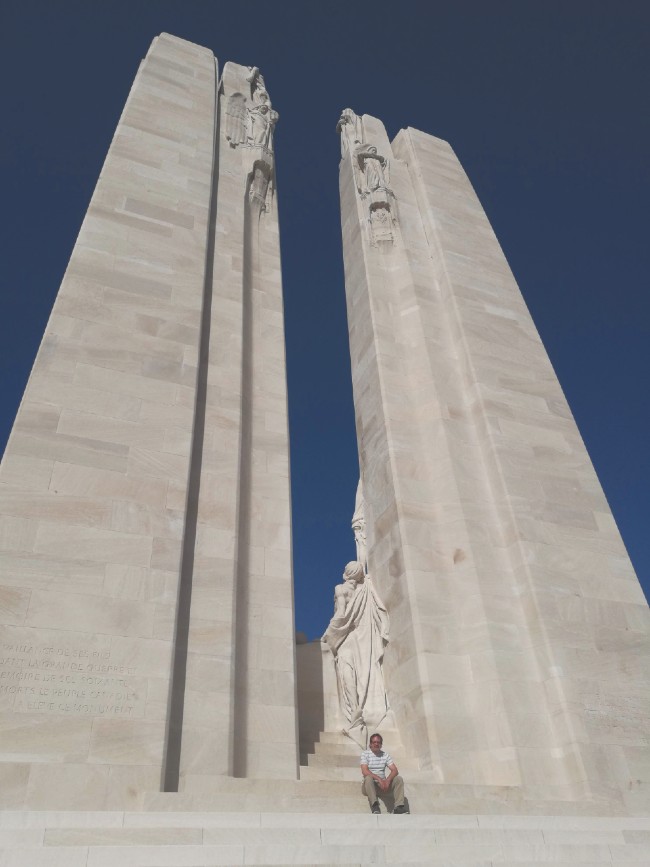
While you’re in Pas-de-Calais, you’ll probably visit (among other places) Vimy Ridge, the Canadian memorial famous the world over for its glimmering white stone. This was recently renovated; it got fixed up and cleaned quite extensively – they even had to reopen the quarry in Croatia where the stone had come from to get some more to do the job. And who did all that? The CWGC.
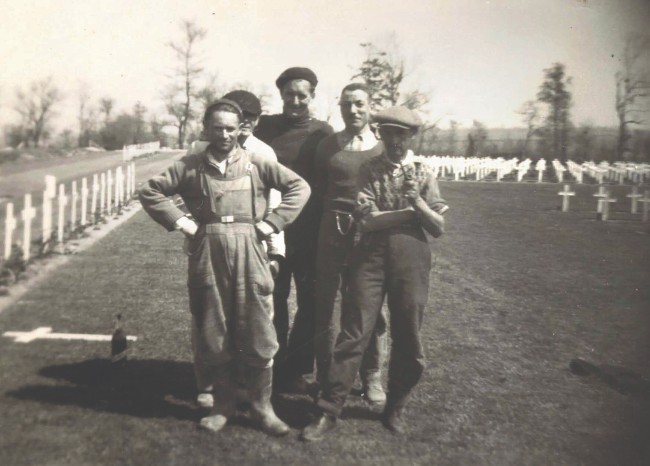
You can see the gardening tools being cleaned and repaired for service in the graveyards here; the commemoration text being engraved on a headstone bound for some distant land where there lies the body of someone you would otherwise never have heard of. It’s a place like no other. You visit lots of workshops around France and see many interesting things being made, but you’ll never visit one quite like this.
AIMS AND OBJECTIVES
The Commonwealth War Graves Commission honours the 1.7 million men and women of the Commonwealth forces who died in the First and Second World Wars. Its work includes building and maintaining Commonwealth cemeteries and memorials at 23,000 locations in more than 150 countries and territories, and also preserving and updating its extensive records and archives. It is funded by the governments of the Commonwealth nations and by donations.
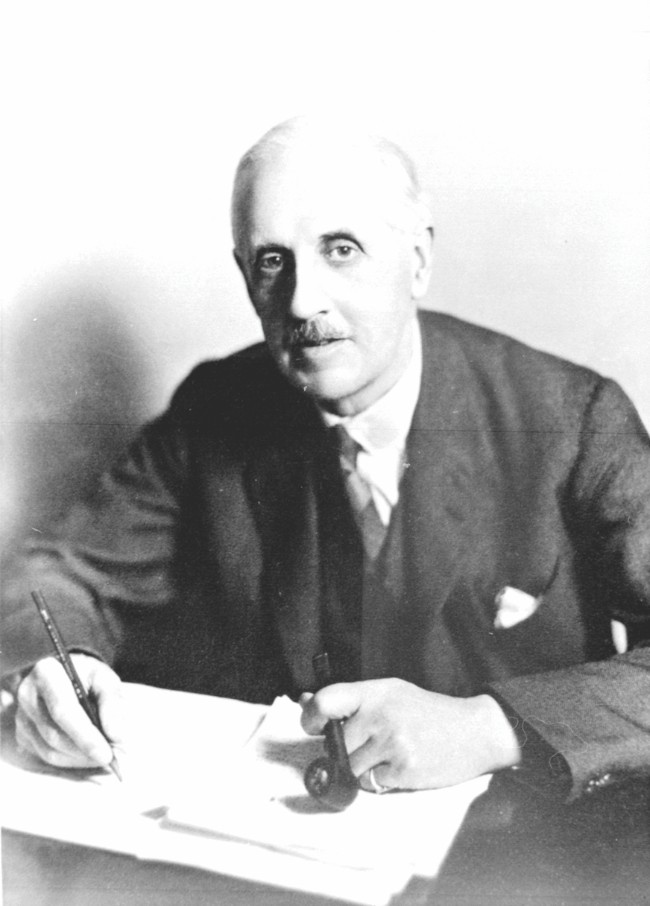
It began as the brainchild of one man, Sir Fabian Ware, who joined the Red Cross during the First World War and became determined to ensure that those who had died would not be forgotten. His work was officially recognised in 1915 as the Graves Registration Commission, and in May 1917 the Imperial War Graves Commission was established by Royal Charter.
Sir Fabian Ware
By 1918 some 587,000 graves had been identified and a further 559,000 unknown casualties had been registered. The architects Sir Edwin Lutyens, Sir Herbert Baker and Sir Reginald Blomfield started designing and constructing the cemeteries and memorials, while Rudyard Kipling was tasked as literary advisor to recommend inscriptions.
THE PRINCIPLES OF THE CWGC ARE THAT:
-Each of the dead should be commemorated by name on the headstone or memorial -Headstones and memorials should be permanent -Headstones should be uniform -There should be no distinction made on account of military rank, race or creed
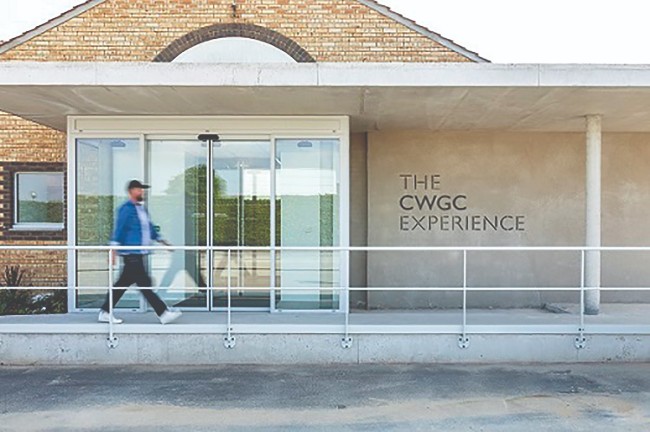
The CWGC Experience
THE CWGC EXPERIENCE
The CWGC Experience visitor centre is open from Monday to Friday, 10am-4pm. It is closed on French public holidays and at weekends, and it will also be closed during December and January for maintenance. Advance booking is only required for larger groups. This is, of course, still actually a place of work, so there wouldn’t be much point in coming here on Saturday or Sunday. But it is also a place of public service, so during the week, when it is open, parking is free and so is admission, though you are gently invited to make a cash donation as you enter the workshop area to begin your tour – or you could buy something at the gift shop.
From the car park, it just looks like a large workshop with a nice new building attached to the front, which of course it is, but as the automatic glass doors open you catch your first glimpse of the work they have done to convert this atelier into a visitor centre.
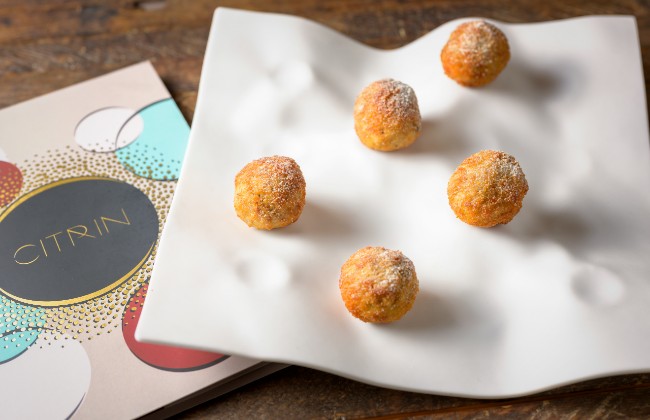
Having had the pleasure of experiencing 2-star Michelin chef Josiah Citrin’s acclaimed fine dining restaurant Mélisse in Santa Monica, I (along with many Los Angelenos) salivated for the reopening of the new Mélisse and Citrin restaurants, showcasing two different culinary concepts beneath one roof. Closing the iconic Mélisse last March after two decades of service, Chef Citrin recently debuted the transformed Mélisse, now an intimate five-table restaurant that only serves a special tasting menu, and the brand new Citrin, a 99-seat casual bistro serving “progressive California cuisine”.
courtesy of Citrin
Chef Citrin’s culinary philosophy and cookbook, In Pursuit of Excellence, sets the standard for all his cuisine whether haute level fine dining or casual. Trained in France and of French heritage, Citrin describes his style as “Contemporary American with French influences”, pairing classical French techniques as the foundation from which he creates new flavours with carefully sourced farm-to-table produce. Although his cooking philosophy– “the best tasting food can always be traced to its roots”– may seem deceptively simple, the inspired creations that he shapes, seasons, prepares and plates as art to the eye and palate, are definitely not.
courtesy of Citrin
Reflecting the more casual approach of the Los Angeles fine dining scene, Chef Citrin and Chef/Partner Ken Takayama reimagined the Michelin two-starred Mélisse sans tablecloths, with a more personal, intimate approach to service. This décontracté experience begins as guests enter the dining room by ringing the doorbell and entering through the familiar Mélisse red door. Much like being invited to an intimate dinner party, the chefs and sommeliers, doubling as servers, lead diners through their culinary voyage.
courtesy of Citrin
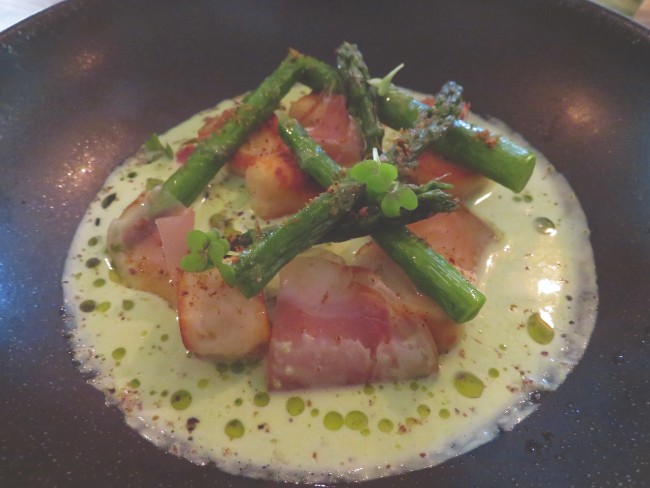
Using flavours from around the world, each dish showcases contrasting textures and styles. The nine-course seasonal tasting menu ($295) may offer Wagyu Beef Tartare, Hokkaido Scallop with Tokyo Negi, King Crab Tartlets with Hazelnut, and Caviar served with Buttermilk Mousse, to name a few choices. Guests may opt for a wine-pairing or a non-alcoholic pairing that features kombucha and infusions.
courtesy of Citrin
Citrin, which occupies the majority of the transformed space, offers an upscale, inviting and more casual bistro experience. Soft lighting, muted tones, and a separate 22-seat well-appointed bar enhance the modern cool vibe.
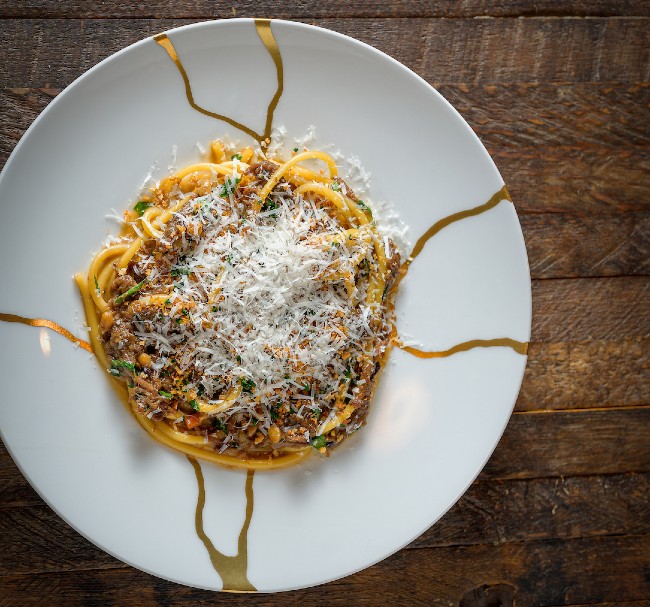
Signature classic dishes of Mélisse such as Egg with Caviar and Lobster Bolognese remain. The à la carte menu offers starters such as Basil Brioche and the Salade Mélisse, a palate-pleasing mélange of bright and acidic flavours enhanced by a Truffle Vinaigrette. Seasonal ingredients shine in dishes such as the Truffle Pasta with housemade tagliatelle, truffle foam and white truffles or the Wild Japanese Yellowtail with radish, grapefruit and nori.
courtesy of Citrin
Ever “in pursuit of excellence”, the results of this passion are visible on every plate. With a focus on gaining more Michelin stars for Mélisse and Citrin, the journey continues.
Mélisse/Citrin, 1104 Wilshire Blvd., Santa Monica, California Tel: 310.395.0881
Mélisse is open Tuesday – Saturday Two seatings nightly at 5:30 and 8:30pm
Cucuron is one of my favourite villages in Provence, because it’s very sophisticated without having lost any of its unselfconscious charm and rusticity.
I’ve also had the pleasure of enjoying many excellent meals at La Petite Maison (place de l’Étang, 84160 Cucuron. Tel. +33 (0)4 90 68 21 99) through the years – the gigot de sept heures (leg of lamb braised for seven hours) served with white beans and haricots verts au pistou is one of the best dishes to eat anywhere in France outside Paris.
But, as prices have crept higher at La Petite Maison, I’ve been going less often, and I was also intrigued recently when a friend who happens to live just a couple of kilometres outside town tipped me off to this simple, contemporary bistro run by talented young chef Matthieu Charrier, who attended the esteemed École Ferrandi in Paris before deciding to strike out on his own.
Matcha restaurant
Charrier scrupulously follows the seasons and sources his menu from local producers as much as possible, which means his inspired cuisine du marché is fresh, flavourful, vivid and intelligently inventive. Stopping by recently, we started with onions stuffed with mushrooms, then whiting with sweet potato fries and yoghurt sauce, and a poached pear with caramel for dessert.
The pretty and comfortable, sunlit dining room was the perfect setting for this remarkably good value meal (€22 at lunch for three courses), and service was charming and alert. They also offer an excellent selection of local wines by the glass.
Ski season is in full swing, and so for those heading off to the slopes, here is our pick of where to stay, eat, drink and shop in one of France’s chicest ski resorts, Megève.
Whilst many of Megève’s more affluent addresses can actually be found slightly out of town, M de Megève offers guests five-star luxury right in the heart of the village. Its contemporary chalet style feels fresh, modern, but oh-so-cosy, with a roaring fire in the lounge, fluffy throws in the bar, and every room accessorized with soft woolen blankets and cushions. Guests can also enjoy two fantastic restaurants, cocktails in the bar, or if you prefer, try the new génépi tasting menu (the herb-infused local liqueur), and an underground spa which is just the tonic after a day on the slopes, with a swimming pool, a huge Jacuzzi, sauna, steam room, and an exotic treatment menu which is perfect for warming up in winter.
If you want to get out of the village centre, then Le Chalet Zannier fulfills all your dreams of a cosy chalet hideaway. Nestled on a sloping snow-covered hill, this intimate hotel (which has just 12 rooms) offers a peaceful retreat from the buzz of the village, where days can be spent lounging by your own crackling fire, being pampered in the low-lit underground spa, or enjoying a complimentary tea-time in the bar with hot chocolate and cakes freshly prepared by the chalet’s pastry chef. If you don’t feel like heading out into the cold you can even stay for dinner; the hotel’s restaurant La Ferme de Mon Père is hugely popular with locals and non-guests thanks to its simple, seasonal dishes prepared with the best French produce.
Whilst this may look like a spot for people watching and posing, and you’d be right in both cases, the food here is actually good. It also offers a well-balanced mix of Savoie classics; think tartiflette, raclette and plates of local cheese. There are also some slightly lighter, more international dishes, salads, burgers, and so on, if you’ve had your fill of French fromage.
For a lighter, and cheaper bite to eat (Megève is notoriously expensive), you can’t go wrong at the quaint and cosy crêperie, Chez Olivia. Sweet crêpes and savoury galettes (the buckwheat pancakes traditionally from Brittany) start at just €4, depending on how many toppings you go for. Pop in for a tasty lunch or an afternoon crêpe for a goûter (the French equivalent of afternoon tea-time).
Even if you’re not staying at Hotel M de Megève, you should definitely dine at one of its two restaurants, perhaps after an apéro at the bar first. Les Grands Crus de Fondues will not only give you your fondue fix whilst in the mountains, but you can also choose your own combination of cheeses to personalize your food to your taste. If you’re not sure where to start then resident fromager Thomas Lecomte will help you compose your perfect fondue, and choose a unique assortment of side dishes including pineapple, raspberry, kiwi, and if you’re feeling adventurous, even snails. My French dining partner declared it “the best fondue I have ever had.”
Whilst many gastronomes set their sights on dining at Flocons de Sel, Emmanuel Renaut’s famed three-star establishment located around a ten-minute drive from Megève, you can sample the chef’s fantastic cuisine in the more relaxed and central setting of his bistro, Flocons Village. You’ll have to make a reservation as it’s unsurprisingly a hugely popular spot, offering guests the chance to experience a taste of Renaut’s style (and desserts by Flocons de Sel’s pastry chef Aurélie Collomb-Clerc ) for just €41 for a three-course menu, or €34 for two.
Edouard Loubet’s “Filet de Boeuf en Croute” at Le M de Megève
If you’re looking to sample another famous chef’s cuisine, then foodies should head to Le M restaurant where two-Michelin star chef Edouard Loubet has designed this season’s menu. Expect French classics, including the most beautifully cooked magret de canard, as well as some local dishes such as crozets, a buckwheat pasta from Savoie. The dessert menu is a hard-to-choose-from selection of Loubert’s own comfortingly classic recipes, from a traditional but elegantly presented tarte tatin to a wonderfully creamy pistachio crème brûlée, which has been given a fun and naughty twist with the addition of a bitter chocolate doughnut.
Edouard Loubert’s “Volaille Fermière de Grand Mère & Parmentier de Rave du Pauvre” at Le M de Megève
A mug of steaming hot chocolate is one of the most delicious ways to warm up in the mountains, and arguably nobody does it better than Parisian master chocolatier Jean-Paul Hévin. Thanks to the new Grand Hôtel du Soleil d’or, which has recently opened with its very own La Chocolaterie, you can now enjoy cups of Hévin’s delectable hot chocolate freshly whisked behind the bar, and accompanied by a tempting selection of homemade cakes.
La Chocolaterie at Grand Hôtel du Soleil d’or
DRINK
Along with the Bistrot de Megève, which is also a great spot for a drink if you manage to snag a table on the heated terrace, Le Hibou Blanc is another of the village hotspots to see and be seen thanks to its central location in the heart of the action. Enjoy a glass of wine come apéro time, or stay long in to the night enjoying its cocktail creations and snacking on sharing dishes such as charcuterie boards, foie gras, and oysters.
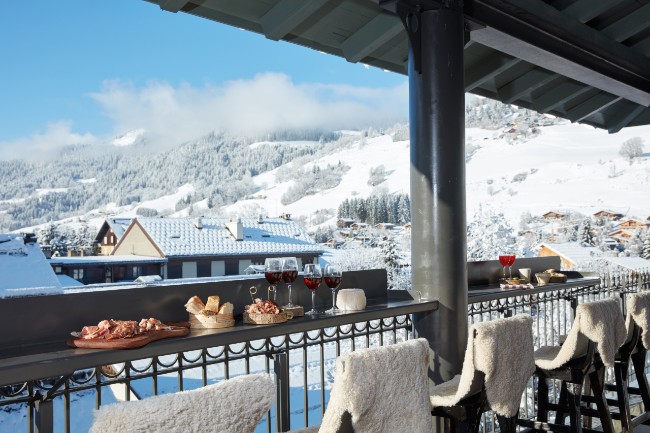
While the Grand Hôtel du Soleil d’or will tempt you by day with hot chocolate and cakes, by night it will draw you to to enjoy its rooftop bar, the only one in Megève, with its craft cocktails and dressed up chalet décor; think ultra-luxe sheepskin pillows and an impressive glittering chandelier. It’s definitely got more of a party vibe than some of the other bars in town, so head here if you’re in the mood for some late night revelry, or alternatively start your evening here whilst it’s still light to take in the impressive panoramic views of Megève with a drink in hand.
The bar at the Grand Hôtel du Soleil d’or
SHOP
With the likes of Hermès, Eric Bompard, Fusalp and Rossignol, you could just as easily spend your days shopping as you could on the slopes. But as well as being a hotspot for designer labels, Megève is also, and perhaps more interestingly, the perfect spot to sample some of the region’s most famous cuisine in one of its many gourmet épiceries.
L’Épicerie is an excellent spot to know about for picking up local products from the Savoie region, from honey, to cheese, to wine and locally brewed beer, and especially if you pop in on a Saturday when you might be lucky enough to catch a wine or cheese tasting going on. The family-run Épicerie des Fermes also has a great selection of local products (including huge pots of homemade desserts in the fridge) but also a choice of products from around Europe, which are particularly useful if you’re cooking something up in a rented apartment.
Épicerie Noémie is the newest gourmet spot in Megève, stocking products from Edmond de Rothschild Heritage, particularly charcuterie, wine, and huge wheels of truffle-laced cheese. And for something sweeter, it’s hard to walk past La Boutique aux Chocolats Megève and not go inside to pick up a box of chocolates completely handmade by owners Françoise Legon and Caroline Vouillon, whose grandfather founded the shop back in 1962.
M de Megève horse carriage. Photo: @ Karin Creuzet