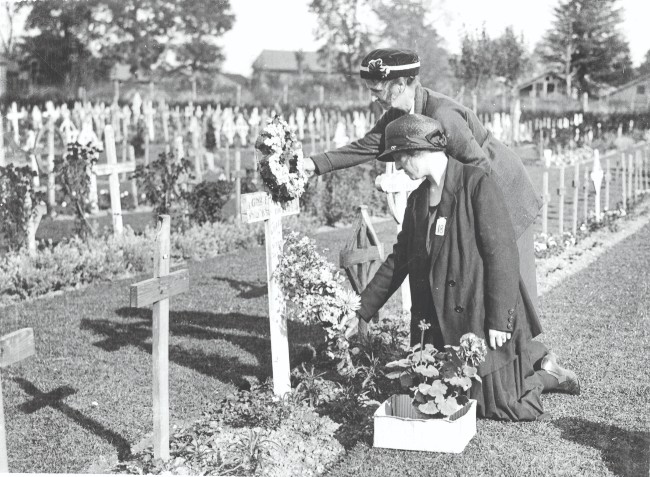
The Commonwealth War Graves Commission has been toiling tirelessly in the shadows since the First World War. At long last, its incredible restoration work is being thrust into the spotlight at a new visitor centre. Jon Palmer heads to Beaurains to meet the unsung heroes on a mission to honour the memory of 1.7 million casualties of war
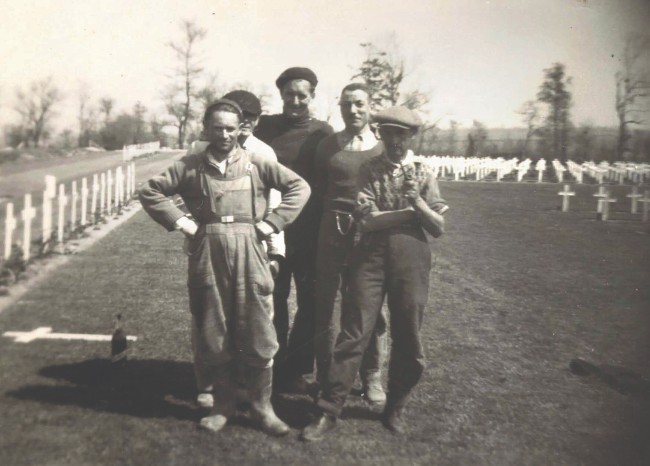
Shortly before the Commonwealth War Graves Commission was due to open its new visitor centre at its workshop outside Arras, they found another body. Work had been going on, as it does, fixing the perimeter fence at one of the many graveyards in the region, when the workers inadvertently unearthed the body of another fallen soldier, just outside the cemetery boundary. On this occasion, the CWGC was presented with a fairly straightforward task: the body had to be identified and then simply moved inside the fence; job done.
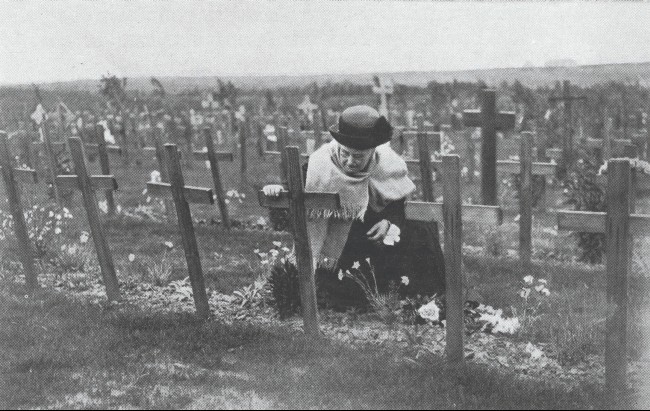
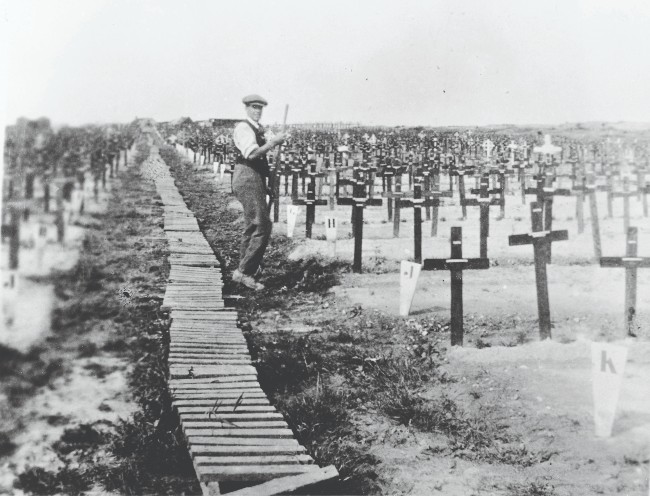
There are, as you know, a lot of dead bodies around here. You can’t travel very far around this part of northern France without finding a corner of a field that will be forever England. Or Canada, or Australia… Or Germany. In places there seems to be a graveyard around every corner. They’re not small ones either. And this is just the people they’ve found. When you go and visit the CWGC they’ll have new stories of new discoveries – and they’ll tell you that although they are finding fewer bodies these days, that’s just because time and mud have buried them deeper, not because their work is nearly done. They are still finding about 40 a year, but even at that rate, they have calculated that it would take another 4,300 years of unbroken work before they could close the CWGC centre and congratulate themselves on a job completed.
SLEUTHING WORK
And every single time they discover a body, some considerable sleuthing work has to be done. Just because the soldier was wearing that helmet when he died doesn’t mean that he belonged to that regiment, or even that army: men traded equipment all the time, or found on a dead man a better helmet than the one they were wearing… (German helmets were best.)
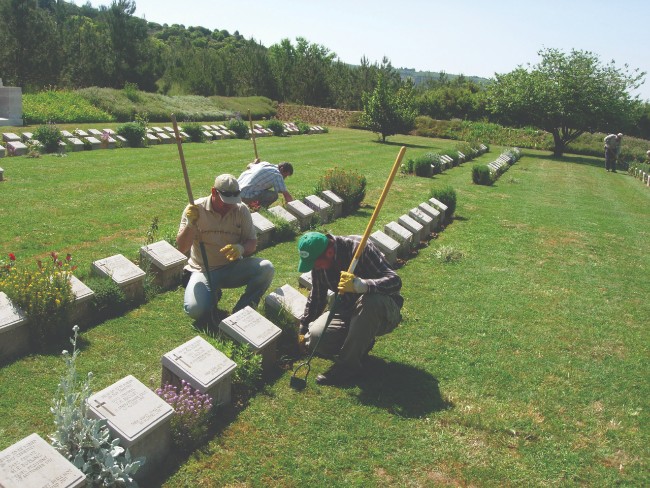
Not every Commonwealth soldier who was killed in the two World Wars died in France. Many did, but the CWGC’s remit is global. The organisation might have to go to Fiji, or wherever, and gently explain that actually they’re going to have to remove that headstone and dig up that grave, because there seems to have been a mistake. CWGC’s responsibility is to ensure that no soldier is forgotten. And all that work ends up here, in the CWGC centre in Beaurains, near Arras.
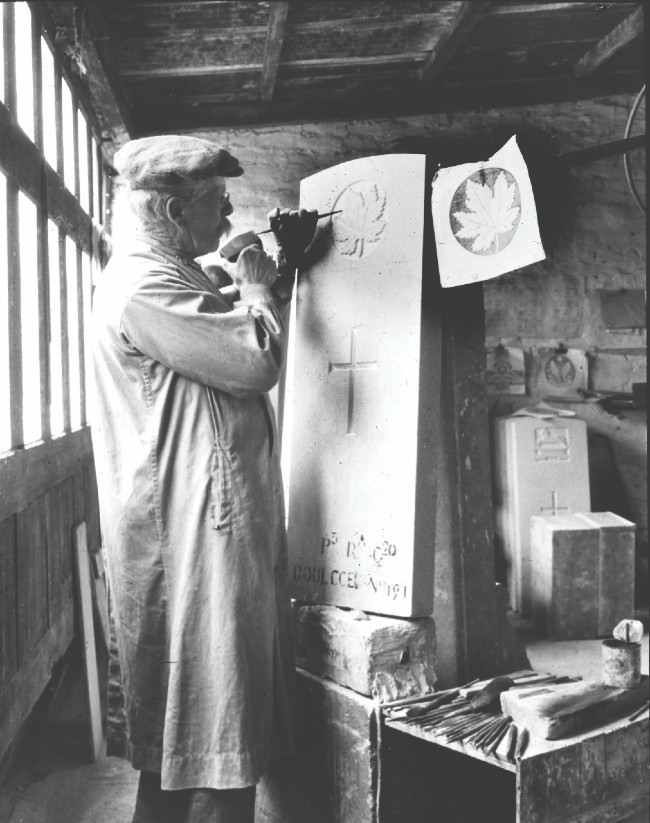
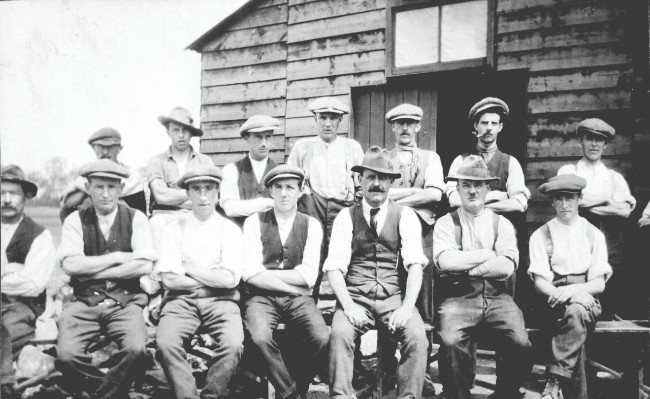
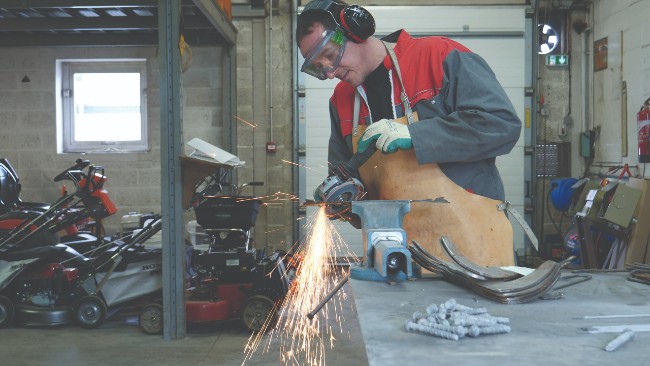
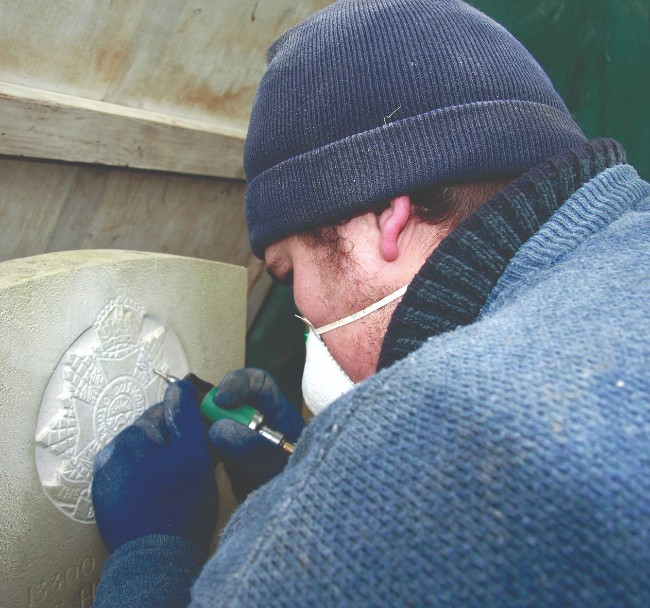
The Commission’s headquarters are in Maidenhead, and that’s where the paperwork is done (and redone) but all the actual work – cutting the headstones, engraving the headstones, making the gates and fences for all the Commonwealth war graves, not just in northern France but all over the world – it all happens here.
A PLACE LIKE NO OTHER
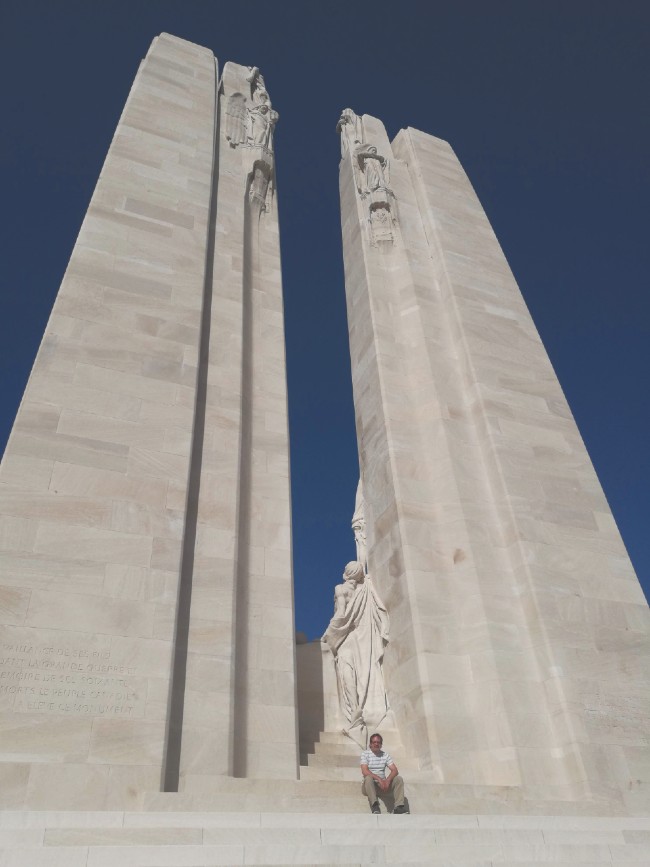
While you’re in Pas-de-Calais, you’ll probably visit (among other places) Vimy Ridge, the Canadian memorial famous the world over for its glimmering white stone. This was recently renovated; it got fixed up and cleaned quite extensively – they even had to reopen the quarry in Croatia where the stone had come from to get some more to do the job. And who did all that? The CWGC.
You can see the gardening tools being cleaned and repaired for service in the graveyards here; the commemoration text being engraved on a headstone bound for some distant land where there lies the body of someone you would otherwise never have heard of. It’s a place like no other. You visit lots of workshops around France and see many interesting things being made, but you’ll never visit one quite like this.
AIMS AND OBJECTIVES
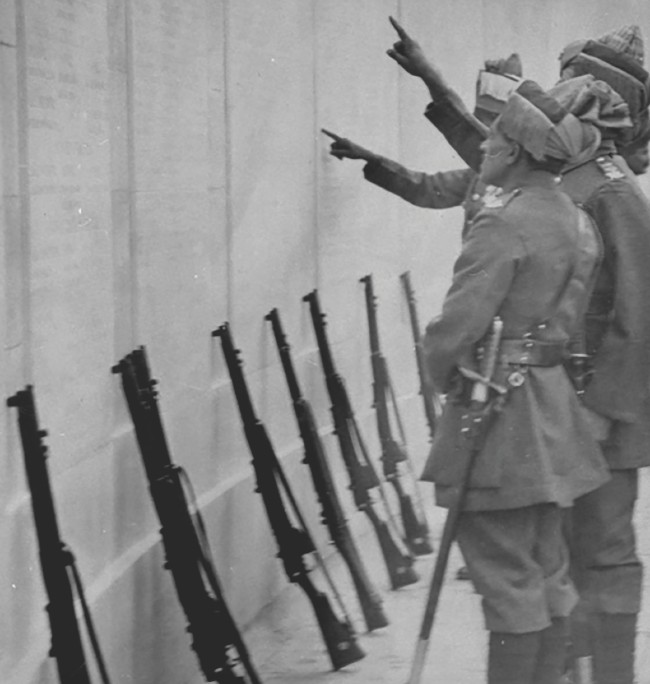
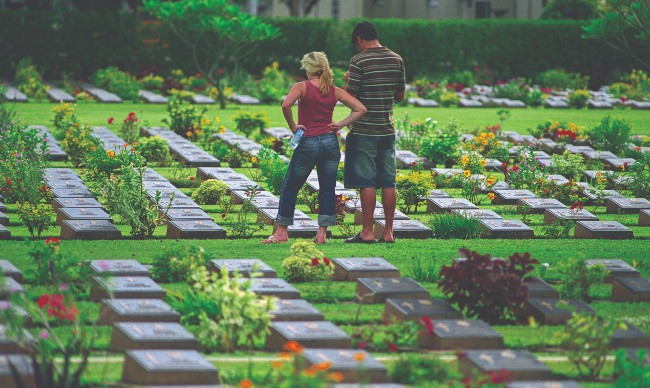
The Commonwealth War Graves Commission honours the 1.7 million men and women of the Commonwealth forces who died in the First and Second World Wars. Its work includes building and maintaining Commonwealth cemeteries and memorials at 23,000 locations in more than 150 countries and territories, and also preserving and updating its extensive records and archives. It is funded by the governments of the Commonwealth nations and by donations.
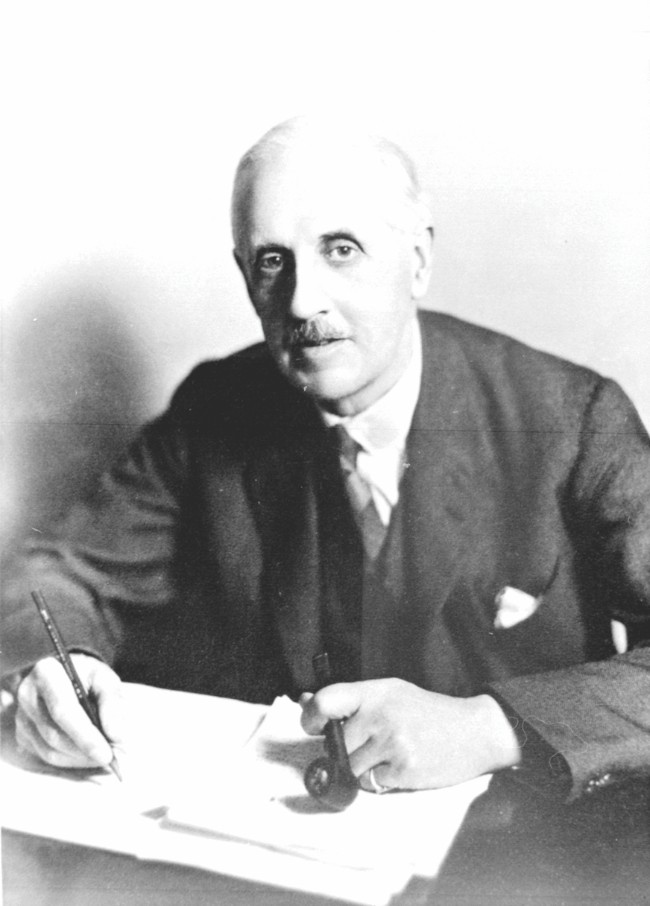
It began as the brainchild of one man, Sir Fabian Ware, who joined the Red Cross during the First World War and became determined to ensure that those who had died would not be forgotten. His work was officially recognised in 1915 as the Graves Registration Commission, and in May 1917 the Imperial War Graves Commission was established by Royal Charter.
Sir Fabian Ware
By 1918 some 587,000 graves had been identified and a further 559,000 unknown casualties had been registered. The architects Sir Edwin Lutyens, Sir Herbert Baker and Sir Reginald Blomfield started designing and constructing the cemeteries and memorials, while Rudyard Kipling was tasked as literary advisor to recommend inscriptions.
THE PRINCIPLES OF THE CWGC ARE THAT:
-Each of the dead should be commemorated by name on the headstone or memorial -Headstones and memorials should be permanent -Headstones should be uniform -There should be no distinction made on account of military rank, race or creed
The CWGC Experience
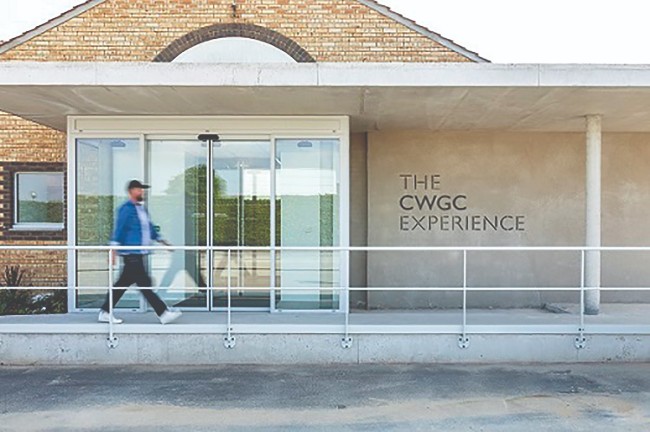
THE CWGC EXPERIENCE
The CWGC Experience visitor centre is open from Monday to Friday, 10am-4pm. It is closed on French public holidays and at weekends, and it will also be closed during December and January for maintenance. Advance booking is only required for larger groups. This is, of course, still actually a place of work, so there wouldn’t be much point in coming here on Saturday or Sunday. But it is also a place of public service, so during the week, when it is open, parking is free and so is admission, though you are gently invited to make a cash donation as you enter the workshop area to begin your tour – or you could buy something at the gift shop.
From the car park, it just looks like a large workshop with a nice new building attached to the front, which of course it is, but as the automatic glass doors open you catch your first glimpse of the work they have done to convert this atelier into a visitor centre.
Я столкнулся с аниматронных Титанофон — буквально ‘Титаник убийца’. Это коренастый гад с лезвием, как зубы и я весьма рада, что вымерли сотни миллионов лет назад. Если он бродил сегодня по улицам Лондона, нет шансов, что вы поймаете меня и про.
Это один из видов воссозданные для Пермской выставки монстров в Музее Хорнимана Южного Лондона. Инстинкт является для обозначения этих существ, как динозавры, но это неверно. Этот сериал о существах, которые пришли раньше динозавры правили землей — по сути, это такие существа, как эти, что, вполне возможно, общий предок у нас люди с динозавров.
Есть много окаменелостей и окаменелых скелетов — в том числе это один из Диметродоны.
Это не просто гады, что у меня на размышления у меня не было бы шанса на выживание — там были танки бронированы земноводных и гигантских стрекоз, жужжание вокруг небес. На 2,6-метровом предшественника многоножки не имеют официального названия видов, но я называю это ‘нет’ — это не ползать по коже так сильно, как тебя.
В случае, если вы думаете, что это безопаснее, в воде, которая была заселена Helicoprion — акула с нижней челюсти, которая напоминает лезвие круглой пилы. Отодвигание челюсти, это вещь гораздо более заслуживающее хоррор-франчайза.
Цифровое художественное произведение дает нам представление о том, что мир, возможно, выглядел тогда.
Самый большой зверь скрывается в задней — иностранцевия похоже на рептилий версия саблезубые кошки и дети, которые собираются посетить эту выставку было бы просто закуска для такого чудовищного хищника.
Хотя это, безусловно, семейная выставка, это большой ребенок узнал много нового о Пермской эпохи. Включая тот факт, что ученые до сих пор уверены, что привело к массовой гибели около 90% всех видов животных, хотя они подозревают вулканы, возможно, сделали атмосферу токсичных достаточно, чтобы убить большую часть жизни.
Иностранцевия и Scutosuarus два из самых больших моделей в шоу.
Помимо очевидных развлечения рычание аниматронных моделей, дети будут в восторге от возможности прикоснуться к воссозданные ископаемых, см. компьютерная макеты того, что на доисторической Земле, возможно, были похожи, взгляд на окаменевших скелетов и стать начинающие палеонтологи с помощью кисти, чтобы раскрыть макет кости в ямах.
Если я вспоминаю, когда я был маленький умник динозавр, мой младший бы очень понравилась эта выставка. 30 лет спустя, я все еще очарован.
Пермские монстрами: жизнь до динозавров до 1 ноября. Билеты £9 для взрослых, £5 для детей и £18 для семейного билета. Все изображения любезно студии Гондваны.
Токсичные мужественность, маскулинность в кризис маскулинности получает много негативных отзывов в эти дни. Но какое искусство надо говорить о мужественности и что мы можем узнать из него? Барбакан посвятил свою последнюю выставку в этом.
Солдаты часто рассматривается как воплощение мужественности, идея, которая переворачивается в этой выставке, с фотографиями боевиков «Талибана» против живописные фоны, пистолет в одной руке и ваза с цветами в другом. Это так нереально, это может почти быть частью подрывной пропаганды США, чтобы нанести ущерб репутации этих бойцов, и это показывает, что западные идеалы мужественности являются универсальными.
Самых сильных работ-это те, которые бросают вызов наших собственных представлений, как, например, фильм Джереми Деллера в валлийский человек из шахтерского городка, который стал Крест борца выделка — два описания не часто встретишь в одном предложении. Аналогично, малолетки позируют в формы американского футбола, может быть все заполняется выпятил грудь, но, очевидно, они все еще мальчики играют в настоящих мужчин.
Выставка остается даже руками в его представление о том, что считается мужским, включая недвоичных, странный и женского взглядов на мужественность, обеспечивая речь идет не только о гетеросексуальных мужчин.
Моя любимая работа исследует смешного, люди идут, чтобы продемонстрировать свою мужественность. Художник Ричард Моссе призвал студентов Йельского братства, чтобы конкурировать в кричащий конкурсе, чтобы выиграть бочонок пива. Победителем стал красный, как помидор, и обильно потел, но отказывается сдаваться и продолжает кричать в камеру. Вместе с тошнотворным портреты кровь тореадоров, это шоу имеет наибольшее влияние, когда показывает людей в их самых крайних, пытается проявить себя в той или иной форме.
Это токсичные побочные мужественности, что чувствует себя крайне важна в современную эпоху, и я хотел бы увидеть на этой выставке. В то время как трогательно и различных сторон мужественности тщательно изучены, кажется, боятся рисковать слишком глубоко в темноту.
В Incel субкультуры в Америке были замешаны в массовых расстрелах. Я знаю, что как мужчина под 40, мой вероятный убийца смотрел на меня каждое утро в зеркале. Однако эти массово соответствующие вопросы не получила — там должны быть фотографы, работающие на эти темы сегодня, которые могли бы быть включены в этой выставке.
Это шоу, это тонкий и выборочный срез маскулинности, которая игнорирует некоторые слона-размером проблем в номере. Есть мощные моменты в этом шоу, но когда дело доходит до доставки нокаутирующий удар, он тянет свои удары.
главном зале будет переосмыслено в городской площади
V&Музей Детства в Бетнал Грин будет закрыт на два года с мая — впереди £13м трансформации.
Макеты обновленного музея, с гордостью архитектуры, изображают ярче, светлее пространство; основной зал переосмыслил как приглашение «городская площадь» с калейдоскопической лестница связывает первый этаж с верхним уровнем. 125 человек-производительность пространства, на сцене, между тем, пройдут семейные мероприятия, и дать детям пространство для проведения собственного шоу.
На сцене появится пространство для детей, чтобы выполнить свои собственные шоу
Три новые галереи будут открыты для посетителей, когда музей снова откроется в 2022 году. ‘Представьте себе’ будет проследить мифы, басни и вдохновение позади известных персонажей, как медвежонок Паддингтон, Пикачу и Лох-Несское чудовище, в то время как приглашая посетителей, чтобы исследовать Алиса в стране чудес стиле фэнтези номеров, заполнены с оптическими иллюзиями.
Медвежонок Паддингтон будут представлены в разделе «представить» в обновленный музей
«Играть» будет проведен ряд интерактивных дисплеев, песочницы и области, посвященной пре-ходунки, с текстурированной дисплеи для исследования чувств. Игры от шахмат до краудфандинга карточная игра взрывающиеся котята и мобильных Долина Монументов приложение будет доступно для воспроизведения.
Игра Долина монументов будет доступен, чтобы играть наряду с традиционными, такие как шахматы
В основе нового музея «дизайн» область будет дом дизайнера; пространство для художников и школьников для совместной работы. В целом, музей планирует быть гораздо более интерактивный и практический для детей, чем он в его нынешнем воплощении.
Оригинальный костюм Супермена будет на дисплее
Среди новых экспозиций в обновленном музее будут голливудского реквизита и костюмов в том числе оригинальный костюм Супермена и чудовище Франкенштейна, и Мэри Поппинс волшебный зонтик от 1964 мультфильма.
Другие экспонаты включают Беатрикс Поттер иллюстрации мир Кролик Питер, в натуральную величину Вест-Энд боевого коня Джоуи кукол, и проекты инновационного художников Вергилий Abloh и Олафур Элиассон.
«Дизайн» будет открыта студия, где дети и их семьи смогут эксперимента через руки-на оформление.
Тристрам Хант, директор V&A, сказал:
Мы хотим дать возможность детям понять, что каждый акт творчества-это чудесное, будет ли это самовыражение через одежду, строить мир в Minecraft, или о проведении школьного климата забастовку. Путем объединения усилий мирового класса в коллекции с погружения отображается на якоре в детской повседневной жизни, мы предлагаем выдающийся день для семей, бесплатно.
«Играть» будут представлены мультисенсорный пейзажи, и масштабная песочница, помогая самым маленьким посетителям осмотреть коллекцию. Там будет также полную галерею длина алфавита дисплей
Последние выходные в музее до его закрытия будет трехдневный бесплатный фестиваль за первые майские выходные, называется изобретать. В ней будут представлены живые выступления и специально по заказу установки художника. Двери закройте по 11 мая 2020 года, для регенерации работы для начала.
В промежуточном, Музей детства будут сажать на два года программу бесплатных мероприятий для семей в Уайтчепеле по идее магазин.
‘Представьте себе’ будут представлены и Алиса в стране чудес вдохновил пространства с помощью оптических иллюзий, и увидеть семь смежные номера, прославляющей силу повествования и самовыражения
The main hall will be reimagined into The Town Square
The V&A Museum of Childhood in Bethnal Green will close for two year from this May — ahead of a £13m transformation.
Mock-ups of the revamped museum, from AOC Architecture, depict a brighter, lighter space; the main hall is reimagined as an inviting ‘town square’ with a ‘kaleidoscopic staircase’ linking the ground floor with the upper level. A 125-person-capacity performance space, The Stage, meanwhile, will host family activities, and give children a space to perform their own shows.
The Stage will be a space for children to perform their own shows
Three new galleries will welcome visitors when the museum reopens in 2022. ‘Imagine’ will trace the myths, fables and inspirations behind famous characters like Paddington Bear, Pikachu and the Loch Ness Monster, while inviting visitors to explore Alice in Wonderland-inspired fantasy rooms, filled with optical illusions.
Paddington Bear will feature in the ‘Imagine’ section of the revamped museum
‘Play’ will feature a series of interactive displays, sandpits and an area dedicated to pre-walkers, with textured displays for sensory exploration. Games from chess through to the crowdfunded card game Exploding Kittens and the mobile app Monument Valley will be available to play.
The Monument Valley game will be available to play alongside traditional ones, like chess
At the heart of the museum’s new ‘Design’ area will be The Designer’s House; a space for artists and schoolchildren to work together. In all, the museum plans to be far more interactive and hands-on for children than it is in its current incarnation.
An original Superman costume will be on display
Among new exhibits at the revamped museum will be Hollywood props and costumes including the original Superman costume and Frankenstein’s Monster, and Mary Poppins’s magical umbrella from the 1964 Disney film.
Other exhibits will include Beatrix Potter’s illustrations of the world of Peter Rabbit, the life-size West End War Horse puppet Joey, and designs by innovative artists Virgil Abloh and Olafur Eliasson.
‘Design’ will feature an open studio, where children and their families will be able to experiment through hands-on making.
Tristram Hunt, Director of the V&A, said:
We want to empower children to realise that every act of creativity is wondrous, whether it’s self-expression through their clothes, building a world on Minecraft, or launching a school climate strike. By bringing together the V&A’s world-class collections with immersive displays anchored in children’s every-day lives, we will offer an outstanding day out for families, for free.
‘Play’ will feature multi- sensory landscapes, and a large-scale sandpit, helping the youngest visitors explore the collection. There will also be a full-gallery length alphabet display
The museum’s final weekend before its closure will be a three-day free, festival over the first May bank holiday, called Re-Invent. It will feature live performances and a specially commissioned artist installation. Doors then close on 11 May 2020, for regeneration works to begin.
In the interim, the Museum of Childhood will put on a two-year programme of free activities for families at Whitechapel’s Idea Store.
‘Imagine’ will feature and Alice in Wonderland-inspired space with optical illusions, and see seven interconnected rooms celebrating the power of storytelling and self-expression


 этот аниматроник Титанофон означает бизнес.
 Есть много окаменелостей и окаменелых скелетов — в том числе это один из Диметродоны.
 Цифровое художественное произведение дает нам представление о том, что мир, возможно, выглядел тогда.
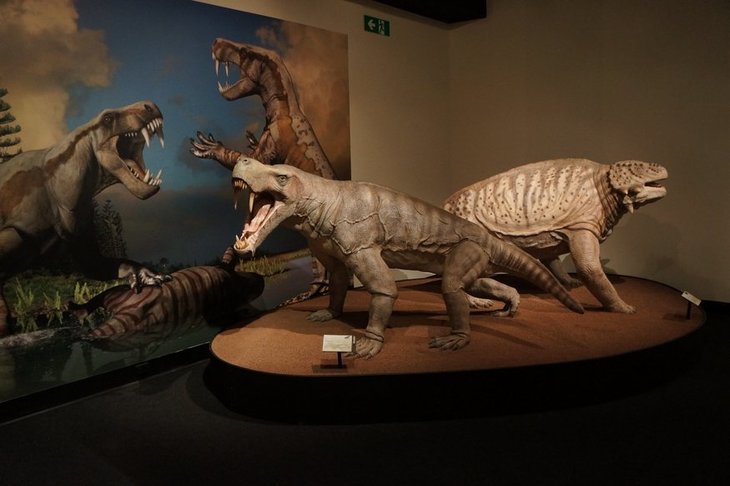 Иностранцевия и Scutosuarus два из самых больших моделей в шоу.
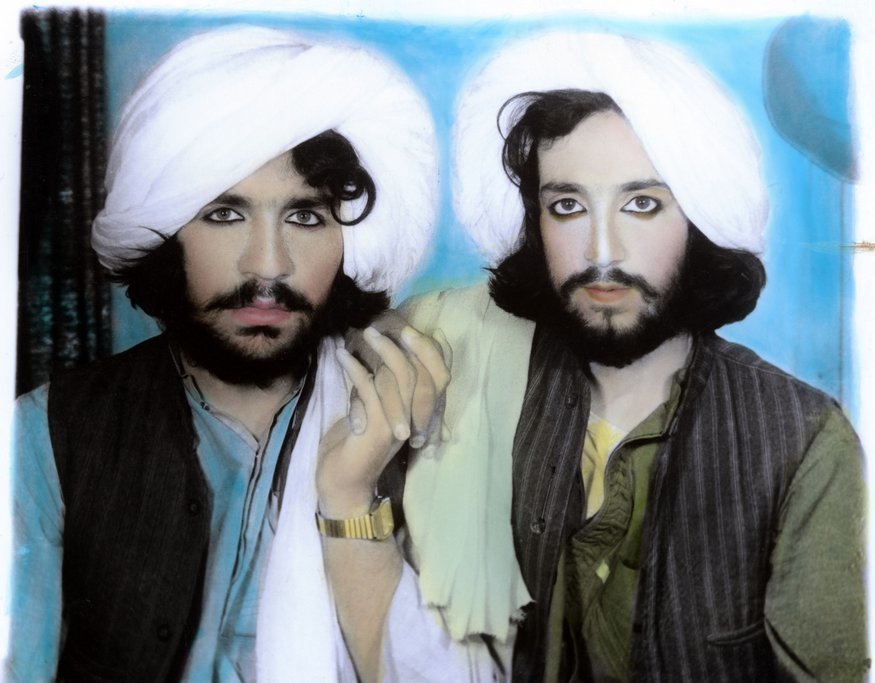 , а Сюрреалистические портреты талибских боевиков застали нас врасплох. Коллекция © Т. Dworzak/Фото Магнум
  Американский футбол мальчики, играющие в мужчин. © Кэтрин Опи, вежливость реген проекты, Лос-Анджелес и Томас датчанин галерея, Лондон
 © Сунил Гупта. Все права защищены, ЦАП 2019
 главном зале будет переосмыслено в городской площади
 На сцене появится пространство для детей, чтобы выполнить свои собственные шоу
 Медвежонок Паддингтон будут представлены в разделе «представить» в обновленный музей
 Игра Долина монументов будет доступен, чтобы играть наряду с традиционными, такие как шахматы
 Оригинальный костюм Супермена будет на дисплее
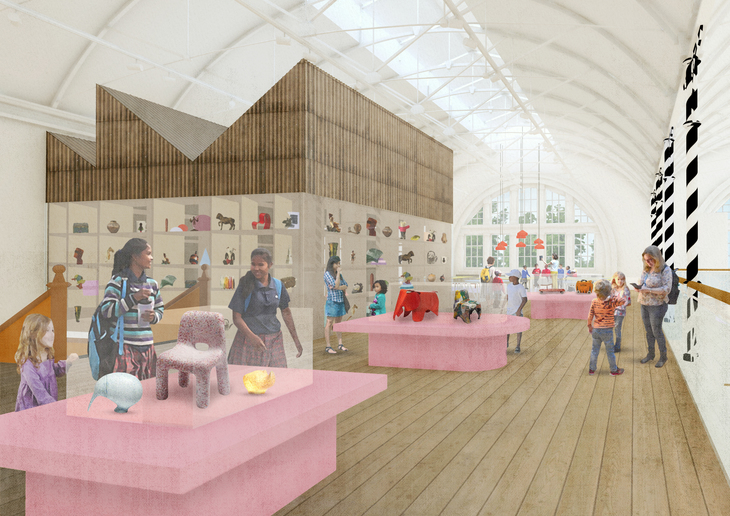 «Дизайн» будет открыта студия, где дети и их семьи смогут эксперимента через руки-на оформление.
 «Играть» будут представлены мультисенсорный пейзажи, и масштабная песочница, помогая самым маленьким посетителям осмотреть коллекцию. Там будет также полную галерею длина алфавита дисплей
 ‘Представьте себе’ будут представлены и Алиса в стране чудес вдохновил пространства с помощью оптических иллюзий, и увидеть семь смежные номера, прославляющей силу повествования и самовыражения


