Показаны сообщения с ярлыком Business. Показать все сообщения

среда, 19 февраля 2020 г.

Vintage Dutch tech site calls it a day

By


Webwereld, one of the oldest tech news sites of the Netherlands, is going to cease to exist. We enjoyed using them as a source for subjects such as high speed wireless internet (wimax), NL-alert (national alarm system), net neutrality and quite a few more.


The tech-savvy site had been around since 1995, and editorial staff were sent packing about a month ago. The site will go offline on 1 March, and its owner, IDG, will apparently continue on with business sites.


Way back in in the day, having a 24-hour online news service about IT was a big deal and quite new, at least in such a small country and language region as the Netherlands. One of the cool things they did was launch ‘lektober’ (‘leaktober’) in 2011, which featured company data leaks back when companies didn’t quite know how to deal with them (they still don’t, but OK).


Thanks for the good stories, Webwereld!


(Link: bright.nl)


No comments yet.

вторник, 18 февраля 2020 г.

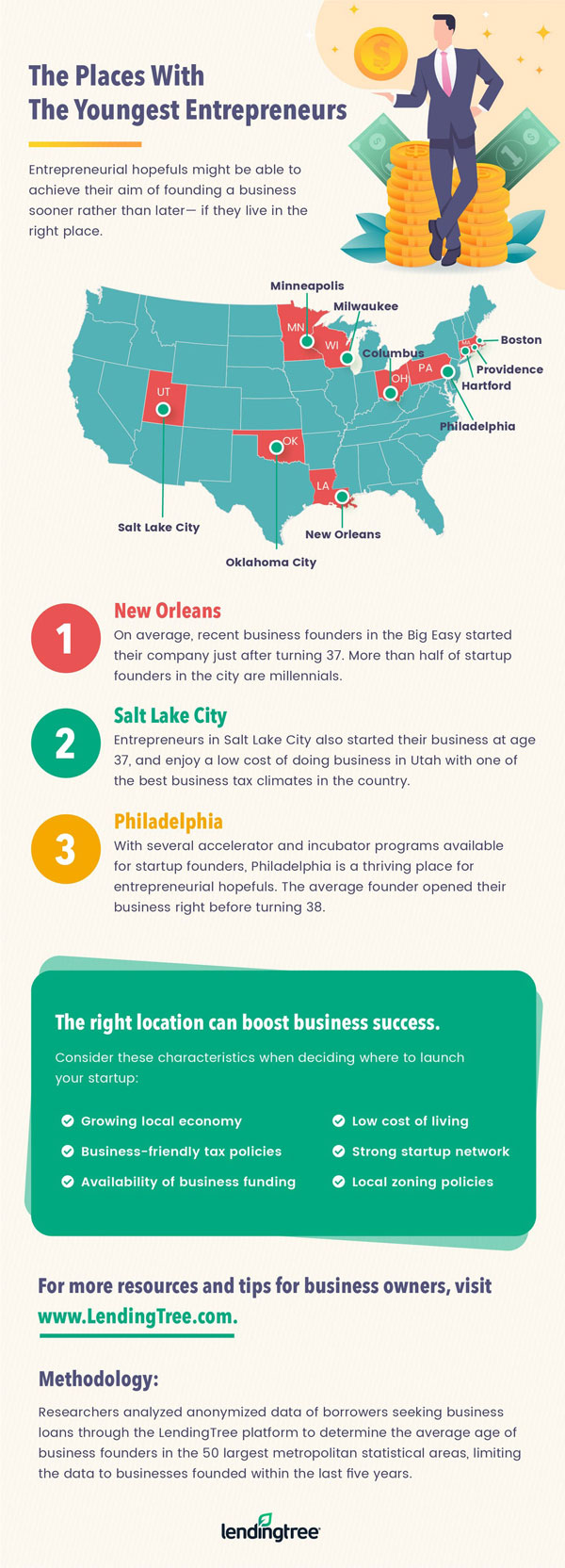
Places with the Youngest Entrepreneurs

Pursuing a career as an entrepreneur comes with unique challenges on its own. The last thing you would want to do is spend your time in a state not friendly towards startups and small businesses. This infographic from LendingTree takes a look at places with the youngest entrepreneurs:


Get your infographic featured: submit ➡️ here

Cheat sheet: Farmers celebrate a major biosecurity success story

The dreaded pea weevil is no more in the Wairarapa, after a successful eradication effort. So why does this matter? 

OK, what on earth is a pea weevil?

It’s a type of leaf beetle, so not actually a weevil after all, but the name is the name. Basically it gets into pea plants while they’re growing, and their larvae then ruin the crops by chewing through them. It’s a pest, it wasn’t wanted in the Wairarapa, and now it’s gone.

Gone seems good?

Gone is great. After pea weevils were found in the Wairarapa in 2016, it basically resulted in the industry being halted in the region. Peas couldn’t be grown on farms, nor could they be grown in home gardens, across the entire region. Previously, the Wairarapa had accounted for about 10% of the country’s pea production, so it was pretty serious. The eradication effort relied on the food sources for the critters being removed, and had it failed, it could have put a serious dent in the $130 million pea growing industry.

Can we really be sure it’s gone?

Yes, because with biosecurity risks like this MPI have to be absolutely sure before they declare victory. But now, with no new finds across two whole seasons, biosecurity minister Damien O’Connor says the eradication programme has been a success. He also paid tribute to growers who led a lot of the efforts to get rid of it, saying “we had an outstanding level of awareness and support within the community for our approach to ban the growing of pea plants and pea straw.” Some farmers had to make major sacrifices to make it possible. Checks on pea seeds and exports from the Wairarapa will continue next season just to make sure.

How did the eradication actually work?

Along with the bans on growing peas, there were also bait plants used. The weevils would set up shop inside one of those bait plants, and then be destroyed before they could complete their life-cycle. The eradication was possible in part because the Wairarapa is a relatively geographically isolated region, because of the mountains around it.

What makes this eradication particularly special is that it is believed to be a world-first for this particular pest. There are pea weevils all over the world, and as we can see from the ongoing M Bovis outbreak, once something gets established, it can take an immense amount of time and money to get it out again. That eradication is currently expected to take about a decade, so getting the pea weevil in and out within five years is pretty impressive.

So what happens now?

Well, pea growers can go back to growing them, basically. The ban on pea plants and pea straw has been lifted, both for home gardeners and commercial growers.

And in the intervening couple of years, the prospects for pea growers have become very interesting. That’s because of the explosion in popularity of peas as a source of alternative proteins – if you’ve ever eaten a Beyond Meat Burger, you’ll have tried pea protein. There’s a slight note of irony there for the New Zealand farming industry, in which many meat growers see alternative proteins as an existential threat. But these sorts of food trends are probably inevitable anyway, so for pea growers it’s probably better to be ahead of the curve rather than behind it.

In fact, they are now hugely important crops for sustainability. That’s because of their ability to take nitrogen gas from the air, along with needing much less water to grow relative to other staple crops. They’re immensely versatile and lend themselves very well to being broken down into component parts, like pea starch which can be used to make noodles. And with a bit of butter and a mint leaf, they’re also delicious as a side dish.

The Spinoff Reviews New Zealand #104: Jump e-bikes

We review the entire country and culture of New Zealand, one thing at a time. Today, e-bikes are now just a tap away! Josie Adams reviews the latest disruption in transport culture.

When Lime launched in 2018, New Zealand’s transport culture got the electric shock it needed. For too long we’d had traffic pile-ups, bus cancellations and hospitalised cyclists. For the first few months, the Limes were low status. Then, their ubiquity forced citizens and councilfolk alike to adjust how they saw the city.

Limes may be long gone from Auckland, but their legacy – 3200 council-approved e-scooters spread across the supercity from the North Shore to Papakura – lives on.

To get to Wynyard Quarter to test out Uber’s new e-bike, I naturally used an e-scooter (a Flamingo, because I am a patriot). For over a year now I’ve forgone driving distances less than 3km, because there’s always a scooter around.

With the Uber e-bike, which operates under the brand name Jump, that distance limit just increased.

No expense has been spared in the creation of this bike. Its wheels are road-worthy, it has good suspension, and the adjustable seat makes it a comfortable ride for anyone never featured in an episode of Ripley’s Believe It or Not!.

There’s a basket on the front, roomy enough for the farmers market and sturdy enough for the liquor store. There’s a fold-out phone slot in case you need to use GPS, and there’s a gear switch for hills.

The bikes cost a dollar to unlock, just like the Jump scooters, and then $0.38 per minute. The scooters cost $0.30 per minute, which is standard across all brands in New Zealand. Most scooters have top speeds of 25km/h and have more obstacles to navigate due to being used on footpaths, so the extra cost of an e-bike evens out thanks to sheer transport efficiency.

It’s a good-quality product. Henry Greenacre, head of Jump Australia and New Zealand, was over from headquarters to launch it. It’s the first Jump e-bike launch in Australasia and Asia-Pacific. I asked him if, as a red-blooded, true-blue Australian, it bothered him that Auckland got the first launch. “Yes,” he said.

Alongside him at the launch were mayor Phil Goff and Auckland Central MP Nikki Kaye, both of whom managed to work in a little ribbing despite having speaking slots of about a minute each. “You all know how I feel about the roadworks,” said Kaye, smiling, even though we all knew it wasn’t a joke. Roadworks around the Auckland CBD are at an all-time frustrating high, and construction in general brought both injury and insult to Kaye’s cat, Charlie.

Goff’s quick speech included a very pointed “we are building cycle lanes!” One day, we will all praise Goff and his council for getting public transport options and cycleways off the ground. Today is not that day. He is a patient man. 


Phil Goff, Nikki Kaye, Henry Greenacre, the city of Auckland and an e-bike (Photo: Izak Van Der Merwe)


We’ve got the Lightpath and a bike lane all the way to Westgate. Soon, there’ll be a cycleway from the city centre to Glen Innes and a path over the bridge and along the coast to get to the North Shore. Motorways that are being built and expanded are having cycleways and walkways put alongside them. 

Auckland’s infrastructure is being redesigned for increased bike use, which is great news for Jump but also for us: e-bikes are quick, dodge traffic, and are kinder on the environment. They’re also light exercise, not heavy. “You don’t turn up at your destination sweating heavily,” said Goff. “In my job, that’s important.”

Our green-minded representatives put their helmets on for a photo-friendly ride around the Viaduct. Goff, when he looked up to see Kaye was already pedalling away, cried out, “Nikki! She’s beaten me off!”

I took the bike in a different direction: down Jellicoe Street where no one could see me trying out jumps on the Jump. I was told off by Lime when I used its new model to do some sick tricks, so I thought I’d spare Jump the heartache.

It has a maximum electric-assisted speed of just over 30km/h, but unlike the Jump e-scooters it doesn’t feel heavy. Because it’s electric-assisted and not fully electric-powered, it’s a smoother ride than any e-scooter. It glides. You can take hands off, feet off, and just let pure momentum take you from A to B. 

Unfortunately, it’s nailed the sharing economy bike. It is for transport only. It cannot do tricks. The metal basket weighs down the front too much for a wheelie, and even at a full stand I couldn’t hop a curb. Someone with better muscles than me might have more luck.

When Lime first came to our shores in 2018, it wasn’t long before our rickety, home-grown Flamingo sprung up; followed by Beams, Neurons, and Jumps late last year. With e-bike licensing now a part of Auckland council’s plans – established separately from scooters – it won’t be long before other brands are vying for a slice of the pie. 

Lime – gone but not forgotten – already has an established e-bike population in Sydney. Is it too much to hope that they could jump across the ditch now that Auckland council is in the bike game?

Jump e-bikes will be on Auckland streets from tomorrow morning (Wednesday, February 19).

The Spinoff Reviews New Zealand #104: Jump e-bikes

We review the entire country and culture of New Zealand, one thing at a time. Today, e-bikes are now just a tap away! Josie Adams reviews the latest disruption in transport culture.

When Lime launched in 2018, New Zealand’s transport culture got the electric shock it needed. For too long we’d had traffic pile-ups, bus cancellations and hospitalised cyclists. For the first few months, the Limes were low status. Then, their ubiquity forced citizens and councilfolk alike to adjust how they saw the city.

Limes may be long gone from Auckland, but their legacy – 3200 council-approved e-scooters spread across the supercity from the North Shore to Papakura – lives on.

To get to Wynyard Quarter to test out Uber’s new e-bike, I naturally used an e-scooter (a Flamingo, because I am a patriot). For over a year now I’ve forgone driving distances less than 3km, because there’s always a scooter around.

With the Uber e-bike, which operates under the brand name Jump, that distance limit just increased.

No expense has been spared in the creation of this bike. Its wheels are road-worthy, it has good suspension, and the adjustable seat makes it a comfortable ride for anyone never featured in an episode of Ripley’s Believe It or Not!.

There’s a basket on the front, roomy enough for the farmers market and sturdy enough for the liquor store. There’s a fold-out phone slot in case you need to use GPS, and there’s a gear switch for hills.

The bikes cost a dollar to unlock, just like the Jump scooters, and then $0.38 per minute. The scooters cost $0.30 per minute, which is standard across all brands in New Zealand. Most scooters have top speeds of 25km/h and have more obstacles to navigate due to being used on footpaths, so the extra cost of an e-bike evens out thanks to sheer transport efficiency.

It’s a good-quality product. Henry Greenacre, head of Jump Australia and New Zealand, was over from headquarters to launch it. It’s the first Jump e-bike launch in Australasia and Asia-Pacific. I asked him if, as a red-blooded, true-blue Australian, it bothered him that Auckland got the first launch. “Yes,” he said.

Alongside him at the launch were mayor Phil Goff and Auckland Central MP Nikki Kaye, both of whom managed to work in a little ribbing despite having speaking slots of about a minute each. “You all know how I feel about the roadworks,” said Kaye, smiling, even though we all knew it wasn’t a joke. Roadworks around the Auckland CBD are at an all-time frustrating high, and construction in general brought both injury and insult to Kaye’s cat, Charlie.

Goff’s quick speech included a very pointed “we are building cycle lanes!” One day, we will all praise Goff and his council for getting public transport options and cycleways off the ground. Today is not that day. He is a patient man. 

Phil Goff, Nikki Kaye, Henry Greenacre, the city of Auckland and an e-bike (Photo: Izak Van Der Merwe)

We’ve got the Lightpath and a bike lane all the way to Westgate. Soon, there’ll be a cycleway from the city centre to Glen Innes and a path over the bridge and along the coast to get to the North Shore. Motorways that are being built and expanded are having cycleways and walkways put alongside them. 

Auckland’s infrastructure is being redesigned for increased bike use, which is great news for Jump but also for us: e-bikes are quick, dodge traffic, and are kinder on the environment. They’re also light exercise, not heavy. “You don’t turn up at your destination sweating heavily,” said Goff. “In my job, that’s important.”

Our green-minded representatives put their helmets on for a photo-friendly ride around the Viaduct. Goff, when he looked up to see Kaye was already pedalling away, cried out, “Nikki! She’s beaten me off!”

I took the bike in a different direction: down Jellicoe Street where no one could see me trying out jumps on the Jump. I was told off by Lime when I used its new model to do some sick tricks, so I thought I’d spare Jump the heartache.

It has a maximum electric-assisted speed of just over 30km/h, but unlike the Jump e-scooters it doesn’t feel heavy. Because it’s electric-assisted and not fully electric-powered, it’s a smoother ride than any e-scooter. It glides. You can take hands off, feet off, and just let pure momentum take you from A to B. 

Unfortunately, it’s nailed the sharing economy bike. It is for transport only. It cannot do tricks. The metal basket weighs down the front too much for a wheelie, and even at a full stand I couldn’t hop a curb. Someone with better muscles than me might have more luck.

When Lime first came to our shores in 2018, it wasn’t long before our rickety, home-grown Flamingo sprung up; followed by Beams, Neurons, and Jumps late last year. With e-bike licensing now a part of Auckland council’s plans – established separately from scooters – it won’t be long before other brands are vying for a slice of the pie. 

Lime – gone but not forgotten – already has an established e-bike population in Sydney. Is it too much to hope that they could jump across the ditch now that Auckland council is in the bike game?

Jump e-bikes will be on Auckland streets from tomorrow morning (Wednesday, February 19).

суббота, 15 февраля 2020 г.

Weird flex, but OK: Why Samsung thinks you want a flip phone in 2020

Have we reached peak smartphone? Henry Burrell reviews the Samsung Galaxy Z Flip, an engineering marvel which all but highlights how few ways there are to improve phones in 2020.

In the age of smartphones, notifications and constant communication, you might wish for a simpler time when the old flip phone in your pocket was the only way anyone could reach you. It was smaller than your current phone and you could hang-up calls with a cathartic snap, something which Samsung can now relate to. Its new Galaxy Z Flip is a smartphone with a flexible screen that folds open to double in size, reminiscent of a compact mirror. Its plan is to tap into nostalgia – and your wallet – to convince you that you want a flip phone again in 2020. 

Old technology can make us nostalgic for a simpler time before smartphones pinged us 300 times a day. The resurgence in popularity of vinyl records and Polaroid cameras is proof that some of us yearn for the past, but these are still old technologies. 

Modern tech companies rarely develop brand new products that tap into our misty-eyed reminiscing, which is why the Galaxy Z Flip is so notable. Smartphones in 2020 are nigh on impossible to improve on, so Samsung has made one that looks like something from 20 years ago.

The Z Flip takes the modern smartphone, makes it more fragile, and all but doubles the price. Samsung estimates the device will cost around $2,499 when it launches soon (the also new and technologically more capable Galaxy S20 starts at $1,499).

Of course, Samsung doesn’t see it that way, and neither does Motorola – the pioneering mobile company that beat the Z Flip to market with the Motorola Razr, a folding display version of the popular mid-2000s handset. The flip designs of both devices open up at a hinge but instead of buttons and number pads, there’s just a long, tall screen. 

Folding displays can’t be made entirely of glass for obvious reasons, so Samsung has developed incredibly thin flexible displays made mostly of layers of plastic and components fused together to move as one single unit. 

The engineering that Samsung has put into the Z Flip is undoubtedly incredible, but its existence can’t help but highlight how few ways there are to improve phones now. Black slabs of glass that replace the computers on our desks and cameras around our necks are all so good that the only way to stand out is to create one that has a larger screen but can physically fold down to a smaller size.

With that advantage comes several disadvantages. The Z Flip has a very tall display, one that won’t be all that fun to watch videos on. It’s also mostly plastic which means it’s very reflective and picks up fingerprints like nobody’s business. And while Samsung says the hinge has been tested to fold and unfold 100,000 times without breaking, these moving parts simply mean there’s more to break compared to a regular phone.

Samsung’s already got a folding phone to market with the $3,399 Galaxy Fold, something that exists simply because it can. But that device looks like a tablet out of Star Trek and wasn’t invested in nostalgia. To most people it’s a very expensive, inconvenient extravagance. When Samsung lent me one recently, I showed it to my 26-year-old sister and she said it looked “really stupid”. 

The Z Flip is different as it takes the idea that because you prefer 12 inch LPs to Spotify, you might also want your phone to look like it’s from the 1990s. Samsung recognises that you don’t want to completely recess and buy an old school flip phone since you’re already entrenched in all the conveniences and distractions afforded by smartphones. So instead, it’s found an awkward way to mesh old design with new capabilities.

Samsung is also flexing here to prove it can beat rivals like Huawei and Apple to market. Apple usually isn’t first to put brand new technology into its iPhones, but when it does, the technology tends to finally go mainstream. 

Yet the iPhone keeps a stranglehold on much of the Western market. If Apple does release a foldable iPhone – and that’s a big ‘if’ – the company will have waited patiently in an attempt to deliver a product that will likely be superior to these flawed first-generation Samsung efforts.

Despite my love of consumer technology, it all leaves me a little bewildered. In the space of four years or so, high-end smartphone prices have skyrocketed as companies try their best to outdo one another with larger screens, improved cameras and flashy designs. But in reality, your three-year-old iPhone 7 can do most of the things the Galaxy Z Flip can do in a cheaper, simpler and less breakable way. 

Realistically, smartphones can’t get any better in 2020. We’ve reached peak smartphone, and companies are worried. We’re holding onto our older phones longer because they’re still very good. 

It’s clear that foldable phones aren’t the answer right now, but we’ll continue to see these experimental products disguised as cutting edge innovation as tech companies jack up the prices and, in the Z Flip’s case, the nostalgia, to try and get you to upgrade. 

Tech enthusiasts and early adopters will buy folding phones in tiny numbers, while the rest of the world won’t pay much attention – until there’s one with ‘iPhone’ stamped on the back. 

Weird flex, but OK: Why Samsung thinks you want a flip phone in 2020

Have we reached peak smartphone? Henry Burrell reviews the Samsung Galaxy Z Flip, an engineering marvel which all but highlights how few ways there are to improve phones in 2020.

In the age of smartphones, notifications and constant communication, you might wish for a simpler time when the old flip phone in your pocket was the only way anyone could reach you. It was smaller than your current phone and you could hang up calls with a cathartic snap, something which Samsung can now relate to. Its new Galaxy Z Flip is a smartphone with a flexible screen that folds open to double in size, reminiscent of a compact mirror. Its plan is to tap into nostalgia – and your wallet – to convince you that you want a flip phone again in 2020. 

Old technology can make us nostalgic for a simpler time before smartphones pinged us 300 times a day. The resurgence in popularity of vinyl records and Polaroid cameras is proof that some of us yearn for the past, but these are still old technologies. 

Modern tech companies rarely develop brand new products that tap into our misty-eyed reminiscing, which is why the Galaxy Z Flip is so notable. Smartphones in 2020 are nigh on impossible to improve on, so Samsung has made one that looks like something from 20 years ago.

The Z Flip takes the modern smartphone, makes it more fragile, and all but doubles the price. Samsung estimates the device will cost around $2,499 when it launches soon (the also new and technologically more capable Galaxy S20 starts at $1,499).

Of course, Samsung doesn’t see it that way, and neither does Motorola – the pioneering mobile company that beat the Z Flip to market with the Motorola Razr, a folding display version of the popular mid-2000s handset. The flip designs of both devices open up at a hinge but instead of buttons and number pads, there’s just a long, tall screen. 

Folding displays can’t be made entirely of glass for obvious reasons, so Samsung has developed incredibly thin flexible displays made mostly of layers of plastic and components fused together to move as one single unit. 

The engineering that Samsung has put into the Z Flip is undoubtedly incredible, but its existence can’t help but highlight how few ways there are to improve phones now. Black slabs of glass that replace the computers on our desks and cameras around our necks are all so good that the only way to stand out is to create one that has a larger screen but can physically fold down to a smaller size.

With that advantage comes several disadvantages. The Z Flip has a very tall display, one that won’t be all that fun to watch videos on. It’s also mostly plastic which means it’s very reflective and picks up fingerprints like nobody’s business. And while Samsung says the hinge has been tested to fold and unfold 100,000 times without breaking, these moving parts simply mean there’s more to break compared to a regular phone.

Samsung’s already got a folding phone to market with the $3,399 Galaxy Fold, something that exists simply because it can. But that device looks like a tablet out of Star Trek and wasn’t invested in nostalgia. To most people it’s a very expensive, inconvenient extravagance. When Samsung lent me one recently, I showed it to my 26-year-old sister and she said it looked “really stupid”. 

The Z Flip is different as it takes the idea that because you prefer 12 inch LPs to Spotify, you might also want your phone to look like it’s from the 1990s. Samsung recognises that you don’t want to completely regress and buy an old-school flip phone since you’re already entrenched in all the conveniences and distractions afforded by smartphones. So instead, it’s found an awkward way to mesh old design with new capabilities.

Samsung is also flexing here to prove it can beat rivals like Huawei and Apple to market. Apple usually isn’t first to put brand new technology into its iPhones, but when it does, the technology tends to finally go mainstream. 

Yet the iPhone keeps a stranglehold on much of the Western market. If Apple does release a foldable iPhone – and that’s a big ‘if’ – the company will have waited patiently in an attempt to deliver a product that will likely be superior to these flawed first-generation Samsung efforts.

Despite my love of consumer technology, it all leaves me a little bewildered. In the space of four years or so, high-end smartphone prices have skyrocketed as companies try their best to outdo one another with larger screens, improved cameras and flashy designs. But in reality, your three-year-old iPhone 7 can do most of the things the Galaxy Z Flip can do in a cheaper, simpler and less breakable way. 

Realistically, smartphones can’t get any better in 2020. We’ve reached peak smartphone, and companies are worried. We’re holding onto our older phones longer because they’re still very good. 

It’s clear that foldable phones aren’t the answer right now, but we’ll continue to see these experimental products disguised as cutting edge innovation as tech companies jack up the prices and, in the Z Flip’s case, the nostalgia, to try and get you to upgrade. 

Tech enthusiasts and early adopters will buy folding phones in tiny numbers, while the rest of the world won’t pay much attention – until there’s one with ‘iPhone’ stamped on the back. 

пятница, 14 февраля 2020 г.

Great Hall is back

Graduation ceremonies for Goldsmiths, University of London will
be back in the Great Hall in summer 2020 after completion of a £1.3million
maintenance programme. The historic space will once more be available for the
local community.

The Great Hall is one of the foremost acoustic venues in
London and is the largest single space at the university. It was created in
1891 and is based on a design by J.W. Penfold.

The space, which can seat up to 580 people in the auditorium
and 140 in the balcony, has hosted a multitude of events, including live
television broadcasts, debates, recitals, concerts, graduation ceremonies,
meetings, conferences and exhibitions.

The project saw specialist teams refurbishing the lantern
and change the external roof glazing which sits over the internal windows as
well as creating new access to ensure easier maintenance in the future. 

The project also saw some of the delicate original internal
glazing in the Grade II-listed building given its first clean for up to 30
years.

Anja Soetbeer, Associate Director of Estates and Facilities
at Goldsmiths, said: “The Great Hall is an important part of our campus and a
landmark for New Cross. Investing in our estate like this ensures it is
available for use by everyone at Goldsmiths and the local community.”

The Great Hall| Photo credits: Goldsmiths, Univerasity of London

Now the hall, is back in use for activities like student orchestra rehearsals, community bookings and the graduation ceremonies. Students and staff will particularly welcome the return of graduation to New Cross this summer after moving to the QE2 Centre in Westminster while the works were undertaken.

The post Great Hall is back appeared first on Eastlondonlines.

Great Hall is back

Graduation ceremonies for Goldsmiths, University of London will
be back in the Great Hall in summer 2020 after completion of a £1.3million
maintenance programme. The historic space will once more be available for the
local community.

The Great Hall is one of the foremost acoustic venues in
London and is the largest single space at the university. It was created in
1891 and is based on a design by J.W. Penfold.

The space, which can seat up to 580 people in the auditorium
and 140 in the balcony, has hosted a multitude of events, including live
television broadcasts, debates, recitals, concerts, graduation ceremonies,
meetings, conferences and exhibitions.

The project saw specialist teams refurbishing the lantern
and change the external roof glazing which sits over the internal windows as
well as creating new access to ensure easier maintenance in the future. 

The project also saw some of the delicate original internal
glazing in the Grade II-listed building given its first clean for up to 30
years.

Anja Soetbeer, Associate Director of Estates and Facilities
at Goldsmiths, said: “The Great Hall is an important part of our campus and a
landmark for New Cross. Investing in our estate like this ensures it is
available for use by everyone at Goldsmiths and the local community.”

The Great Hall| Photo credits: Goldsmiths, Univerasity of London

Now the hall, is back in use for activities like student orchestra rehearsals, community bookings and the graduation ceremonies. Students and staff will particularly welcome the return of graduation to New Cross this summer after moving to the QE2 Centre in Westminster while the works were undertaken.

The post Great Hall is back appeared first on Eastlondonlines.

County submits bid to purchase St. Vincent’s Med Center

LOS ANGELES — Los Angeles County has submitted a bid to purchase St. Vincent Medical Center in Westlake to be used for homeless housing and assistance, it was announced Feb. 7.

“Los Angeles County is best suited to take the lead in turning St. Vincent Medical Center into a facility that could help address our need for more affordable housing, interim housing and wraparound mental and medical health services,” said County Supervisor Hilda Solis, who made the proposal to purchase it to the Board of Supervisors. “Part of my strategy has been to repurpose underutilized or unused county assets to offset our lack of affordable housing. If we are to effectively combat our homelessness crisis, we must be innovative and creative in our approach.”

Details of how much the county is bidding and the proposed purchase were not immediately available. It was also unknown if anyone else has bid on the hospital.

“This is not business as usual,” Solis said. “This is boldly placing the community’s needs first.”

Los Angeles City Council’s Homelessness and Poverty Committee advanced a proposal to the full council to try to acquire St. Vincent Feb. 5.

Councilman Mitch O’Farrell emphasized his support for the city’s effort to try to acquire the St. Vincent Medical Center, and he also praised the county’s action to bid on it.

“I wholeheartedly support the county’s bid to acquire St. Vincent Medical Center,” O’Farrell said. “The city will continue to engage with any and all parties in the goal of repurposing the (medical) center to help address our homelessness crisis. Angelenos are aligned in this once-in-a-generation opportunity. There remain many unknown variables in this matter, and I will continue to lead the charge to explore all options.”

Nonprofit Verity Health System announced in January that a proposed sale of the hospital in the Westlake District had fallen through, and the facility would be closing.

According to Verity, the system filed court papers seeking authority to close the medical center at 2131 W. Third St. Verity Health has been working through Chapter 11 bankruptcy and had hoped to transfer ownership of the hospital and three other medical centers.

“We know that it will no longer operate as a hospital. We know it can be repurposed as an acute care center, and there are facilities [that can be] repurposed for permanent homes as well,” O’Farrell said during the committee meeting. “It has it all.”

O’Farrell said acquiring the 366-bed hospital is going to be costly, but it has not yet been appraised. However, he said it could cost less than what it would to build the same number of beds for the homeless.

“What I hope is that, as we move forward with the appraisals … some good Samaritan will go to auction and … buy it and turn it over so that we can utilize it,” O’Farrell said. “But it will take all of us.”

O’Farrell said during his recent trips to the state capital that he discussed the idea of purchasing St. Vincent with state legislators.

“I don’t really see any significant obstacle of opposition (from) folks who just don’t like the idea of it because the need is so great and everyone realizes that,” O’Farrell said.

Councilman David Ryu said he was supportive of the project but that there may be ways to cut expenses, such as using another building on the campus for housing and to build on the vacant spaces.

“That might actually be cheaper than refurbishing the existing building and might be cheaper to keep the hospital in a medical setting,” Ryu said.

Independent Wire Services

пятница, 7 февраля 2020 г.

Three ways to up your business “street cred”

listenButton2.onclick = function(){ if(responsiveVoice.isPlaying()){ responsiveVoice.cancel(); }else{ responsiveVoice.speak("In today’s ever evolving digital landscape, it’s harder than ever before to stand out. While the birth of the Internet created an entirely new category of entrepreneurs, it also resulted in an abundance of competition. Specifically, in the last decade we’ve seen both online coaching and e-commerce platforms BLOW UP. From PhD psychologists exchanging physical offices for a virtual therapy room hosted on the web, to a single mom in Oregon solely selling her custom jewelry online, consumers have no shortage of options to sift through and choose from.  Consequently, it’s more important than ever for online entrepreneurs to have a well thought out PR and marketing strategy. As a PR and Marketing expert, one of the first items I coach clients on is how to gain both visibility and credibility for their brand.  So, here are three ways you can up you and your business’s “street cred.” Secure Third Party Endorsements Three common third party endorsements are client reviews, referrals, and features in respected media outlets. In most any transaction, buyers want to feel safe that they are making a smart purchasing decision. It’s one thing for you to tell them how great you are; it’s another entirely to have a third-party stamp of approval.  For online coaches, collecting publishable client testimony, earning authentic word-of-mouth referrals, and landing media features and mentions is paramount. Want proof? I recently made a large financial investment by hiring a coach myself. What won me over? Her endless stream of positive client reviews and online features.  For product-based ecommerce stores, holidays can be make or break. How do consumers decide what to buy? Well first, they have to know about a product, and second, once they do, they want to trust that the product will arrive as expected. Hearing how much other people love said product helps solidify almost any sale. Become a Go-to Expert and/or Thought-leader When I say online webinar marketing, who is someone that comes immediately to mind? Amy Porterfield perhaps? When I bring up the self-help space, does Tony Robins ring a bell? These are examples of entrepreneurs who have become go-to experts and thought-leaders in their respective fields. Now, it’s not always realistic to assume that achieving such acclaimed status will happen over night. It is smart, however, to begin positioning yourself as a searchable expert now.  Are you a health coach? Begin guest blogging for Women’s Health Magazine. Are you a business leader? Secure a quoted mention in Forbes proving you know your stuff! Run a social media management company? Teach a workshop at a local seminar on Facebook 101. Ultimately, get in the habit of speaking loud and proud about the topics you know best!  Get Awards and Logos Tell me this, reading the two bios below, who would you hire (if cost wasn’t an issue)? Named “Top 20 Marketing Experts in 2020” by Forbes Magazine, Sally is a marketing coach for online boutique business owners.  Or  Sally is a marketing coach for online boutique business owners.  I feel safe in assuming the majority of people would gravitate towards number 1. Here’s another scenario. Let’s say you’re shopping for a new skincare brand. Would you feel more confident purchasing a new brand that said, “as seen in Glamour magazine” or one with no logo association whatsoever?  Say what you may, but accolades, awards, and logos do wonders in upping a person or brand’s street cred. They essentially serve as another form of a third party endorsement on steroids. Knowing a company has a proven success record, with awards to verify, undoubtedly can help consumers decide whom they want to work with or what they want to buy.  Let’s Recap Thirty years ago an entrepreneur was typically someone who owned a brick and mortar location, used the yellow pages and the newspaper for advertising, and depended heavily on their local customer base. The Internet then came along and made our lives and businesses more accessible than ever. Today, a business is no longer required to have physical roots to thrive. Now, having access to a computer and the Internet can connect a business to a global audience of consumers ready to spend. The result? Nearly 200 million companies now exist in the world, and counting.  Want to stand out from the crowd? Then it’s time to seriously start upping your street cred. ", "US English Female"); } };


In today’s ever evolving digital landscape, it’s harder than ever before to stand out. While the birth of the Internet created an entirely new category of entrepreneurs, it also resulted in an abundance of competition. Specifically, in the last decade we’ve seen both online coaching and e-commerce platforms BLOW UP. From PhD psychologists exchanging physical offices for a virtual therapy room hosted on the web, to a single mom in Oregon solely selling her custom jewelry online, consumers have no shortage of options to sift through and choose from. 


Consequently, it’s more important than ever for online entrepreneurs to have a well thought out PR and marketing strategy. As a PR and Marketing expert, one of the first items I coach clients on is how to gain both visibility and credibility for their brand. 


So, here are three ways you can up you and your business’s “street cred.”


"Secure Third Party Endorsements"


  • Secure Third Party Endorsements


Three common third party endorsements are client reviews, referrals, and features in respected media outlets. In most any transaction, buyers want to feel safe that they are making a smart purchasing decision. It’s one thing for you to tell them how great you are; it’s another entirely to have a third-party stamp of approval. 


For online coaches, collecting publishable client testimony, earning authentic word-of-mouth referrals, and landing media features and mentions is paramount. Want proof? I recently made a large financial investment by hiring a coach myself. What won me over? Her endless stream of positive client reviews and online features. 


For product-based ecommerce stores, holidays can be make or break. How do consumers decide what to buy? Well first, they have to know about a product, and second, once they do, they want to trust that the product will arrive as expected. Hearing how much other people love said product helps solidify almost any sale.


"Become a Go-to Expert and/or Thought-leader"


  • Become a Go-to Expert and/or Thought-leader


When I say online webinar marketing, who is someone that comes immediately to mind? Amy Porterfield perhaps? When I bring up the self-help space, does Tony Robins ring a bell? These are examples of entrepreneurs who have become go-to experts and thought-leaders in their respective fields. Now, it’s not always realistic to assume that achieving such acclaimed status will happen over night. It is smart, however, to begin positioning yourself as a searchable expert now. 


Are you a health coach? Begin guest blogging for Women’s Health Magazine. Are you a business leader? Secure a quoted mention in Forbes proving you know your stuff! Run a social media management company? Teach a workshop at a local seminar on Facebook 101. Ultimately, get in the habit of speaking loud and proud about the topics you know best! 


"Get Awards and Logos"


  • Get Awards and Logos


Tell me this, reading the two bios below, who would you hire (if cost wasn’t an issue)?


  1. Named “Top 20 Marketing Experts in 2020” by Forbes Magazine, Sally is a marketing coach for online boutique business owners. 


Or 


  1. Sally is a marketing coach for online boutique business owners. 


I feel safe in assuming the majority of people would gravitate towards number 1. Here’s another scenario. Let’s say you’re shopping for a new skincare brand. Would you feel more confident purchasing a new brand that said, “as seen in Glamour magazine” or one with no logo association whatsoever? 


Say what you may, but accolades, awards, and logos do wonders in upping a person or brand’s street cred. They essentially serve as another form of a third party endorsement on steroids. Knowing a company has a proven success record, with awards to verify, undoubtedly can help consumers decide whom they want to work with or what they want to buy. 


Let’s Recap


Thirty years ago an entrepreneur was typically someone who owned a brick and mortar location, used the yellow pages and the newspaper for advertising, and depended heavily on their local customer base. The Internet then came along and made our lives and businesses more accessible than ever. Today, a business is no longer required to have physical roots to thrive. Now, having access to a computer and the Internet can connect a business to a global audience of consumers ready to spend. The result? Nearly 200 million companies now exist in the world, and counting. 


Want to stand out from the crowd? Then it’s time to seriously start upping your street cred


addthis_url = 'https%3A%2F%2Fwemagazineforwomen.com%2Fthree-ways-to-up-your-business-street-cred%2F'; addthis_title = 'Three+ways+to+up+your+business+%E2%80%9Cstreet+cred%E2%80%9D'; addthis_pub = 'txmom';

The post Three ways to up your business “street cred” appeared first on WE magazine for women.

Three ways to up your business “street cred”

In today’s ever evolving digital landscape, it’s harder than ever before to stand out. While the birth of the Internet created an entirely new category of entrepreneurs, it also resulted in an abundance of competition. Specifically, in the last decade we’ve seen both online coaching and e-commerce platforms BLOW UP. From PhD psychologists exchanging physical offices for a virtual therapy room hosted on the web, to a single mom in Oregon solely selling her custom jewelry online, consumers have no shortage of options to sift through and choose from. 


Consequently, it’s more important than ever for online entrepreneurs to have a well thought out PR and marketing strategy. As a PR and Marketing expert, one of the first items I coach clients on is how to gain both visibility and credibility for their brand. 


So, here are three ways you can up you and your business’s “street cred.”


"Secure Third Party Endorsements"


  • Secure Third Party Endorsements


Three common third party endorsements are client reviews, referrals, and features in respected media outlets. In most any transaction, buyers want to feel safe that they are making a smart purchasing decision. It’s one thing for you to tell them how great you are; it’s another entirely to have a third-party stamp of approval. 


For online coaches, collecting publishable client testimony, earning authentic word-of-mouth referrals, and landing media features and mentions is paramount. Want proof? I recently made a large financial investment by hiring a coach myself. What won me over? Her endless stream of positive client reviews and online features. 


For product-based ecommerce stores, holidays can be make or break. How do consumers decide what to buy? Well first, they have to know about a product, and second, once they do, they want to trust that the product will arrive as expected. Hearing how much other people love said product helps solidify almost any sale.


"Become a Go-to Expert and/or Thought-leader"


  • Become a Go-to Expert and/or Thought-leader


When I say online webinar marketing, who is someone that comes immediately to mind? Amy Porterfield perhaps? When I bring up the self-help space, does Tony Robins ring a bell? These are examples of entrepreneurs who have become go-to experts and thought-leaders in their respective fields. Now, it’s not always realistic to assume that achieving such acclaimed status will happen over night. It is smart, however, to begin positioning yourself as a searchable expert now. 


Are you a health coach? Begin guest blogging for Women’s Health Magazine. Are you a business leader? Secure a quoted mention in Forbes proving you know your stuff! Run a social media management company? Teach a workshop at a local seminar on Facebook 101. Ultimately, get in the habit of speaking loud and proud about the topics you know best! 


"Get Awards and Logos"


  • Get Awards and Logos


Tell me this, reading the two bios below, who would you hire (if cost wasn’t an issue)?


  1. Named “Top 20 Marketing Experts in 2020” by Forbes Magazine, Sally is a marketing coach for online boutique business owners. 


Or 


  1. Sally is a marketing coach for online boutique business owners. 


I feel safe in assuming the majority of people would gravitate towards number 1. Here’s another scenario. Let’s say you’re shopping for a new skincare brand. Would you feel more confident purchasing a new brand that said, “as seen in Glamour magazine” or one with no logo association whatsoever? 


Say what you may, but accolades, awards, and logos do wonders in upping a person or brand’s street cred. They essentially serve as another form of a third party endorsement on steroids. Knowing a company has a proven success record, with awards to verify, undoubtedly can help consumers decide whom they want to work with or what they want to buy. 


Let’s Recap


Thirty years ago an entrepreneur was typically someone who owned a brick and mortar location, used the yellow pages and the newspaper for advertising, and depended heavily on their local customer base. The Internet then came along and made our lives and businesses more accessible than ever. Today, a business is no longer required to have physical roots to thrive. Now, having access to a computer and the Internet can connect a business to a global audience of consumers ready to spend. The result? Nearly 200 million companies now exist in the world, and counting. 


Want to stand out from the crowd? Then it’s time to seriously start upping your street cred


addthis_url = 'https%3A%2F%2Fwemagazineforwomen.com%2Fthree-ways-to-up-your-business-street-cred%2F'; addthis_title = 'Three+ways+to+up+your+business+%E2%80%9Cstreet+cred%E2%80%9D'; addthis_pub = 'txmom';

The post Three ways to up your business “street cred” appeared first on WE magazine for women.

Three ways to up your business “street cred”

listenButton2.onclick = function(){ if(responsiveVoice.isPlaying()){ responsiveVoice.cancel(); }else{ responsiveVoice.speak(«In today’s ever evolving digital landscape, it’s harder than ever before to stand out. While the birth of the Internet created an entirely new category of entrepreneurs, it also resulted in an abundance of competition. Specifically, in the last decade we’ve seen both online coaching and e-commerce platforms BLOW UP. From PhD psychologists exchanging physical offices for a virtual therapy room hosted on the web, to a single mom in Oregon solely selling her custom jewelry online, consumers have no shortage of options to sift through and choose from.  Consequently, it’s more important than ever for online entrepreneurs to have a well thought out PR and marketing strategy. As a PR and Marketing expert, one of the first items I coach clients on is how to gain both visibility and credibility for their brand.  So, here are three ways you can up you and your business’s “street cred.” Secure Third Party Endorsements Three common third party endorsements are client reviews, referrals, and features in respected media outlets. In most any transaction, buyers want to feel safe that they are making a smart purchasing decision. It’s one thing for you to tell them how great you are; it’s another entirely to have a third-party stamp of approval.  For online coaches, collecting publishable client testimony, earning authentic word-of-mouth referrals, and landing media features and mentions is paramount. Want proof? I recently made a large financial investment by hiring a coach myself. What won me over? Her endless stream of positive client reviews and online features.  For product-based ecommerce stores, holidays can be make or break. How do consumers decide what to buy? Well first, they have to know about a product, and second, once they do, they want to trust that the product will arrive as expected. Hearing how much other people love said product helps solidify almost any sale. Become a Go-to Expert and/or Thought-leader When I say online webinar marketing, who is someone that comes immediately to mind? Amy Porterfield perhaps? When I bring up the self-help space, does Tony Robins ring a bell? These are examples of entrepreneurs who have become go-to experts and thought-leaders in their respective fields. Now, it’s not always realistic to assume that achieving such acclaimed status will happen over night. It is smart, however, to begin positioning yourself as a searchable expert now.  Are you a health coach? Begin guest blogging for Women’s Health Magazine. Are you a business leader? Secure a quoted mention in Forbes proving you know your stuff! Run a social media management company? Teach a workshop at a local seminar on Facebook 101. Ultimately, get in the habit of speaking loud and proud about the topics you know best!  Get Awards and Logos Tell me this, reading the two bios below, who would you hire (if cost wasn’t an issue)? Named “Top 20 Marketing Experts in 2020” by Forbes Magazine, Sally is a marketing coach for online boutique business owners.  Or  Sally is a marketing coach for online boutique business owners.  I feel safe in assuming the majority of people would gravitate towards number 1. Here’s another scenario. Let’s say you’re shopping for a new skincare brand. Would you feel more confident purchasing a new brand that said, “as seen in Glamour magazine” or one with no logo association whatsoever?  Say what you may, but accolades, awards, and logos do wonders in upping a person or brand’s street cred. They essentially serve as another form of a third party endorsement on steroids. Knowing a company has a proven success record, with awards to verify, undoubtedly can help consumers decide whom they want to work with or what they want to buy.  Let’s Recap Thirty years ago an entrepreneur was typically someone who owned a brick and mortar location, used the yellow pages and the newspaper for advertising, and depended heavily on their local customer base. The Internet then came along and made our lives and businesses more accessible than ever. Today, a business is no longer required to have physical roots to thrive. Now, having access to a computer and the Internet can connect a business to a global audience of consumers ready to spend. The result? Nearly 200 million companies now exist in the world, and counting.  Want to stand out from the crowd? Then it’s time to seriously start upping your street cred. «, «US English Female»); } };

In today’s ever evolving digital landscape, it’s harder than ever before to stand out. While the birth of the Internet created an entirely new category of entrepreneurs, it also resulted in an abundance of competition. Specifically, in the last decade we’ve seen both online coaching and e-commerce platforms BLOW UP. From PhD psychologists exchanging physical offices for a virtual therapy room hosted on the web, to a single mom in Oregon solely selling her custom jewelry online, consumers have no shortage of options to sift through and choose from. 

Consequently, it’s more important than ever for online entrepreneurs to have a well thought out PR and marketing strategy. As a PR and Marketing expert, one of the first items I coach clients on is how to gain both visibility and credibility for their brand. 

So, here are three ways you can up you and your business’s “street cred.”

"Secure Third Party Endorsements"

  • Secure Third Party Endorsements

Three common third party endorsements are client reviews, referrals, and features in respected media outlets. In most any transaction, buyers want to feel safe that they are making a smart purchasing decision. It’s one thing for you to tell them how great you are; it’s another entirely to have a third-party stamp of approval. 

For online coaches, collecting publishable client testimony, earning authentic word-of-mouth referrals, and landing media features and mentions is paramount. Want proof? I recently made a large financial investment by hiring a coach myself. What won me over? Her endless stream of positive client reviews and online features. 

For product-based ecommerce stores, holidays can be make or break. How do consumers decide what to buy? Well first, they have to know about a product, and second, once they do, they want to trust that the product will arrive as expected. Hearing how much other people love said product helps solidify almost any sale.

"Become a Go-to Expert and/or Thought-leader"


  • Become a Go-to Expert and/or Thought-leader

When I say online webinar marketing, who is someone that comes immediately to mind? Amy Porterfield perhaps? When I bring up the self-help space, does Tony Robins ring a bell? These are examples of entrepreneurs who have become go-to experts and thought-leaders in their respective fields. Now, it’s not always realistic to assume that achieving such acclaimed status will happen over night. It is smart, however, to begin positioning yourself as a searchable expert now. 

Are you a health coach? Begin guest blogging for Women’s Health Magazine. Are you a business leader? Secure a quoted mention in Forbes proving you know your stuff! Run a social media management company? Teach a workshop at a local seminar on Facebook 101. Ultimately, get in the habit of speaking loud and proud about the topics you know best! 

"Get Awards and Logos"


  • Get Awards and Logos

Tell me this, reading the two bios below, who would you hire (if cost wasn’t an issue)?

  1. Named “Top 20 Marketing Experts in 2020” by Forbes Magazine, Sally is a marketing coach for online boutique business owners. 

Or 

  1. Sally is a marketing coach for online boutique business owners. 

I feel safe in assuming the majority of people would gravitate towards number 1. Here’s another scenario. Let’s say you’re shopping for a new skincare brand. Would you feel more confident purchasing a new brand that said, “as seen in Glamour magazine” or one with no logo association whatsoever? 

Say what you may, but accolades, awards, and logos do wonders in upping a person or brand’s street cred. They essentially serve as another form of a third party endorsement on steroids. Knowing a company has a proven success record, with awards to verify, undoubtedly can help consumers decide whom they want to work with or what they want to buy. 

Let’s Recap

Thirty years ago an entrepreneur was typically someone who owned a brick and mortar location, used the yellow pages and the newspaper for advertising, and depended heavily on their local customer base. The Internet then came along and made our lives and businesses more accessible than ever. Today, a business is no longer required to have physical roots to thrive. Now, having access to a computer and the Internet can connect a business to a global audience of consumers ready to spend. The result? Nearly 200 million companies now exist in the world, and counting. 

Want to stand out from the crowd? Then it’s time to seriously start upping your street cred

addthis_url = ‘https%3A%2F%2Fwemagazineforwomen.com%2Fthree-ways-to-up-your-business-street-cred%2F’; addthis_title = ‘Three+ways+to+up+your+business+%E2%80%9Cstreet+cred%E2%80%9D’; addthis_pub = ‘txmom’;

The post Three ways to up your business “street cred” appeared first on WE magazine for women.