Показаны сообщения с ярлыком SPONSORED. Показать все сообщения

среда, 19 февраля 2020 г.

Design For The Next Generation

Here in Australia, we’ve seen a series of disastrous bushfires, unexpected hail storms and heavy rainfall and floods all in the first two months of the new decade and there’s no sign of it slowing down. Long story short, there is a 99.9% chance that the future will be dark – if the work of humanity will continue at the rate it is now.


Yet there’s still hope – our design leaders; our industry’s movers and shakers and the emerging generations are ready to disrupt the status quo by reversing the harm done from the last few decades and bringing in a new understanding of the term, sustainability. The built environment is the biggest emitter of carbon, putting us in a dire need of change and in prime position to lead the way. Therefore, 2020 is all about climate activism, reshaping the world’s built form and reversing our climate – putting architects and designers at the forefront in this new wave of sustainability practices and beliefs. 


Innovative and boundary-pushing Danish architect Bjarke Ingels once said, “If we can change the climate of planet earth by accident, then imagine what we can achieve if we’re actually trying to do it. I have infinite faith in the human capacity to do something about it.” 


And that’s exactly what we’re doing – taking our planet back.



The Age of Responsibility


‘Sustainability’ is a mainstay word of today – addressing our century’s new normal. Divisive and inherently politicised, sustainability means different things to different people. For architects, creatives and designers, it is a way of life – something embedded in the soul that drives any practice; its values; its products; and projects. These industry voices have an inimitable responsibility to introduce built forms that support human stability and growth for the past, present and (hopefully) undying future. 


In an era where we have reached catastrophic environmental lows, there has never been a more pressing time for the industry to save us than now. The practice of “doing less” is way past its expiry date and our new responsibility is to “do more” through, reshaping, restoring and rebuilding the land that we’ve lost.


This means that the demand for sustainable structures, ethical practices, waste-eliminating products and sustainable consumerism is urgent in order to reduce our carbon emissions, inspire our lifestyle and define our direction forward. 



A brand that acknowledges this need for impactful change is Caroma. Dedicated to creating a greener future, Caroma lives and breathes sustainability within the bathroom space. With a heritage spanning across nearly 8 decades, sustainability has been ingrained into their DNA from the beginning – acknowledging the responsibility and power that their products have. Drawing from the influences of our current context and landscapes, Caroma translates their shift into a contemporary elegance that speaks to sustainability in the 21st century. 


Marking an incredible milestone to the Caroma name, the latest addition of the Elvire Collection delivers a new message of Australian sustainability into the home through timeless aesthetics and considered design.
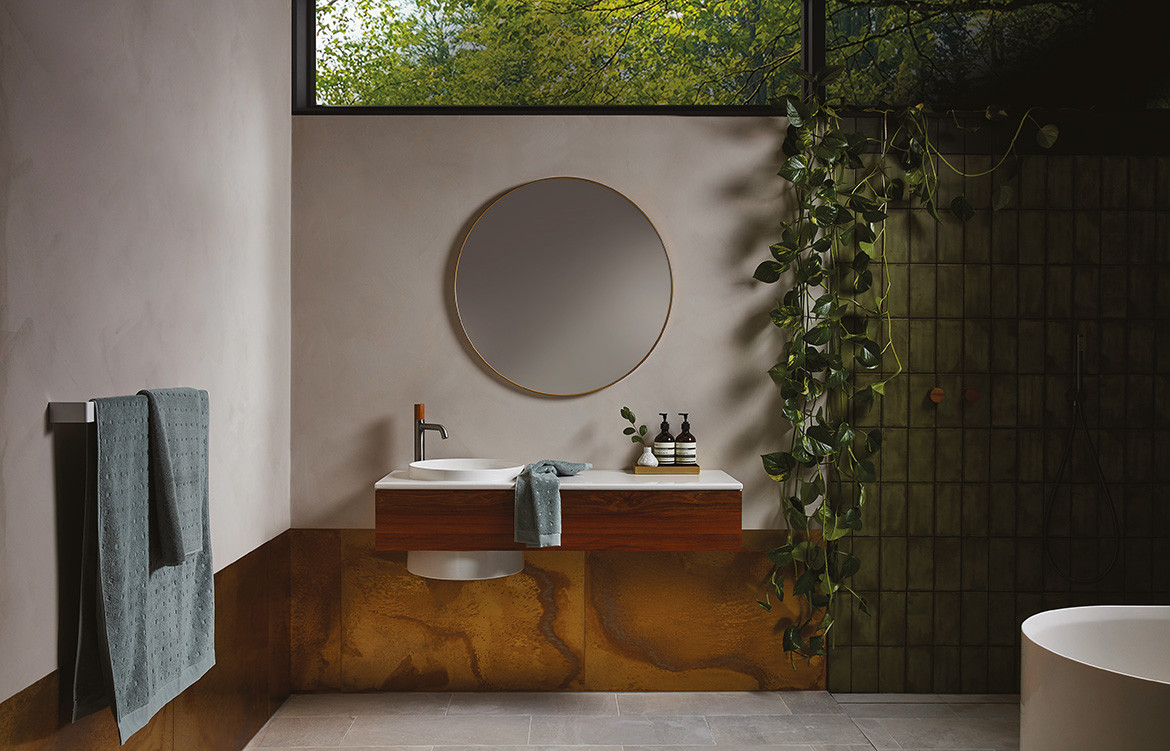


The Next Chapter


Since 1941, Caroma has always paved the way in delivering smart, sustainable and innovative bathroom solutions. Over 75 years of research and practice within the industry, Caroma continues to drive functional, efficient and sustainable ingenuity for the Australian bathroom.


In 1980, Caroma developed the world’s first Dual Flush toilet designed to improve water efficiency, saving approximately 32,000 litres of water per household, through state-of-the-art full flush/half flush technology. In 2007, Caroma introduced its first WELS 5 Star Toilet Suite featuring a cistern with a dual-flush push button and integrated hand basin. Over a decade later, Caroma’s Cleanflush® technology won the Good Design Award – consistently demonstrating their passion for protecting and conserving water to benefit all Australians. 


In 2019, Caroma took a step into uncharted territory with Elvire – the introduction of a new, tactile and natural material that they can proudly put amongst the past products designed with a vision of protecting our resources for the country’s next generation. 
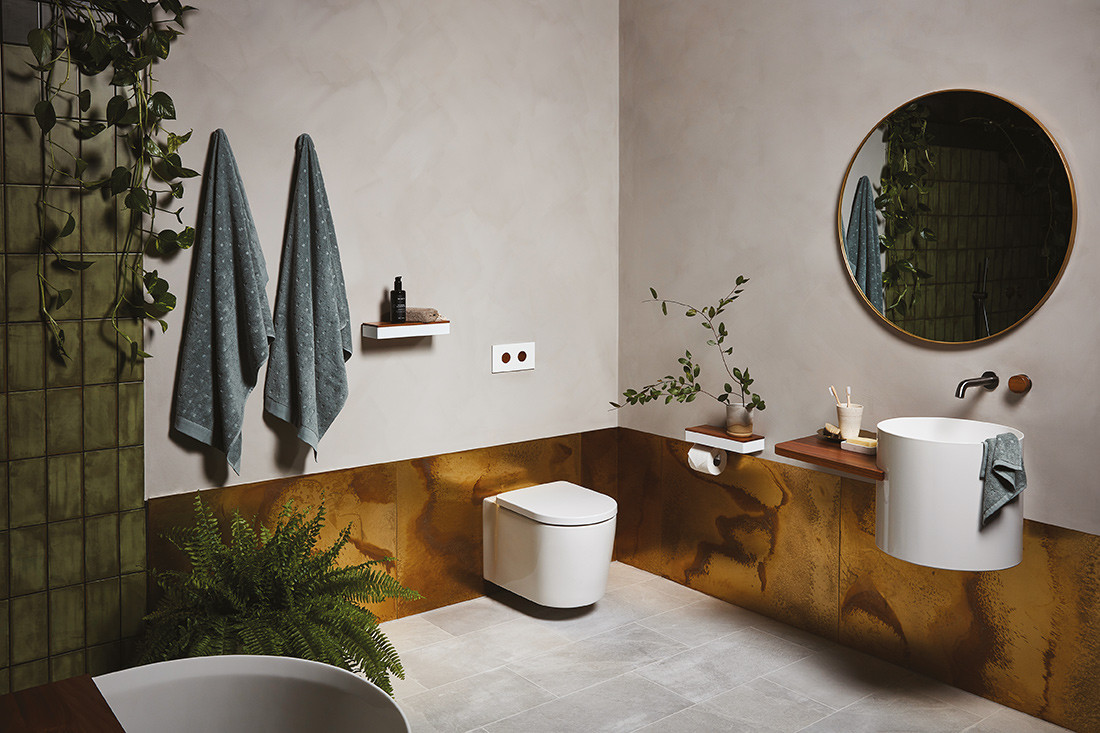


Looking beyond the millennial generation, the concept of ‘new sustainability’ speaks to a wider segment of consumers – one that the industry and market is becoming more familiar with. Caroma has captured this new, revitalised essence of sustainability with Elvire that represents youth, emotion and refreshed production processes through a full suite of bathroomware products from tapware; to hardware; and all the way through the bathroom accessories made from Australian-sourced materials. 


Designer, Luke Di Michiel creates a story of heritage, wellness, connection and a new type of sustainability that rediscovers the beauty of Australian nature and human-centric design. Pushing past notes of functionalism, the bathroom is transformed into a personalised sanctuary – one that is designed for people. Made to support any lifestyle, Elvire is an extension of the way Australians live; their living spaces; and stands as a collection that honours the simplicities of beautiful and ethical design.


Luke notes, “It’s not just about designing a product that looks good and putting it out there for the sake of it – we have to step back and think, ‘how can this actually help society and the present and future of the design industry?”


Caroma recognises changing consumer behaviours and in the last few years, the industry has seen that customers are more inclined to buy products that align with their own sustainable morals and values. How does Luke respond? Through combining his design expertise with passionate creatives within the industry that hold unique and similar philosophies ready to define the next wave of Caroma products. 


Today, Elvire surpasses these consumer expectations with an emphasis in their environmental and consumer responsibility – focusing on local manufacturing, locally sourced materials, design longevity and a new, revitalised collection that’s close to home. 
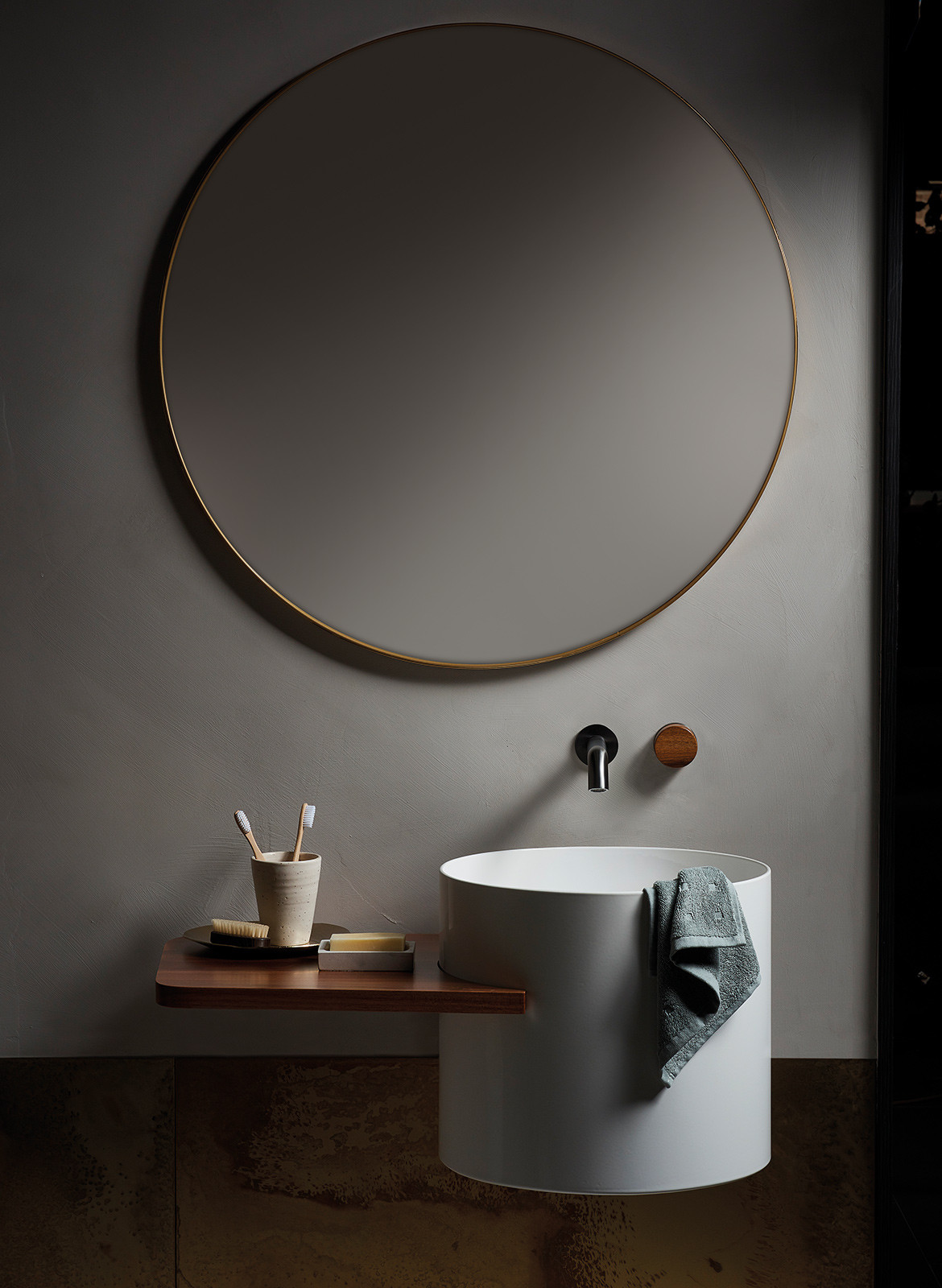


Celebrating Locality


In Australia, our design history demonstrates the influence and integration of overseas trends in our nation’s creative narrative. However, in the last few decades, the Australian design market has seen trailblazing feats in local innovation, craftsmanship and artistry step into the scene. 


Design thinkers and creators, such as Caroma are changing the pace of Australian design; what it means; and redefining the sustainability message of today for the next generation. In partnership with Australian designers such as Port Stephens Joinery and Evostyle, Elvire was able to grow and develop into a collection that is right on-trend at the moment.  
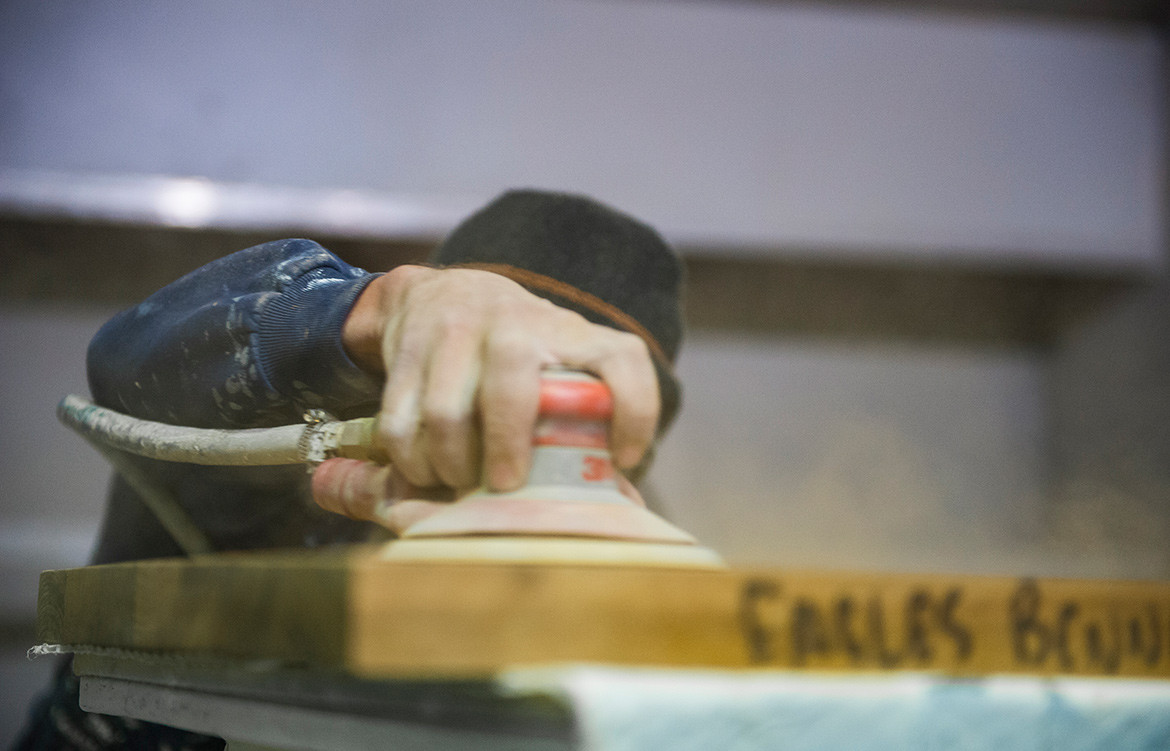


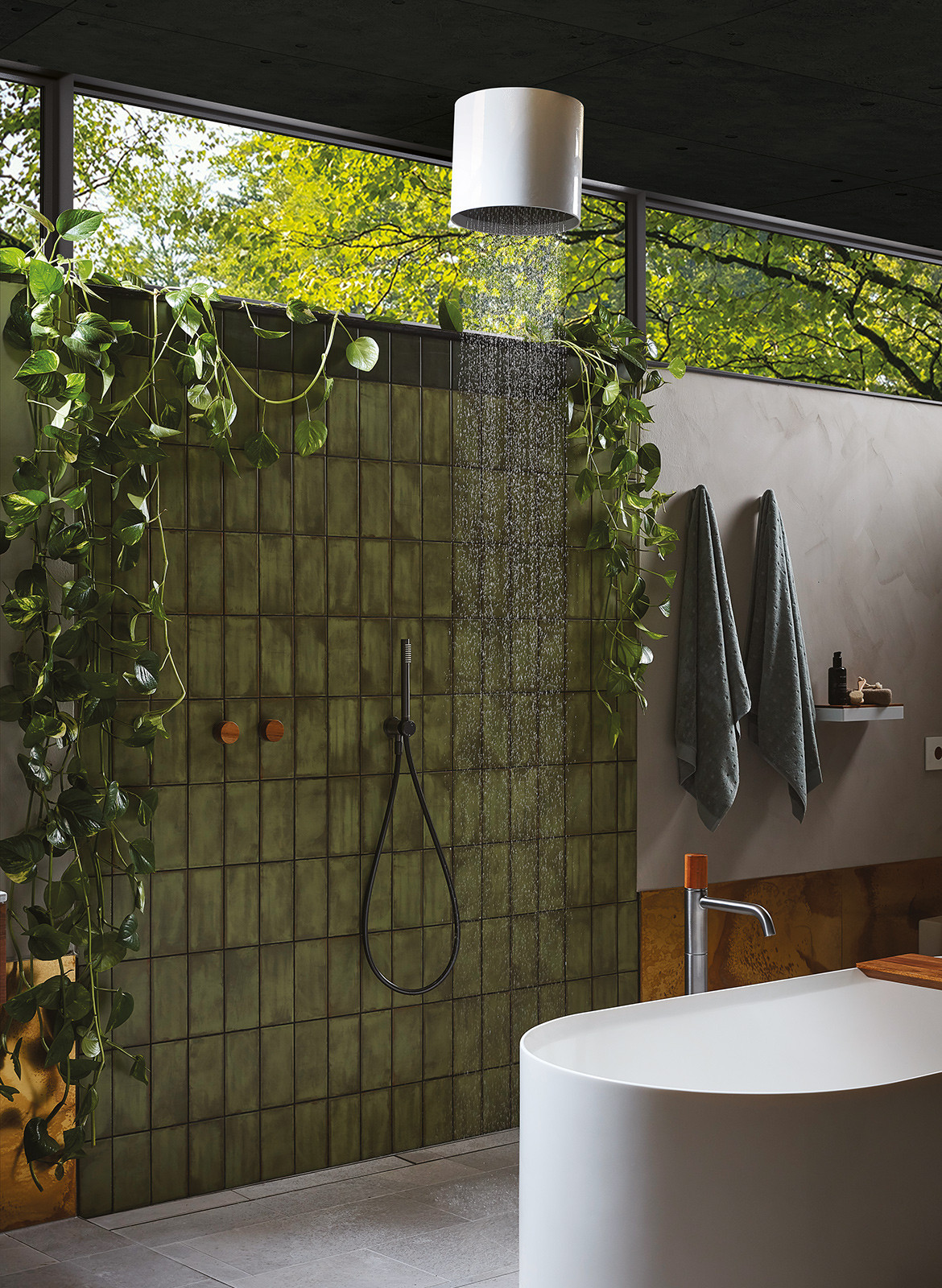
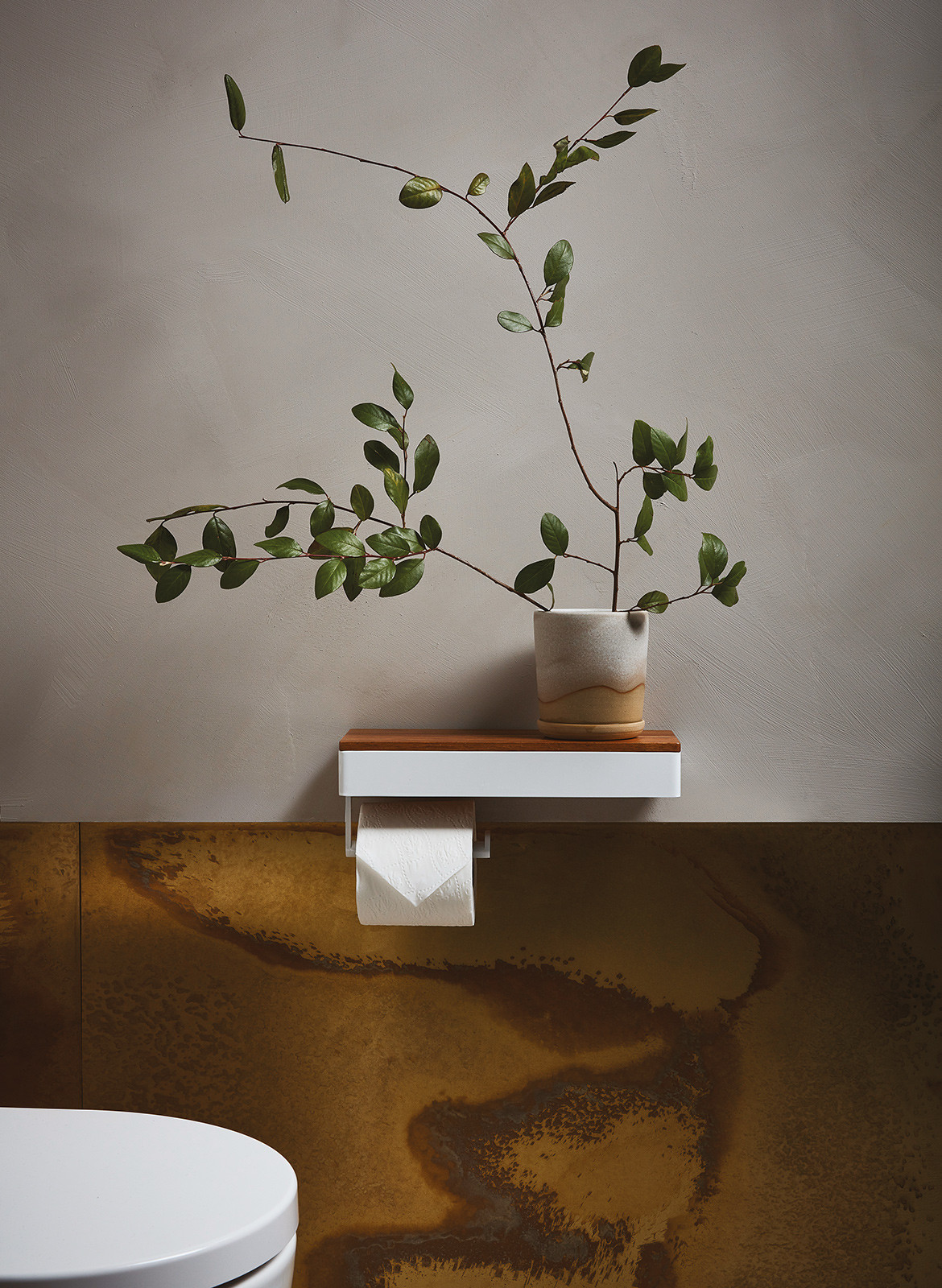
Elvire highlights the beauty of intricate details that are only achievable by the unique material of Tasmanian Oak and Tasmanian Blackwood. For Caroma, this renewable materiality dominates the collection and defines a design narrative that is operating a bit differently than the rest of the world. It’s celebrating the evolution of a new, cohesive and beautifully resolved design language that speaks to incoming generations who are just getting to know Caroma and generations that have been around for years. 


Luke states, “We visited all options from laminate to cheaper American timber options – but there’s nothing quite like Australian timber and having that identity to the range. It gives it a special charm that is undeniably Caroma.”
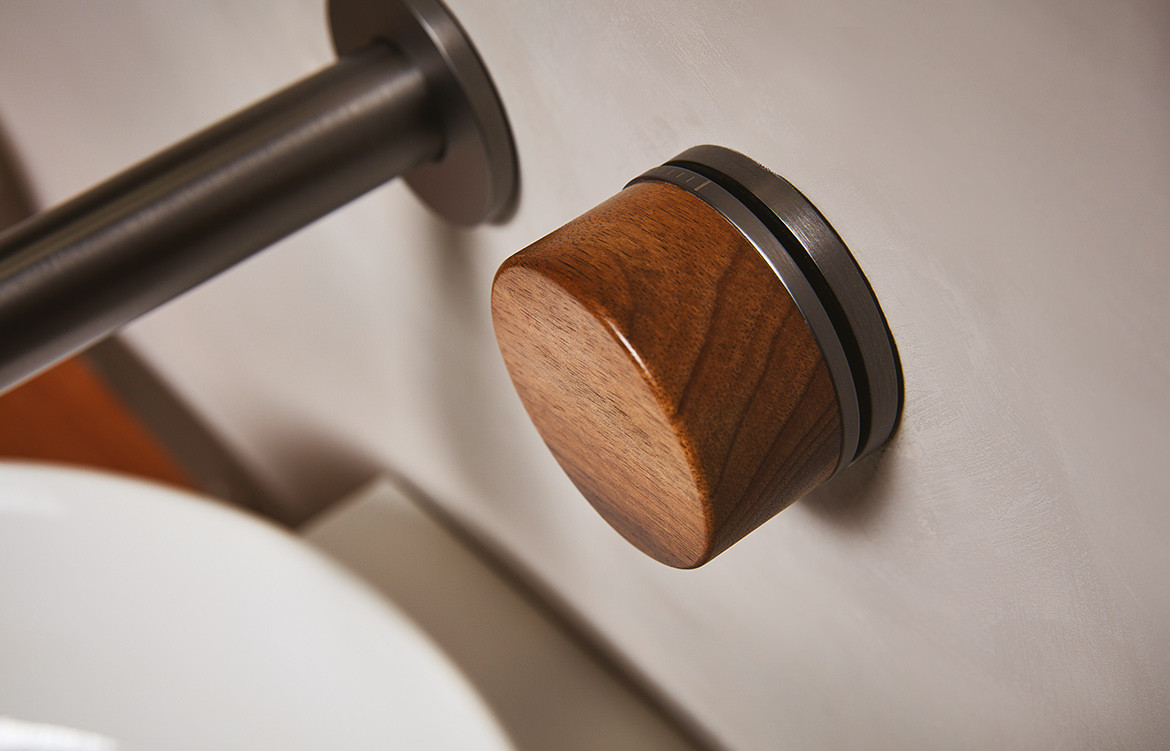


The opportunity to bring in a new, quintessentially Australian element into the sustainability conversation was a significant step for Luke and Caroma. By integrating ethically sourced material from Tasmanian forests, the leading brand showcases their ability to present a beautiful piece of natural material that has been carefully treated with good intention and a lifetime warranty on it. Design longevity is ingrained into all Caroma products with quality elements that strips away any built-in obsolescence. 


“Stepping away from form and function, the timber creates a bigger, stronger focal point and it was beautiful to have this natural material defining our new direction,” Luke expresses. “It’s ultimately the star of the show.”


The raw, natural texture and aesthetic of the Tasmanian Timber speak to a new kind of sophisticated elegance, tailored to any individual and any lifestyle. The unique grain created an organic journey of locality, individuality and sustainability that showcased the best of what Australia has to offer. It pays homage to the heritage of the Australian land, with its innate tactility and unique grain that connects its user to the ground it’s come from. 


Married with the boldness of enamelled steel and gunmetal finishes, Elvire is pivotal – demonstrating the best of progressive local design.


A Collection To Remember


Looking forward to the new decade, there is still a long way to go. Beneath the surface of Elvire lies a complexity that is inimitably Caroma. Through its simplicity in form, tones and material integrity, the design and ethical decisions in this new collection have opened a new dialogue for the bathroom pioneers. Though Caroma has had significant feats and contributions since its inception, this is just the beginning. A firm believer in good, honest and sustainable design, Caroma demonstrates the human capacity to reshape, rebuild and restore the past, present and future spaces of tomorrow.


The post Design For The Next Generation appeared first on Habitusliving.com.

понедельник, 17 февраля 2020 г.

Without Empathy, There Is No Good Design

Ilse Crawford is a designer, academic, and creative director with a simple mission: to put humanistic needs at the heart of her life’s work. As founder of multidisciplinary design practice, Studioilse, she works with her talented team to bring this vision to life, having designed spaces for the likes of Soho House Group and Aēsop, as well as sustainable furniture collections for Ikea.


Fundamental to Ilse’s practice is to approach every project or problem with empathy and humility. “Good design is more than the way something looks,” she stresses, “it’s about wellbeing and making life better – not just for us, but for others and the environment.” This holistic notion of design for wellbeing is one that is permeating each and every facet of contemporary design, yet one that is particularly critical in built environment fields.


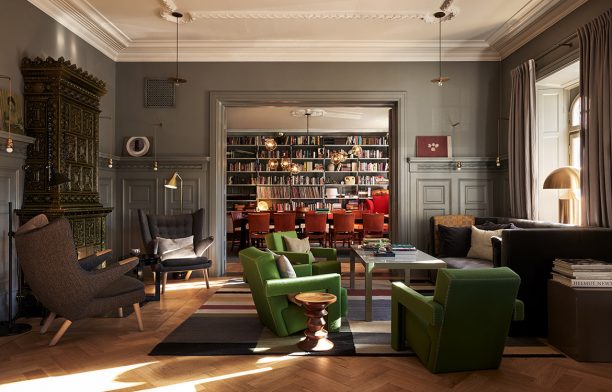
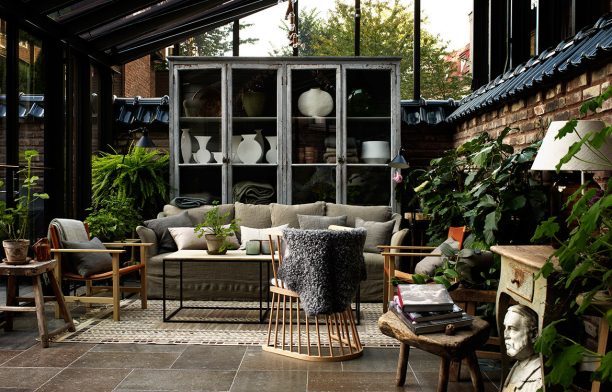
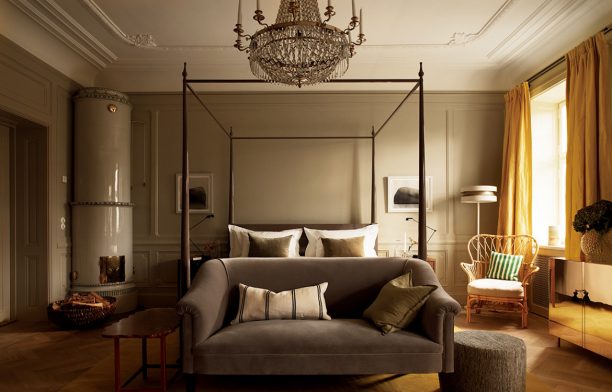
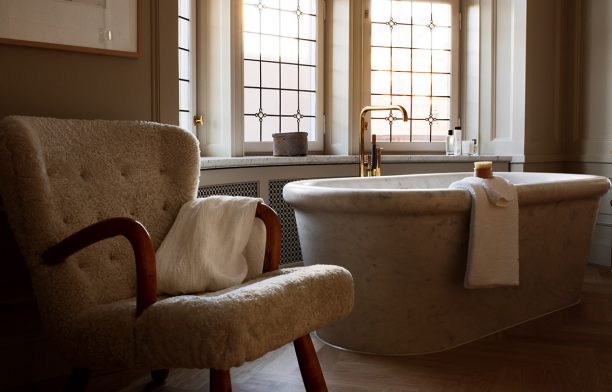
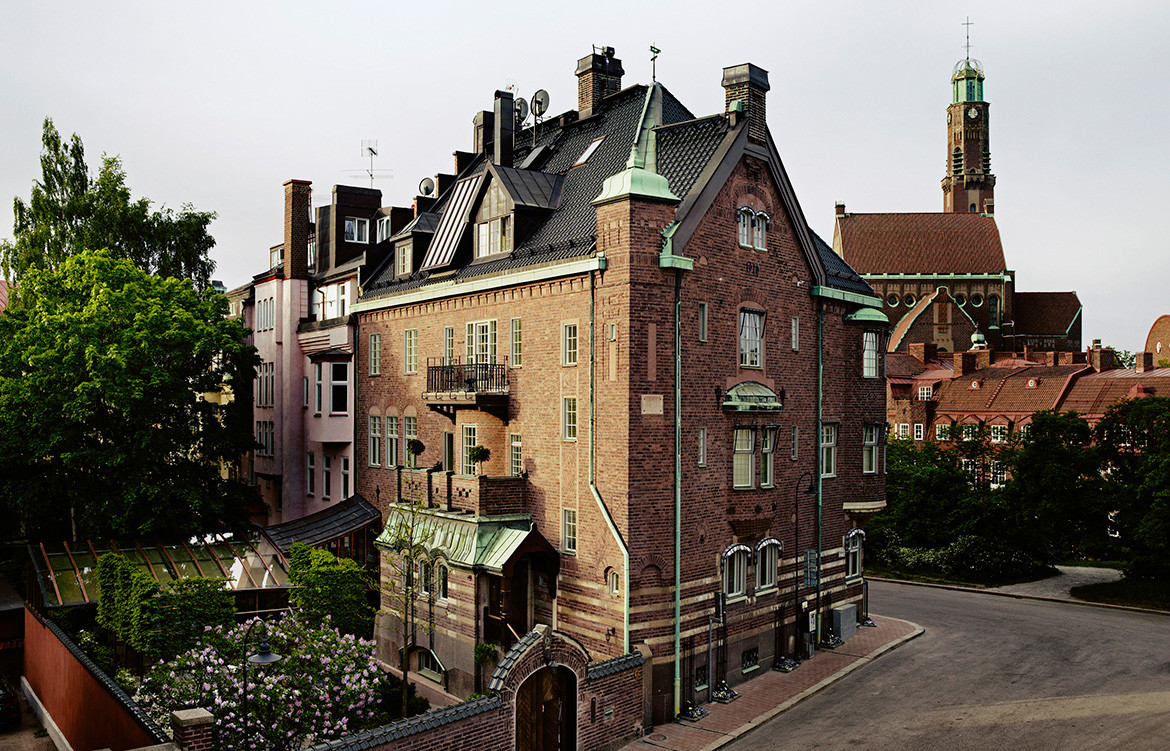
“We spend 87% of our lives inside buildings,” Ilse states, “how they’re designed really affects how we feel and how we live.” This attention to wellness and wellbeing in design is exemplified in Studioilse’s project Ett Hem, a hotel in Stockholm, Sweden, that truly embodies the native meaning of its name, ‘a home’.


Originally designed by architect Fredrik Dahlberg and built in 1910, this architectural gem from the Arts & Crafts era was once upon a time the residence of a government official and his wife who were avid art and design lovers.


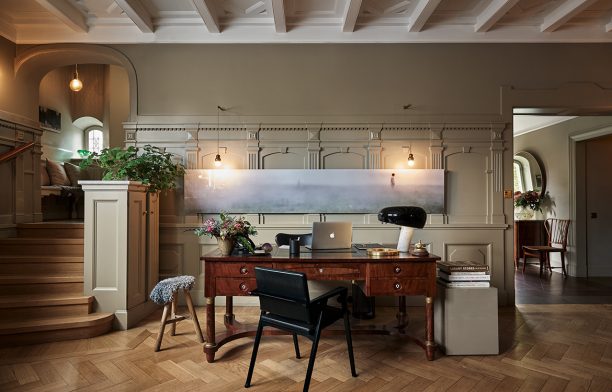
In reimagining the residence as a hotel, Studioilse worked with great sensitivity to preserve the personal quality of Ett Hem and embed it in the hotel. This meant going above and beyond simply designing a hotel with a homey aesthetic to continuing the story of the home that already existed. As such, Ett Hem’s design revolved not around how a hotel can be made to look and feel like a home, but rather around how people might be made to feel cared for and valued.


“Hotels often offer a lot of services on the surface but the only actual interaction taking place is putting in an order and receiving it on your bill,” says Ilse, “We based the concept on the idea of warm and intelligent human contact throughout and designed into that. The kitchen is shared by guests and the chefs who use local produce and ingredients and are able to talk about that. We carefully selected sustainable brands and producers. We wanted to create a system where the money you spend goes back into good companies.”


Studioilse’s work is testament to the fact that wellness and wellbeing goes further than just an ideal tagged onto an end result. To design for wellbeing is to think in ecosystems – taking into consideration where things come from, who they sustain, where they go and how its crafted and how it can change the way we live.


Watch the complete short film Wellness and Wellbeing presented by Ilse Crawford for VOLA below:


On design is a digital platform created by Vola to shine a spotlight on elegantly resolved architectural projects from across the globe and share the insightful and inspiring perspectives of pioneering industry professionals. Wellness and Wellbeing is On design’s third film feature, so there’s even more juice where this came from. For instance, a personal account of the intrinsic relationship between Danish culture and design from Jonas Bjerre-Poulsen, founding partner of Norm Architects.


VOLA
vola.com/on-design


We think you might also like vaatsu shastra and design for wellbeing


The post Without Empathy, There Is No Good Design appeared first on Habitusliving.com.
Without Empathy, There Is No Good Design

Ilse Crawford is a designer, academic, and creative director with a simple mission: to put humanistic needs at the heart of her life’s work. As founder of multidisciplinary design practice, Studioilse, she works with her talented team to bring this vision to life, having designed spaces for the likes of Soho House Group and Aēsop, as well as sustainable furniture collections for Ikea.

Fundamental to Ilse’s practice is to approach every project or problem with empathy and humility. “Good design is more than the way something looks,” she stresses, “it’s about wellbeing and making life better – not just for us, but for others and the environment.” This holistic notion of design for wellbeing is one that is permeating each and every facet of contemporary design, yet one that is particularly critical in built environment fields.

“We spend 87% of our lives inside buildings,” Ilse states, “how they’re designed really affects how we feel and how we live.” This attention to wellness and wellbeing in design is exemplified in Studioilse’s project Ett Hem, a hotel in Stockholm, Sweden, that truly embodies the native meaning of its name, ‘a home’.

Originally designed by architect Fredrik Dahlberg and built in 1910, this architectural gem from the Arts & Crafts era was once upon a time the residence of a government official and his wife who were avid art and design lovers.

In reimagining the residence as a hotel, Studioilse worked with great sensitivity to preserve the personal quality of Ett Hem and embed it in the hotel. This meant going above and beyond simply designing a hotel with a homey aesthetic to continuing the story of the home that already existed. As such, Ett Hem’s design revolved not around how a hotel can be made to look and feel like a home, but rather around how people might be made to feel cared for and valued.

“Hotels often offer a lot of services on the surface but the only actual interaction taking place is putting in an order and receiving it on your bill,” says Ilse, “We based the concept on the idea of warm and intelligent human contact throughout and designed into that. The kitchen is shared by guests and the chefs who use local produce and ingredients and are able to talk about that. We carefully selected sustainable brands and producers. We wanted to create a system where the money you spend goes back into good companies.”


Studioilse’s work is testament to the fact that wellness and wellbeing goes further than just an ideal tagged onto an end result. To design for wellbeing is to think in ecosystems – taking into consideration where things come from, who they sustain, where they go and how its crafted and how it can change the way we live.

Watch the complete short film Wellness and Wellbeing presented by Ilse Crawford for VOLA below:

On design is a digital platform created by Vola to shine a spotlight on elegantly resolved architectural projects from across the globe and share the insightful and inspiring perspectives of pioneering industry professionals. Wellness and Wellbeing is On design’s third film feature, so there’s even more juice where this came from. For instance, a personal account of the intrinsic relationship between Danish culture and design from Jonas Bjerre-Poulsen, founding partner of Norm Architects.

VOLA
vola.com/on-design

We think you might also like vaatsu shastra and design for wellbeing

The post Without Empathy, There Is No Good Design appeared first on Habitusliving.com.
пятница, 14 февраля 2020 г.

A Look Inside Grand Seiko’s 9S Hi-Beat Mechanical Movement

High-beat movements, or calibers that run at 36,000 beats-per-hour/10 beats-per-second, are relatively uncommon in the industry today. The prevailing standard for quite some time now has been 28,800 beats-per-hour, or 8 beats-per-second, and it’s for good reason. These movements strike an excellent compromise as far as overall performance is concerned, with 28,800bph calibers being capable of excellent timekeeping without undue wear and tear on components.

Grand Seiko Ref. SBGJ219, one of the brand’s “Hi-Beat” GMTs.

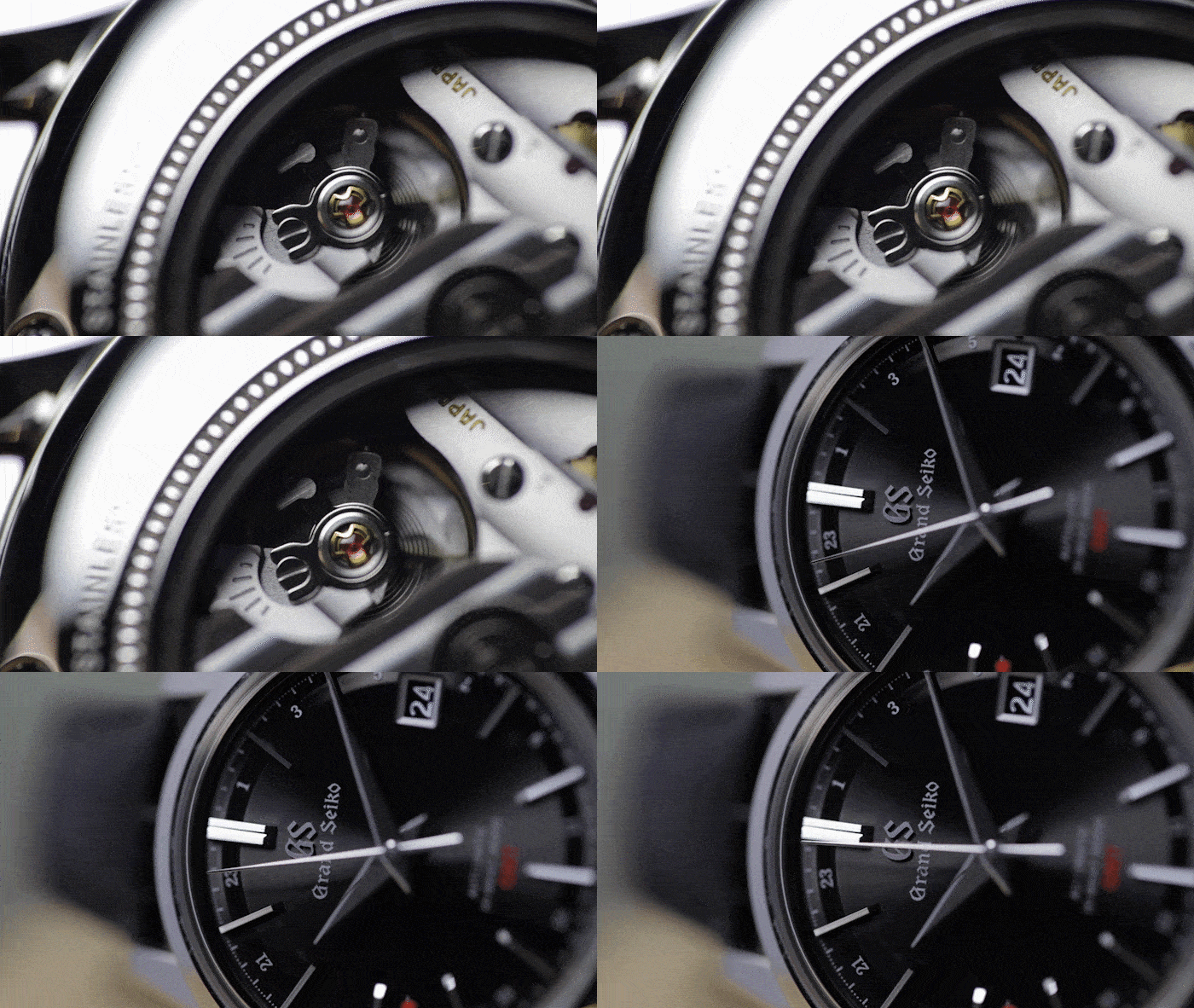
Nevertheless, high-beat movements are exceptionally cool and come with two notable advantages. The first is aesthetic — higher-beat movements feature second hands with a smoother sweep. Advancing at 10 beats-per-second, a high-beat second hand glides elegantly across the dial, further masking the start-stop operation of the escapement which one can still make out in slower rate movements.

The second advantage is greater reliability. Ultimately, a balance operating at a faster beat rate will show greater resilience to external rotational forces, like sudden shocks, which in turn results in more reliable daily timekeeping.

But as I briefly mentioned into above, higher-beat movements are not without their downsides, chief among them a decreased power reserve and increased wear and tear on components. So when Grand Seiko approached their modern high-beat movements,, which they call “Hi-Beat,” these concerns were top of mind. Ultimately, by employing state of the art manufacturing processes to ingenious architecture, Grand Seiko’s engineers were able to devise modern Hi-Beat movements that are beautiful, hard wearing, and reliable.

Here you can really see the smoother sweep of a “Hi-Beat” movement.

Let us take a closer look at Grand Seiko’s Hi-Beat mechanicals, starting with the all-important mainspring.

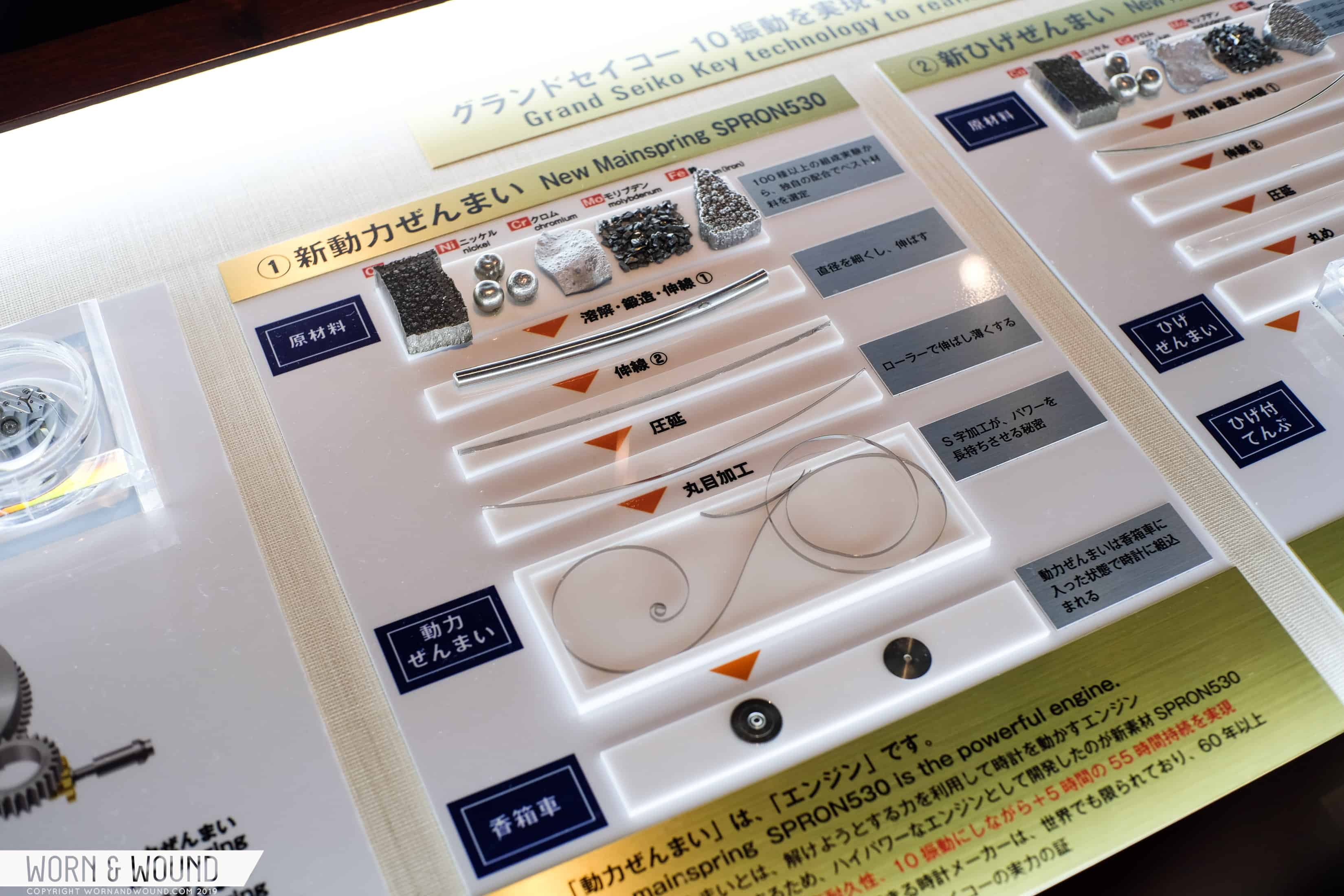
Breaking down Spron 530.

Grand Seiko’s engineers needed a special type of mainspring with 1.5 times the torque of your standard mainspring. Grand Seiko works with a proprietary metallic alloy they call Spron, and for their purposes here they developed a special reinforced variant dubbed Spron 530. This mainspring has the right amount of torque needed to achieve the higher beat rate, and it also manages a higher-than-average power reserve of 55 hours, also notable because higher-beat movements naturally consume more energy.

“Ultimately, a balance operating at a faster beat rate will show greater resilience to external rotational forces, which in turn results in more reliable daily timekeeping.”

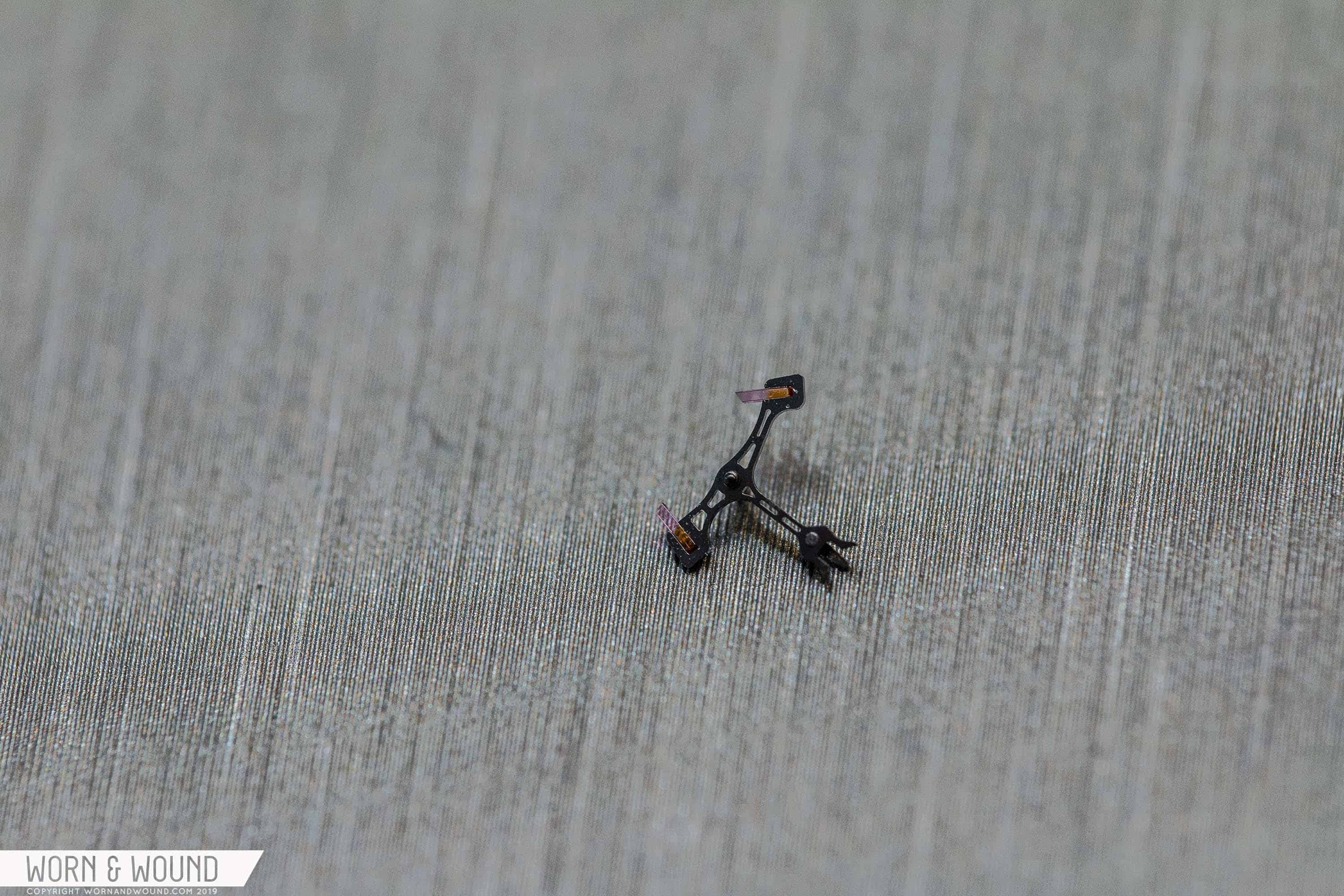
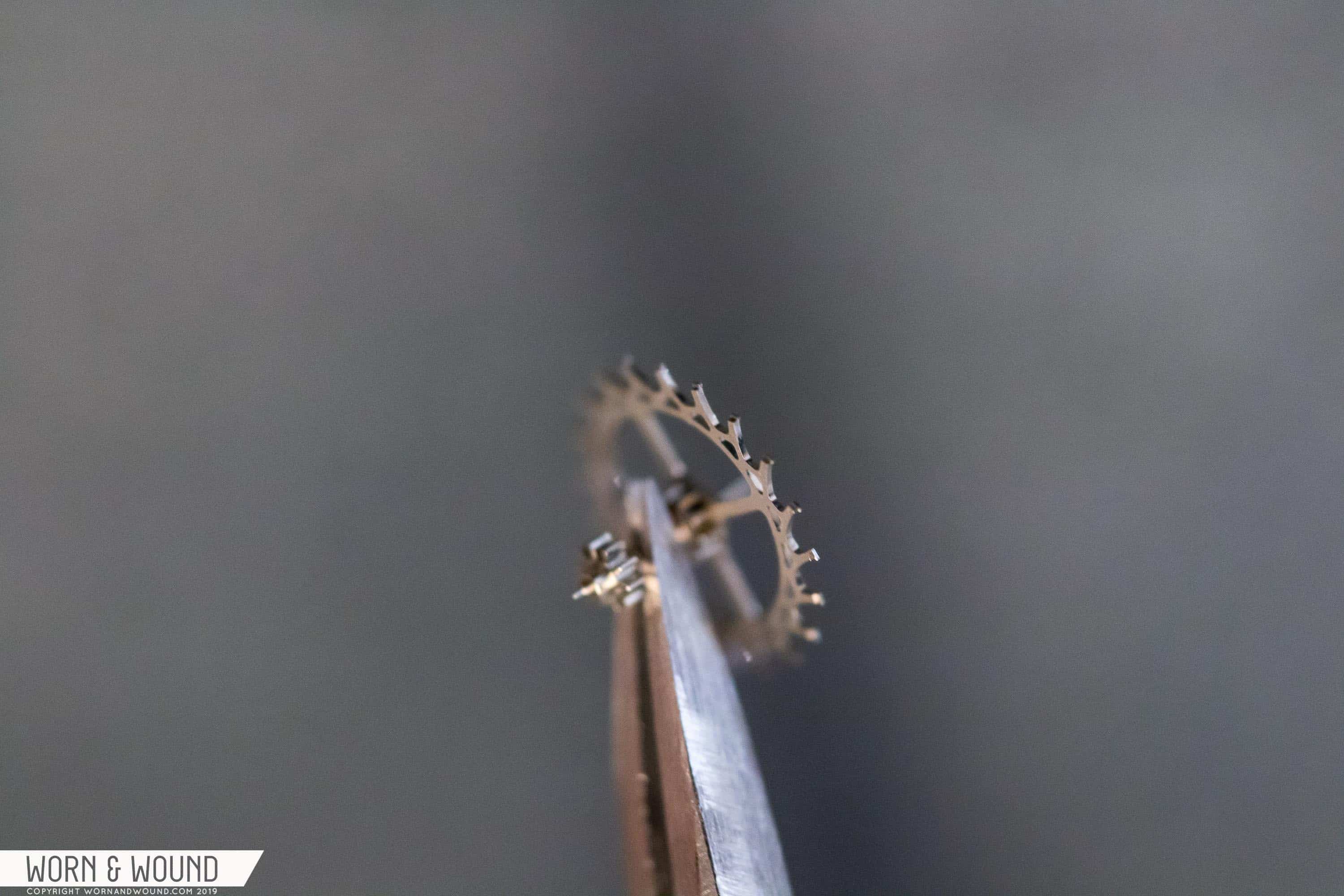
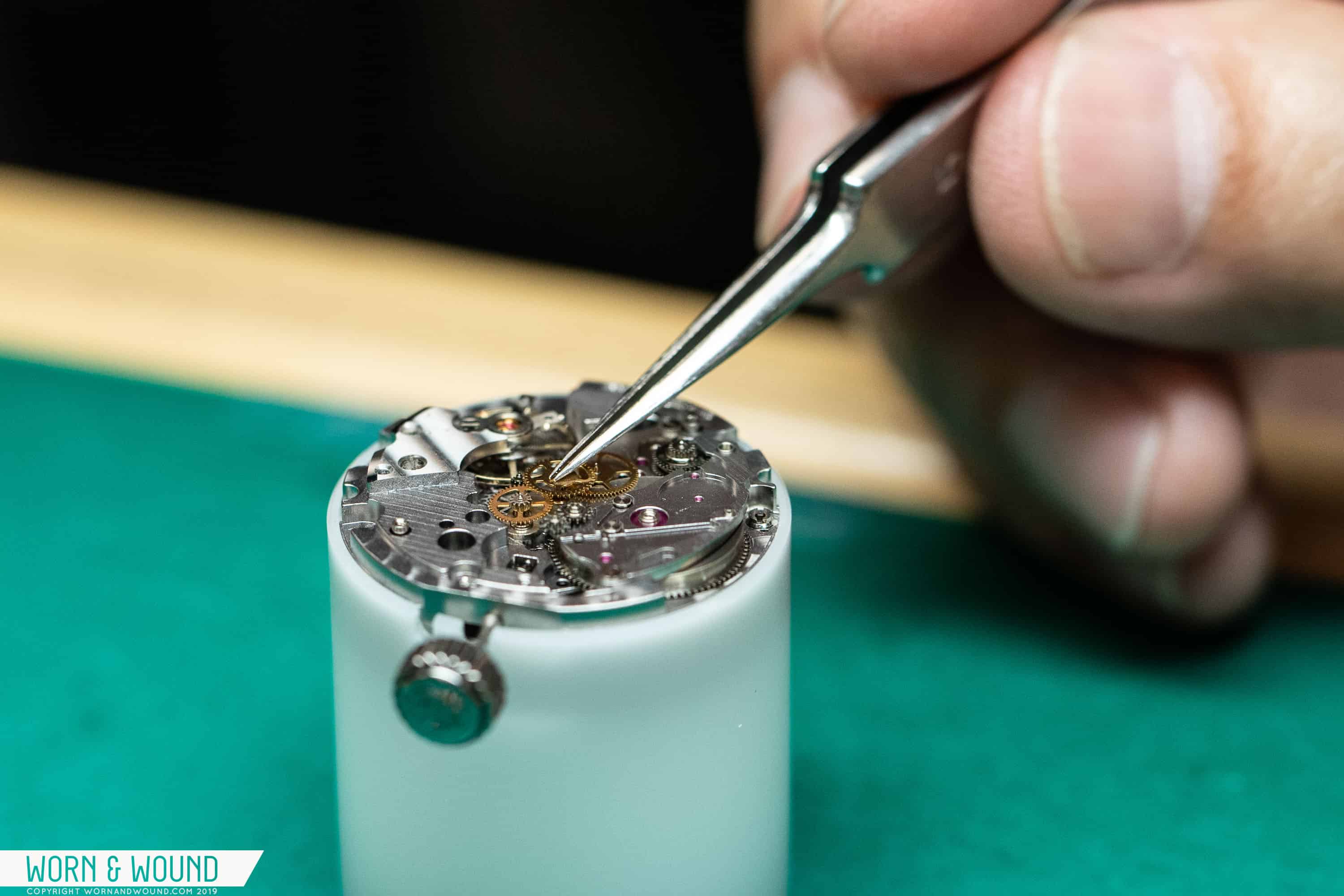
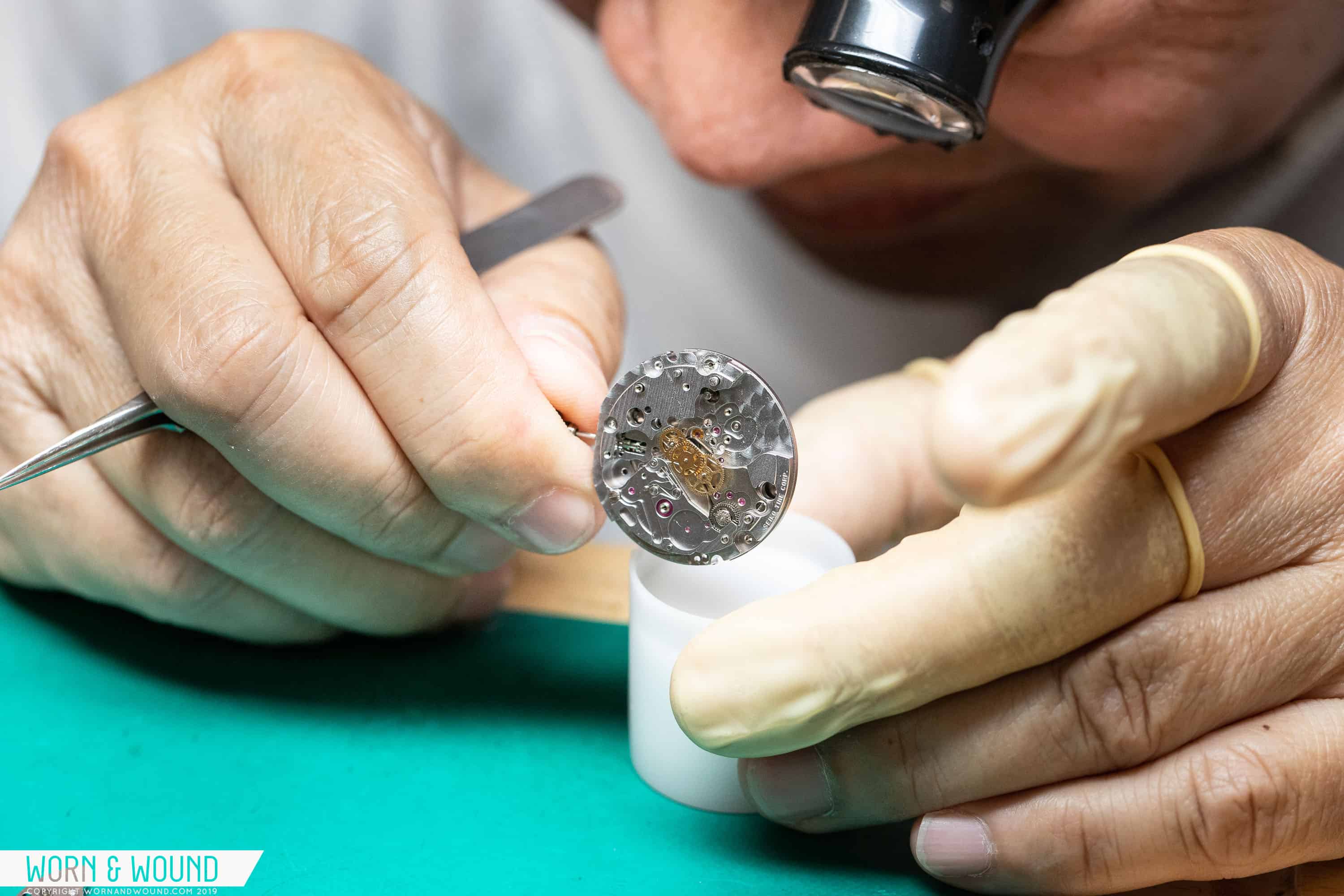
Speaking of energy consumption, this is where MEMS comes into play. Now, if you’re at all familiar with Grand Seiko, you may have heard of MEMS without truly understanding what it is and why it’s important. So without getting overly technical about it, MEMS stands for Micro-Electro-Mechanical Systems, and it’s essentially a highly advanced manufacturing process Grand Seiko brought over from the production of semi conductors. Grand Seiko uses MEMS to fabricate certain precision metal parts for their 9S movements, and through this process they’re able to achieve structures that would otherwise be difficult to produce through traditional machine cutting. Additionally, parts produced via MEMS feature smoother surfaces, which minimizes friction, a major source of energy loss inside a movement.

Pallet fork.

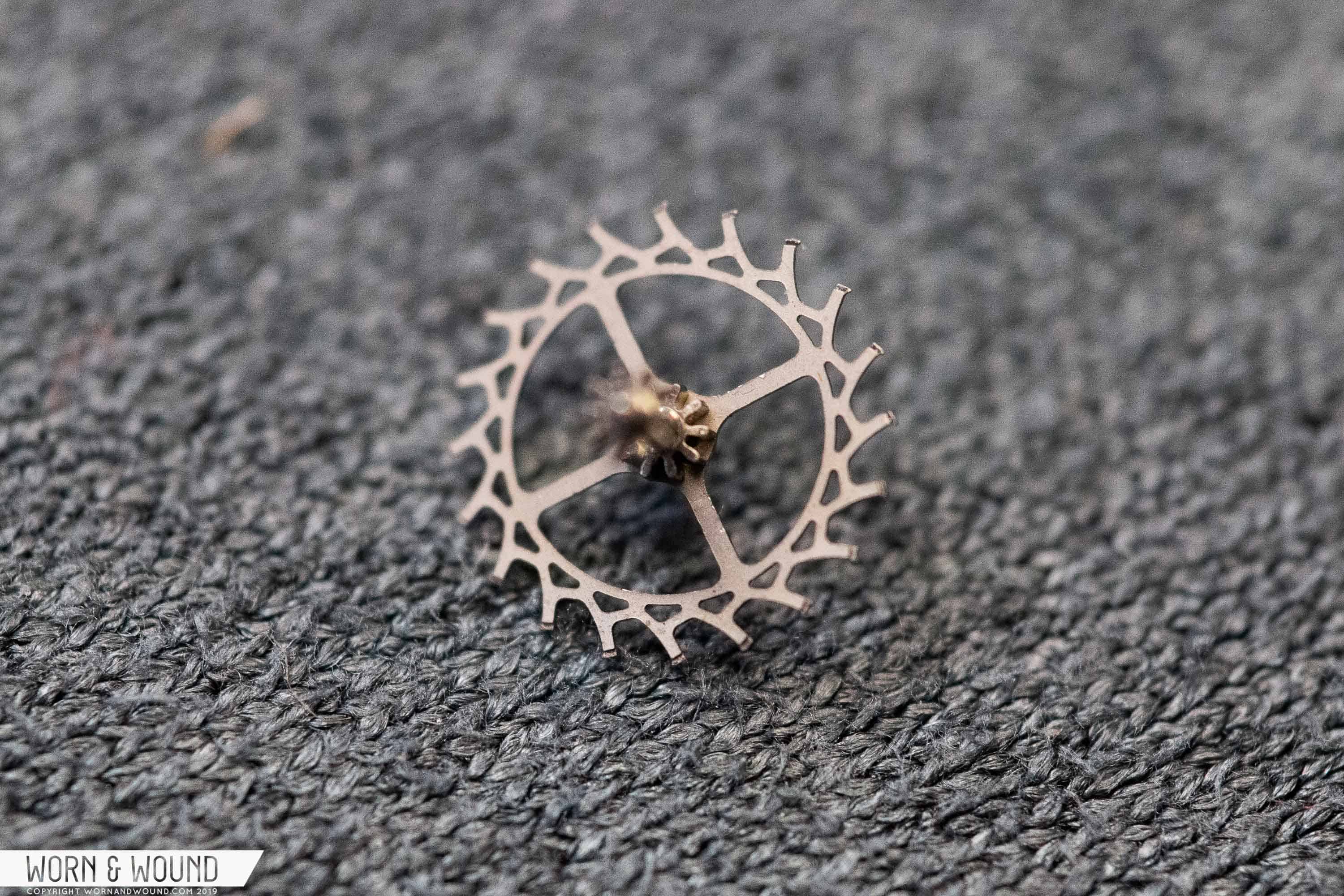
Escape wheel.

Note the L-shaped tips on the escape wheel.

Two components Grand Seiko produces with MEMS are the escape wheel and the pallet fork. Through MEMS, Grand Seiko makes skeletonized escape wheels that are 5% lighter and pallet forks that are 25% lighter than their conventional counterparts. Furthermore, to address the higher degree of wear and tear sustained by hi-beat calibers, these parts are engineered for the purposes of better oil retention. If you look closely at Grand Seiko’s escape wheel, you’ll notice that in addition to the unique skeletonized structure, the cogs feature L-shaped tips designed to better retain lubricant for a longer period of time.

As far as the architecture is concerned, Grand Seiko’s watchmakers also had to redesign the gear train, but they took a different and significantly better approach than what would be considered more common. What generally happens with higher-beat movements is watchmakers will add more teeth to the gear train’s fourth wheel, or the wheel that drives the second hand, to achieve a higher gear ratio. While this is a solution, it is not a great one, because in order to add more teeth, you have to decrease their size, and doing so can cause slippage between gears and results in less stable transmission of energy. Also, smaller teeth are more fragile, and therefore more prone to breaking.  So Grand Seiko’s engineers came up with an excellent solution — they added an extra wheel to the gear train, allowing them to achieve the appropriate gear ratio without sacrificing stability.

Note the extra wheel on the gear train.


Ultimately, what you get from Grand Seiko here is an incredibly accurate movement, with Grand Seiko rating their Hi-Beat calibers to +5/-3 seconds a day, a spec that is well beyond what the COSC specifies. Hi-Beat models marked “Special” have even greater tolerances of +4/-2 seconds a day, and VFA, or Very Fine Adjusted models, are calibrated to a whopping +3 -1 second a day.

To read other installments in this series, click here. To explore Grand Seiko’s 9S Hi-Beat, visit Grand Seiko.

Movements and watches featured are instructional samples. No Grand Seiko watches or movements were hurt in the making of this series.

The post A Look Inside Grand Seiko’s 9S Hi-Beat Mechanical Movement appeared first on Worn & Wound.

понедельник, 10 февраля 2020 г.

The Timeless Charm Of French Lighting

With over 50 years’ experience in designing the finest in French lighting, CVL Luminaires is well known in the design community the world over for their unique, eye-catching and conversation starting lamps, pedestal lights, sculptural lighting and more.


Thanks to the Misura, the entirely French made collection of wall-lamps, floor lamps, suspension lighting and pendant lamps is available for Australian design lovers. The entire CVL range of fine French lighting is undeniably inspired, but here are a few HabitusLiving favourites…


Calé(e)


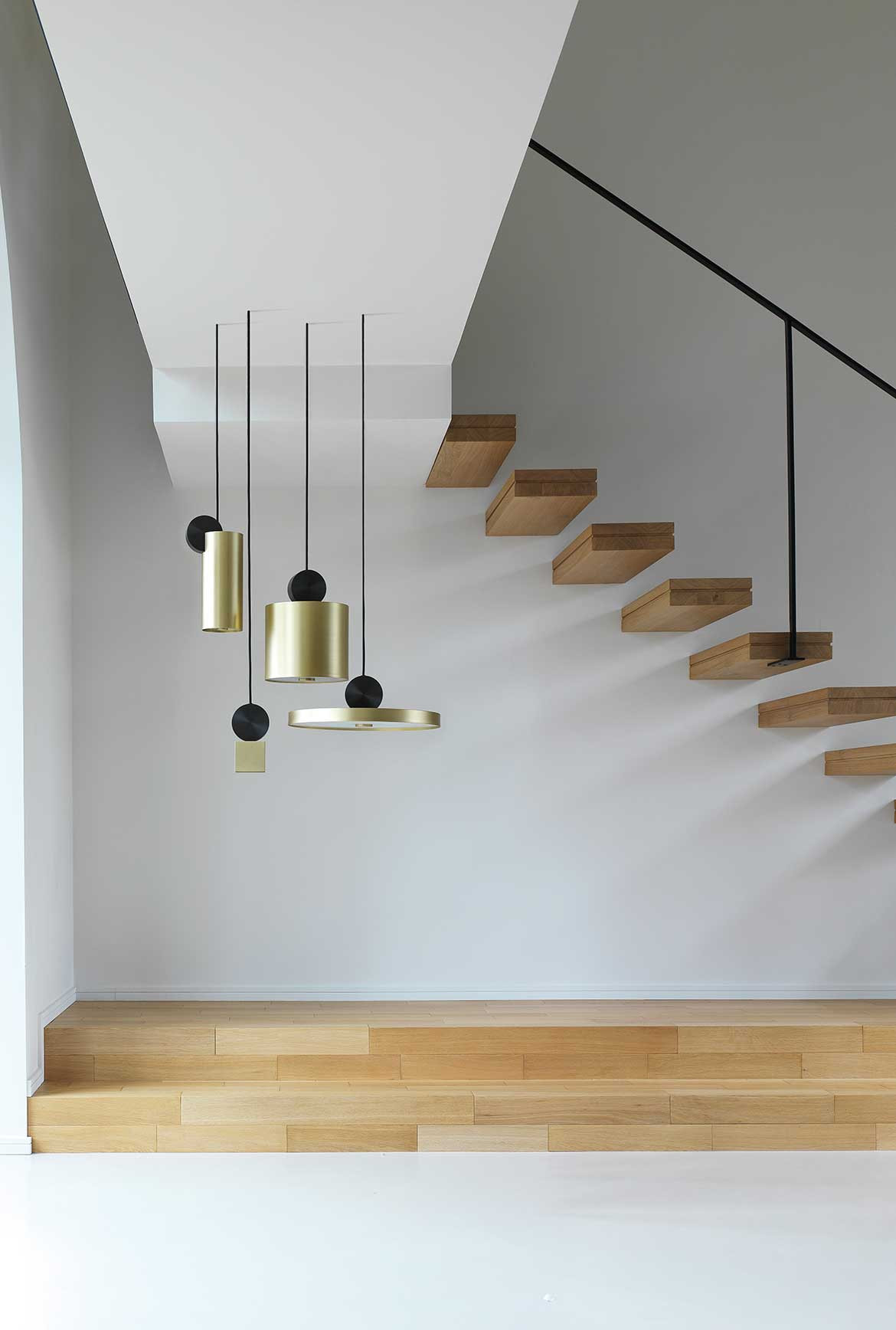
Composed of an assembly of designs, the Calé(e) collection offers a range of geometric patterns, where a sense of imbalance gives way to simple, linear and sophisticated designs.


The Calé(e) pendant lamps can be hung as a single canopy, arranged either rectangular or circular formations, with the rectangular arrangements being able to be custom-designed for any size to suit every environment.


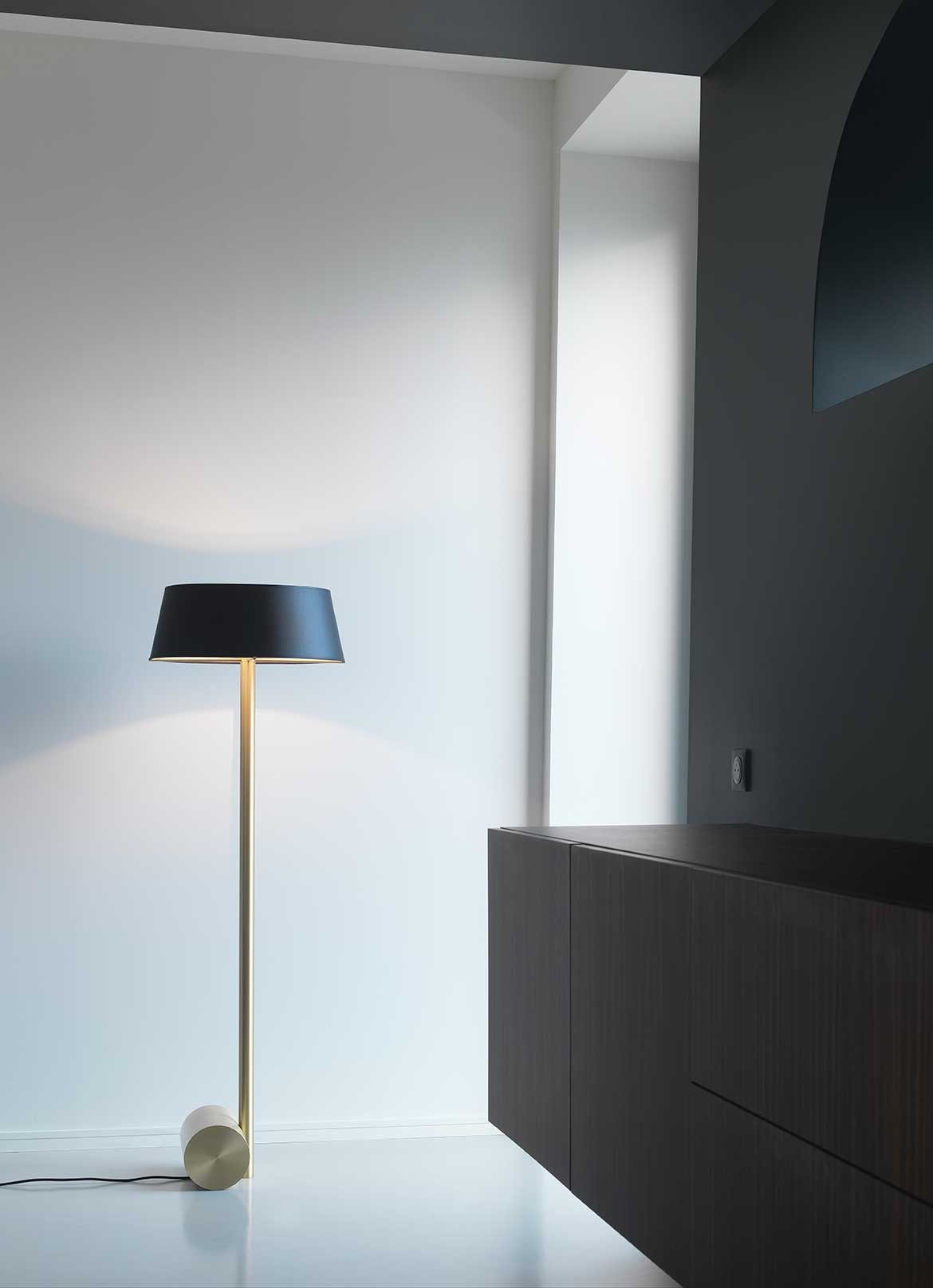
The Calé(e) floor lamp brings the same sense of geometric design and playfulness with balance to a handsome standing lamp. The offset cylinder at its base creates a sense of strength against the slim stand of the lamp.


Cercle et Trait


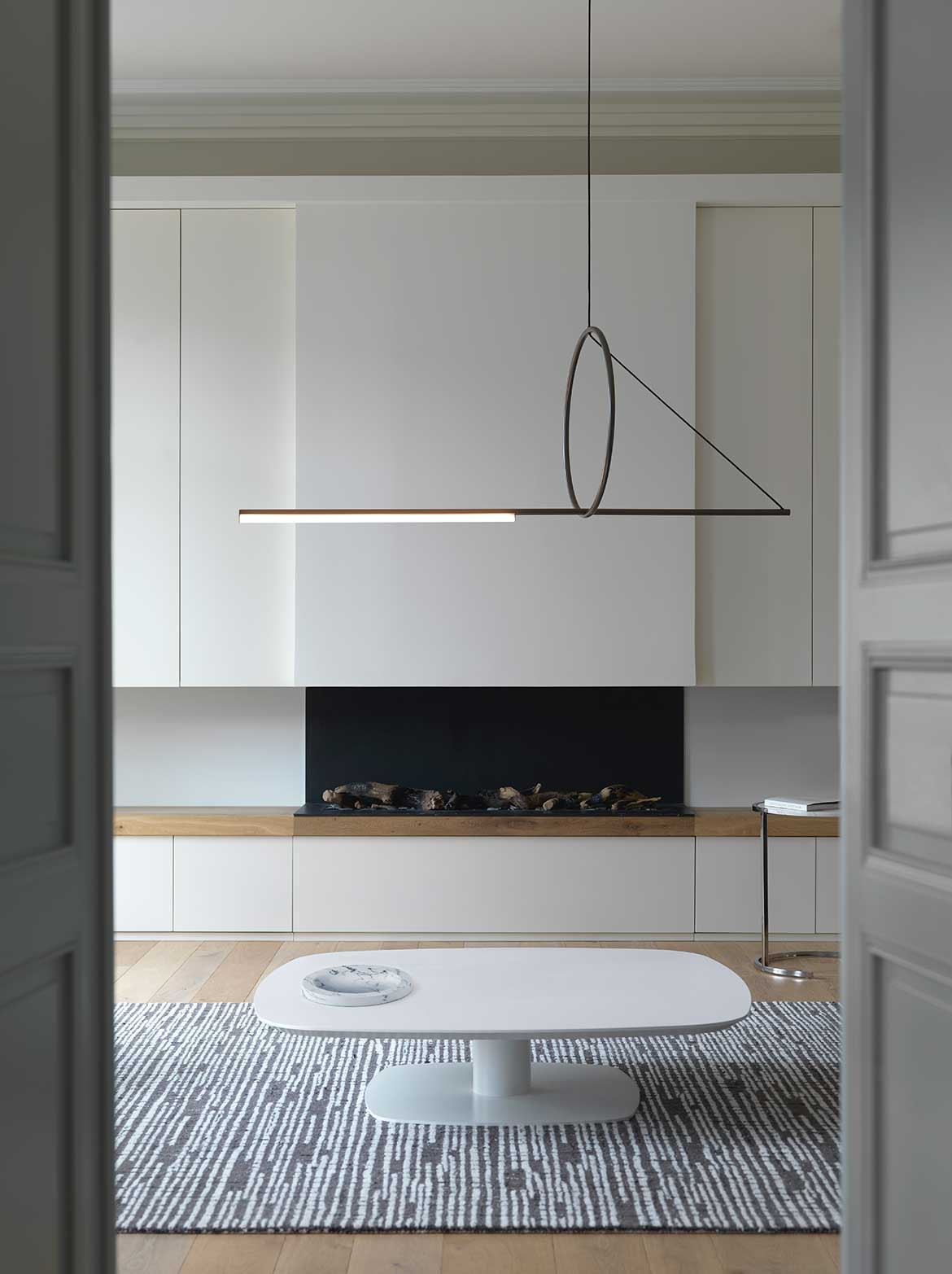
As light as it looks, the design of the Cercle & Trait light is surprisingly sturdy. Thanks to perfectly balanced separate pieces, the eye-catching light will remain in place as it shines, held together by one small wire.


Constellation


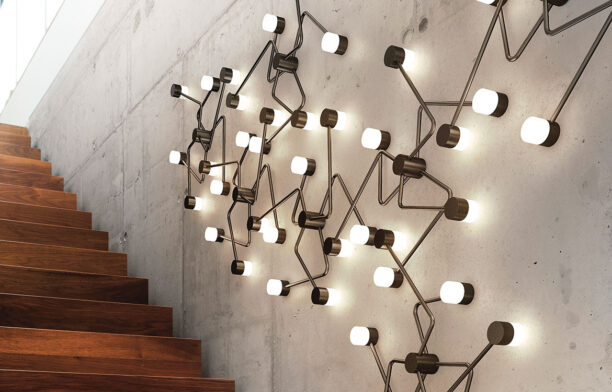
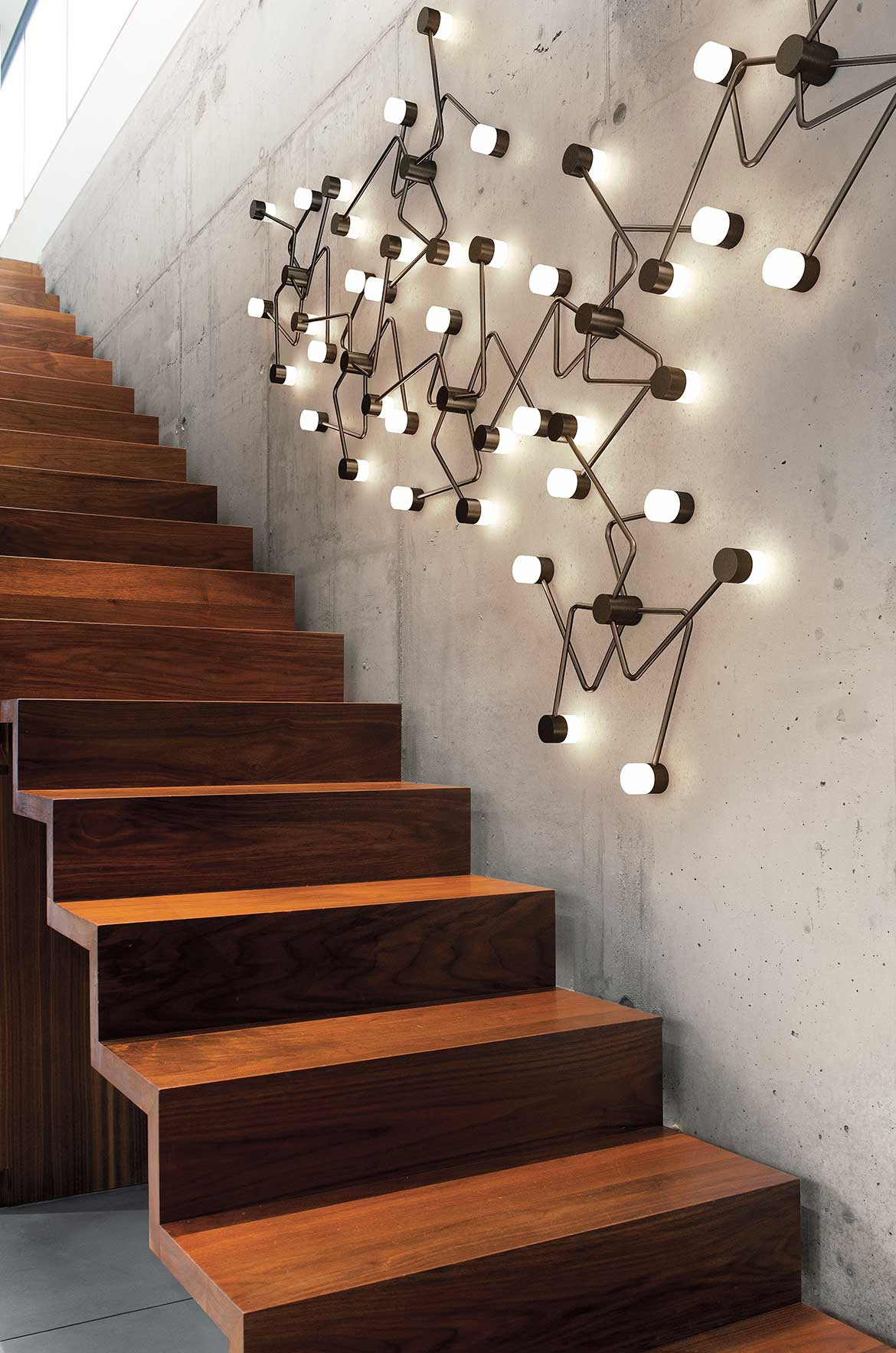
Asymmetric and appearing to be multiplying, Constellation offers an endless of arrangement and placing possibilities, auditing every space and style. Working as either a wall unit or a ceiling fixture, the individual lights can be positioned in any desired pattern, all working from one electrical outlet.


Signal


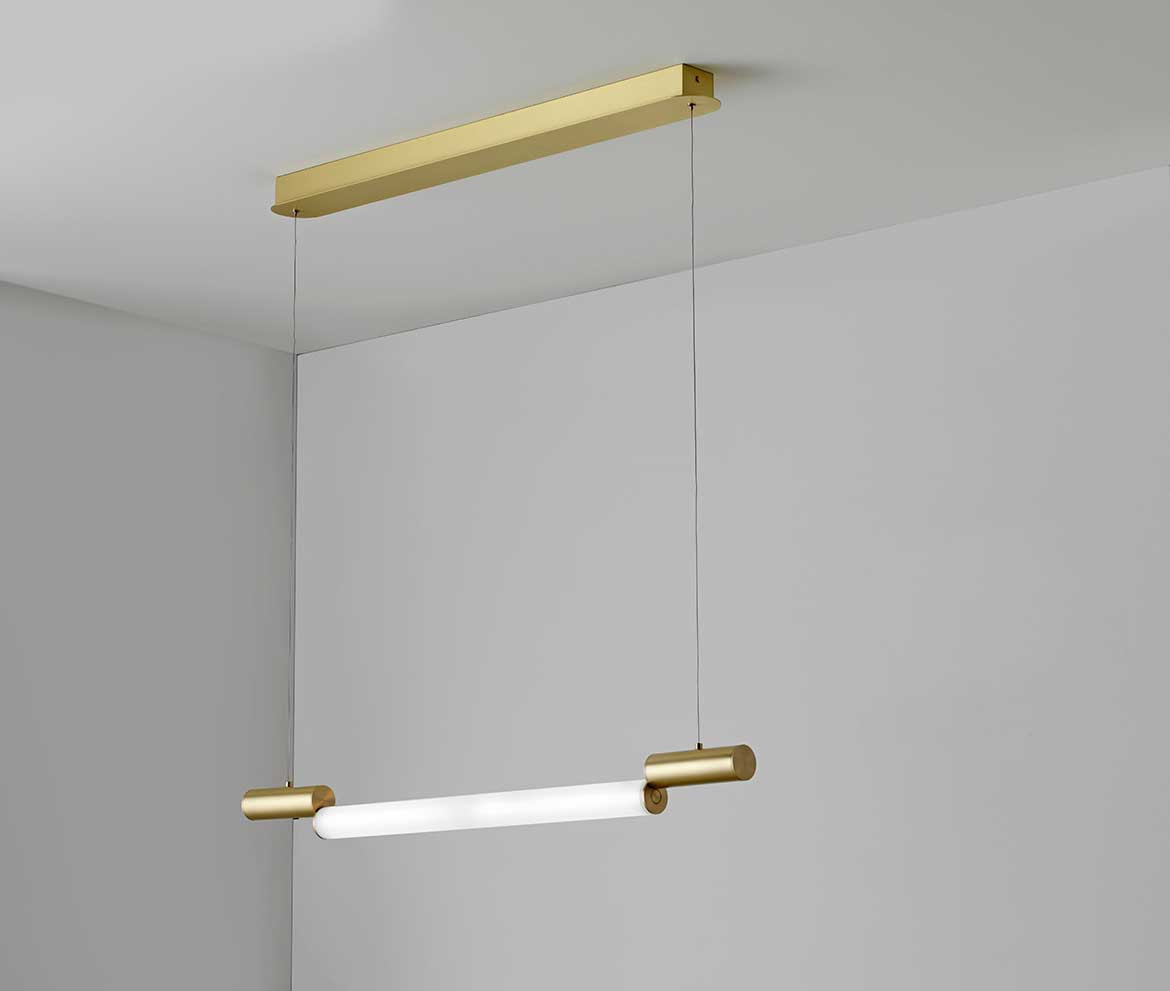
“Bringing something ancient back to fashion”, this is what designer Pauline Deltour was thinking in designing the Signal suspension lights. Again, a playful sense of balance is alluded to here, resulting in an asymmetrical light source that can be suited to hang at any position.


Saturne


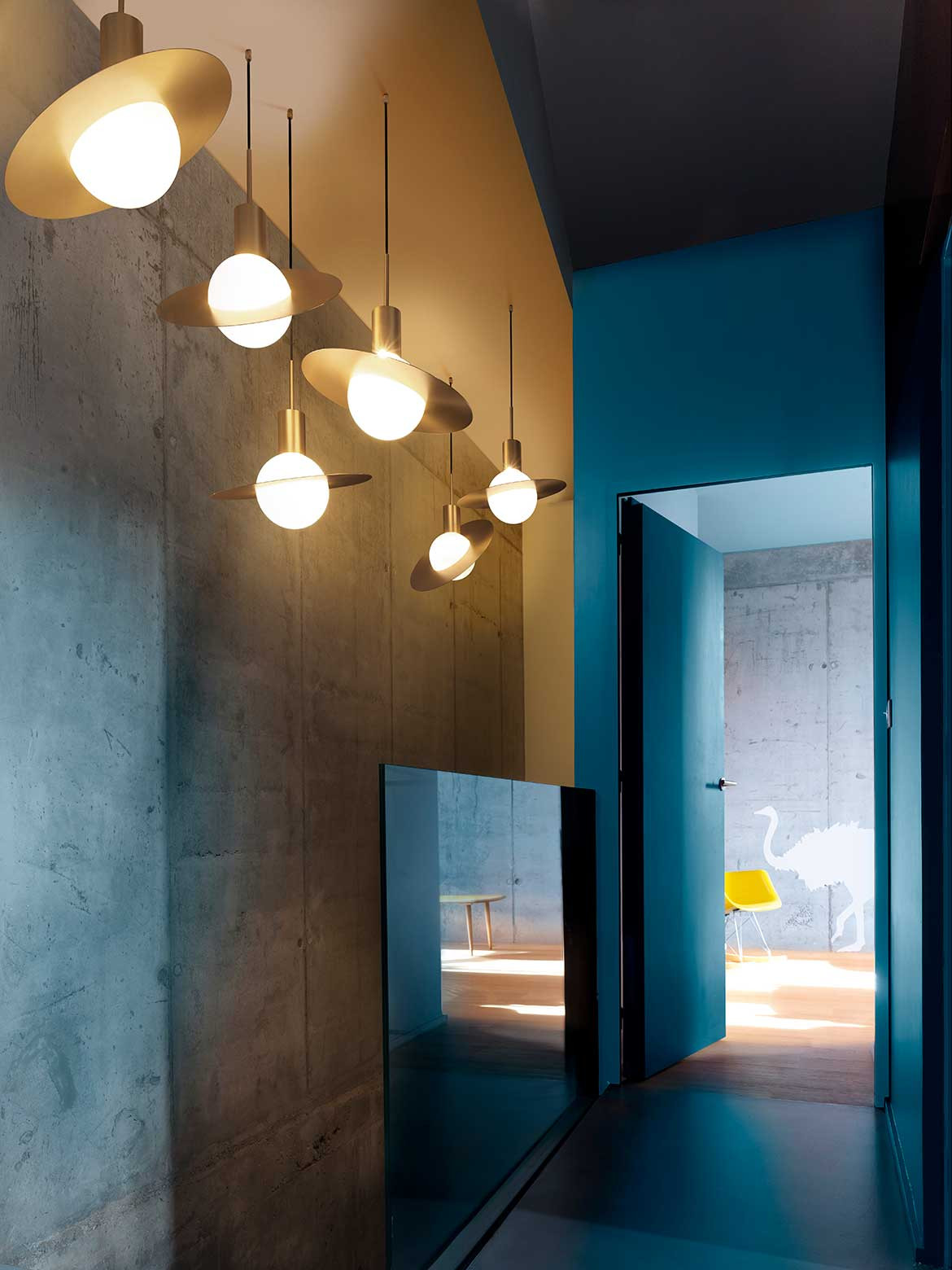
From interplanetary inspiration to the home, the Saturne brings a vision of the cosmos wherever it is hung. Striking on its own or clustered together with multiple pendants, Saturne’s diffuse lighting shines out above and below the rotating brass ring that surrounds it.


Storm


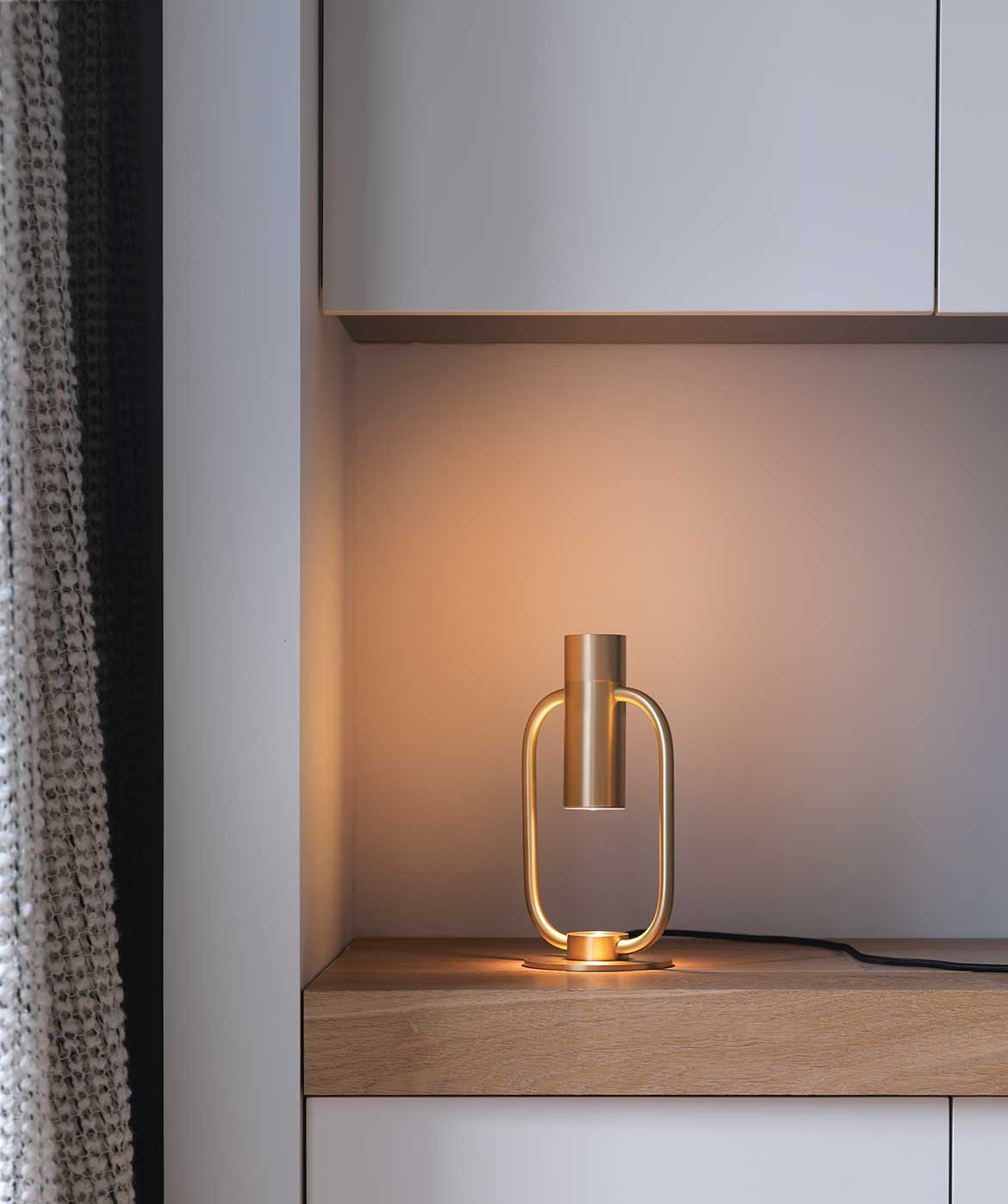
A reinterpretation of stormy weather, Storm is a simple and elegant table lamp for contemporary aesthetics. The design of the lamp shows off delicate and refined design choices, exemplifying the elegance of French lighting design.


Tétra


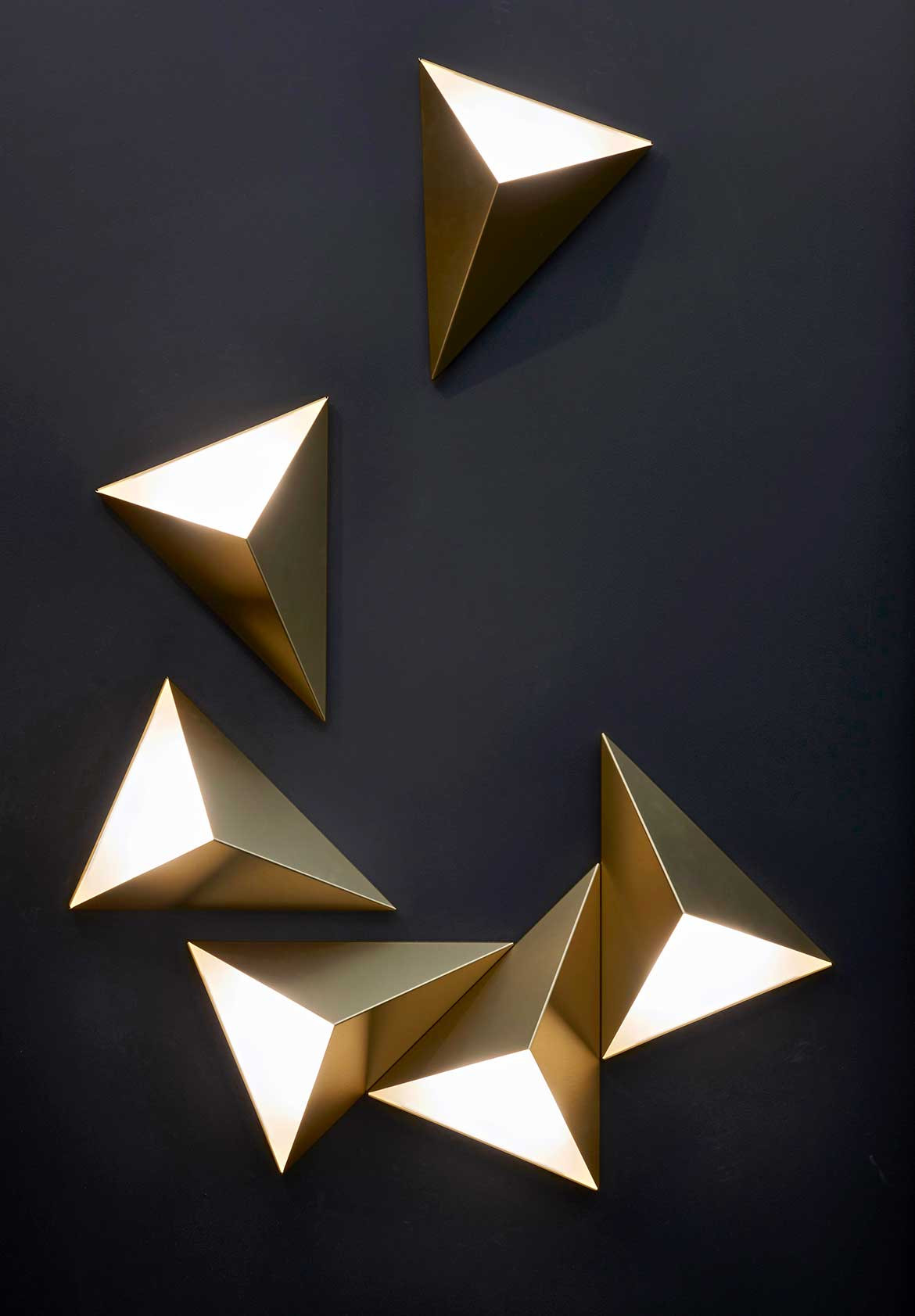
Suited to be hung on its own or as part of an arrangement, the triangular Tétra light can help shape the space of the wall it is placed on. A simple object that can be multiplied endlessly, the triangular design of Tétra allows for endless, geometric configurations and patterns within a space.


All these and more are available to Australian design lover thanks to Misura.


Misura
misura.com.au


The post The Timeless Charm Of French Lighting appeared first on Habitusliving.com.
The Timeless Charm Of French Lighting

With over 50 years’ experience in designing the finest in French lighting, CVL Luminaires is well known in the design community the world over for their unique, eye-catching and conversation starting lamps, pedestal lights, sculptural lighting and more.

Thanks to the Misura, the entirely French made collection of wall-lamps, floor lamps, suspension lighting and pendant lamps is available for Australian design lovers. The entire CVL range of fine French lighting is undeniably inspired, but here are a few HabitusLiving favourites…

Calé(e)

Composed of an assembly of designs, the Calé(e) collection offers a range of geometric patterns, where a sense of imbalance gives way to simple, linear and sophisticated designs.

The Calé(e) pendant lamps can be hung as a single canopy, arranged either rectangular or circular formations, with the rectangular arrangements being able to be custom-designed for any size to suit every environment.

The Calé(e) floor lamp brings the same sense of geometric design and playfulness with balance to a handsome standing lamp. The offset cylinder at its base creates a sense of strength against the slim stand of the lamp.

Cercle et Trait

As light as it looks, the design of the Cercle & Trait light is surprisingly sturdy. Thanks to perfectly balanced separate pieces, the eye-catching light will remain in place as it shines, held together by one small wire.

Constellation

Asymmetric and appearing to be multiplying, Constellation offers an endless of arrangement and placing possibilities, auditing every space and style. Working as either a wall unit or a ceiling fixture, the individual lights can be positioned in any desired pattern, all working from one electrical outlet.

Signal

“Bringing something ancient back to fashion”, this is what designer Pauline Deltour was thinking in designing the Signal suspension lights. Again, a playful sense of balance is alluded to here, resulting in an asymmetrical light source that can be suited to hang at any position.

Saturne

From interplanetary inspiration to the home, the Saturne brings a vision of the cosmos wherever it is hung. Striking on its own or clustered together with multiple pendants, Saturne’s diffuse lighting shines out above and below the rotating brass ring that surrounds it.

Storm

A reinterpretation of stormy weather, Storm is a simple and elegant table lamp for contemporary aesthetics. The design of the lamp shows off delicate and refined design choices, exemplifying the elegance of French lighting design.

Tétra

Suited to be hung on its own or as part of an arrangement, the triangular Tétra light can help shape the space of the wall it is placed on. A simple object that can be multiplied endlessly, the triangular design of Tétra allows for endless, geometric configurations and patterns within a space.

All these and more are available to Australian design lover thanks to Misura.

Misura
misura.com.au

The post The Timeless Charm Of French Lighting appeared first on Habitusliving.com.