Показаны сообщения с ярлыком Design Hunters. Показать все сообщения

среда, 19 февраля 2020 г.

Martin Johnston’s Homage To Craftsmanship

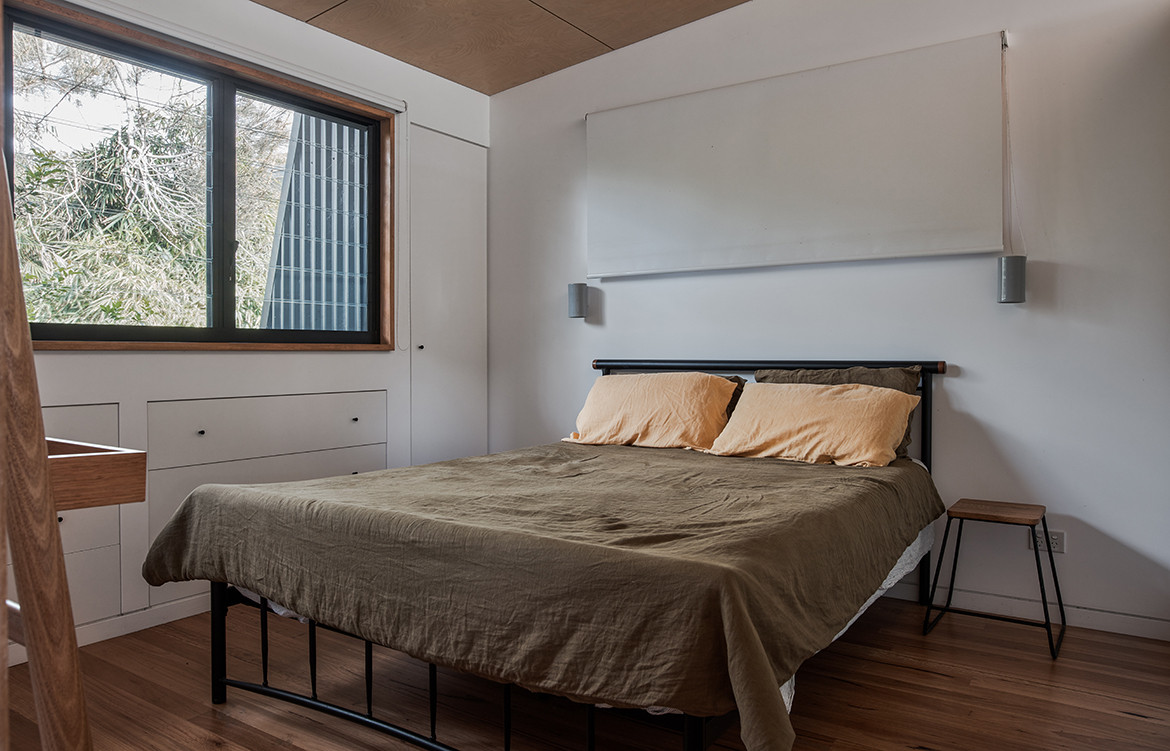
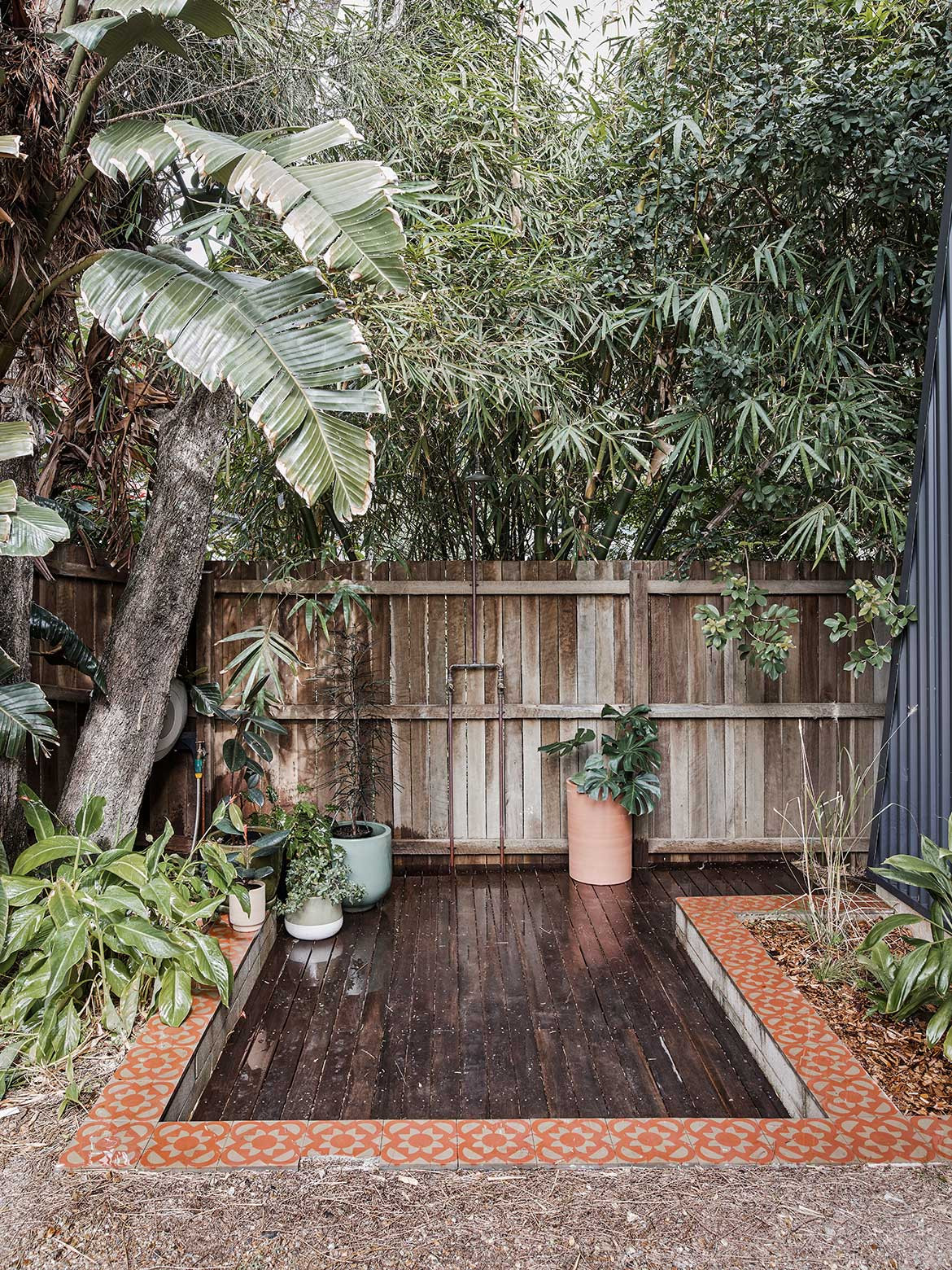
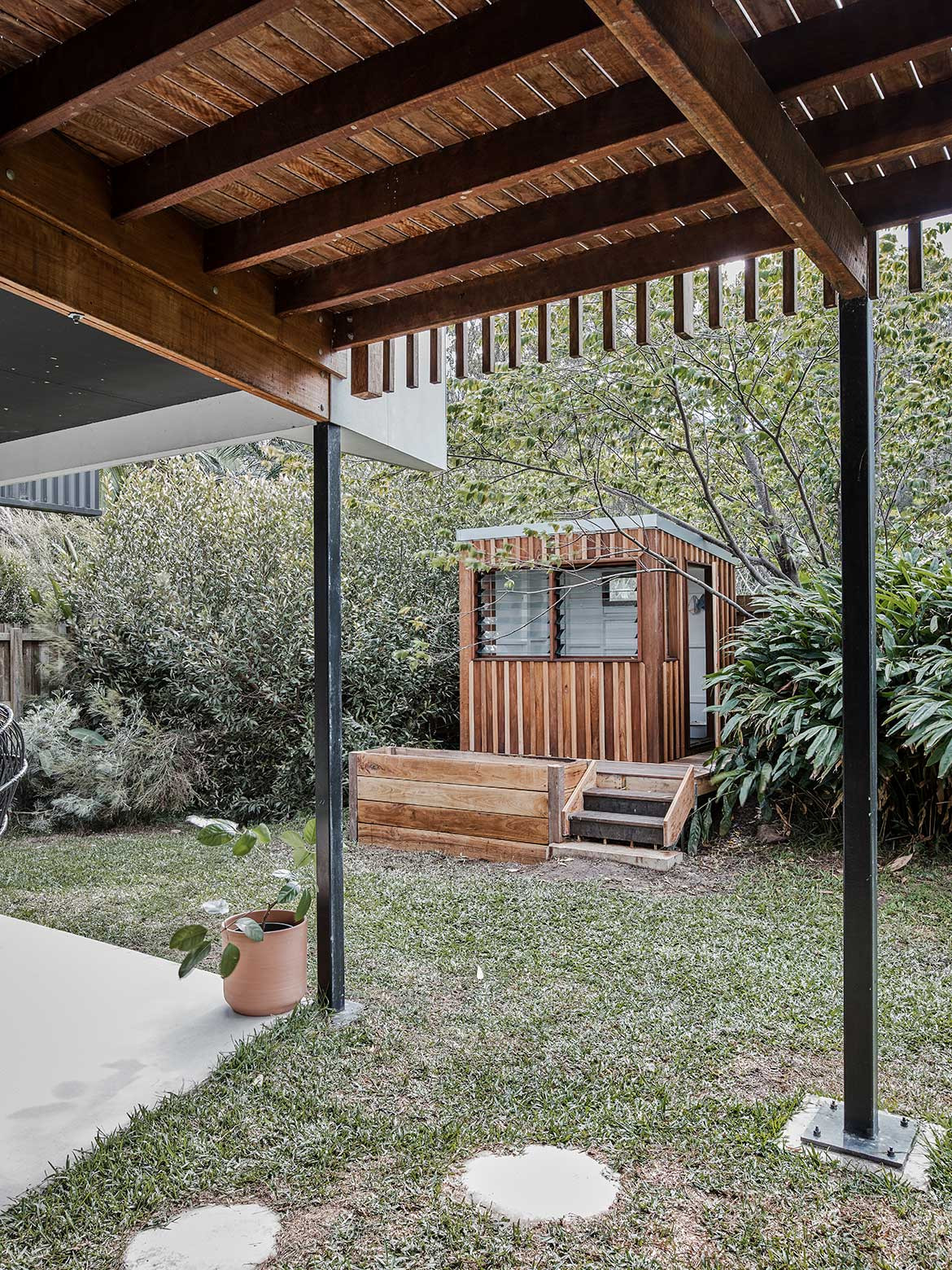
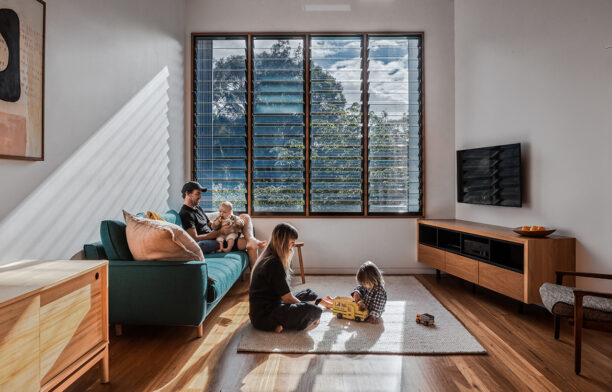
Martin Johnston furniture maker and designer lives in a contemporary Australian coastal house designed by Justin Twohill of Büro Two Architecture in Byron Bay.

Byron Bay and its surrounds have changed over recent years as city dwellers have flocked to the coastal paradise for a sea change or tree change. But drive 25 minutes north to Billinudgel and the laidback utopia still exists in the hinterland and on the coast. It’s here that Martin Johnston grew up and now works and lives with his young family, designing and making furniture with great respect for history.


As the son of a well-respected local joiner, Marty grew up in and around the workshop of his father, Bruce, becoming familiar with machinery, tools and timber. He had a passion for being creative and developed a love for working with his hands, making skateboards and ramps with his friends. Following an apprenticeship with Bruce after high school, Marty and his now-wife Casey travelled abroad and worked in England, where Marty made shop fittings for Urban Outfitters. Although he worked with less desirable materials, there was creative freedom in what he produced and the experience inspired Marty to start his own workshop. He and Casey moved back to Australia in 2010, ready to “chase the dream” as Marty describes.


Their house merges many of their stylistic preferences, including the classic Queenslander and the mid-century fibro fishing shack.
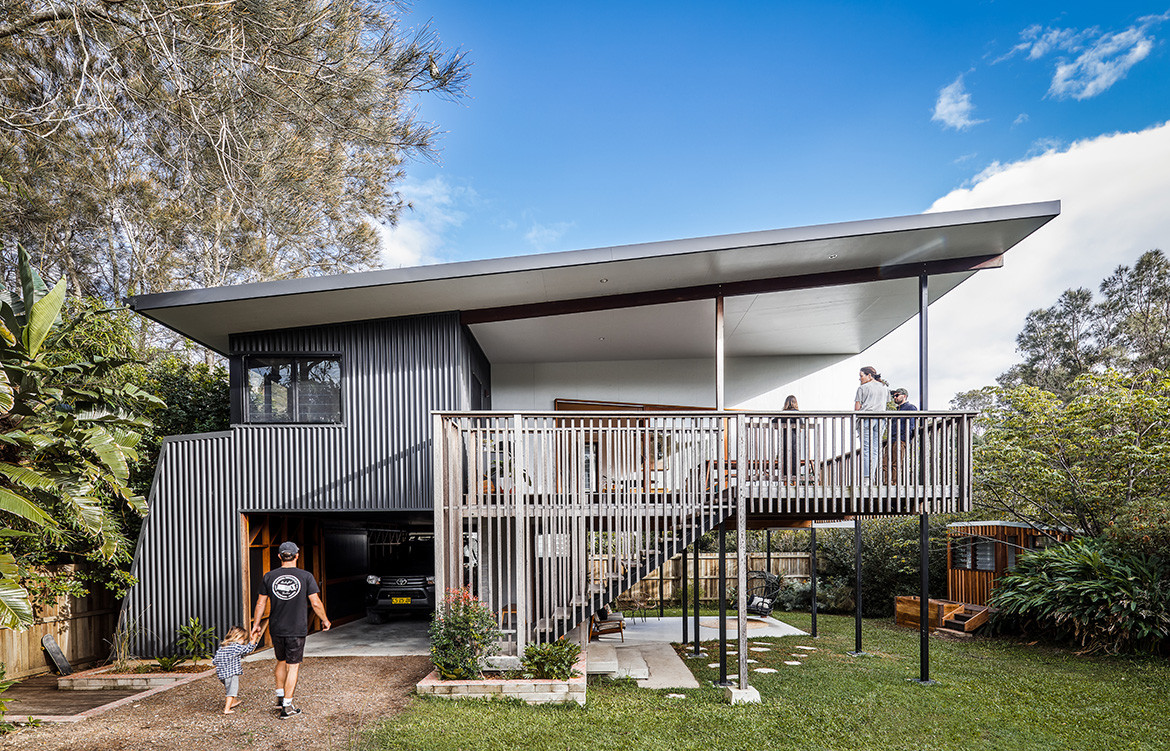


Martin Johnston furniture maker and designer lives in a contemporary Australian coastal house designed by Justin Twohill of Büro Two Architecture in Byron Bay.


It was serendipitous timing as the popularity of Byron was really kicking off, and an influx of new residents to the area commissioned Marty to produce furniture and built-ins for their new permanent or holiday homes. With the growth of his business and his father’s retirement, Marty took over the family workshop in 2017.


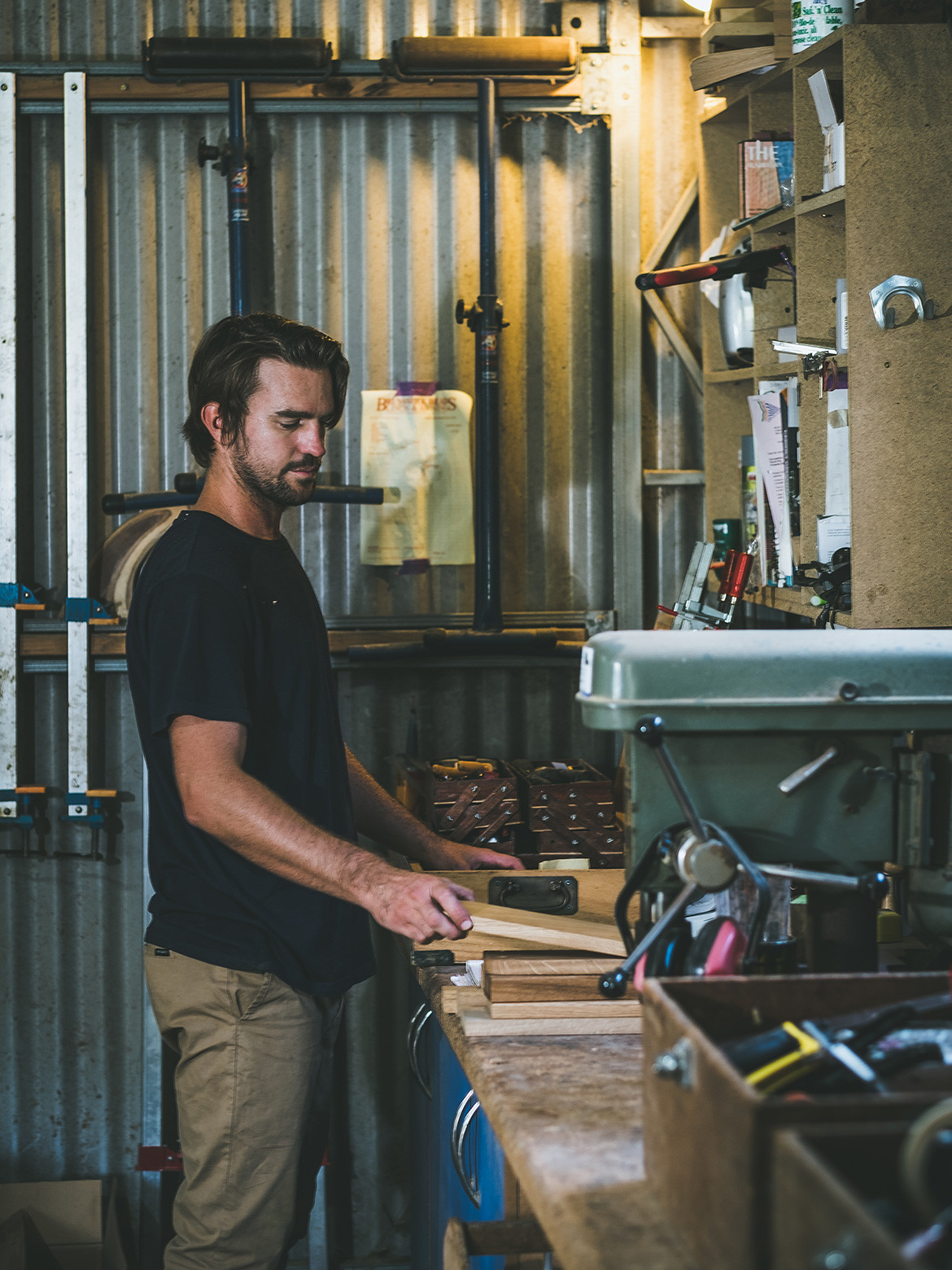
“It’s a special privilege to continue in his workshop. I have a lot of pride in this area and people from dad’s generation still pop by,” Marty says. He also has the privilege of using the beautiful old machinery inherited from his father – British, German and Australian heirlooms from the 1950s. “They’re finely tuned machines and the whole street knows I’m working as soon as I turn them on. They rattle and roar. All muscle and no brains,” he says.
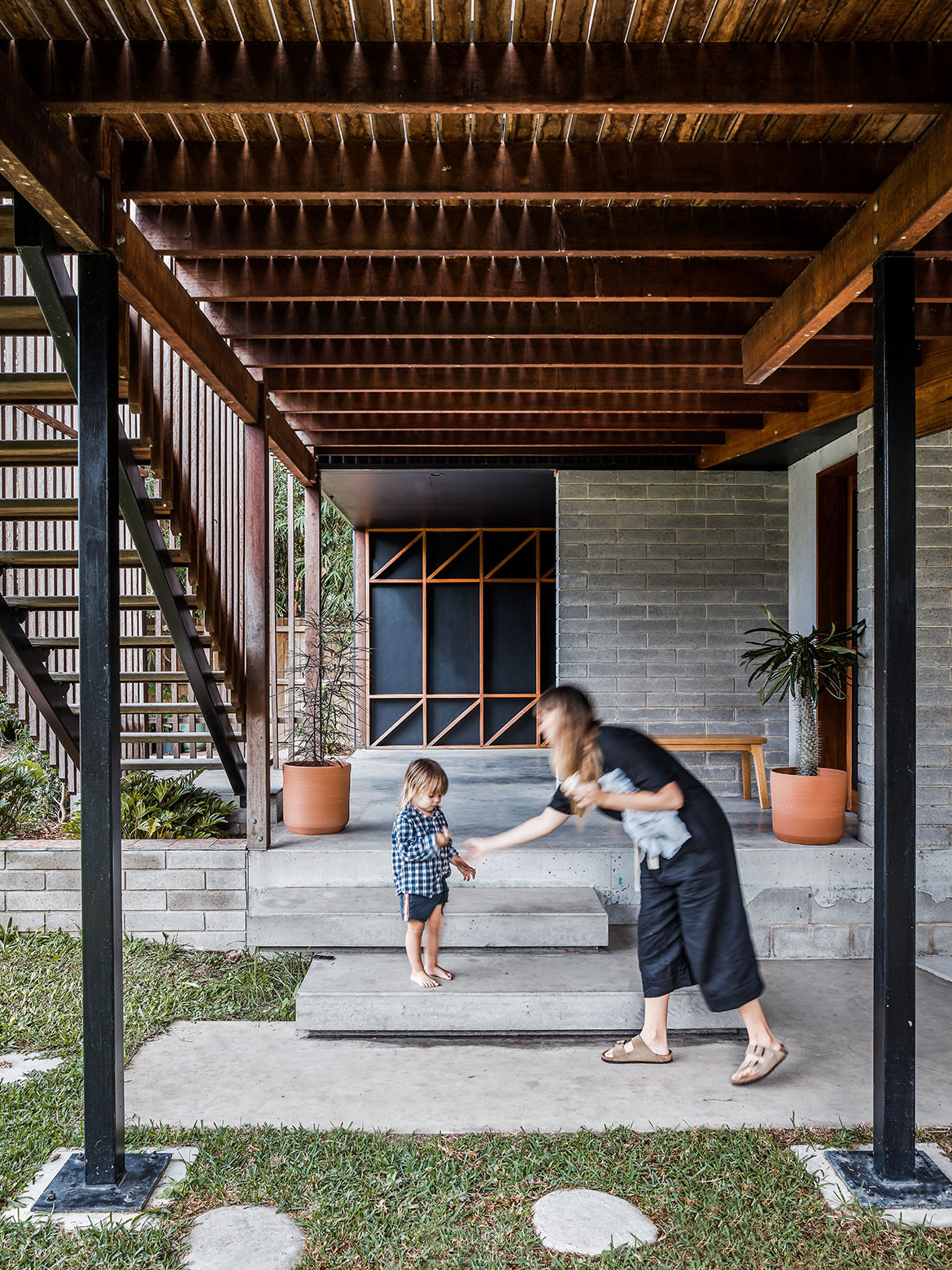

Martin Johnston furniture maker and designer lives in a contemporary Australian coastal house designed by Justin Twohill of Büro Two Architecture in Byron Bay.


Along with the workshop and machinery, Marty inherited his father’s approach to craftsmanship, working through each design from small concept sketches to full 1:1-scale drawings on large sheets of plywood. It’s a technique that craftspeople have used for centuries and a “foolproof system” he says. “It’s fitting because we are a small-scale operation nestled away in the bush in a little old industrial town, and here I am building furniture as they did 50 years ago.” He is also attracting clients in an old-school way, as local residents, architects and builders drop by the workshop to request a table, sideboard or chairs.


Marty’s approach to his work is driven by strong beliefs and he draws on local resources wherever possible in support of the region’s skills, economy and sustainability. He brought on a young apprentice from Bangalow in 2019 – “Local work has always helped my family succeed so we wanted to further invest in our area” – and personally selects Australian hardwoods from plantations in Byron Shire and between Brisbane and Coffs Harbour – “I like to promote any business that is doing well in the area and coincides my beliefs.”


Marty uses hardwood not only for its beauty and durability, but because at the end of a piece of furniture’s life, the timber is recyclable and biodegradable. “I think about where the material has come from and where eventually it will go; what will happen when its current use is fulfilled,” he explains.


Located just five-minutes’ drive from the workshop, Marty and Casey live in a coastal town that conjures up the idyllic Australian dream.
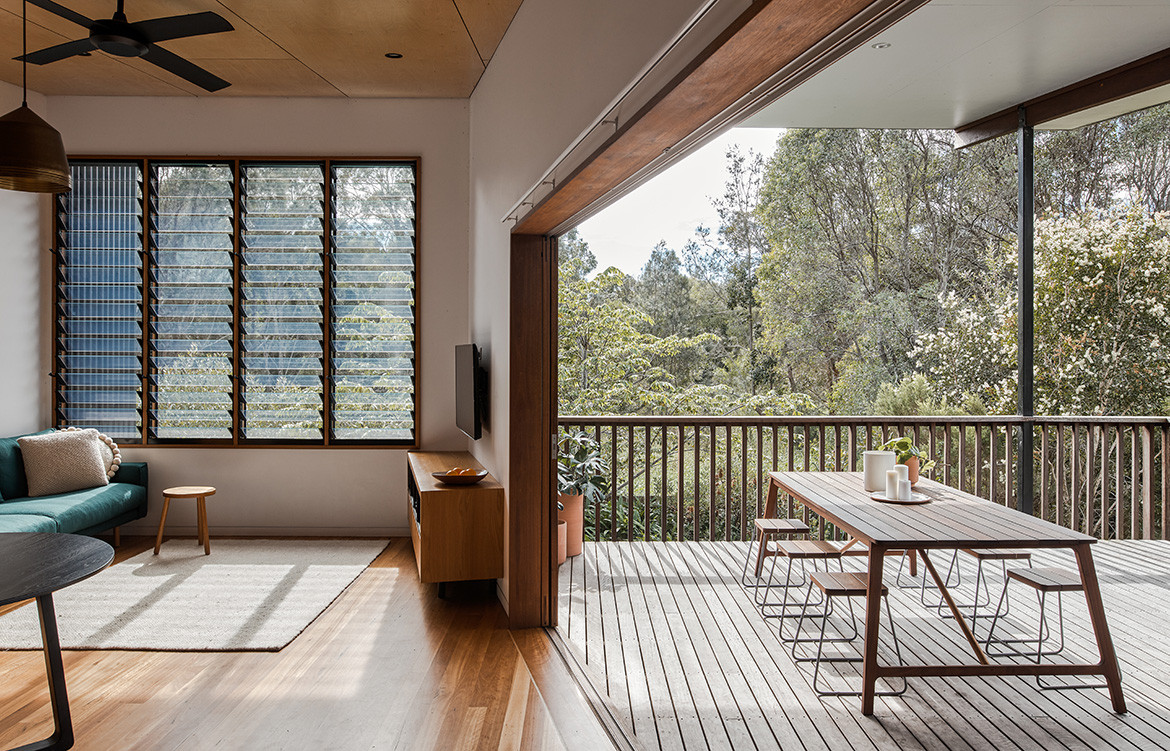


Martin Johnston furniture maker and designer lives in a contemporary Australian coastal house designed by Justin Twohill of Büro Two Architecture in Byron Bay.


The designs of his built-in and freestanding pieces are intended to be as enduring as the material he uses, both in their robustness and style. They have appealing and timeless forms with clean lines, subtle curves and exposed details that emphasise the handmade craftsmanship and quality. These details often govern the form of a piece and have hints of mid-twentieth-century timber furniture, reflecting Marty’s interest in history and respect for Australian design.


“My style is a response and homage to craftsmanship. I want to enjoy producing it and my pieces have become more technically driven as I have progressed,” he says.


Marty’s work is also inspired and influenced by the architects for whom he designs built-in joinery and he appreciates the challenge of large architectural jobs both for the scale and technical requirements. He produced the Kashihara table and bench seat designed by Luke Hayward of Atelier Luke and has done multiple projects with Justin Twohill of Büro Two Architecture, including Marty and Casey’s own home where they live with their two young boys, Ozzy and Raph. The couple are long-time admirers of Justin’s work, so given the opportunity, they wanted Justin to design their house.
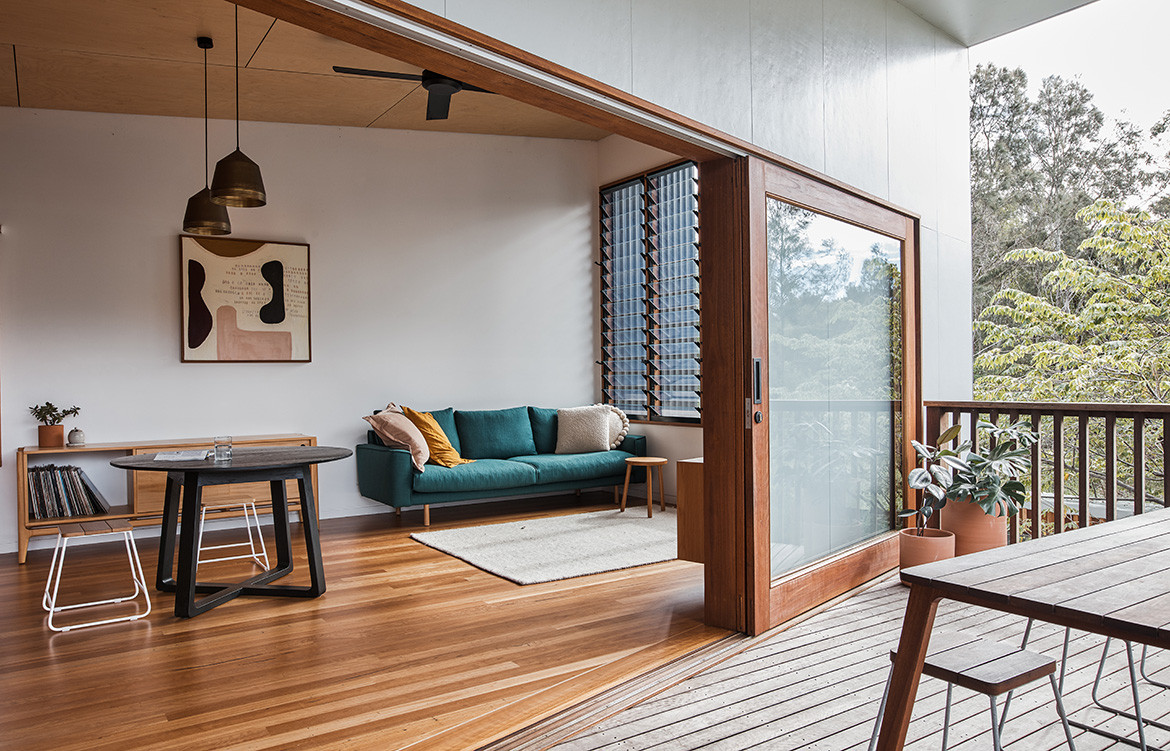

Martin Johnston furniture maker and designer lives in a contemporary Australian coastal house designed by Justin Twohill of Büro Two Architecture in Byron Bay.


Located just five-minutes drive from the workshop, Marty and Casey live in a coastal town that conjures up the idyllic Australian dream. “Being in the workshop is hot and labour-intensive, but as soon as I drive down my street I get the refreshing coastal breeze and we grab the boys and go for a swim,” Marty says.


Their house merges many of their stylistic preferences, including the classic Queenslander and the mid-century fibro fishing shack. Marty designed and made all the joinery and at only 58 square metres, the house also embodies the couple’s interest in small-space living.


While Marty balances the joys and hard work of a growing business and growing family, he is proud to carry on his family legacy and traditional approach, personally delivering each piece to his clients and seeing the smile on their face. “There is the satisfaction of building and creating something, but it is tenfold when you deliver it to someone’s home and celebrate what you’ve done,” Marty says.


Martin Johnston Furniture
martinjohnston.com.au


We think you might also like this profile on Patchwork Architecture.
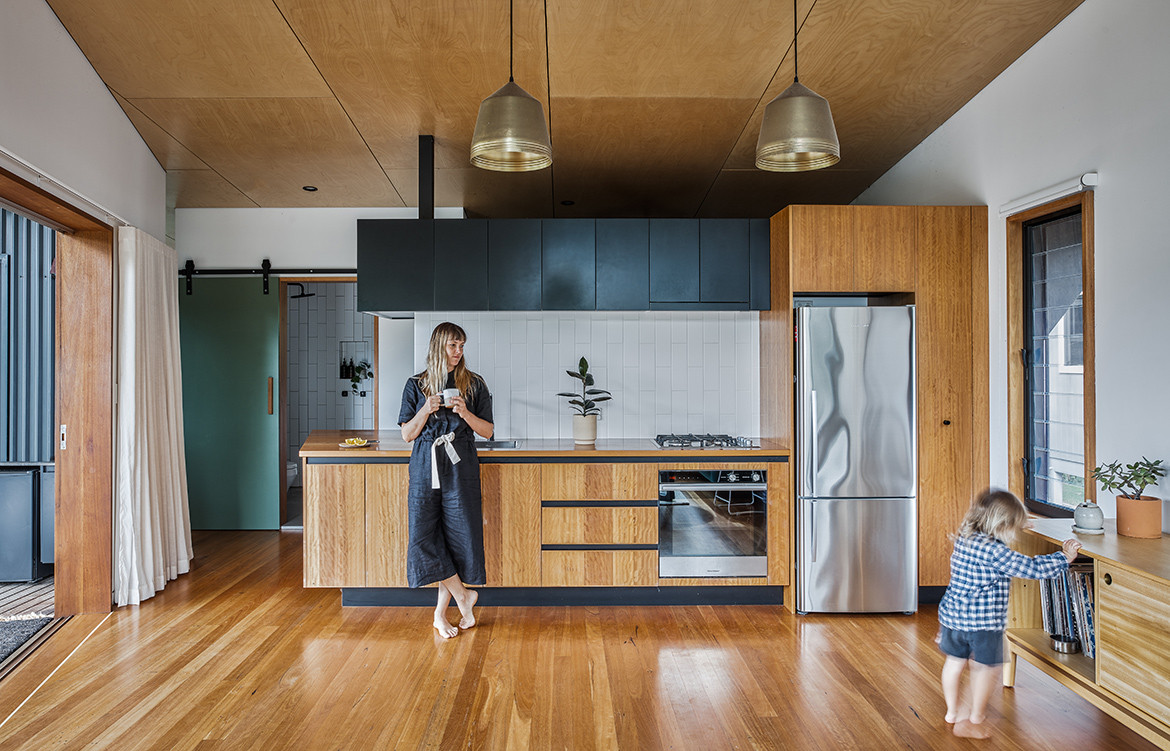


Martin Johnston furniture maker and designer lives in a contemporary Australian coastal house designed by Justin Twohill of Büro Two Architecture in Byron Bay.


Martin Johnston furniture is designed and made in Byron Shire, using craftsmanship techniques and machinery Martin inherited from his father.


The post Martin Johnston’s Homage To Craftsmanship appeared first on Habitusliving.com.

понедельник, 17 февраля 2020 г.

Without Empathy, There Is No Good Design

Ilse Crawford is a designer, academic, and creative director with a simple mission: to put humanistic needs at the heart of her life’s work. As founder of multidisciplinary design practice, Studioilse, she works with her talented team to bring this vision to life, having designed spaces for the likes of Soho House Group and Aēsop, as well as sustainable furniture collections for Ikea.


Fundamental to Ilse’s practice is to approach every project or problem with empathy and humility. “Good design is more than the way something looks,” she stresses, “it’s about wellbeing and making life better – not just for us, but for others and the environment.” This holistic notion of design for wellbeing is one that is permeating each and every facet of contemporary design, yet one that is particularly critical in built environment fields.


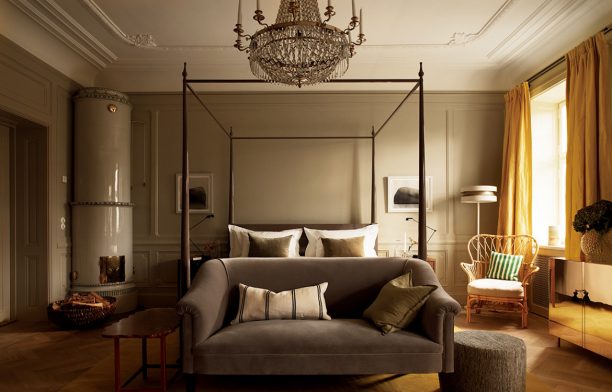
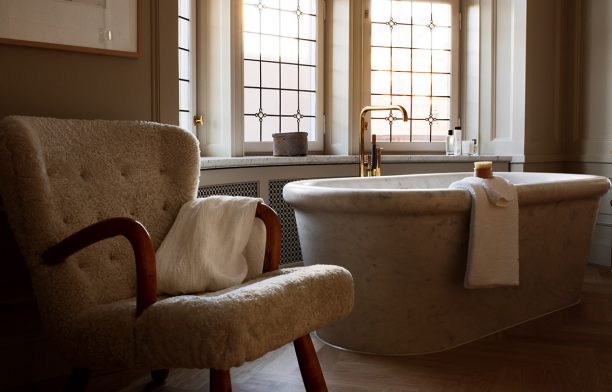
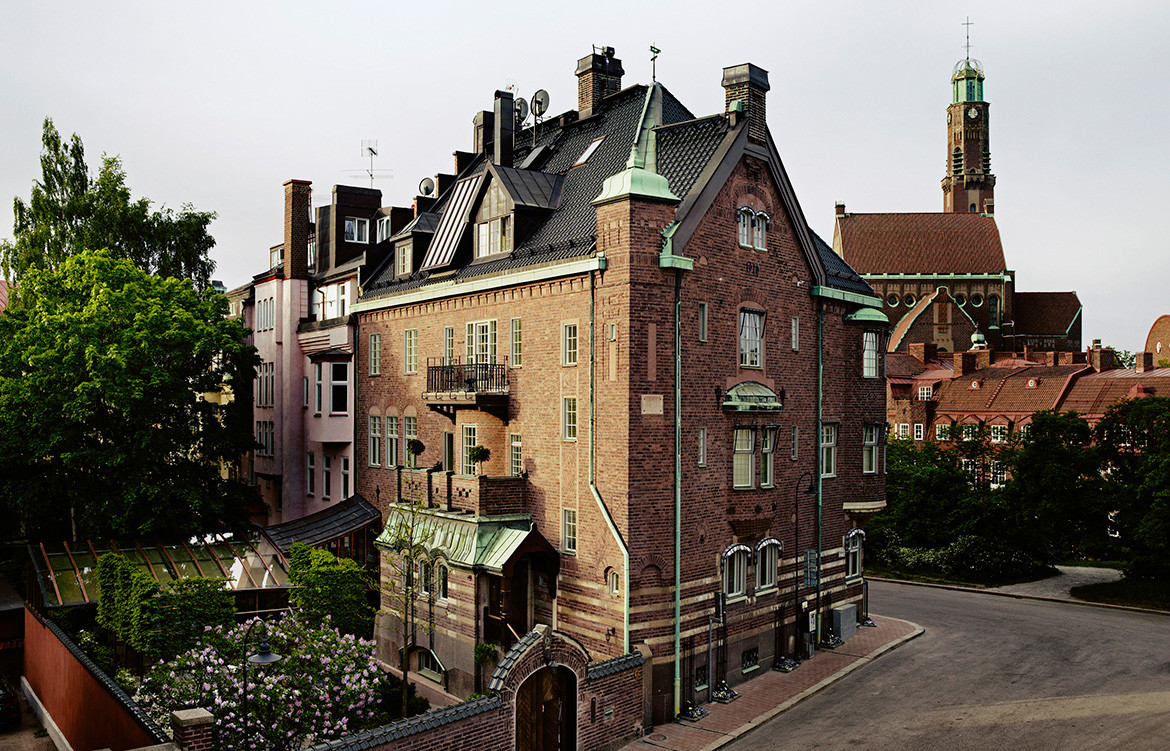
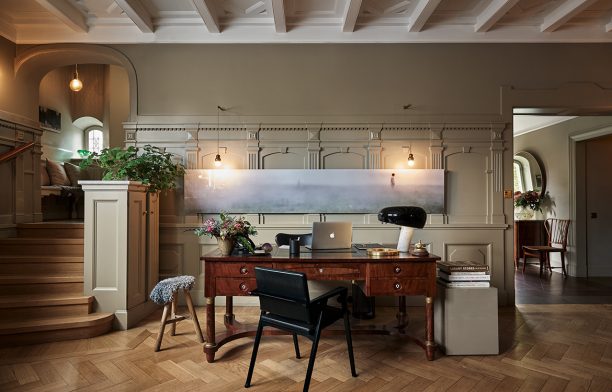
“We spend 87% of our lives inside buildings,” Ilse states, “how they’re designed really affects how we feel and how we live.” This attention to wellness and wellbeing in design is exemplified in Studioilse’s project Ett Hem, a hotel in Stockholm, Sweden, that truly embodies the native meaning of its name, ‘a home’.


Originally designed by architect Fredrik Dahlberg and built in 1910, this architectural gem from the Arts & Crafts era was once upon a time the residence of a government official and his wife who were avid art and design lovers.


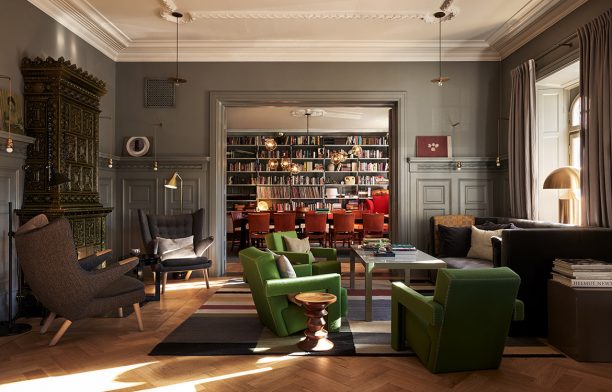
In reimagining the residence as a hotel, Studioilse worked with great sensitivity to preserve the personal quality of Ett Hem and embed it in the hotel. This meant going above and beyond simply designing a hotel with a homey aesthetic to continuing the story of the home that already existed. As such, Ett Hem’s design revolved not around how a hotel can be made to look and feel like a home, but rather around how people might be made to feel cared for and valued.


“Hotels often offer a lot of services on the surface but the only actual interaction taking place is putting in an order and receiving it on your bill,” says Ilse, “We based the concept on the idea of warm and intelligent human contact throughout and designed into that. The kitchen is shared by guests and the chefs who use local produce and ingredients and are able to talk about that. We carefully selected sustainable brands and producers. We wanted to create a system where the money you spend goes back into good companies.”


Studioilse’s work is testament to the fact that wellness and wellbeing goes further than just an ideal tagged onto an end result. To design for wellbeing is to think in ecosystems – taking into consideration where things come from, who they sustain, where they go and how its crafted and how it can change the way we live.


Watch the complete short film Wellness and Wellbeing presented by Ilse Crawford for VOLA below:


On design is a digital platform created by Vola to shine a spotlight on elegantly resolved architectural projects from across the globe and share the insightful and inspiring perspectives of pioneering industry professionals. Wellness and Wellbeing is On design’s third film feature, so there’s even more juice where this came from. For instance, a personal account of the intrinsic relationship between Danish culture and design from Jonas Bjerre-Poulsen, founding partner of Norm Architects.


VOLA
vola.com/on-design


We think you might also like vaatsu shastra and design for wellbeing


The post Without Empathy, There Is No Good Design appeared first on Habitusliving.com.
Without Empathy, There Is No Good Design

Ilse Crawford is a designer, academic, and creative director with a simple mission: to put humanistic needs at the heart of her life’s work. As founder of multidisciplinary design practice, Studioilse, she works with her talented team to bring this vision to life, having designed spaces for the likes of Soho House Group and Aēsop, as well as sustainable furniture collections for Ikea.

Fundamental to Ilse’s practice is to approach every project or problem with empathy and humility. “Good design is more than the way something looks,” she stresses, “it’s about wellbeing and making life better – not just for us, but for others and the environment.” This holistic notion of design for wellbeing is one that is permeating each and every facet of contemporary design, yet one that is particularly critical in built environment fields.

“We spend 87% of our lives inside buildings,” Ilse states, “how they’re designed really affects how we feel and how we live.” This attention to wellness and wellbeing in design is exemplified in Studioilse’s project Ett Hem, a hotel in Stockholm, Sweden, that truly embodies the native meaning of its name, ‘a home’.

Originally designed by architect Fredrik Dahlberg and built in 1910, this architectural gem from the Arts & Crafts era was once upon a time the residence of a government official and his wife who were avid art and design lovers.

In reimagining the residence as a hotel, Studioilse worked with great sensitivity to preserve the personal quality of Ett Hem and embed it in the hotel. This meant going above and beyond simply designing a hotel with a homey aesthetic to continuing the story of the home that already existed. As such, Ett Hem’s design revolved not around how a hotel can be made to look and feel like a home, but rather around how people might be made to feel cared for and valued.

“Hotels often offer a lot of services on the surface but the only actual interaction taking place is putting in an order and receiving it on your bill,” says Ilse, “We based the concept on the idea of warm and intelligent human contact throughout and designed into that. The kitchen is shared by guests and the chefs who use local produce and ingredients and are able to talk about that. We carefully selected sustainable brands and producers. We wanted to create a system where the money you spend goes back into good companies.”


Studioilse’s work is testament to the fact that wellness and wellbeing goes further than just an ideal tagged onto an end result. To design for wellbeing is to think in ecosystems – taking into consideration where things come from, who they sustain, where they go and how its crafted and how it can change the way we live.

Watch the complete short film Wellness and Wellbeing presented by Ilse Crawford for VOLA below:

On design is a digital platform created by Vola to shine a spotlight on elegantly resolved architectural projects from across the globe and share the insightful and inspiring perspectives of pioneering industry professionals. Wellness and Wellbeing is On design’s third film feature, so there’s even more juice where this came from. For instance, a personal account of the intrinsic relationship between Danish culture and design from Jonas Bjerre-Poulsen, founding partner of Norm Architects.

VOLA
vola.com/on-design

We think you might also like vaatsu shastra and design for wellbeing

The post Without Empathy, There Is No Good Design appeared first on Habitusliving.com.
среда, 12 февраля 2020 г.

Championing The Design Prowess Of The Antipodes

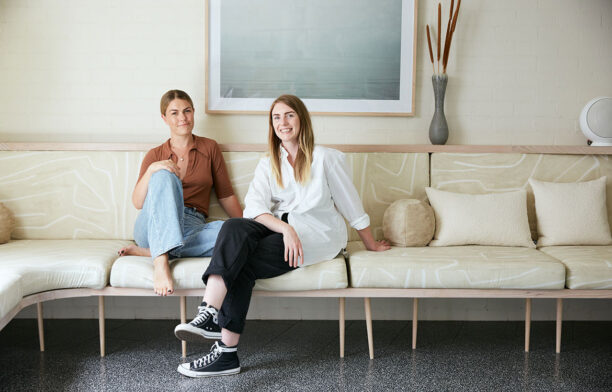
Baina Champions The Design Prowess Of The Antipodes Anna Fahey Bailey Meredith

Anna Fahey and Bailey Meredith might be recent business partners but they’re old friends. Their respective career trajectories have seen them fan out and come together much like a 2D double helix.


Last year, the duo finally realised old plans to create something together launching a small collection of high-quality towels under the guise of Baina: a design-led Antipodean brand bringing a little bit of luxury to the every day.


“We want people to hear the name Baina and know that we make the best design-led contemporary towels,” says Bailey.


Anna and Bailey first met at a high school in Hamilton, New Zealand, and later rekindled their friendship working together for Kate Sylvester in Auckland. Six years on they had, independently of each other, moved to Melbourne. Bailey was the National Sales Manager for Jardan and Anna was working in wholesale retail for a New Zealand-based fashion label before joining Jardan in its Richmond showroom.


Baina Champions The Design Prowess Of The Antipodes cc Daniel Walker


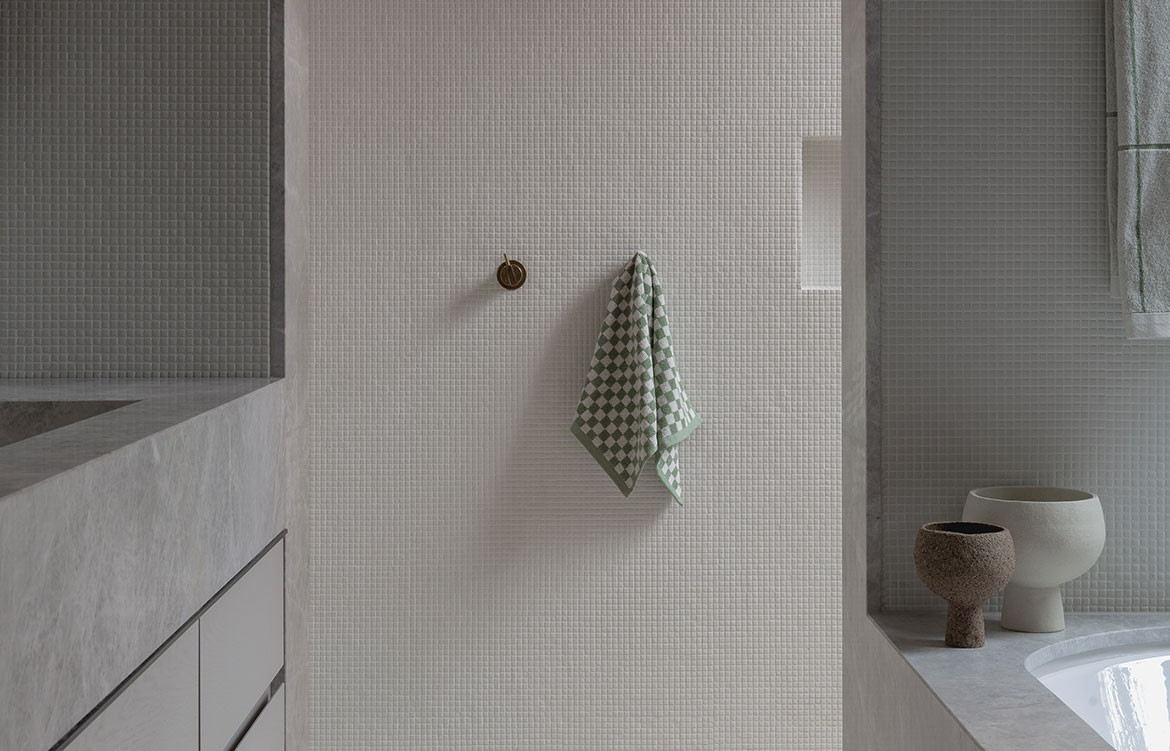
Baina Champions The Design Prowess Of The Antipodes cc Daniel Walker


The time spent working amongst furniture and object design saw the duo deeply immersed in a whole new world of architecture and interior design. Moreover, working for a design-led company with a strong moral compass and sense of purpose, inspired a new understanding of design and its impact on the human experience – and its impact on the earth.


For two years, Anna and Bailey worked together before the conversation of collaboration became too loud to ignore any longer.


From the early days of friendship they had often spoken about someday creating a brand, though they’d always imagined it would be strongly tied to fashion. But as is often the case with life and experience their plans evolved.


“Because we’d been exposed to Jardan and this different industry, the conversation shifted and it was no longer around fashion,” says Bailey. “It was completely immersed in this new design discipline we were having a love affair with at that moment.”


Baina was created drawing inspiration from various disciplines within design; from fashion to product and furniture to art, architecture, sculpture and colour theory. But it is also a company created in reverse, establishing first the pillars of the brand: inclusivity, timelessness, and traceability. From there, they began devising something that could sit within those principles.


Neither Anna nor Bailey wanted to contribute meaninglessly to an already oversaturated consumer market so just as much thought went into designing a product that was equal parts useful and beautiful.


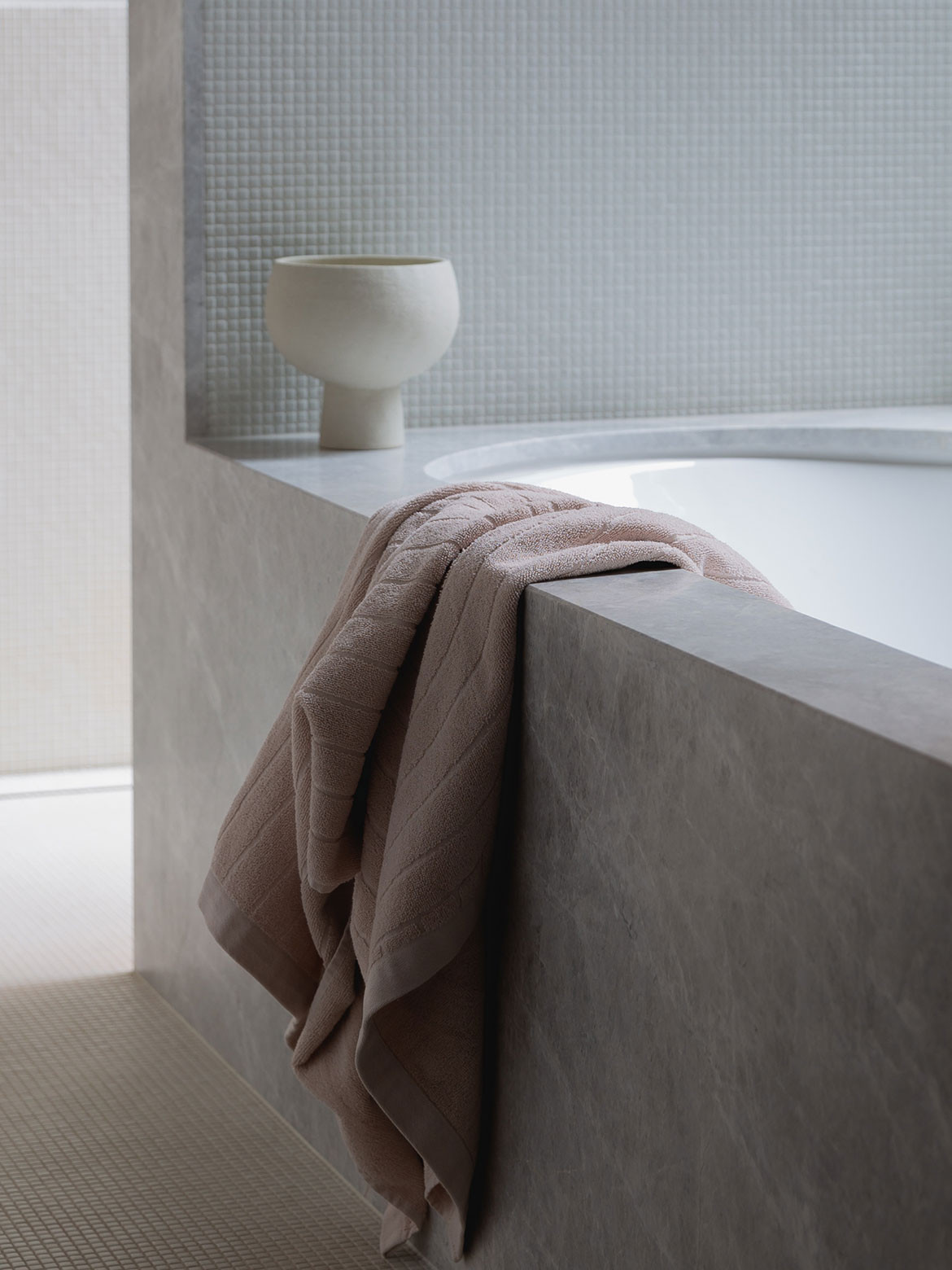
Baina Champions The Design Prowess Of The Antipodes cc Daniel Walker


Soon after, from a passing thought spoken out loud – “I love taking a bath”, the idea of designing towels took hold. At a time when success and free time are seemingly diametrically opposed, bathing rituals can be a lone opportunity to give a gift to oneself.


“[It’s] the only time in our day whether we bathe or shower when we’re completely alone,” says Bailey, appreciating the time as an opportunity to reconnect and ground oneself.


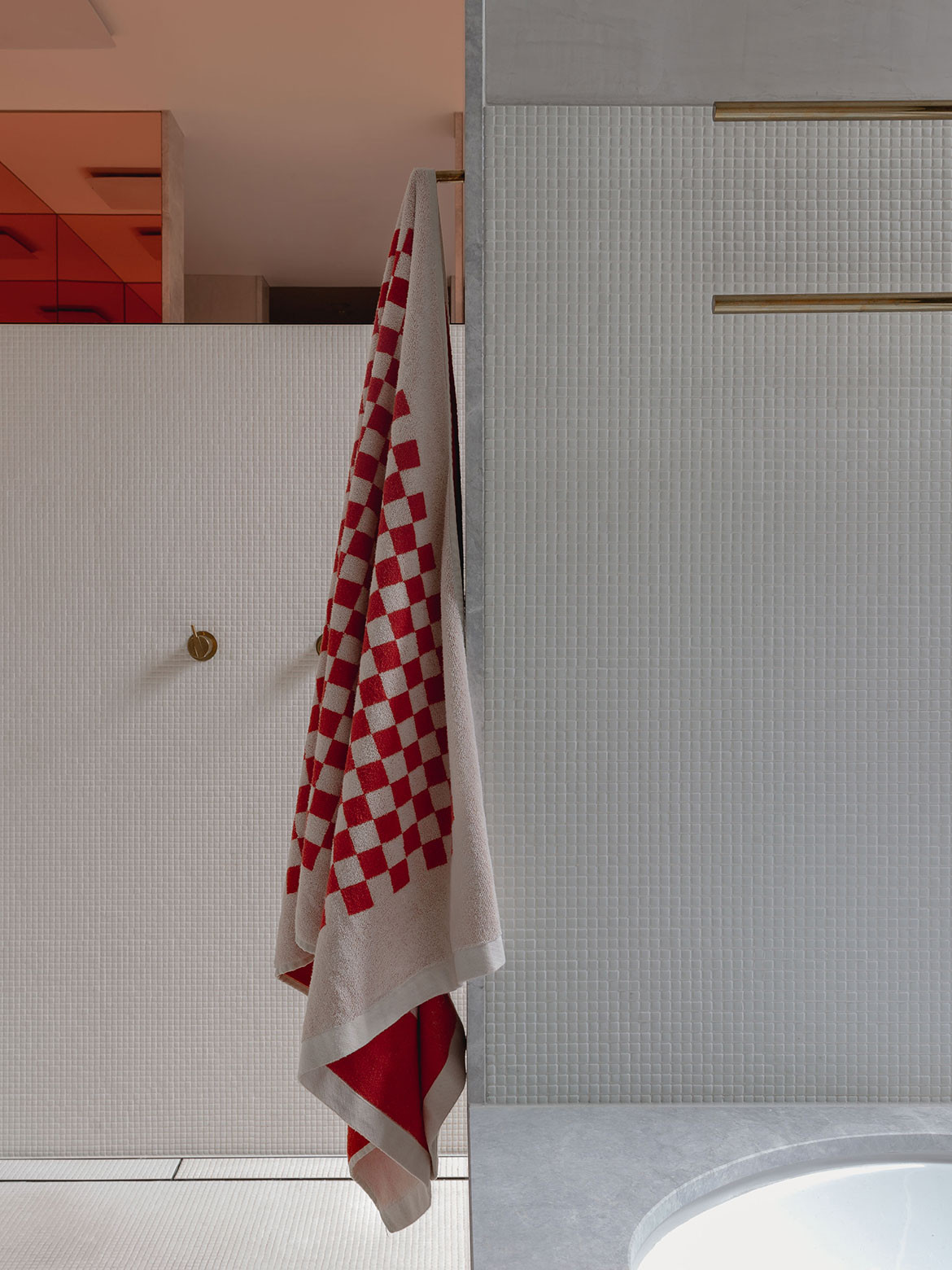
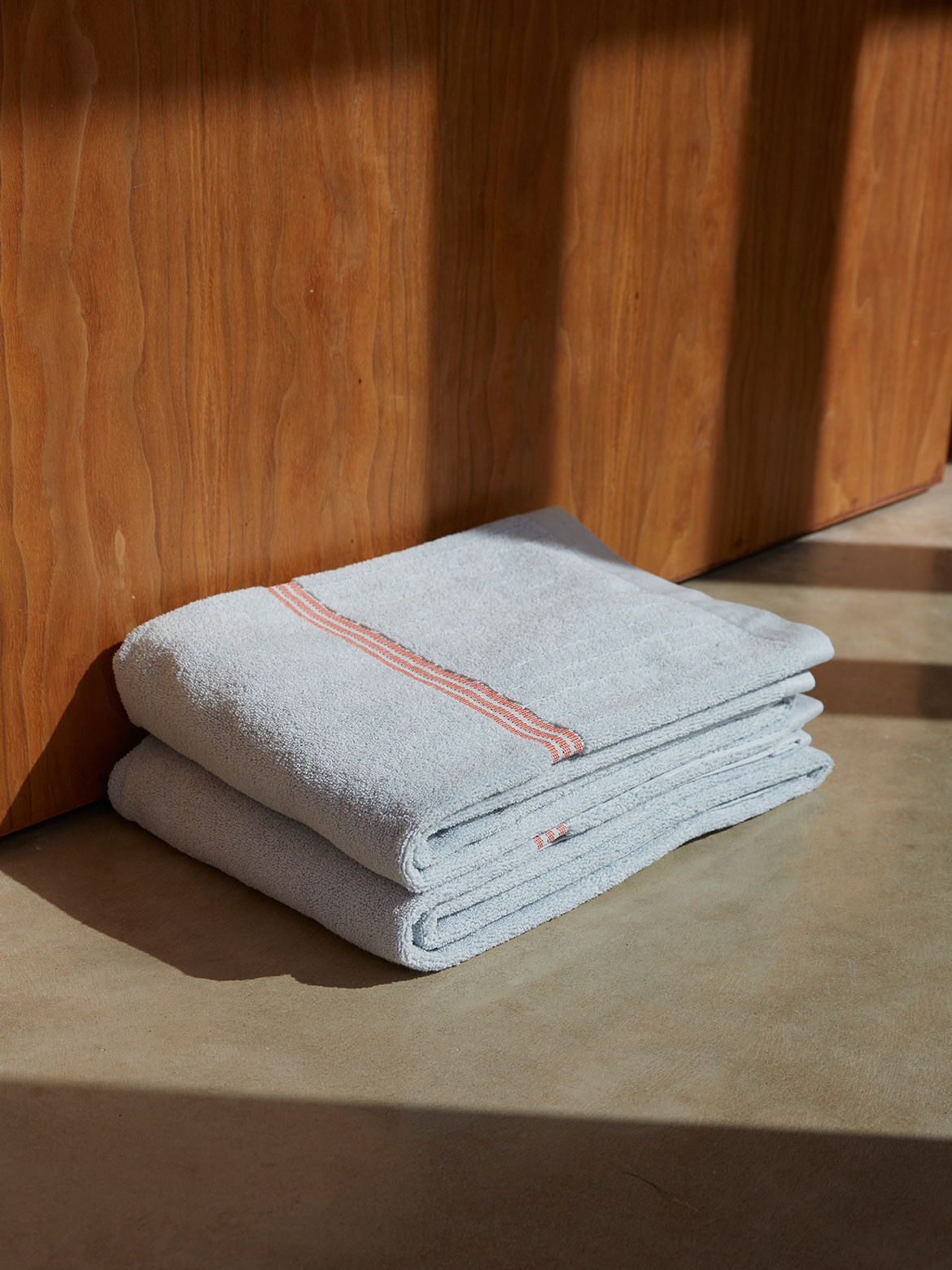
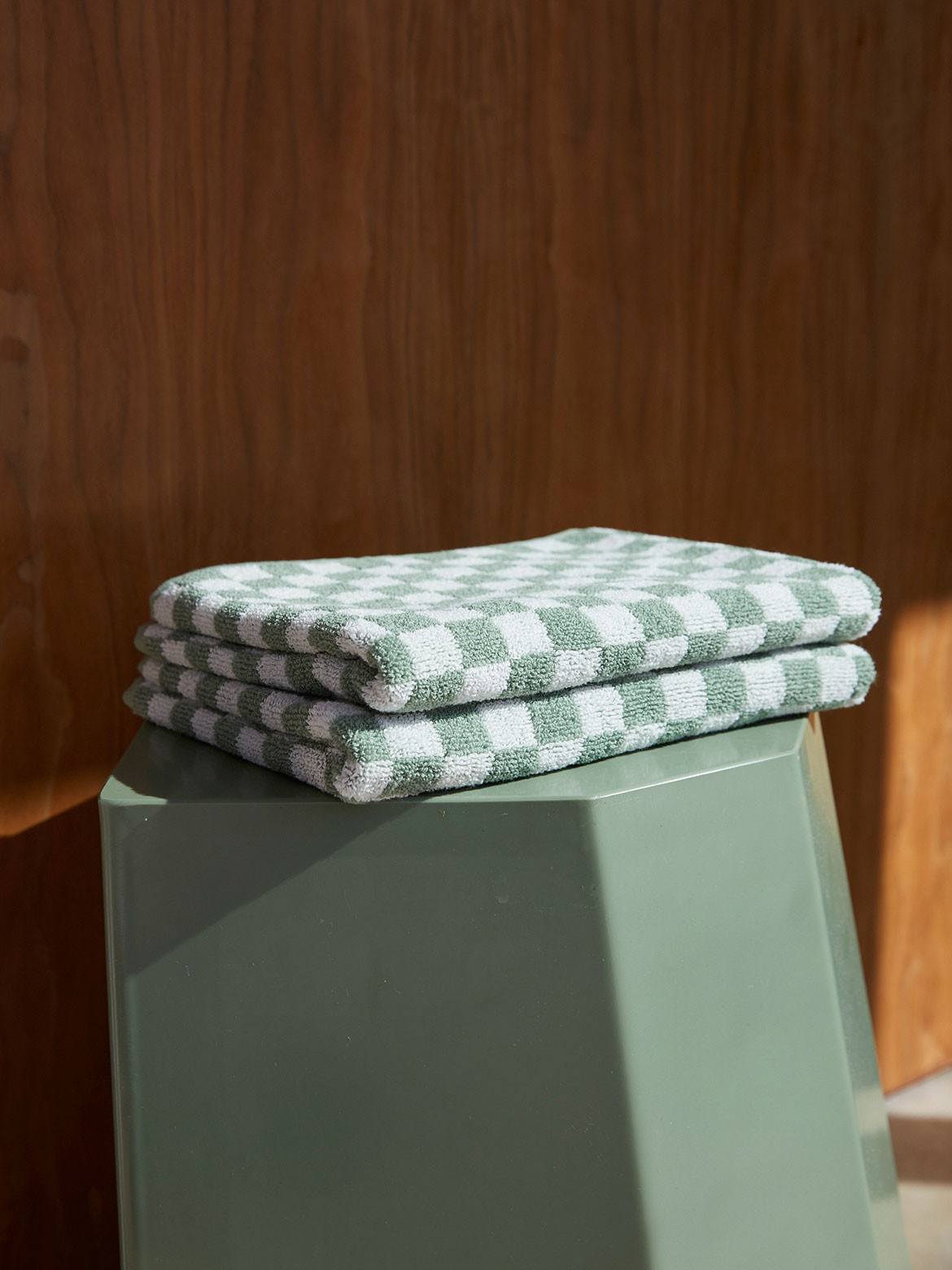
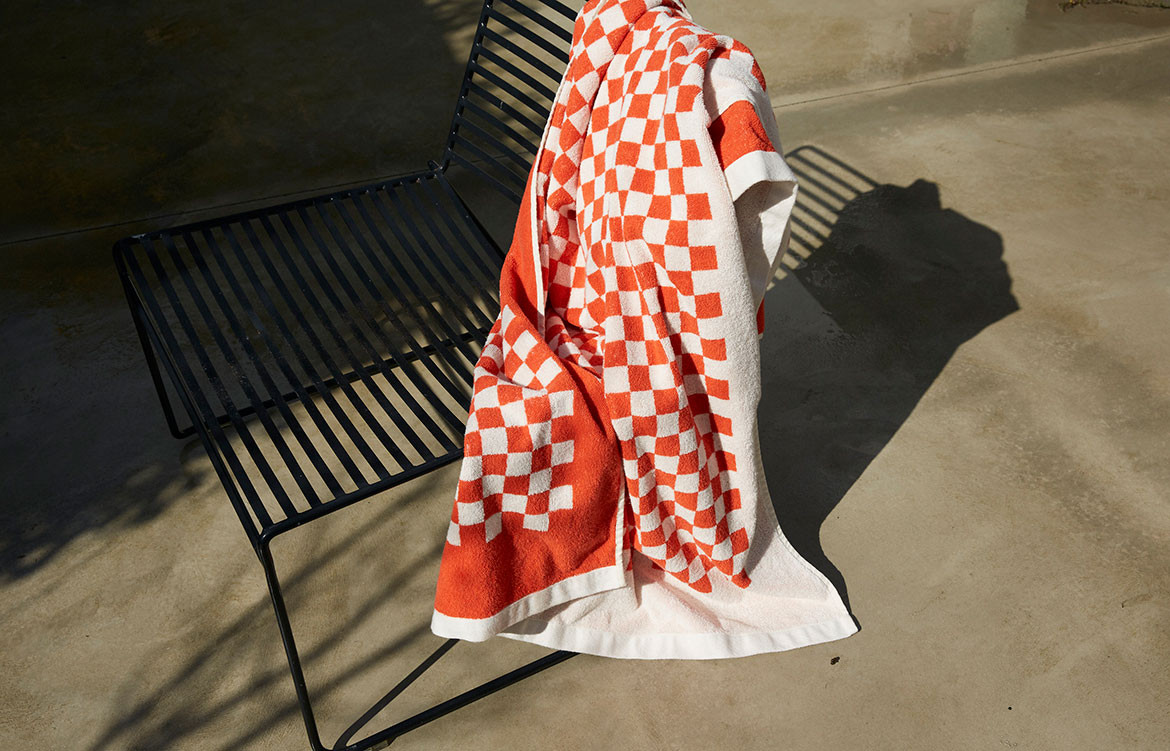
Moreover, they were able to design towels that are age-, size- and gender identity-inclusive. They spent time researching suppliers and manufactures. The towels are 600 GSM and made from organic cotton. The factory in which they are made has certification to the Global Organic Textile Standard, which means there is full traceability over the cotton from when it is farmed to when it is woven into the towel.


With just three bath towels, three hand towels and a single pool towel, the intention was to keep the collection as tight and considered as possible.


The brand philosophy is to grow by layering the pieces up, rather than releasing new collections that intentionally or not may infer older collections are lesser. “The idea is that they will continue to complement the existing range,” says Bailey, likening the concept to a slow drip feed. “We don’t want anything to become redundant,” adds Anna, “we want everything to have a purpose and to be thoughtful on how we build on it.”


A strong launch with a clear brand message sees Baina already available at some of the most desirable retail spaces. Sitting alongside beautiful Lee Matthews pieces in select stores, and online at My Chameleon, Anna and Bailey have consciously aligned with like-minded design-led companies and brought the fashion experience into the bathroom


Baina
shopbaina.com


We think you might also like this Design Hunter profile on GOLDEN


Baina Champions The Design Prowess Of The Antipodes cc Greta Van Der Star


Baina Champions The Design Prowess Of The Antipodes cc Greta Van Der Star


Baina Champions The Design Prowess Of The Antipodes cc Greta Van Der Star


The post Championing The Design Prowess Of The Antipodes appeared first on Habitusliving.com.
вторник, 11 февраля 2020 г.

Championing The Design Prowess Of The Antipodes

Baina Champions The Design Prowess Of The Antipodes Anna Fahey Bailey Meredith

Anna Fahey and Bailey Meredith might be recent business partners but they’re old friends. Their respective career trajectories have seen them fan out and come together much like a 2D double helix.

Last year, the duo finally realised old plans to create something together launching a small collection of high-quality towels under the guise of Baina: a design-led Antipodean brand bringing a little bit of luxury to the every day.

“We want people to hear the name Baina and know that we make the best design-led contemporary towels,” says Bailey.

Anna and Bailey first met at a high school in Hamilton, New Zealand, and later rekindled their friendship working together for Kate Sylvester in Auckland. Six years on they had, independently of each other, moved to Melbourne. Bailey was the National Sales Manager for Jardan and Anna was working in wholesale retail for a New Zealand-based fashion label before joining Jardan in its Richmond showroom.

Baina Champions The Design Prowess Of The Antipodes cc Daniel Walker

Baina Champions The Design Prowess Of The Antipodes cc Daniel Walker

The time spent working amongst furniture and object design saw the duo deeply immersed in a whole new world of architecture and interior design. Moreover, working for a design-led company with a strong moral compass and sense of purpose, inspired a new understanding of design and its impact on the human experience – and its impact on the earth.

For two years, Anna and Bailey worked together before the conversation of collaboration became too loud to ignore any longer.

From the early days of friendship they had often spoken about someday creating a brand, though they’d always imagined it would be strongly tied to fashion. But as is often the case with life and experience their plans evolved.

“Because we’d been exposed to Jardan and this different industry, the conversation shifted and it was no longer around fashion,” says Bailey. “It was completely immersed in this new design discipline we were having a love affair with at that moment.”

Baina was created drawing inspiration from various disciplines within design; from fashion to product and furniture to art, architecture, sculpture and colour theory. But it is also a company created in reverse, establishing first the pillars of the brand: inclusivity, timelessness, and traceability. From there, they began devising something that could sit within those principles.

Neither Anna nor Bailey wanted to contribute meaninglessly to an already oversaturated consumer market so just as much thought went into designing a product that was equal parts useful and beautiful.

Baina Champions The Design Prowess Of The Antipodes cc Daniel Walker

Soon after, from a passing thought spoken out loud – “I love taking a bath”, the idea of designing towels took hold. At a time when success and free time are seemingly diametrically opposed, bathing rituals can be a lone opportunity to give a gift to oneself.

“[It’s] the only time in our day whether we bathe or shower when we’re completely alone,” says Bailey, appreciating the time as an opportunity to reconnect and ground oneself.

Moreover, they were able to design towels that are age-, size- and gender identity-inclusive. They spent time researching suppliers and manufactures. The towels are 600 GSM and made from organic cotton. The factory in which they are made has certification to the Global Organic Textile Standard, which means there is full traceability over the cotton from when it is farmed to when it is woven into the towel.

With just three bath towels, three hand towels and a single pool towel, the intention was to keep the collection as tight and considered as possible.

The brand philosophy is to grow by layering the pieces up, rather than releasing new collections that intentionally or not may infer older collections are lesser. “The idea is that they will continue to complement the existing range,” says Bailey, likening the concept to a slow drip feed. “We don’t want anything to become redundant,” adds Anna, “we want everything to have a purpose and to be thoughtful on how we build on it.”

A strong launch with a clear brand message sees Baina already available at some of the most desirable retail spaces. Sitting alongside beautiful Lee Matthews pieces in select stores, and online at My Chameleon, Anna and Bailey have consciously aligned with like-minded design-led companies and brought the fashion experience into the bathroom

Baina
shopbaina.com

We think you might also like this Design Hunter profile on GOLDEN

Baina Champions The Design Prowess Of The Antipodes cc Greta Van Der Star

Baina Champions The Design Prowess Of The Antipodes cc Greta Van Der Star

Baina Champions The Design Prowess Of The Antipodes cc Greta Van Der Star

The post Championing The Design Prowess Of The Antipodes appeared first on Habitusliving.com.