
Показаны сообщения с ярлыком Sustainability. Показать все сообщения

среда, 19 февраля 2020 г.

Design For The Next Generation

Here in Australia, we’ve seen a series of disastrous bushfires, unexpected hail storms and heavy rainfall and floods all in the first two months of the new decade and there’s no sign of it slowing down. Long story short, there is a 99.9% chance that the future will be dark – if the work of humanity will continue at the rate it is now.


Yet there’s still hope – our design leaders; our industry’s movers and shakers and the emerging generations are ready to disrupt the status quo by reversing the harm done from the last few decades and bringing in a new understanding of the term, sustainability. The built environment is the biggest emitter of carbon, putting us in a dire need of change and in prime position to lead the way. Therefore, 2020 is all about climate activism, reshaping the world’s built form and reversing our climate – putting architects and designers at the forefront in this new wave of sustainability practices and beliefs. 


Innovative and boundary-pushing Danish architect Bjarke Ingels once said, “If we can change the climate of planet earth by accident, then imagine what we can achieve if we’re actually trying to do it. I have infinite faith in the human capacity to do something about it.” 


And that’s exactly what we’re doing – taking our planet back.



The Age of Responsibility


‘Sustainability’ is a mainstay word of today – addressing our century’s new normal. Divisive and inherently politicised, sustainability means different things to different people. For architects, creatives and designers, it is a way of life – something embedded in the soul that drives any practice; its values; its products; and projects. These industry voices have an inimitable responsibility to introduce built forms that support human stability and growth for the past, present and (hopefully) undying future. 


In an era where we have reached catastrophic environmental lows, there has never been a more pressing time for the industry to save us than now. The practice of “doing less” is way past its expiry date and our new responsibility is to “do more” through, reshaping, restoring and rebuilding the land that we’ve lost.


This means that the demand for sustainable structures, ethical practices, waste-eliminating products and sustainable consumerism is urgent in order to reduce our carbon emissions, inspire our lifestyle and define our direction forward. 


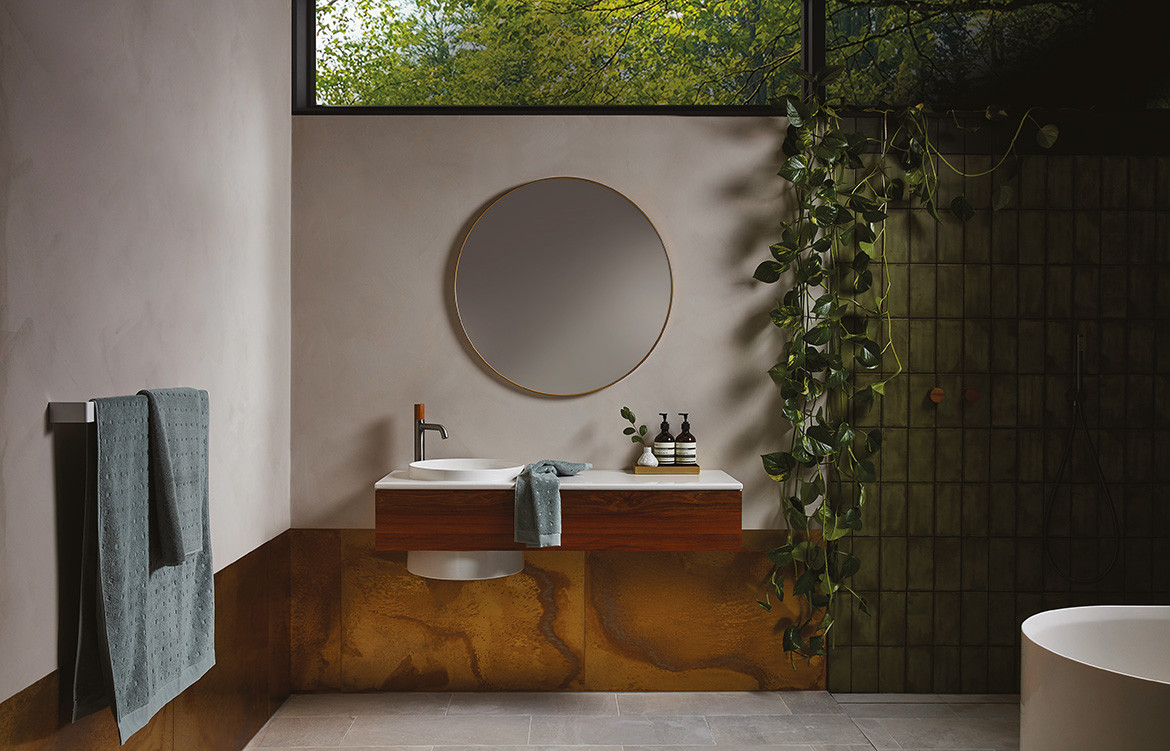
A brand that acknowledges this need for impactful change is Caroma. Dedicated to creating a greener future, Caroma lives and breathes sustainability within the bathroom space. With a heritage spanning across nearly 8 decades, sustainability has been ingrained into their DNA from the beginning – acknowledging the responsibility and power that their products have. Drawing from the influences of our current context and landscapes, Caroma translates their shift into a contemporary elegance that speaks to sustainability in the 21st century. 


Marking an incredible milestone to the Caroma name, the latest addition of the Elvire Collection delivers a new message of Australian sustainability into the home through timeless aesthetics and considered design.


The Next Chapter


Since 1941, Caroma has always paved the way in delivering smart, sustainable and innovative bathroom solutions. Over 75 years of research and practice within the industry, Caroma continues to drive functional, efficient and sustainable ingenuity for the Australian bathroom.


In 1980, Caroma developed the world’s first Dual Flush toilet designed to improve water efficiency, saving approximately 32,000 litres of water per household, through state-of-the-art full flush/half flush technology. In 2007, Caroma introduced its first WELS 5 Star Toilet Suite featuring a cistern with a dual-flush push button and integrated hand basin. Over a decade later, Caroma’s Cleanflush® technology won the Good Design Award – consistently demonstrating their passion for protecting and conserving water to benefit all Australians. 


In 2019, Caroma took a step into uncharted territory with Elvire – the introduction of a new, tactile and natural material that they can proudly put amongst the past products designed with a vision of protecting our resources for the country’s next generation. 
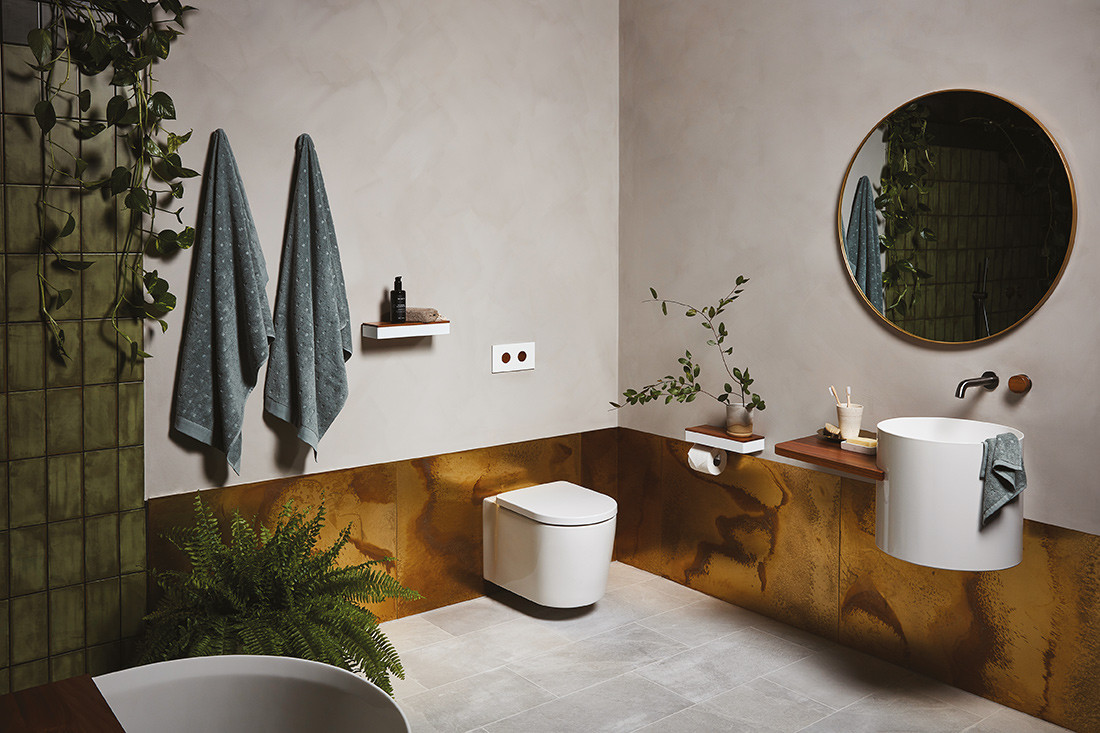


Looking beyond the millennial generation, the concept of ‘new sustainability’ speaks to a wider segment of consumers – one that the industry and market is becoming more familiar with. Caroma has captured this new, revitalised essence of sustainability with Elvire that represents youth, emotion and refreshed production processes through a full suite of bathroomware products from tapware; to hardware; and all the way through the bathroom accessories made from Australian-sourced materials. 


Designer, Luke Di Michiel creates a story of heritage, wellness, connection and a new type of sustainability that rediscovers the beauty of Australian nature and human-centric design. Pushing past notes of functionalism, the bathroom is transformed into a personalised sanctuary – one that is designed for people. Made to support any lifestyle, Elvire is an extension of the way Australians live; their living spaces; and stands as a collection that honours the simplicities of beautiful and ethical design.


Luke notes, “It’s not just about designing a product that looks good and putting it out there for the sake of it – we have to step back and think, ‘how can this actually help society and the present and future of the design industry?”


Caroma recognises changing consumer behaviours and in the last few years, the industry has seen that customers are more inclined to buy products that align with their own sustainable morals and values. How does Luke respond? Through combining his design expertise with passionate creatives within the industry that hold unique and similar philosophies ready to define the next wave of Caroma products. 


Today, Elvire surpasses these consumer expectations with an emphasis in their environmental and consumer responsibility – focusing on local manufacturing, locally sourced materials, design longevity and a new, revitalised collection that’s close to home. 


Celebrating Locality


In Australia, our design history demonstrates the influence and integration of overseas trends in our nation’s creative narrative. However, in the last few decades, the Australian design market has seen trailblazing feats in local innovation, craftsmanship and artistry step into the scene. 


Design thinkers and creators, such as Caroma are changing the pace of Australian design; what it means; and redefining the sustainability message of today for the next generation. In partnership with Australian designers such as Port Stephens Joinery and Evostyle, Elvire was able to grow and develop into a collection that is right on-trend at the moment.  
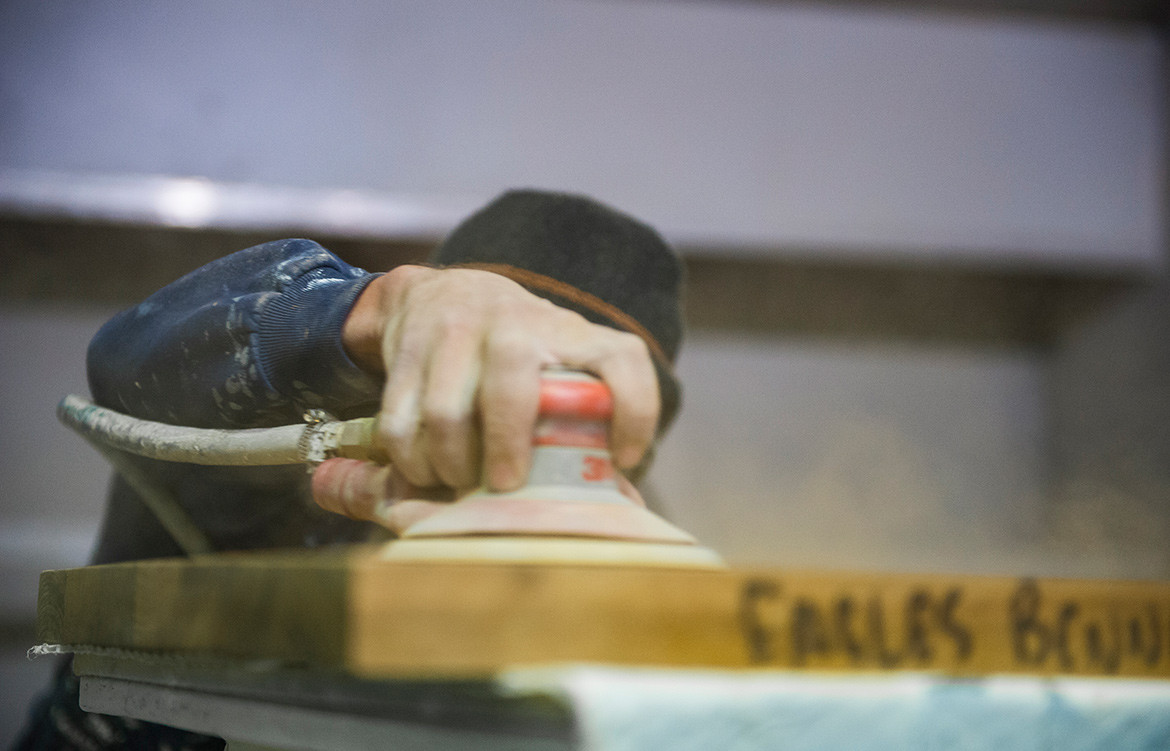


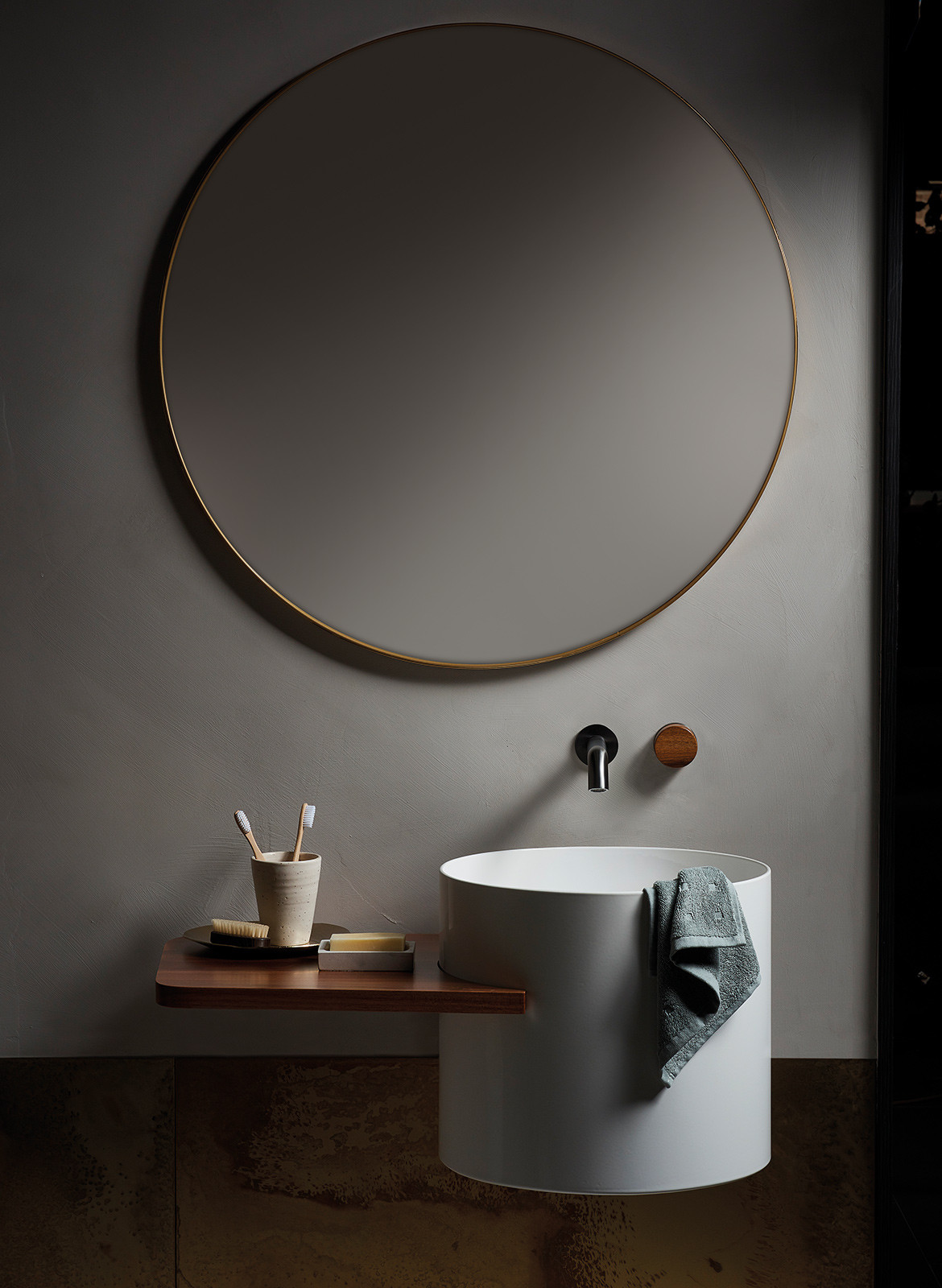
Elvire highlights the beauty of intricate details that are only achievable by the unique material of Tasmanian Oak and Tasmanian Blackwood. For Caroma, this renewable materiality dominates the collection and defines a design narrative that is operating a bit differently than the rest of the world. It’s celebrating the evolution of a new, cohesive and beautifully resolved design language that speaks to incoming generations who are just getting to know Caroma and generations that have been around for years. 


Luke states, “We visited all options from laminate to cheaper American timber options – but there’s nothing quite like Australian timber and having that identity to the range. It gives it a special charm that is undeniably Caroma.”
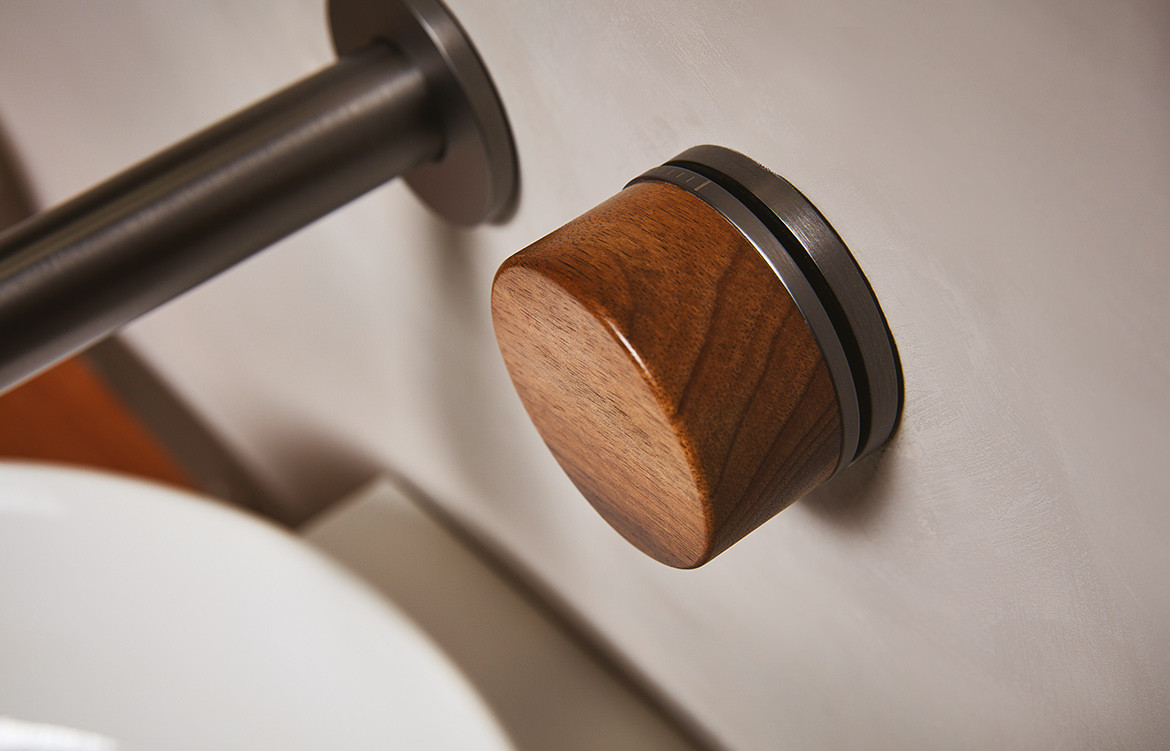


The opportunity to bring in a new, quintessentially Australian element into the sustainability conversation was a significant step for Luke and Caroma. By integrating ethically sourced material from Tasmanian forests, the leading brand showcases their ability to present a beautiful piece of natural material that has been carefully treated with good intention and a lifetime warranty on it. Design longevity is ingrained into all Caroma products with quality elements that strips away any built-in obsolescence. 


“Stepping away from form and function, the timber creates a bigger, stronger focal point and it was beautiful to have this natural material defining our new direction,” Luke expresses. “It’s ultimately the star of the show.”


The raw, natural texture and aesthetic of the Tasmanian Timber speak to a new kind of sophisticated elegance, tailored to any individual and any lifestyle. The unique grain created an organic journey of locality, individuality and sustainability that showcased the best of what Australia has to offer. It pays homage to the heritage of the Australian land, with its innate tactility and unique grain that connects its user to the ground it’s come from. 


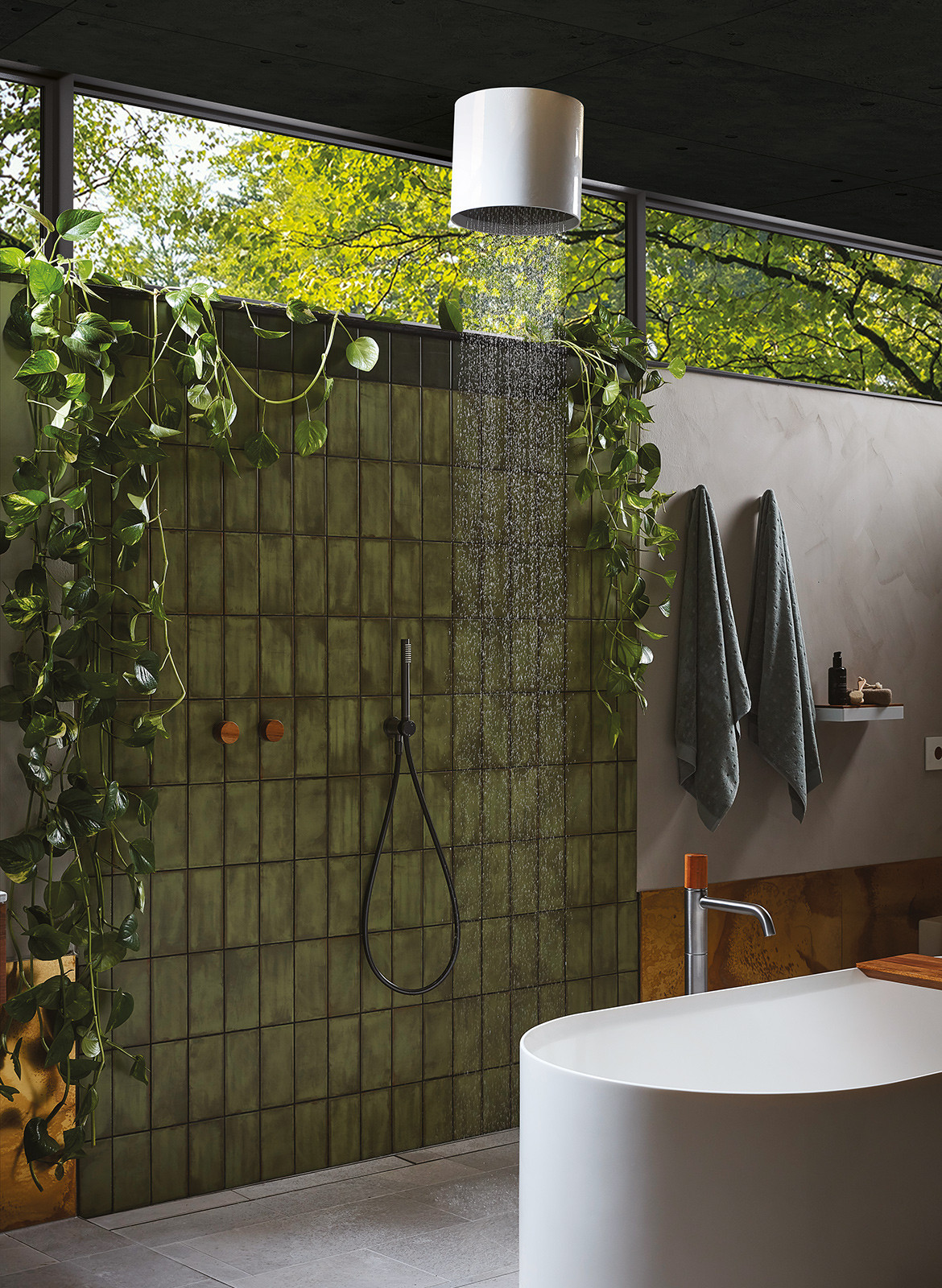
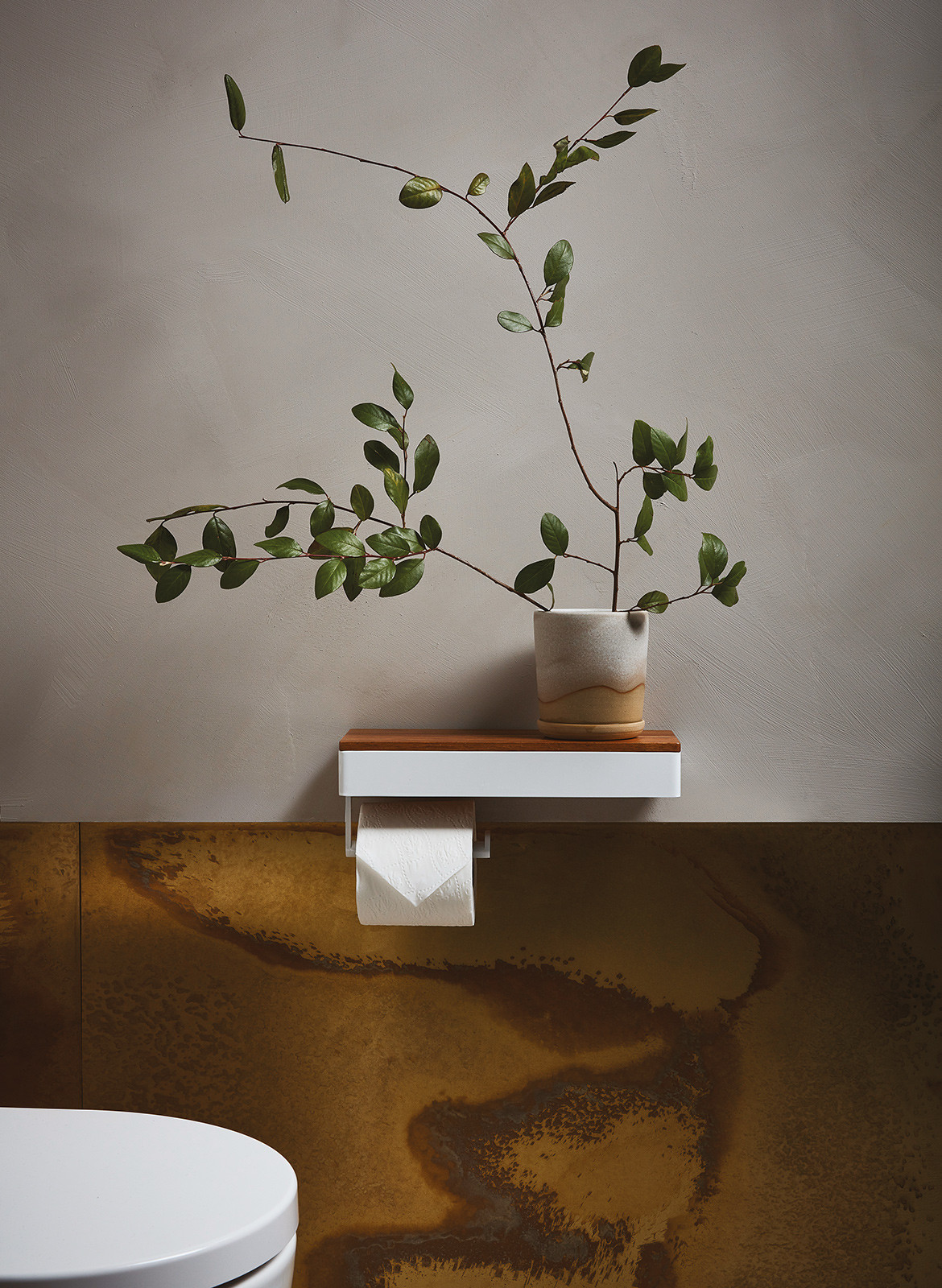
Married with the boldness of enamelled steel and gunmetal finishes, Elvire is pivotal – demonstrating the best of progressive local design.


A Collection To Remember


Looking forward to the new decade, there is still a long way to go. Beneath the surface of Elvire lies a complexity that is inimitably Caroma. Through its simplicity in form, tones and material integrity, the design and ethical decisions in this new collection have opened a new dialogue for the bathroom pioneers. Though Caroma has had significant feats and contributions since its inception, this is just the beginning. A firm believer in good, honest and sustainable design, Caroma demonstrates the human capacity to reshape, rebuild and restore the past, present and future spaces of tomorrow.


The post Design For The Next Generation appeared first on Habitusliving.com.

Design For The Next Generation

Here in Australia, we’ve seen a series of disastrous bushfires, unexpected hail storms and heavy rainfall and floods all in the first two months of the new decade and there’s no sign of it slowing down. Long story short, there is a 99.9% chance that the future will be dark – if the work of humanity will continue at the rate it is now.

Yet there’s still hope – our design leaders; our industry’s movers and shakers and the emerging generations are ready to disrupt the status quo by reversing the harm done from the last few decades and bringing in a new understanding of the term, sustainability. The built environment is the biggest emitter of carbon, putting us in a dire need of change and in prime position to lead the way. Therefore, 2020 is all about climate activism, reshaping the world’s built form and reversing our climate – putting architects and designers at the forefront in this new wave of sustainability practices and beliefs. 

Innovative and boundary-pushing Danish architect Bjarke Ingels once said, “If we can change the climate of planet earth by accident, then imagine what we can achieve if we’re actually trying to do it. I have infinite faith in the human capacity to do something about it.” 

And that’s exactly what we’re doing – taking our planet back.

The Age of Responsibility

‘Sustainability’ is a mainstay word of today – addressing our century’s new normal. Divisive and inherently politicised, sustainability means different things to different people. For architects, creatives and designers, it is a way of life – something embedded in the soul that drives any practice; its values; its products; and projects. These industry voices have an inimitable responsibility to introduce built forms that support human stability and growth for the past, present and (hopefully) undying future. 

In an era where we have reached catastrophic environmental lows, there has never been a more pressing time for the industry to save us than now. The practice of “doing less” is way past its expiry date and our new responsibility is to “do more” through, reshaping, restoring and rebuilding the land that we’ve lost.

This means that the demand for sustainable structures, ethical practices, waste-eliminating products and sustainable consumerism is urgent in order to reduce our carbon emissions, inspire our lifestyle and define our direction forward. 

A brand that acknowledges this need for impactful change is Caroma. Dedicated to creating a greener future, Caroma lives and breathes sustainability within the bathroom space. With a heritage spanning across nearly 8 decades, sustainability has been ingrained into their DNA from the beginning – acknowledging the responsibility and power that their products have. Drawing from the influences of our current context and landscapes, Caroma translates their shift into a contemporary elegance that speaks to sustainability in the 21st century. 

Marking an incredible milestone to the Caroma name, the latest addition of the Elvire Collection delivers a new message of Australian sustainability into the home through timeless aesthetics and considered design.

The Next Chapter

Since 1941, Caroma has always paved the way in delivering smart, sustainable and innovative bathroom solutions. Over 75 years of research and practice within the industry, Caroma continues to drive functional, efficient and sustainable ingenuity for the Australian bathroom.

In 1980, Caroma developed the world’s first Dual Flush toilet designed to improve water efficiency, saving approximately 32,000 litres of water per household, through state-of-the-art full flush/half flush technology. In 2007, Caroma introduced its first WELS 5 Star Toilet Suite featuring a cistern with a dual-flush push button and integrated hand basin. Over a decade later, Caroma’s Cleanflush® technology won the Good Design Award – consistently demonstrating their passion for protecting and conserving water to benefit all Australians. 

In 2019, Caroma took a step into uncharted territory with Elvire – the introduction of a new, tactile and natural material that they can proudly put amongst the past products designed with a vision of protecting our resources for the country’s next generation. 

Looking beyond the millennial generation, the concept of ‘new sustainability’ speaks to a wider segment of consumers – one that the industry and market is becoming more familiar with. Caroma has captured this new, revitalised essence of sustainability with Elvire that represents youth, emotion and refreshed production processes through a full suite of bathroomware products from tapware; to hardware; and all the way through the bathroom accessories made from Australian-sourced materials. 

Designer, Luke Di Michiel creates a story of heritage, wellness, connection and a new type of sustainability that rediscovers the beauty of Australian nature and human-centric design. Pushing past notes of functionalism, the bathroom is transformed into a personalised sanctuary – one that is designed for people. Made to support any lifestyle, Elvire is an extension of the way Australians live; their living spaces; and stands as a collection that honours the simplicities of beautiful and ethical design.

Luke notes, “It’s not just about designing a product that looks good and putting it out there for the sake of it – we have to step back and think, ‘how can this actually help society and the present and future of the design industry?”

Caroma recognises changing consumer behaviours and in the last few years, the industry has seen that customers are more inclined to buy products that align with their own sustainable morals and values. How does Luke respond? Through combining his design expertise with passionate creatives within the industry that hold unique and similar philosophies ready to define the next wave of Caroma products. 

Today, Elvire surpasses these consumer expectations with an emphasis in their environmental and consumer responsibility – focusing on local manufacturing, locally sourced materials, design longevity and a new, revitalised collection that’s close to home. 

Celebrating Locality

In Australia, our design history demonstrates the influence and integration of overseas trends in our nation’s creative narrative. However, in the last few decades, the Australian design market has seen trailblazing feats in local innovation, craftsmanship and artistry step into the scene. 

Design thinkers and creators, such as Caroma are changing the pace of Australian design; what it means; and redefining the sustainability message of today for the next generation. In partnership with Australian designers such as Port Stephens Joinery and Evostyle, Elvire was able to grow and develop into a collection that is right on-trend at the moment.  

Elvire highlights the beauty of intricate details that are only achievable by the unique material of Tasmanian Oak and Tasmanian Blackwood. For Caroma, this renewable materiality dominates the collection and defines a design narrative that is operating a bit differently than the rest of the world. It’s celebrating the evolution of a new, cohesive and beautifully resolved design language that speaks to incoming generations who are just getting to know Caroma and generations that have been around for years. 

Luke states, “We visited all options from laminate to cheaper American timber options – but there’s nothing quite like Australian timber and having that identity to the range. It gives it a special charm that is undeniably Caroma.”

The opportunity to bring in a new, quintessentially Australian element into the sustainability conversation was a significant step for Luke and Caroma. By integrating ethically sourced material from Tasmanian forests, the leading brand showcases their ability to present a beautiful piece of natural material that has been carefully treated with good intention and a lifetime warranty on it. Design longevity is ingrained into all Caroma products with quality elements that strips away any built-in obsolescence. 

“Stepping away from form and function, the timber creates a bigger, stronger focal point and it was beautiful to have this natural material defining our new direction,” Luke expresses. “It’s ultimately the star of the show.”

The raw, natural texture and aesthetic of the Tasmanian Timber speak to a new kind of sophisticated elegance, tailored to any individual and any lifestyle. The unique grain created an organic journey of locality, individuality and sustainability that showcased the best of what Australia has to offer. It pays homage to the heritage of the Australian land, with its innate tactility and unique grain that connects its user to the ground it’s come from. 

Married with the boldness of enamelled steel and gunmetal finishes, Elvire is pivotal – demonstrating the best of progressive local design.

A Collection To Remember

Looking forward to the new decade, there is still a long way to go. Beneath the surface of Elvire lies a complexity that is inimitably Caroma. Through its simplicity in form, tones and material integrity, the design and ethical decisions in this new collection have opened a new dialogue for the bathroom pioneers. Though Caroma has had significant feats and contributions since its inception, this is just the beginning. A firm believer in good, honest and sustainable design, Caroma demonstrates the human capacity to reshape, rebuild and restore the past, present and future spaces of tomorrow.

The post Design For The Next Generation appeared first on Habitusliving.com.

суббота, 15 февраля 2020 г.

3 Ways London Fashion Week is Encouraging Mindful Consumption

London Fashion Week is now in full swing, and in addition to getting six day’s worth of eye candy, guests of shows can also enjoy a taste of eco-minded style thanks to different initiatives spearheaded by the British Fashion Council. From sipping sustainably to giving a platform to brands with an innovative ethos, here’s how #LFW is living up to its #positivefashion vision.


Plastic water bottles are out, tote bags are in


At the British Fashion Council show space at 180 The Strand, show goers can ask for a free S’well bottle to use throughout LFW and beyond. And designer Richard Malone collaborated with the BFC and Bags of Ethics™ to create a canvas bag for hauling around invites, freebies and most importantly, snacks.


Photography by Zoe Lower/British Fashion Council

Making space for brands pushing the dial


From 3am Eternal’s upcycled wares to Stay Wild’s sustainable swimwear crafted from a material made with waste such as fabric scraps, the Positive Fashion exhibition at this year’s event is chock full of creatives and their novel ideas that redefine what it means to design with purpose.


Nurturing a circular economy


Finding the right outfit is a must during any fashion week, and LFW is making it easier to do in an eco-friendly way thanks to a partnership with Swap Shop by Patrick McDowell and Global Fashion Exchange. Guests can bring unwanted clothing items in (approval process in effect) and leave with previously loved pieces for their wardrobes.


Not at LFW? Not to worry, here are 11 ways you can lead a more sustainable life wherever you are.


The post 3 Ways London Fashion Week is Encouraging Mindful Consumption appeared first on FASHION Magazine.

пятница, 14 февраля 2020 г.

3 Ways London Fashion Week is Encouraging Mindful Consumption

London Fashion Week is now in full swing, and in addition to getting six day’s worth of eye candy, guests of shows can also enjoy a taste of eco-minded style thanks to different initiatives spearheaded by the British Fashion Council. From sipping sustainably to giving a platform to brands with an innovative ethos, here’s how #LFW is living up to its #positivefashion vision.

Plastic water bottles are out, tote bags are in

At the British Fashion Council show space at 180 The Strand, show goers can ask for a free S’well bottle to use throughout LFW and beyond. And designer Richard Malone collaborated with the BFC and Bags of Ethics™ to create a canvas bag for hauling around invites, freebies and most importantly, snacks.

Photography by Zoe Lower/British Fashion Council

Making space for brands pushing the dial

From 3am Eternal’s upcycled wares to Stay Wild’s sustainable swimwear crafted from a material made with waste such as fabric scraps, the Positive Fashion exhibition at this year’s event is chock full of creatives and their novel ideas that redefine what it means to design with purpose.

Nurturing a circular economy

Finding the right outfit is a must during any fashion week, and LFW is making it easier to do in an eco-friendly way thanks to a partnership with Swap Shop by Patrick McDowell and Global Fashion Exchange. Guests can bring unwanted clothing items in (approval process in effect) and leave with previously loved pieces for their wardrobes.

Not at LFW? Not to worry, here are 11 ways you can lead a more sustainable life wherever you are.

The post 3 Ways London Fashion Week is Encouraging Mindful Consumption appeared first on FASHION Magazine.

четверг, 19 декабря 2019 г.

What does our rubbish say about us?

The Asahi Shimbun Displays Disposable? Rubbish and us explores our changing relationship with rubbish. Wandering the galleries of the British Museum, you can see some of the finest objects ever created by human hands. But you might be surprised to learn that some of our most precious objects are things that were once thrown away. Today, they have become invaluable tools for learning about the past.

On display in Room 3, Disposable? takes a group of objects from the Museum’s diverse archaeological collection: finds from Staple Howe in North Yorkshire, a small settlement inhabited sometime between around 700 BC and 450 BC. These pot fragments, animal bones, and tools were cast aside when they were no longer useful, accumulating in dumps of refuse around the site and being used as packing around the perimeter fence.  Thousands of years later they were uncovered and carefully recorded by archaeologists, allowing us to study and better understand the people who made, used, and eventually discarded them.

Artist’s representation of how the settlement at Staple Howe may have looked. Illustration: Craig Williams.

From Staple Howe’s rubbish we know that its inhabitants farmed sheep, cattle and pigs, and grew wheat. Most of their materials came from nearby: local clay was used to make pots, animal bones and shed deer antlers were used as raw materials for fishing equipment. People living in the settlement were very resourceful: a broken pot was recycled to make a spindle whorl (used for spinning wool to make thread for clothing), and a razor has been heavily sharpened to extend its long life. They also cared about their possessions and their own appearance, gathering jet from the beach to make beautiful jewellery and decorating their pottery with delicate lines of finger impressions. New research by Meredith Laing at the University of Leicester has used the size of these marks to show that the pots were made by women and children.


Pottery jar rim, Staple Howe, 700–450 BC.

The skilled craftspeople of Staple Howe left no written accounts of their lives behind. We cannot speak to them, but we can place our fingers into the hollows where they once pressed theirs. The pots they made have stood the test of time. Two and a half thousand years later, they allow us to ask new questions about life in ancient Britain.

Today, our relationship with rubbish is very different. The second half of the Disposable? display looks at the human impact of modern waste in the Pacific Island nations, which are suffering some of the worst effects. Across the world, we are seeing the creation of single-use products, particularly ones made from plastic, reach unprecedented levels. Fuelled by our demand for convenience and cheap goods these items can take hundreds of years to biodegrade and are often disposed of poorly. This has led to almost eight million metric tons of plastic entering our oceans every single year. Over fifty percent of this ocean plastic is waste from the international commercial fishing industry and is made of up of discarded nets, lines and broken equipment.  In the Pacific these plastics join with the discarded waste entering the ocean from surrounding large nations, creating ‘garbage patches’ swirled together in ocean currents called Pacific Gyres.

Polluted seashore in Honiara, Solomon Islands. Image: Roy Hills.

A simple yet technically beautiful yellow fishing basket made by Guam artist and net-maker Anthony C Guerrero highlights the extent of the plastic waste problem in the Pacific. For centuries, fishing baskets in Guam were woven from coconut leaves but here Guerrero used discarded plastic wrapping found on his local beach. These straps are waste from the construction industry, which mostly services foreign tourists. While the basket is made using traditional weaving techniques, the plastic wrapping is more durable than plant fibres. Guerrero has found a creative and practical way to give this robust single-use material a second life.


Anthony C Guerrero, fishing basket made of recycled plastic construction strapping, Guam, 2016.

In 2016 Guerrero exhibited the basket at the Festival of the Pacific Arts in Guam where it was bought by a British Museum curator and entered the Museum’s collection. A beautiful work of art, the basket demonstrates the resilience and resourcefulness of the local Chamorro culture in Guam. It can also be seen as a powerful political statement created in response to the impact plastic waste is having on people living in the Pacific. Communities across the Pacific, like Guerrero, are working together to activate grass-roots initiatives to try and stem the impact of the problem through beach clean-ups,  re-purposing discarded items and banning some disposable plastic items. However, these local responses can by no means alleviate the scale of the problem. Much of this waste is not created locally and Pacific Island nations often have little infrastructural support for large scale recycling of waste. The plastic crisis cannot be left to individuals or small-scale interventions and will take a concerted international effort by governments across the globe to take legislative action to effect change.

A fisherman in Guam using a recycled plastic basket, much like the one on display in Room 3. Image: Julie Adams.

If the rubbish from Staple Howe can act as a treasure trove of information, helping us build stories and details of people who lived in ancient Britain, what can today’s plastic rubbish tell us about ourselves? What objects will future museums use to tell our story?

The Asahi Shimbun Displays Disposable? Rubbish and us is in Room 3 until 23 February 2020. Find out more.

Supported by The Asahi Shimbun.