Показаны сообщения с ярлыком Awards. Показать все сообщения

понедельник, 17 февраля 2020 г.

10 Reasons You Should Enter the 8th Annual A+Awards

The 8th Annual A+Awards has launched and is accepting entries. With a Final Entry Deadline of March 27, 2020, the time to submit projects to the world’s largest awards program for architecture and building products is quickly passing by. Hit the blue button to get started on your entry:


Enter the 8th Annual A+Awards


The A+Awards presents a massive opportunity for any firm that believes it has what it takes to stand out and be awarded in this year’s program. This year’s A+Awards is dedicated to showcasing “The Future of Architecture”, honoring truly forward-thinking firms — large and small — that are tackling the biggest issues facing society today. At this crucial time, this forms a moment to be recognized as a leader, on the front lines of architecture’s evolution. As we approach the thrilling conclusion of this year’s program, here are 10 powerful reasons your firm should enter the 8th Annual A+Awards.


1. Global Recognition


A+Awards finalists and winners are recognized as the year’s most influential visionaries by not only our esteemed jury of distinguished luminaries but also Architizer’s 7+ million strong online community of architects and enthusiasts.


2. Feature in the A+Awards Book


All architecture winners are featured in the annual A+Awards compendium entitled “Architizer: The World’s Best Architecture”, published by Phaidon. The book collects the world’s most inspiring architecture, serving as the definitive guide to the year’s best buildings and spaces. Check out the previous edition of the book here.
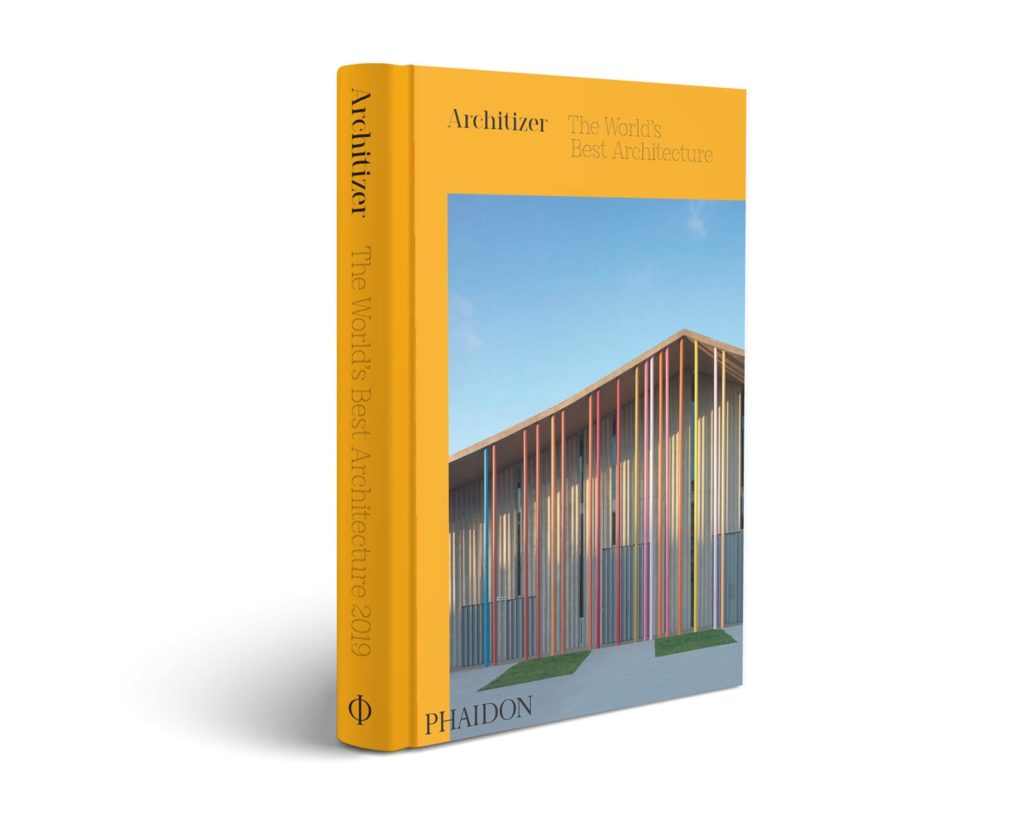

A preview of the soon-to-be-released 2019 A+Awards Book, “The World’s Best Architecture”


3. The A+Awards Trophy


All winners receive a custom-engraved A+Awards Trophy. It’s a remarkable showpiece crafted by some of the world’s best awards designers. We’re proud to provide a bespoke trophy that reflects our winners’ outstanding design ethos and achievements.


4. Bragging Rights


Winners will also have unlimited bragging rights, with the ability to flaunt the iconic black and white A+Award winner’s badge across their websites and social media. It’s a stamp of approval that clients will immediately recognize.
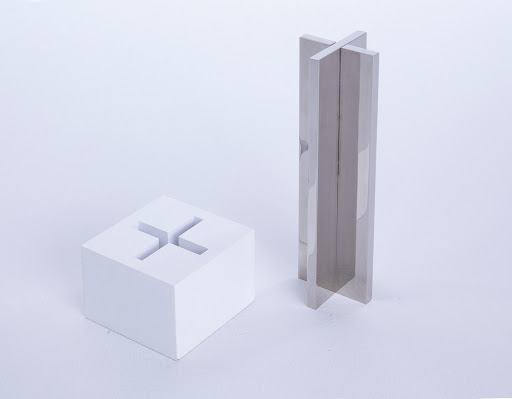

The beautiful A+Awards trophy


5. Double Chance to Win


There are not one but two opportunities to win in each category — the jury and popular vote give each entrant two ways to succeed. The winners of the Popular Choice Awards and Jury Winners are honored equally, and each year, the Finalists receive hundreds of thousands of public votes!


6. Feature on the A+List


All architecture winners are included in the A+List, our annual run-down of Architecture Firms to Watch. The list forms a definitive “who’s who” of design studios to focus on during the coming year. Winners in this year’s A+Awards competition will be featured in next year’s A+List, kicking off 2021 with a bang (and a TON of exposure).


7. Go Viral on Instagram


Every winning project is guaranteed to be featured on Architizer’s Instagram in the coming year. With 1.5 million followers and thousands of likes on every post, expect to go viral.
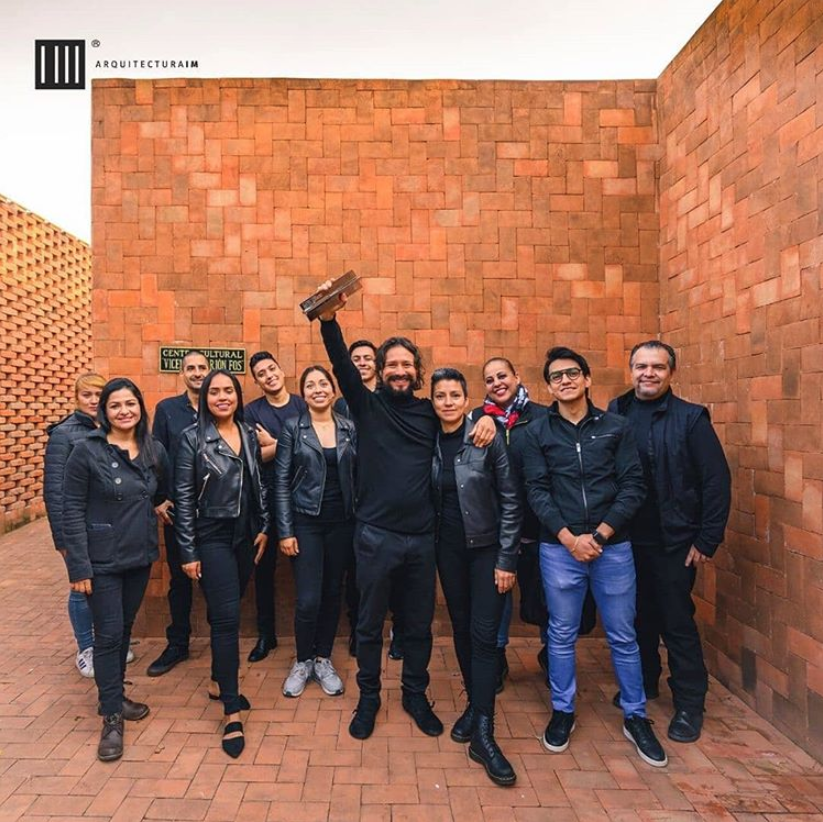

Iván Marín and his team celebrate their 2019 A+Award win at the Cultural Center at Centro Educativo de Morelia, winner of the Popular Vote in the Architecture +Brick category. Image courtesy of the architects


8. Celebrate With Your Team


Winning an A+Award is a boost to every team member who was involved with a project. It offers a chance to celebrate with your team and recognize the value of teamwork. Just look at Ivan Marín Arquitectura (pictured above) for proof!


9. Establish Your Firm as a Specialist Though Leader


The winners of specific categories can say they are leaders working in a particular typology, working with a particular material, or working with new technologies. This is the perfect opportunity to establish your firm as a specialist thought leader in emerging architectural trends.
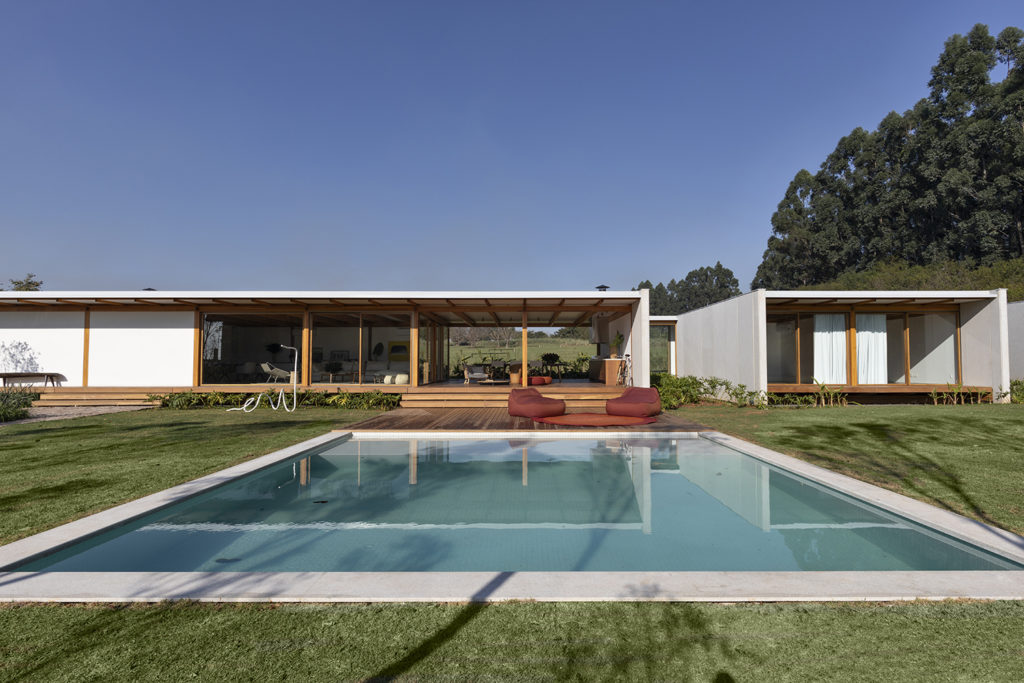

Pipa House, Popular Vote Winner in the Architecture+Prefab category in the 2019 A+Awards


10. Be a Part of the Future of Architecture


As emphasized earlier, the 8th Annual A+Awards is breaking from convention, aiming to highlight work that addresses the most pressing issues facing architecture and design today. Your work has the chance to be recognized as part of a new wave of architectural thought and practice.


So, what have you got to lose?! Get your work the global recognition it deserves by entering the A+Awards this year. Submit before midnight on Friday, March 27th, 2020 to get your firm in the running.


Best of luck from the whole team at Architizer!


Enter the 8th Annual A+Awards


The post 10 Reasons You Should Enter the 8th Annual A+Awards appeared first on Journal.

10 Reasons You Should Enter the 8th Annual A+Awards

The 8th Annual A+Awards has launched and is accepting entries. With a Final Entry Deadline of March 27, 2020, the time to submit projects to the world’s largest awards program for architecture and building products is quickly passing by. Hit the blue button to get started on your entry:

Enter the 8th Annual A+Awards

The A+Awards presents a massive opportunity for any firm that believes it has what it takes to stand out and be awarded in this year’s program. This year’s A+Awards is dedicated to showcasing “The Future of Architecture”, honoring truly forward-thinking firms — large and small — that are tackling the biggest issues facing society today. At this crucial time, this forms a moment to be recognized as a leader, on the front lines of architecture’s evolution. As we approach the thrilling conclusion of this year’s program, here are 10 powerful reasons your firm should enter the 8th Annual A+Awards.

1. Global Recognition

A+Awards finalists and winners are recognized as the year’s most influential visionaries by not only our esteemed jury of distinguished luminaries but also Architizer’s 7+ million strong online community of architects and enthusiasts.

2. Feature in the A+Awards Book

All architecture winners are featured in the annual A+Awards compendium entitled “Architizer: The World’s Best Architecture”, published by Phaidon. The book collects the world’s most inspiring architecture, serving as the definitive guide to the year’s best buildings and spaces. Check out the previous edition of the book here.

A preview of the soon-to-be-released 2019 A+Awards Book, “The World’s Best Architecture”

3. The A+Awards Trophy

All winners receive a custom-engraved A+Awards Trophy. It’s a remarkable showpiece crafted by some of the world’s best awards designers. We’re proud to provide a bespoke trophy that reflects our winners’ outstanding design ethos and achievements.

4. Bragging Rights

Winners will also have unlimited bragging rights, with the ability to flaunt the iconic black and white A+Award winner’s badge across their websites and social media. It’s a stamp of approval that clients will immediately recognize.

The beautiful A+Awards trophy

5. Double Chance to Win

There are not one but two opportunities to win in each category — the jury and popular vote give each entrant two ways to succeed. The winners of the Popular Choice Awards and Jury Winners are honored equally, and each year, the Finalists receive hundreds of thousands of public votes!

6. Feature on the A+List

All architecture winners are included in the A+List, our annual run-down of Architecture Firms to Watch. The list forms a definitive “who’s who” of design studios to focus on during the coming year. Winners in this year’s A+Awards competition will be featured in next year’s A+List, kicking off 2021 with a bang (and a TON of exposure).

7. Go Viral on Instagram

Every winning project is guaranteed to be featured on Architizer’s Instagram in the coming year. With 1.5 million followers and thousands of likes on every post, expect to go viral.

Iván Marín and his team celebrate their 2019 A+Award win at the Cultural Center at Centro Educativo de Morelia, winner of the Popular Vote in the Architecture +Brick category. Image courtesy of the architects

8. Celebrate With Your Team

Winning an A+Award is a boost to every team member who was involved with a project. It offers a chance to celebrate with your team and recognize the value of teamwork. Just look at Ivan Marín Arquitectura (pictured above) for proof!

9. Establish Your Firm as a Specialist Though Leader

The winners of specific categories can say they are leaders working in a particular typology, working with a particular material, or working with new technologies. This is the perfect opportunity to establish your firm as a specialist thought leader in emerging architectural trends.

Pipa House, Popular Vote Winner in the Architecture+Prefab category in the 2019 A+Awards

10. Be a Part of the Future of Architecture

As emphasized earlier, the 8th Annual A+Awards is breaking from convention, aiming to highlight work that addresses the most pressing issues facing architecture and design today. Your work has the chance to be recognized as part of a new wave of architectural thought and practice.


So, what have you got to lose?! Get your work the global recognition it deserves by entering the A+Awards this year. Submit before midnight on Friday, March 27th, 2020 to get your firm in the running.

Best of luck from the whole team at Architizer!

Enter the 8th Annual A+Awards

The post 10 Reasons You Should Enter the 8th Annual A+Awards appeared first on Journal.

суббота, 15 февраля 2020 г.

Behind the Scenes of Bong Joon Ho’s Oscar-Winning ‘Parasite’ PR Campaign

Publicist Mara Buxbaum is still in a good mood two days after the Oscars and staying up all night in Koreatown as Bong Joon Ho and the team behind “Parasite” celebrated their historic four-Oscar win. Did Director Bong drink as promised? “We all did, we all drank all night,” said Buxbaum on the phone Tuesday. “We had so much fun, drinking Soju and beer. We ate and laughed and gave speeches. It was very moving.”

You can’t blame Buxbaum for being emotional. She’s the first to recognize that success has many fathers, and that when it came to pushing Bong Joon Ho’s “Parasite” to Best Picture, Director, Original Screenplay and International Feature Film, “it takes a village.”

But Buxbaum did jump on board the “Parasite” train early. I ran into her back in Cannes in May, envious that she was hanging out with the Competition jury as the guest of Yorgos Lanthimos, watching all 22 films without a care in the world. It was her reward for a job well done on “The Favourite,” which was nominated for 10 Oscars, including Best Director, and won Best Actress for Olivia Colman.

Bong Joon Ho and Mara Buxbaum.

Anthony Breznican

The president of Hollywood PR agency ID-PR, Buxbaum had been to Cannes many times, accompanying other clients including Sean Penn, Jake Gyllenhaal (who worked on Bong’s “Okja”), and Winona Ryder. But when she first watched “Parasite,” she she was left “speechless.” As the jury left the Palais after the late screening, they ran into Bong’s entourage. The jurors couldn’t say anything, but Buxbaum locked eyes with him and bowed: “Oh my God! Amazing!”

She saw what could happen. As she said, “I chased Bong.” In the next days she reached out to Bong’s agent and manager, his producing partner, and his Korean distributor, CJ Entertainment. (She later connected with its North American distributor, Neon’s Tom Quinn, who acquired the film at the script stage.)

“You felt you were in the hands of a great auteur filmmaker,” she said. “He had a clear vision with that perfect screenplay. The actors were working together at the highest level. The crafts were at the highest level. It was so disciplined, so entertaining. I forgot I was reading subtitles, I was so taken away by his storytelling and filmmaking prowess. The movie felt original, fresh, relevant, and universal. I couldn’t believe that an arthouse foreign-language movie could be so accessible and commercial. It felt like something I hadn’t seen before.”

Parasite

“Parasite”

Neon

A few months after Cannes, when the film won the Palme d’Or, Buxbaum got on a Skype call with Bong in Korea to finalize the deal to represent him and his movie, starting in Telluride.

She told him: “I see a Best Director, Picture, Screenplay campaign. I believe you deserve to be on that path. I passionately want to help ensure that.” Buxbaum was going with her gut, that what she experienced other people would share. And at Telluride, that faith was borne out. “I’ve been on tons of campaigns and projects where that is not always the case, and you wind up feeling alone because people don’t always love it the way you do.”

She politely refused to listen to the conventional wisdom that a foreign-language film couldn’t win Best Picture because no movie ever had, not even “Roma.” “The rules don’t say you can’t do it this way,” she said. “You can, if you love it that much, if you think it’s deserving. All you can do is get the movie seen, get people thinking beyond Best International Feature Film.”

By Telluride, Neon had a promotional schedule for Bong around the film’s October 11 opening in North America. Of course, it all came down to Bong’s willingness to work hard, beyond the Toronto, New York, and London festivals; he and his family moved into a Los Angeles apartment. “He worked tirelessly not just for North America,” said Buxbaum, “but throughout the world to bring this movie everywhere.”

Kang-Ho Song, Bong Joon-ho, So-dam Park, Jeong-eun Lee, Sun-kyun Lee and Woo-sik Choi - Outstanding Performance by a Cast in a Motion Picture - Parasite26th Annual Screen Actors Guild Awards, Press Room, Shrine Auditorium, Los Angeles, USA - 19 Jan 2020

Director Bong Joon Ho, center, and the cast of “Parasite.”

David Fisher/Shutterstock

Neon pursued the beats of the campaign step by step, which included hiring Oscar consultants Perception PR and launching the awards campaign with the Hollywood Film Awards. The campaign evolved as the opening weekend delivered strong box office, with lines around the block.

“This movie had a grassroots feel to it,” said Buxbaum. “It was special, equally because as we believed it, others believed it too. The love for movie kept building like a snowball that got bigger.”

Early press champions out of the festivals, from Vanity Fair to IndieWire, clued the rest of the media to check out the film. “People came on board,” said Buxbaum. “There was an underdog quality of this movie. Others felt they could champion it and be part of this history, too.”

The SAG Ensemble nomination was the gamechanger for Buxbaum, who was in London with Bong and broke down crying when she heard the news. “This is real,” she told him. At the show, the audience stood and cheered when “Parasite” was first introduced with a clip. When “Parasite” won, the room erupted.

Taika Waititi and Bong Joon-HoEntertainment Weekly's 'The Must List' party, Inside, The Thompson Hotel, Toronto International Film Festival, Canada - 07 Sep 2019

Taika Waititi and Bong Joon-Ho at Entertainment Weekly’s ‘The Must List’ party, Toronto

Christopher Polk/Shutterstock

That meant the movie had support from the actors, but “Parasite” did not win the DGA or PGA. It did win Original Screenplay at the WGA and BAFTA. Bong himself was the special sauce.

“You have to make the journey easier so that people want to wrap their arms around you,” said Buxbaum. “Bong is that person. People kept falling in love with him and his voice throughout his process.”

Even his rivals adored him, from old fan Quentin Tarantino and new friends Todd Phillips, Taika Waititi, and Martin Scorsese, who Bong movingly tributed on Oscar night. “They all loved him, but they also had such a good time,” said Buxbaum. “He wants to talk movies with them.”

During the long campaign, Bong relied on his adept translator, filmmaker Sharon Choi, who’s writing a book about her unexpected journey from Cannes through the Oscars. One night when she got sick and couldn’t show up for the Academy’s International Feature Film panel, Bong used a different translator — and spoke more English than he had all season.

The director always wrote his own speeches, delivered with a genuine smile, throughout. “He was tired,” said Buxbaum. “But he showed up 100%. He doesn’t look to anyone, doesn’t fabricate any of it. He’s a man wholly authentic and himself.”

That’s the magic of what happened with “Parasite.” In the end, everyone just wanted to ride that train.

пятница, 14 февраля 2020 г.

Peak TV Killed Awards Shows, and That’s OK — TV Podcast

Hollywood is a tough town. Some nights you’re up and some mornings you’re down. So it went for the 2020 Academy Awards, which offered thrilling Oscar firsts Sunday night — with Bong Joon-Ho and “Parasite” taking home four awards, including Best Picture — but on Monday morning, the party was over. An absolutely abysmal ratings report revealed that the host-less ceremony earned an all-time low in ratings, averaging 23.6 million viewers, down from last year’s already rough viewership numbers of 29.6 million.

The Oscars aren’t alone when it comes to falling ratings. In September, the Primetime Emmy Awards aired its lowest-rated ceremony since the organization began tracking the numbers in 1990, with around 6.9 million viewers tuning to to watch another host-less show. Last month, the Grammy Awards saw its smallest audience in 12 years, drawing approximately 18.7 million viewers.

There are definitely ways that the Oscars telecast could logically retool to grow its audience. Though not asked for his opinion, producer of IndieWire’s TV podcast “Millions of Screens” Leo Adrian Garcia rattled several suggestions off the top of his head, including:

  • Aim to keep it shorter than 2.5 hours (or 15 Quibis).
  • Get a host — forget having presenters for the presenters, when talent introduces themselves before introducing the people who are actually there to present the awards.
  • Get rid of unnecessary performances (lead example: Eminem). Let the show be the star.
  • Get rid of all the music performances for Best Original Song. Producers pitched this controversial idea last year, but a montage of scenes from each nominee’s film, scored by the song in question, would still celebrate the music within the movie.
  • Realize you’re competing with everything else available at the click of a button and stream the show — subscription-free — on Twitter.

But it’s the last point that gets to the heart of the Academy’s issue.

Eminem, 92nd Academy Awards

Eminem, 92nd Academy Awards

Chris Pizzello/Invision/AP/Shutterstock

Ultimately, awards shows are just the latest victim of Peak TV. The Oscars aren’t competing against what’s airing on other networks on a given Sunday night. It’s competing with everything that has ever aired and is currently available to stream. More than that, having so many platforms featuring original TV and movies, which people can watch whenever they want, has completely obliterated the water cooler as we knew it. Audiences are finding more and more programming aimed specifically at them, meaning there’s less common ground for people to come together and celebrate as a unified mass.

Which is to say nothing of the reality that TV ratings are an outdated measure of actual audience engagement, one that networks cling to, even when they understand these numbers don’t reflect an accurate gauge of engagement. Thanks to social media, it’s become largely unnecessary to actually sit down and watch awards shows. Twitter will have better jokes, feature clips of winners speeches, and offer any other must-see moments almost immediately, meaning that what once was a second-screen experience has become the entire screen.

Also important to keep in mind is the rapidly increasing amount of “cord-cutters” who have parted ways with their cable companies and rely largely on mediums that don’t offer — or they don’t invest in — live TV. While there are digital antennas available for those still looking to pick up local broadcast networks, some viewers may not see the point in seeking out the technology they may only utilize every few months.

Clearly, all that sounds bad. And maybe it is (temporarily) bad for the business of awards shows. But it’s not bad for the artistic expression and integrity of the industry. An expansion of film and television that allows for different stories and storytellers to reach wider audiences can only be seen as a net positive for entertainment at large. You don’t get “Fleabag” winning the Emmy for comedy series or “Parasite” winning Best Picture if you don’t have an industry that is producing great and diverse content.

Which is to say, Hollywood is on the right track. If they move forward with a commitment to lifting up the very best its mediums have to offer, the awards will only improve. If the ratings don’t, then so be it. The Oscars took more than 20 years before they started being televised. Change doesn’t have to be a bad thing.

For more on the present and future of televised awards shows, check out this week’s episode of “Millions of Screens” with TV Awards Editor Libby Hill, TV Deputy Editor Ben Travers, and Creative Producer Leo Garcia. In it, the crew detail what went wrong at this year’s Oscars, as well as what went right.

In addition, they dissect the continuing roll-out of Quibi commercials and one host’s thoughts on the strategy — particularly compared to the launch of Apple TV+ — may surprise you. Also, there’s talk of a “CSI” event series, and at this point, why not add one more show to the content pile? Couldn’t hurt.

Millions of Screens” is available on AnchorApple PodcastsBreakerGoogle PodcastsSpotify, and Stitcher. You can subscribe here or via RSS. Share your feedback with the crew on Twitter or sound off in the comments. Review the show on iTunes and be sure to let us know if you’d like to hear the gang address specific issues in upcoming editions of “Millions of Screens.” Check out the rest of IndieWire’s podcasts on iTunes right here.

This episode of “Millions of Screens” was produced by Leonardo Adrian Garcia

вторник, 11 февраля 2020 г.

The Future of Architecture: 10 Designs Taking Adaptive Reuse to the Next Level

Now open for entries, the 8th Annual A+Awards is celebrating the Future of Architecture, giving global recognition to forward-thinking designers forging new solutions for our evolving world. Enter the A+Awards now to be considered for upcoming coverage.


Architizer’s A+Awards, the world’s largest awards program for architecture and building products, has a special theme this year — “The Future of Architecture” is aimed at unearthing the most forward-thinking projects around the globe, with a focus on architecture that responds to the most urgent issues of our time. The A+Awards is open for entries now, so be sure your firm submits its best projects to be in the running for global recognition this year:


Enter the 8th Annual A+Awards


When designing for the future, we must begin with our existing cities. The building sector accounts for roughly a third of global fuel consumption, and in turn, adaptive reuse projects are on the rise as our understanding of embodied energy grows.  Adaptive reuse refers to the process of reusing an existing building for a purpose other than which it was originally built or designed for. It is one way to breathe new life into old buildings, and at the same time, can conserve their historic value and local resources.


The following ten projects are award-winning adaptive reuse designs since the launch of the A+Awards program. As additions, renovations and careful insertions, they bring careful attention to structure, space and circulation. Focusing on the details, they give a glimpse into the future of architecture and how the built environment can evolve over time.


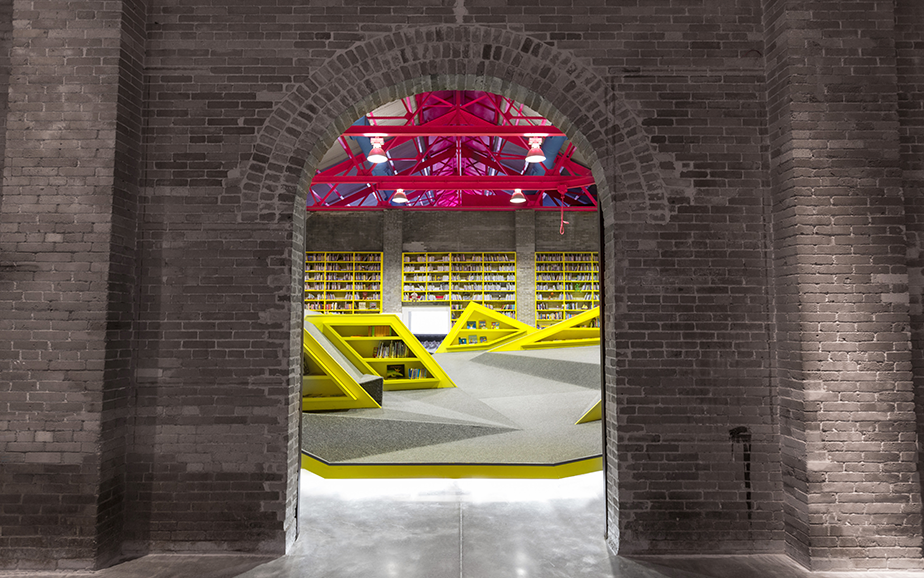
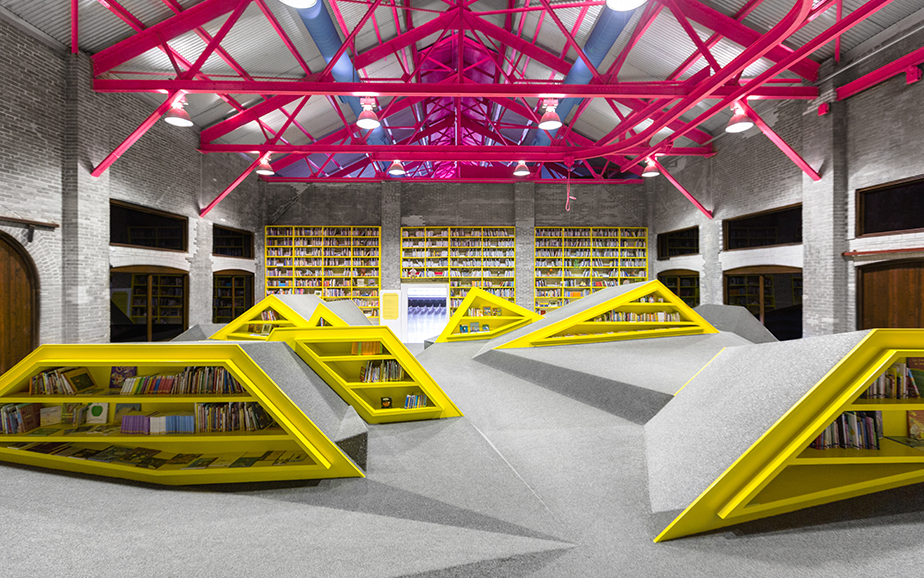
adaptive reuse adaptive reuseNiños Conarte by Anagrama, Monterrey, Mexico


2014 A+ Award for both Jury and Popular Choice


Monterrey, the third largest city in Mexico, is best known for its beautiful mountains and strong industrial backbone. In the heart of the city is Fundidora Park, a unique specimen of industrial archaeology (it was previously a massive steelworks and foundry established in 1900). Conarte reached out to Anagrama with the mission to create a space that would foster a love of reading and learning for children. The children’s library and cultural center was made inside a warehouse-like building, a multi-purpose, asymmetrical reading platform meant to simulate Monterrey’s mountainous topography.


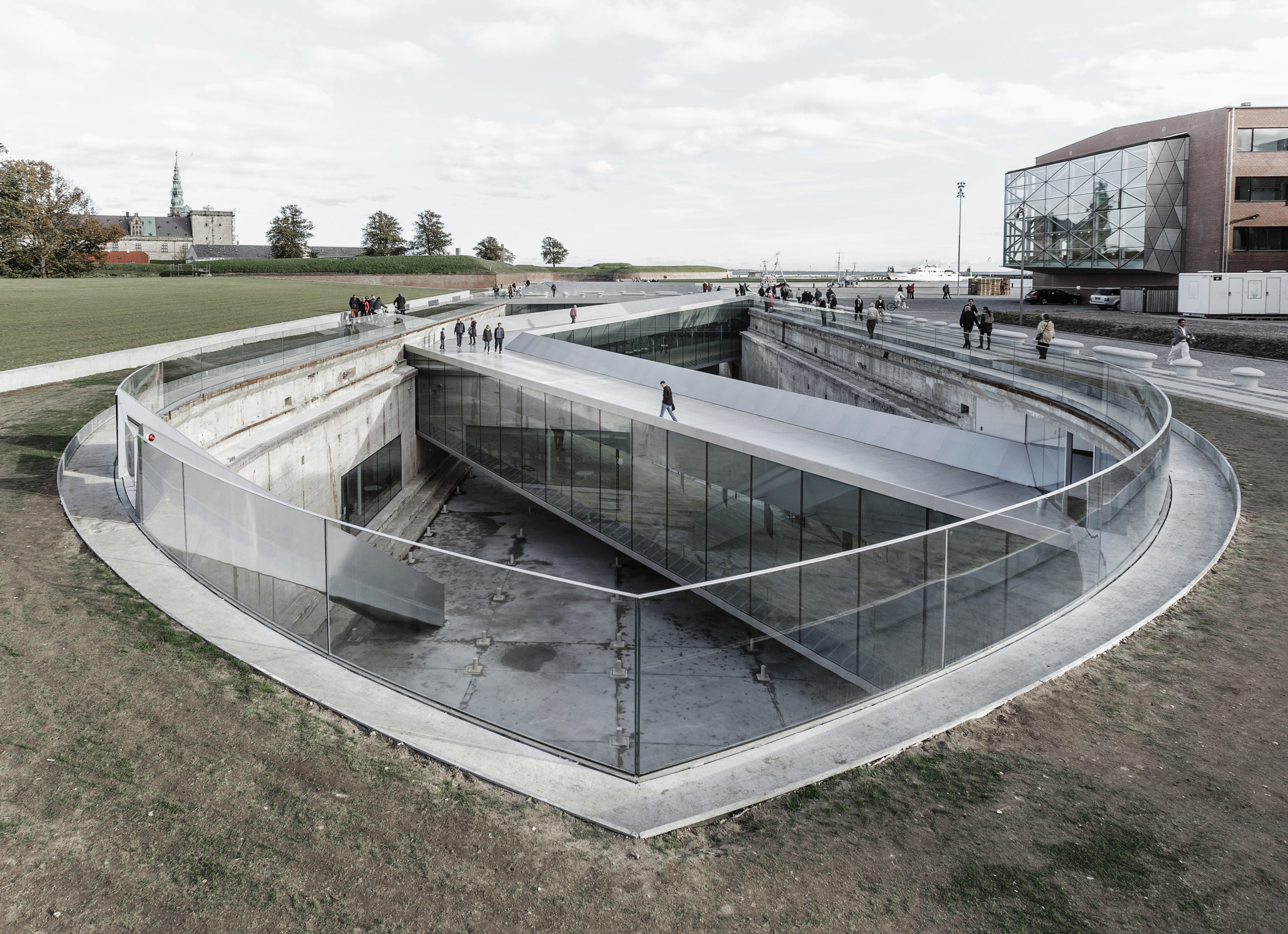
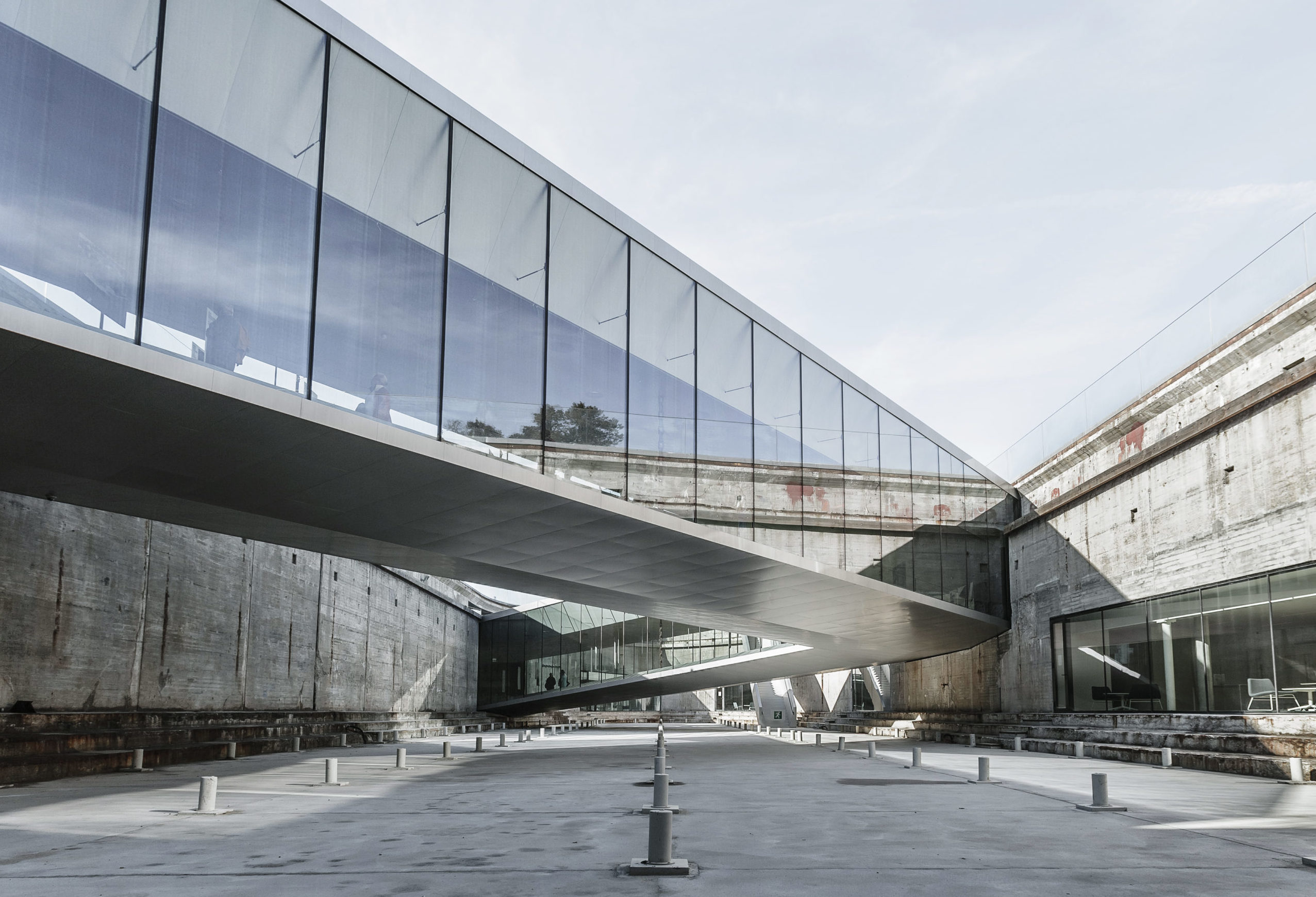
adaptive reuse adaptive reuseDanish National Maritime Museum by BIG – Bjarke Ingels Group, Helsingør, Denmark
2014 A+ Jury Choice Award


The new Danish National Maritime Museum is located in Helsingør, just 50 km north of Copenhagen and 10 km from the world famous Louisiana Museum for Modern Art. The new 6,000 m² (65,000 ft²) museum finds itself in a unique historical context adjacent to one of Denmark’s most important buildings, Kronborg Castle, a UNESCO World Heritage site. Leaving the 60 year old dock walls untouched, the galleries are placed below ground and arranged in a continuous loop around the dry dock walls — making the dock the centerpiece of the exhibition — an open, outdoor area where visitors experience the scale of ship building.


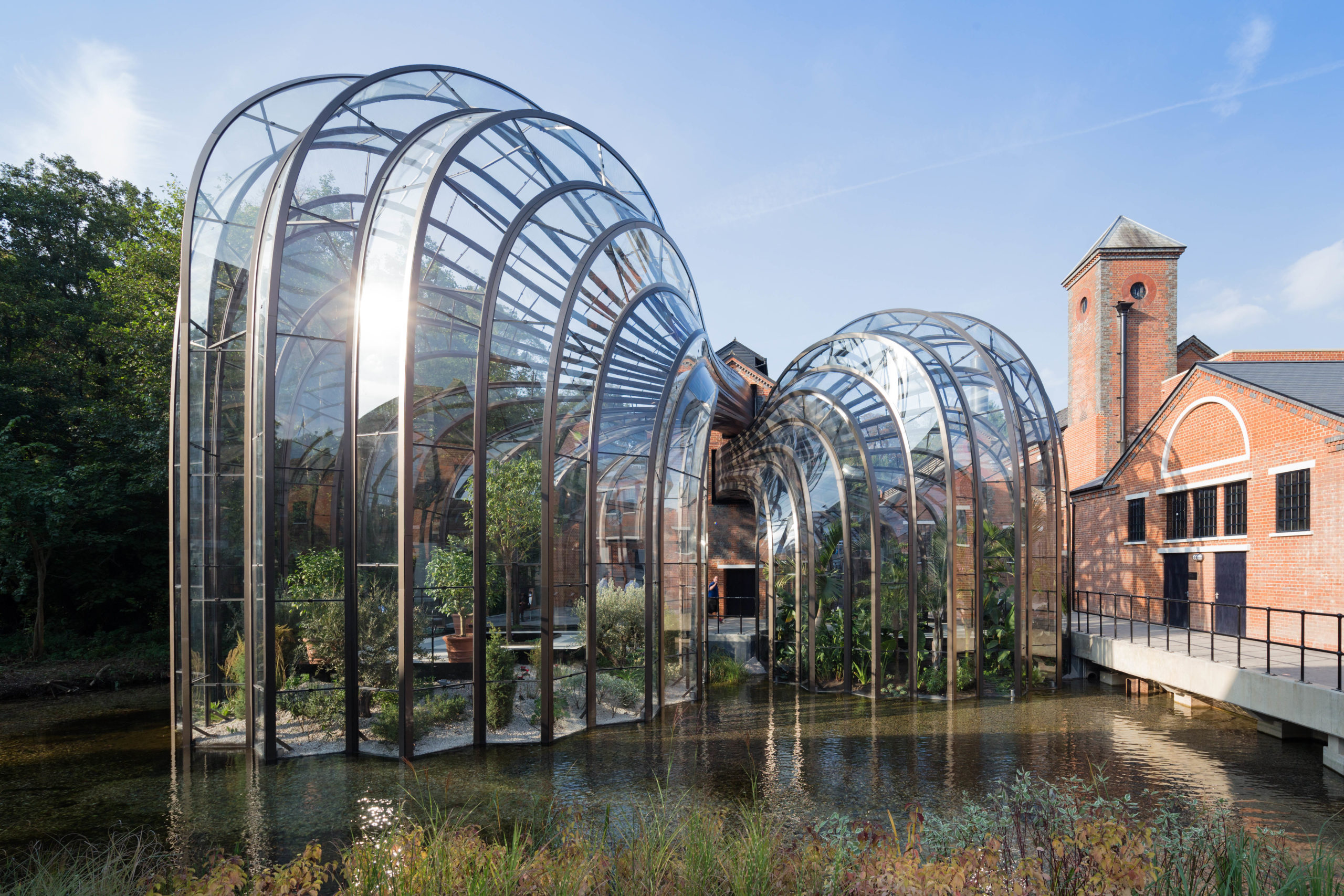
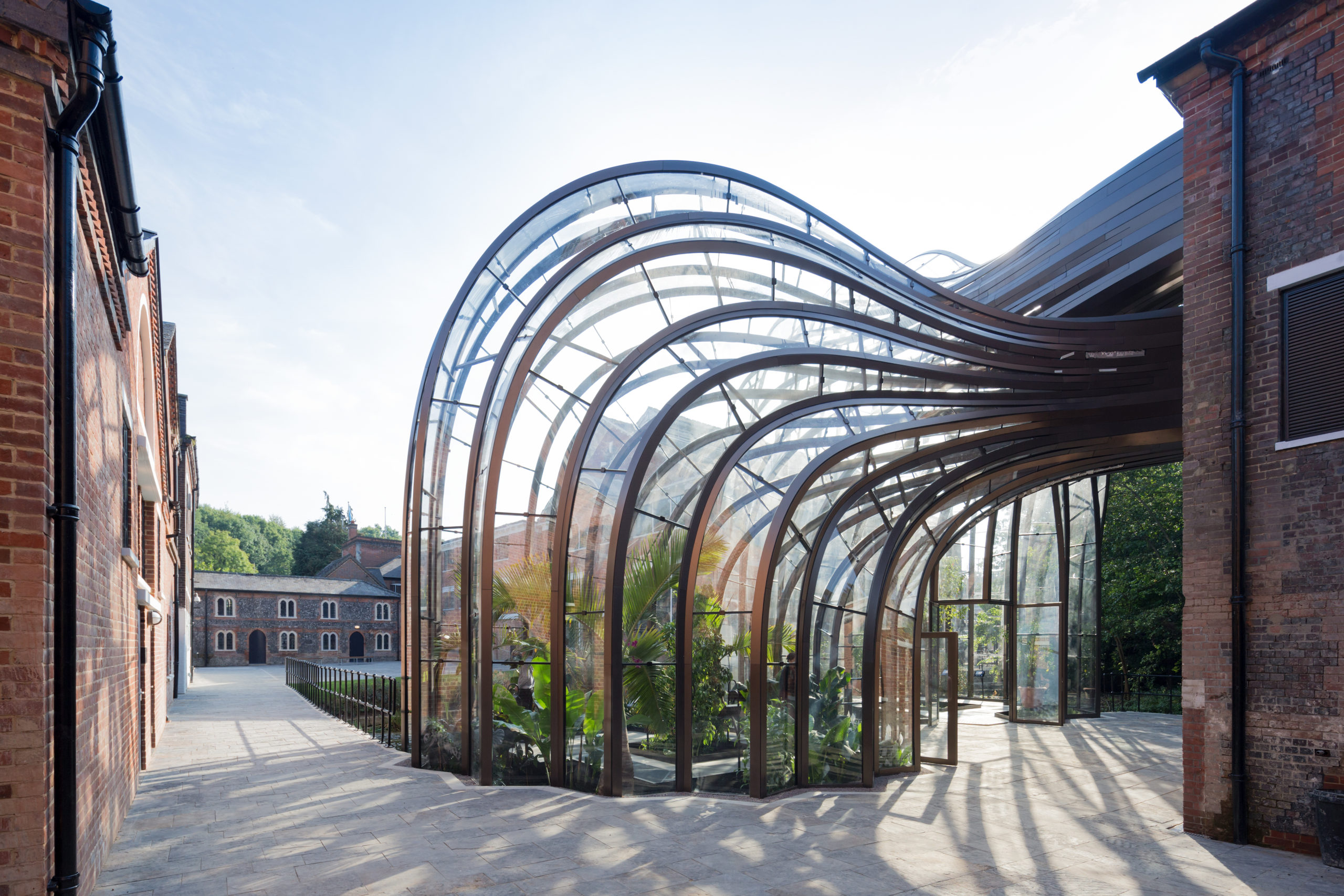
adaptive reuse adaptive reuseBombay Sapphire Distillery by Heatherwick Studio, Hampshire, United Kingdom
2015 A+Award for both Jury and Popular Choice


The gin-maker Bombay Sapphire commissioned the creation of the company’s first in-house production facility, which is open for members of the public to visit. Formerly a water-powered paper mill, the site contained more than forty derelict buildings, many of historical significance, which have been regenerated and restored as part of Heatherwick Studio’s master plan. The plan proposed the creation of two new glasshouses to grow specimens of the 10 exotic plant species used in the Bombay Sapphire distillation process.


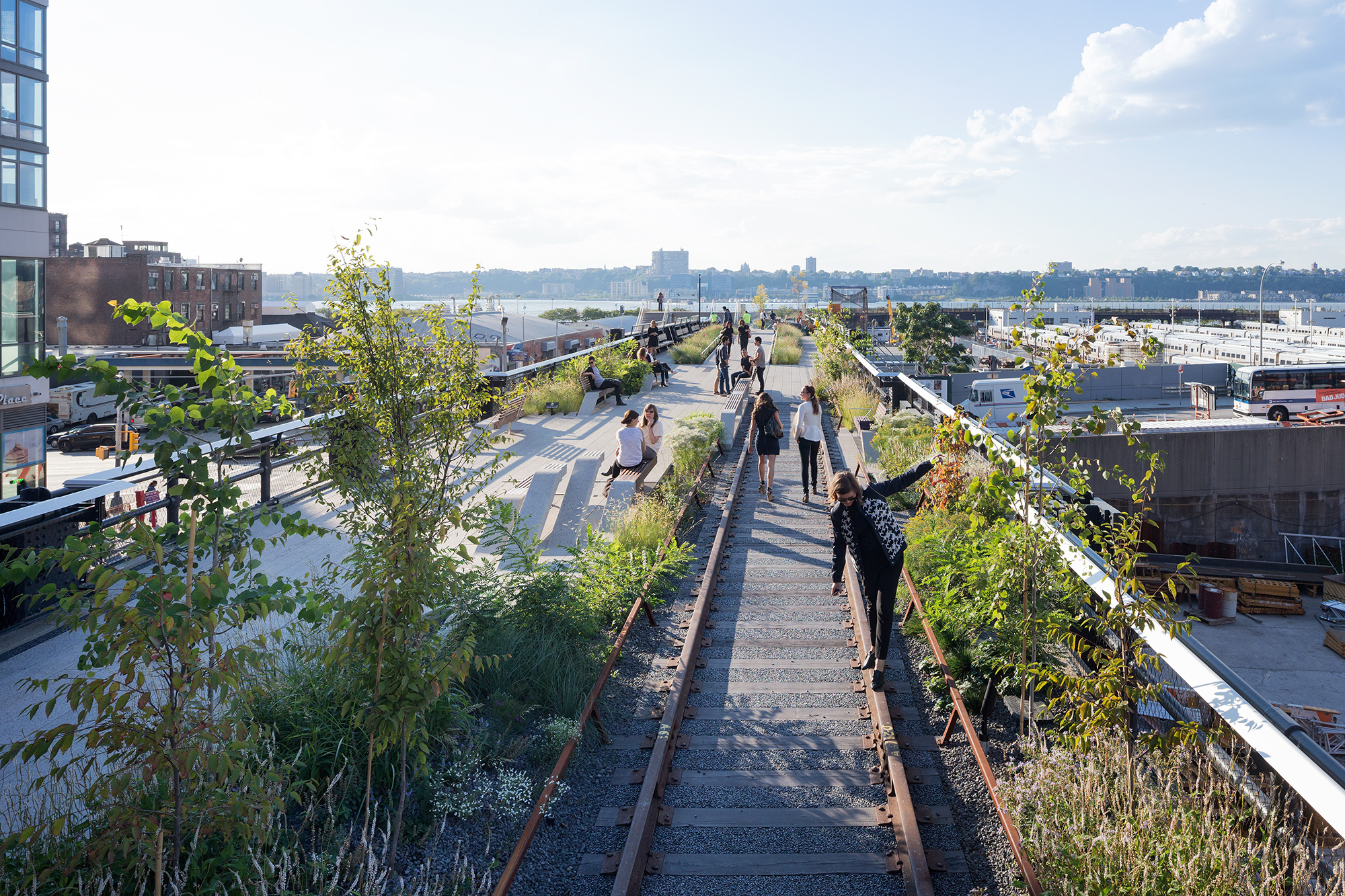
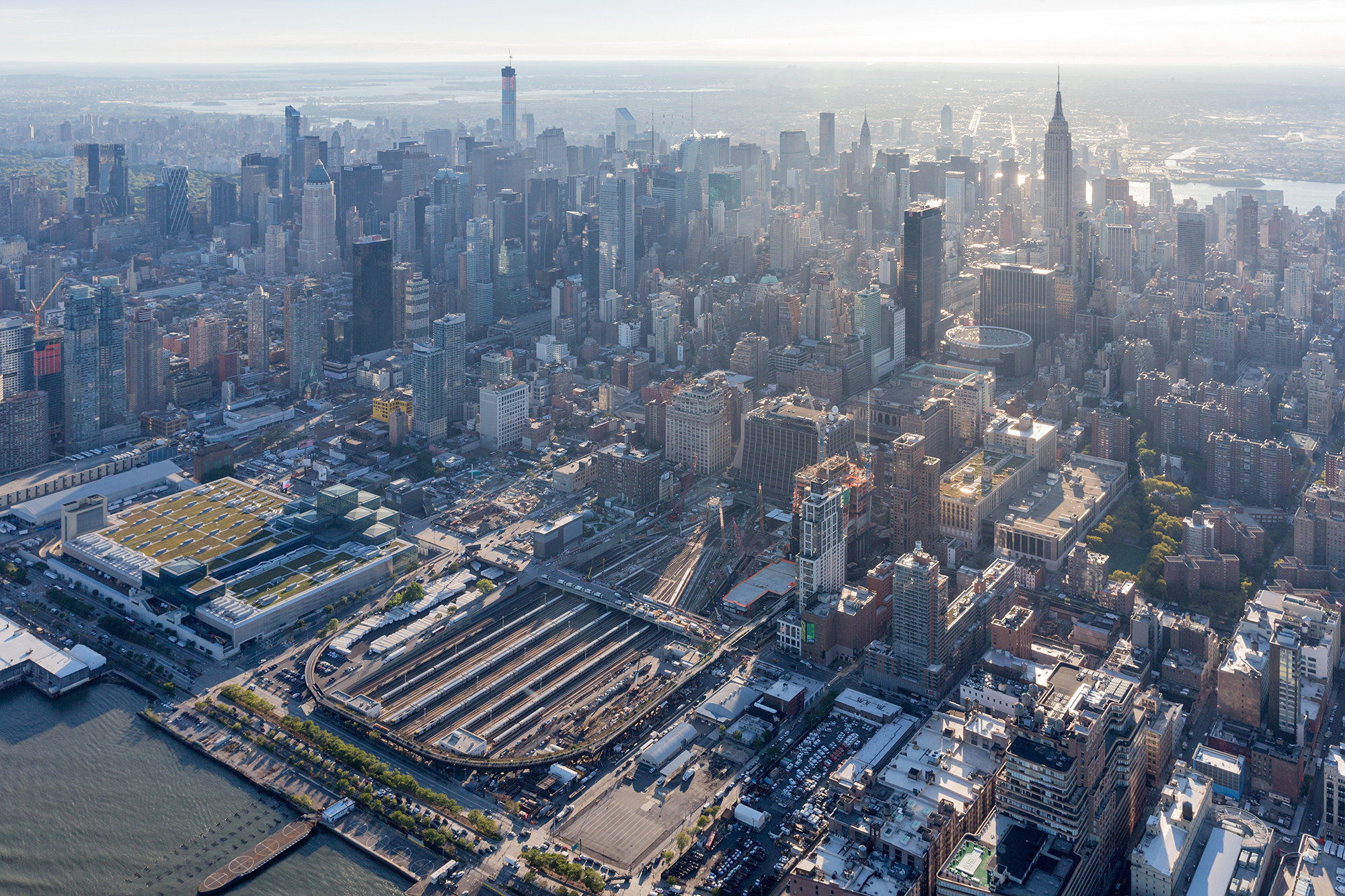
adaptive reuse adaptive reuseHigh Line at the Rail Yards by James Corner Field Operations, New York, NY, United States
2015 Popular Choice A+Award


Representing one-third of the High Line, the recently opened final section at the Rail Yards is one of the most iconic stretches of the High Line with expansive views of the Hudson River and the Midtown skyline. Section 3 builds upon the identity and success of the existing High Line, yet finds new ways to respond to the radically new 21st century context of the future Hudson Yards development. The High Line design is a collaboration between James Corner Field Operations (Project Lead), Diller Scofidio + Renfro, and Piet Oudolf. It is a private public partnership between The City of New York and Friends of the High Line.


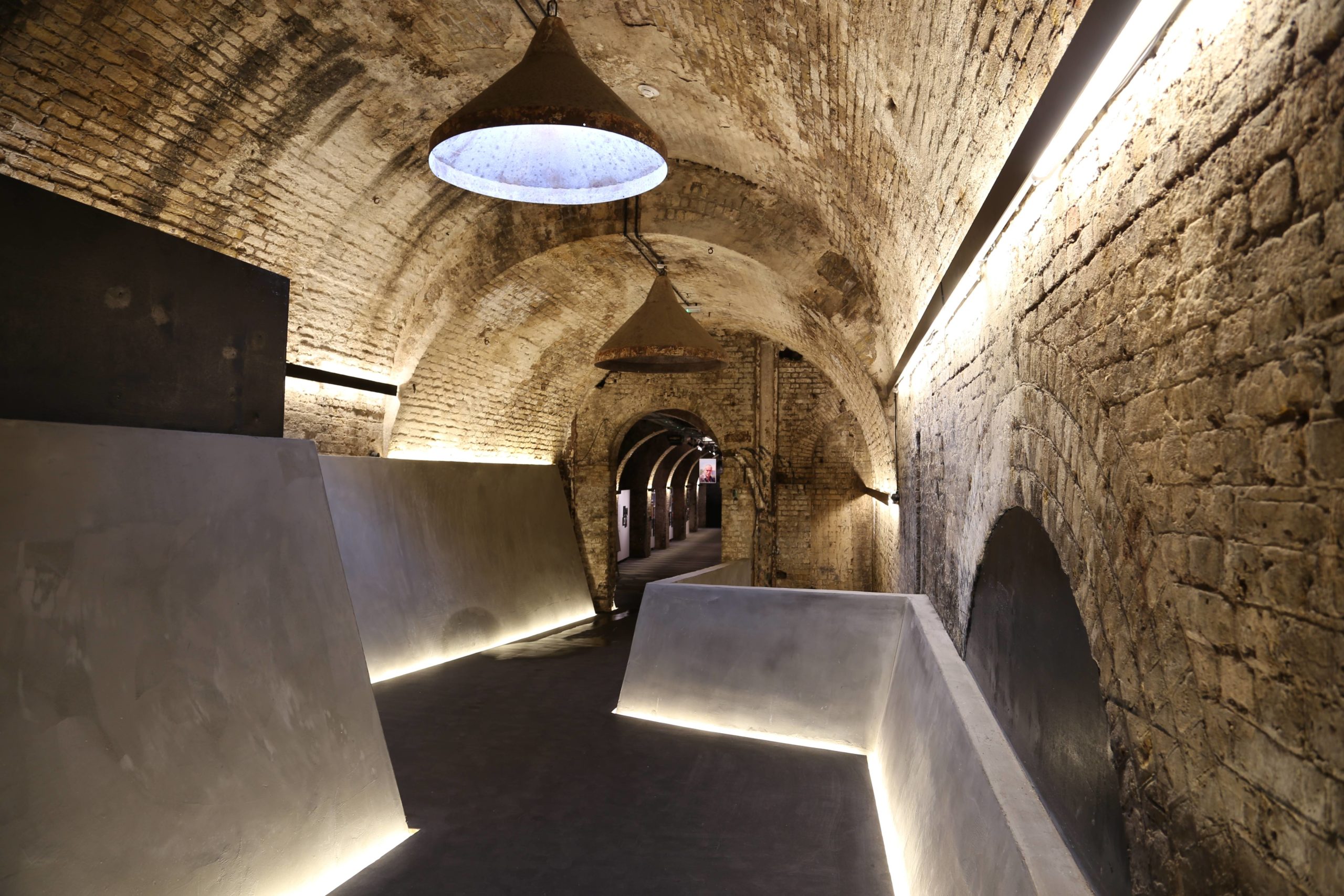
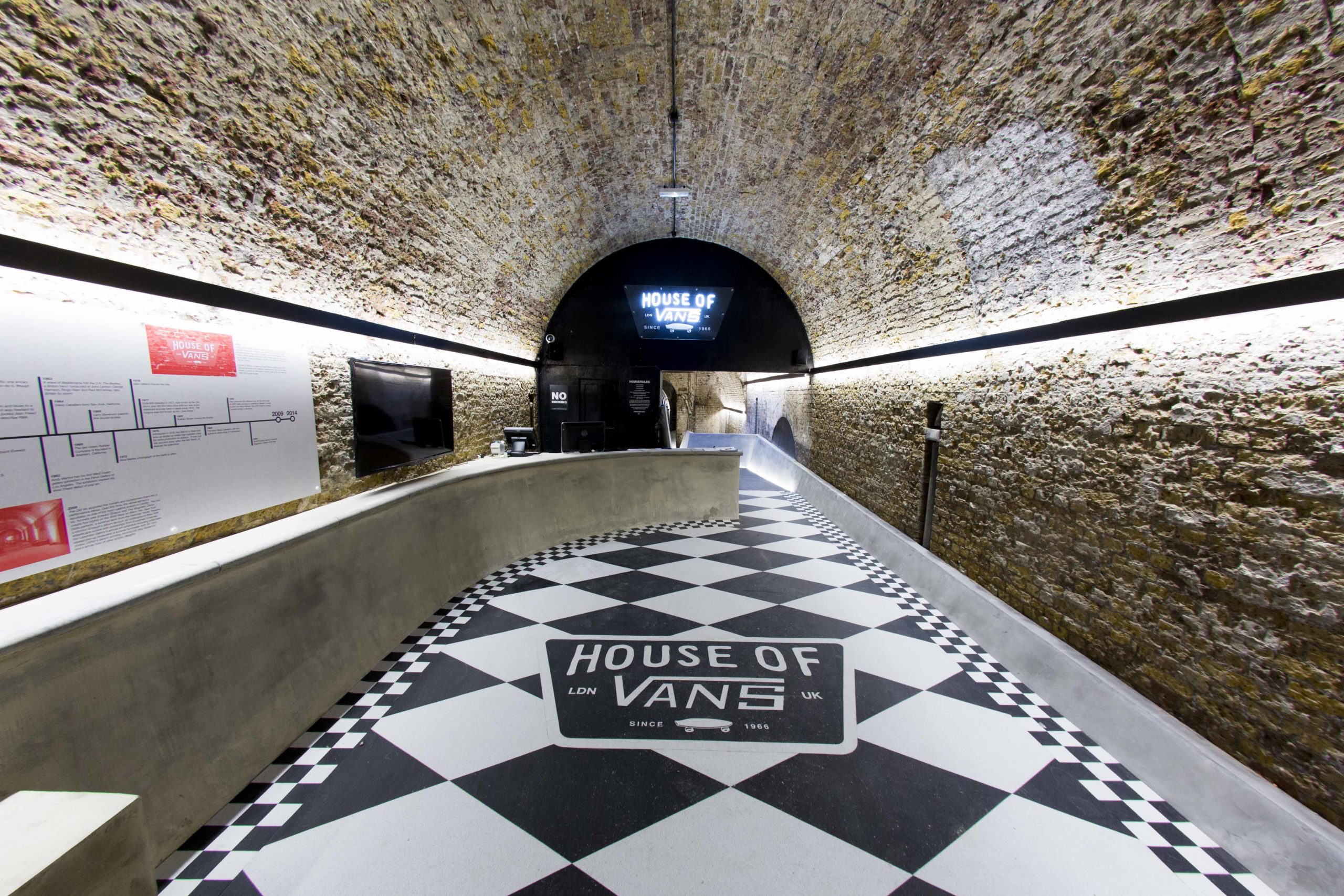
adaptive reuse adaptive reuseHouse of Vans London by Tim Greatrex Architect, Station Approach Road, London, United Kingdom
2016 A+Award for both Jury and Popular Choice


The House of Vans London is the recently completed project by Tim Greatrex Architect together with Hellicar&Lewis. The new venue includes an art gallery, ‘Vans labs’ creative spaces, screening room, live music for 850 people, a premium café, numerous bars and a three tier indoor concrete skate park. The House of Vans London sits within the 150 year old brick arches below the railway lines heading out of Waterloo station and next to London’s famous graffiti street, Leake Street. The area of the site is approximately 2,500sqm and contains 5 separate tunnels.


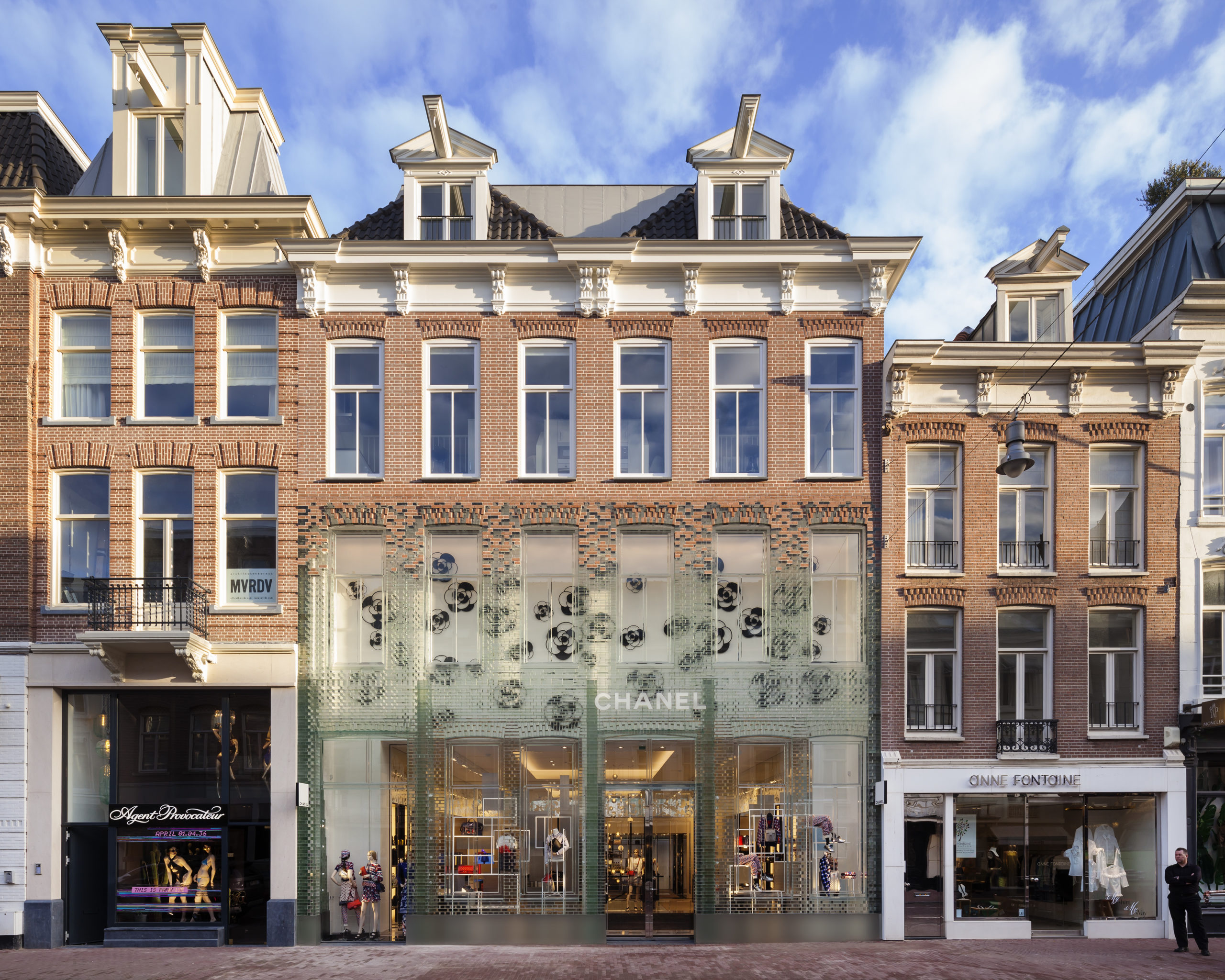
adaptive reuse adaptive reuseCrystal Houses by MVRDV, Amsterdam, Netherlands
2017 Popular Choice A+Award


MVRDV’s Crystal Houses began its existence with the request of Warenar to design a flagship store combining both Dutch heritage and international architecture on the PC Hooftstraat, Amsterdam’s one and only luxury brand street that was previously primarily residential. MVRDV wanted to make a representation of the original buildings and found a solution through an extensive use of glass. The near full-glass façade mimics the original design, down to the layering of the bricks and the details of the window frames, but is stretched vertically to comply with updated zoning laws and to allow for an increase in interior space.


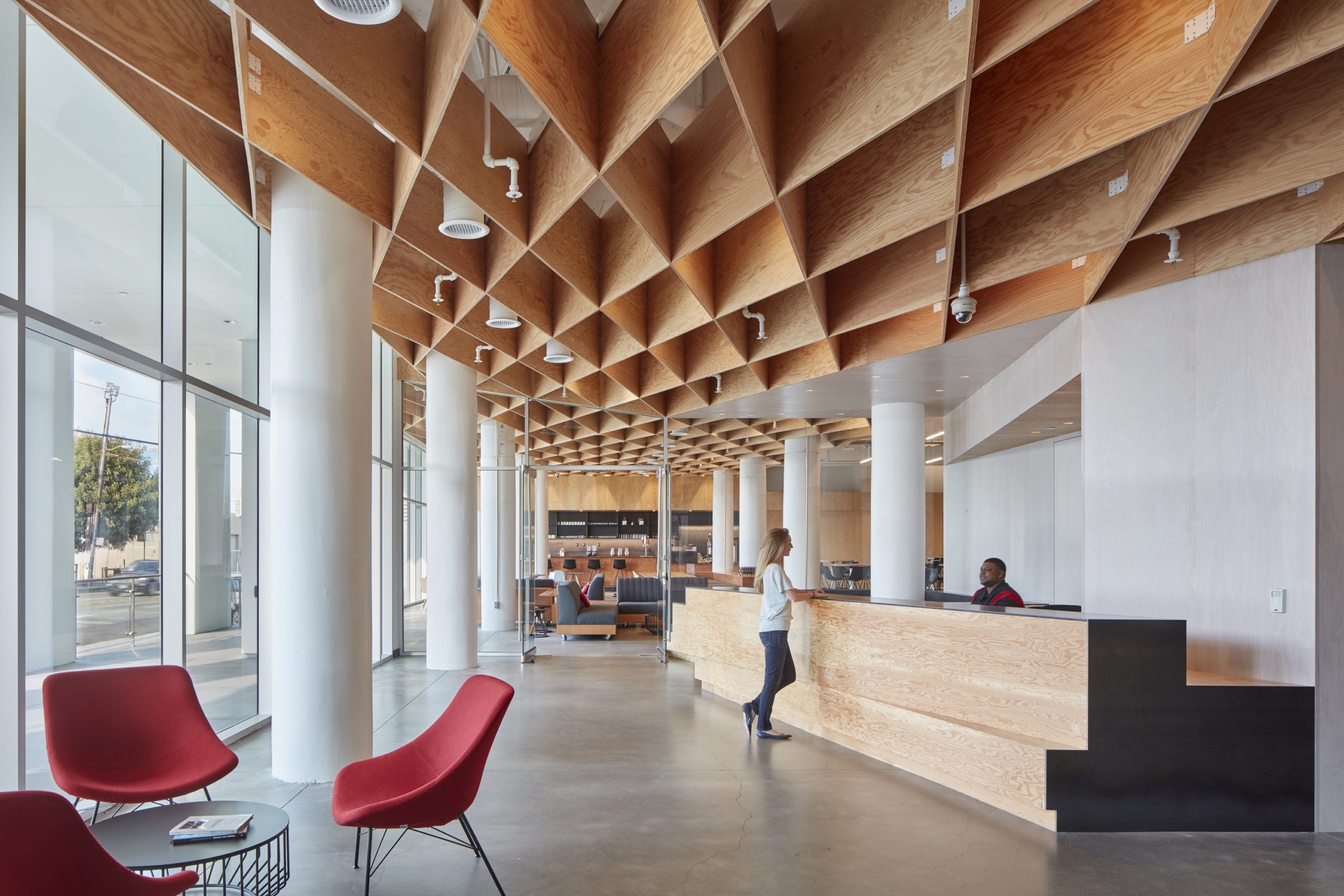
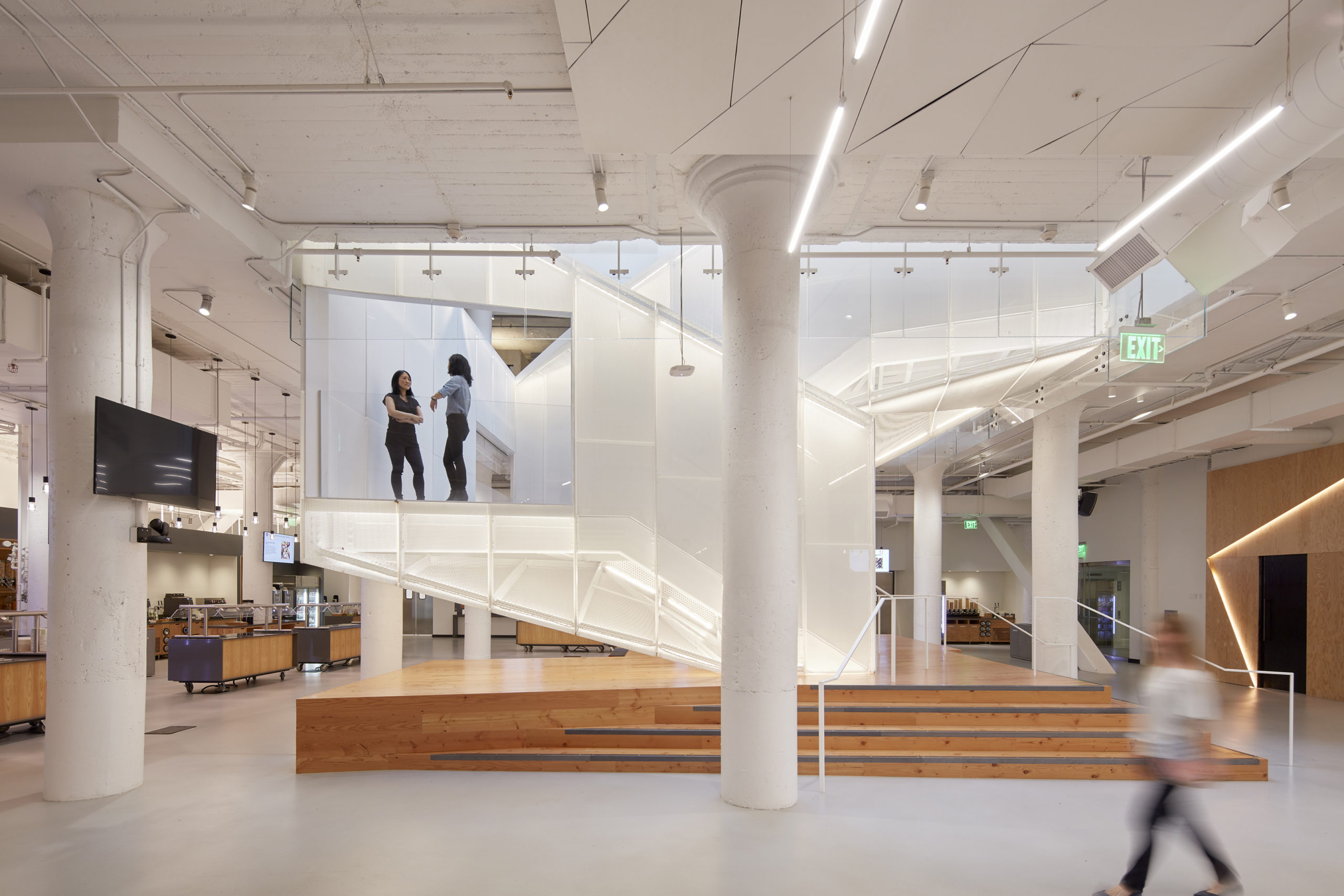
adaptive reuse Pinterest HQ by IwamotoScott Architecture, San Francisco, CA, United States
2017 Jury Choice A+Award


The new Pinterest headquarters in San Francisco is inspired by the redesign of the company’s web platform — clean, simple and intuitive. The building is a four story concrete structure that previously housed a John Deere factory in San Francisco’s SOMA district. The program is organized as porous, concentric layers around a large, central interconnecting atrium and stair. A key aspect of the design involved extending the existing two-story atrium to the ground floor, creating a central stairwell at the building’s center that visually connects all four floors.


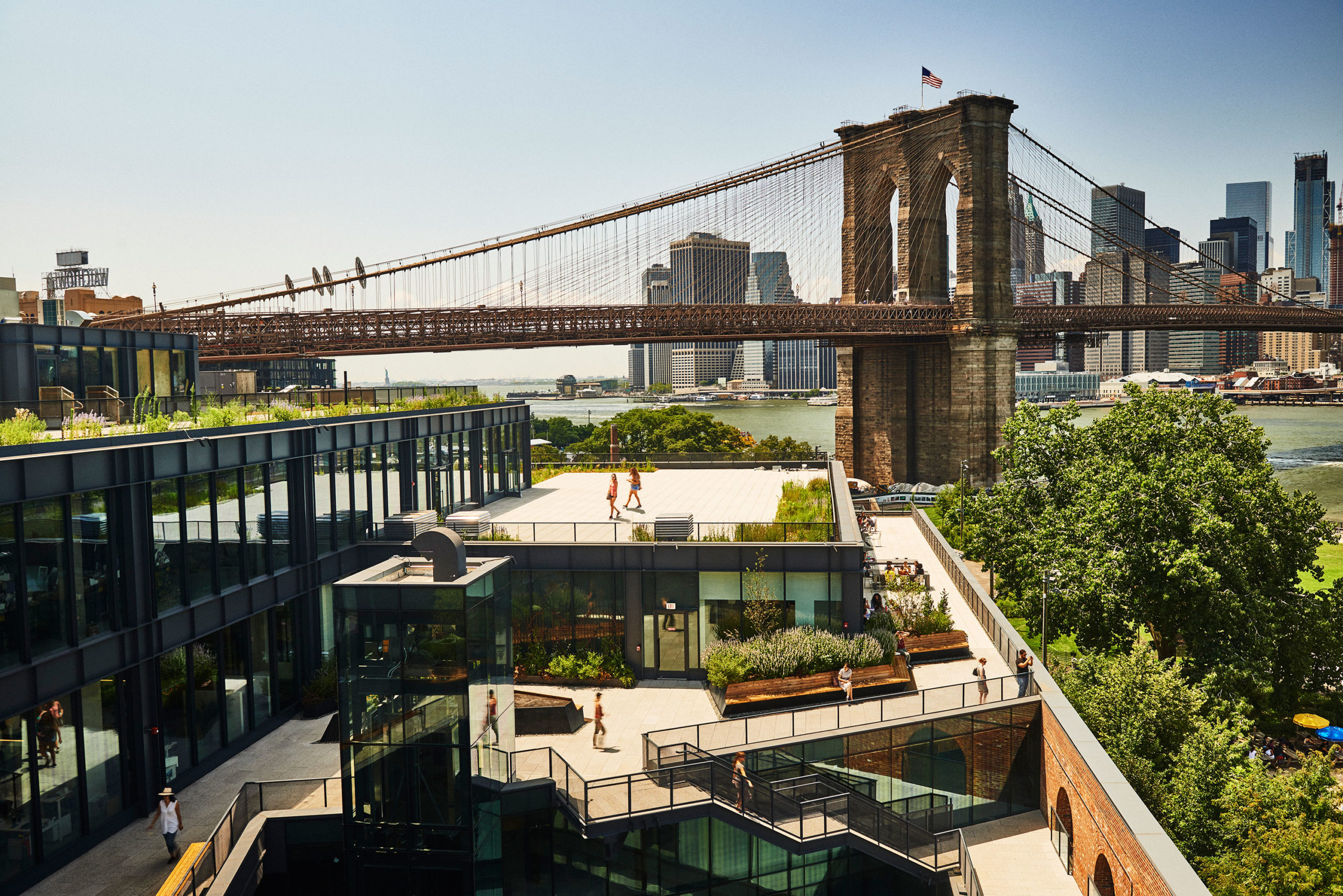
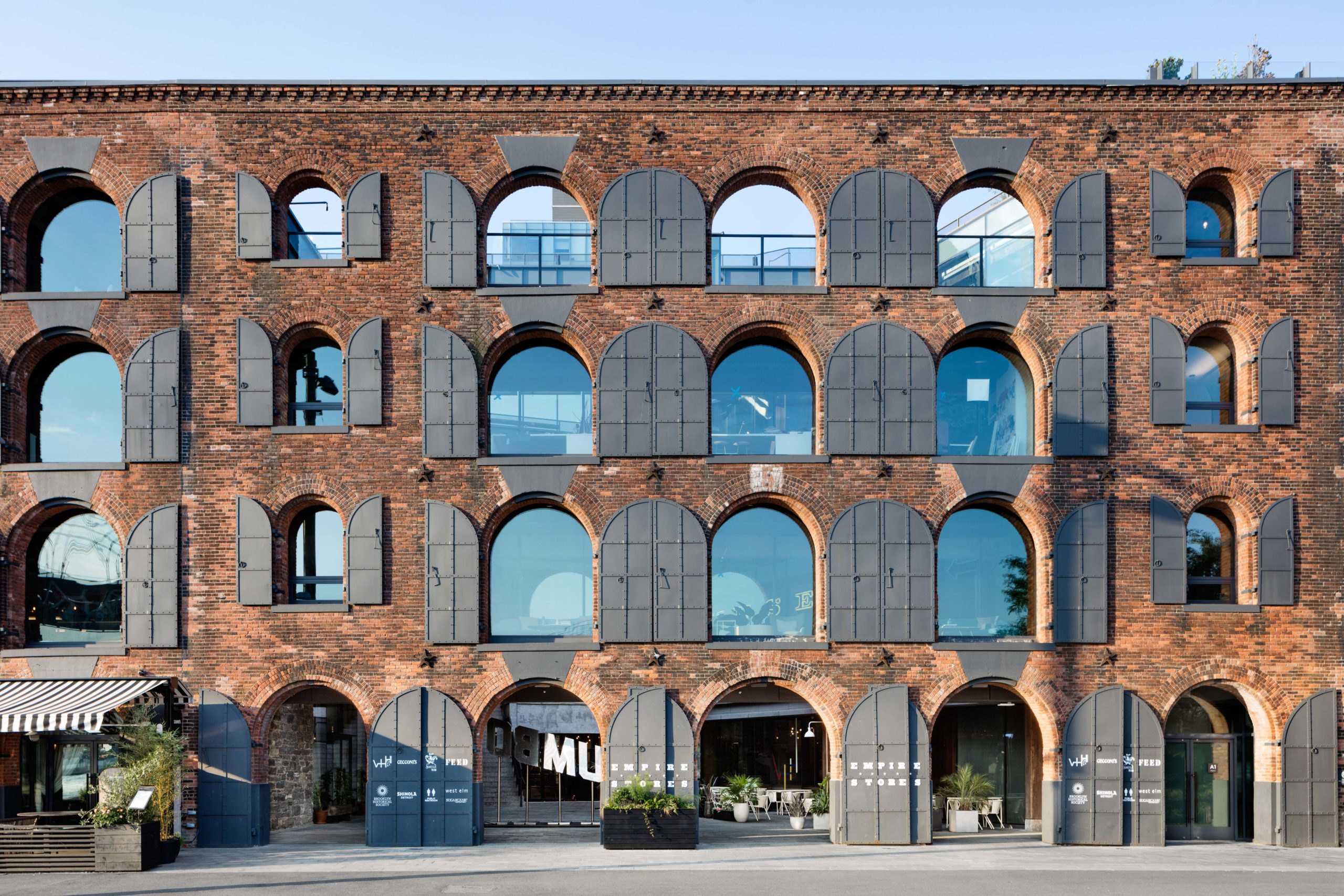
adaptive reuse adaptive reuseEmpire Stores by STUDIO V Architecture, Brooklyn, New York, NY, United States
2018 Popular Choice A+Award


For over 150 years, between the iconic Brooklyn and Manhattan Bridges on the Brooklyn waterfront, lay seven historic brick structures. These Civil-War-era structures were named after their use as coffee “stores” or storage warehouses, and for the epithet of a growing state: the Empire Stores. Studio V’s designs inject new life into the structures. The designs combine creative contemporary architecture with exacting historic rehabilitation, and combine overlapping uses with public spaces that reveal the inhabitants and historic structures.


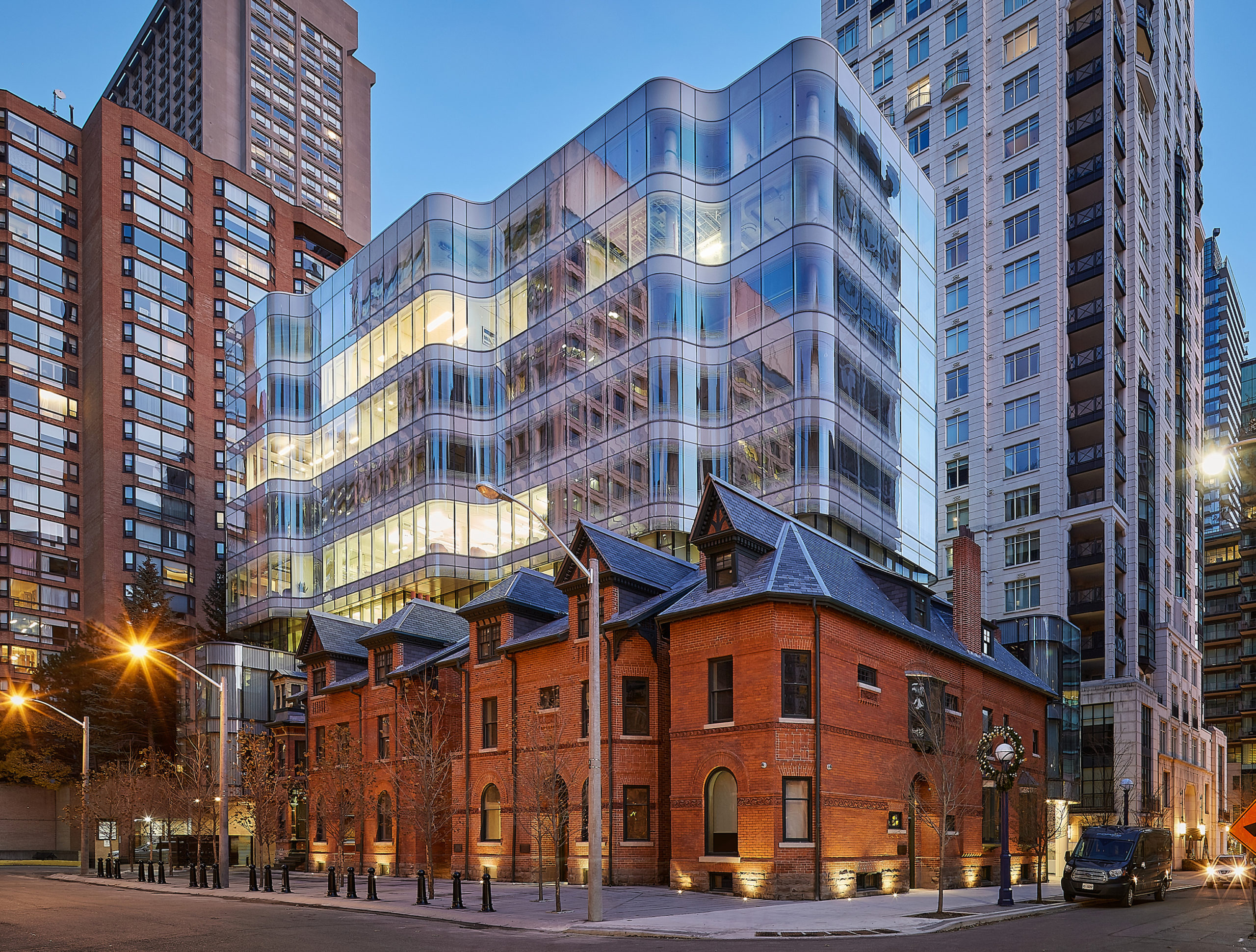
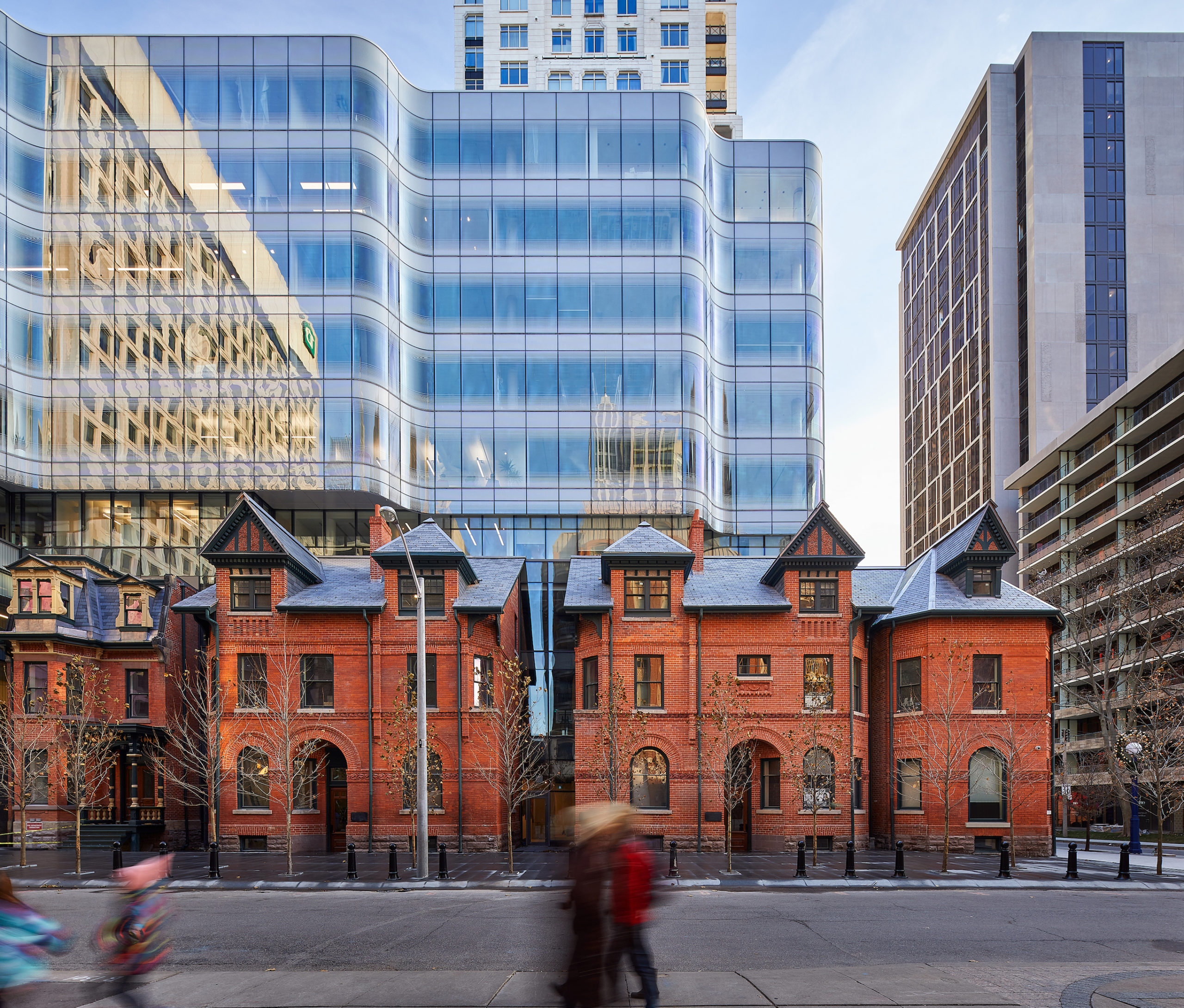
adaptive reuse adaptive reuse7 St. Thomas by Hariri Pontarini Architects, Toronto, Canada
2018 Popular Choice A+Award


7 St. Thomas harmonizes retail and commercial design through an interplay of form and light, blending Victorian and contemporary materials to create a unified work. Six heritage townhouses are integrated into a three story podium, with a six story tower above. The development houses retail at ground level and condominium office spaces throughout, blending high design, ecological responsibility, and civic enhancement. Located around the corner from the busy Bay/Bloor intersection, the design was born from a desire to seamlessly integrate into the existing fabric of the neighborhood and to contribute to the urban environment.


adaptive reuse adaptive reuseCoal Drops Yard by Heatherwick Studio, London, United Kingdom
2019 A+Award for both Jury and Popular Choice


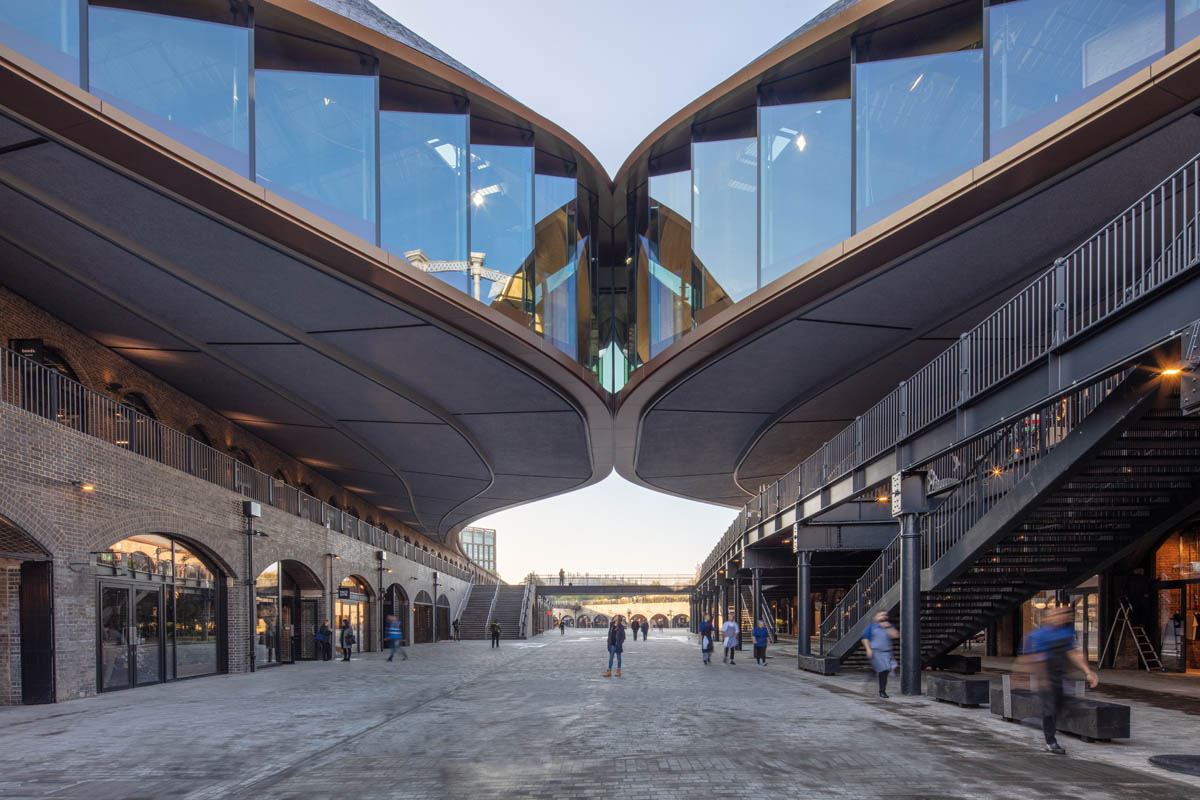
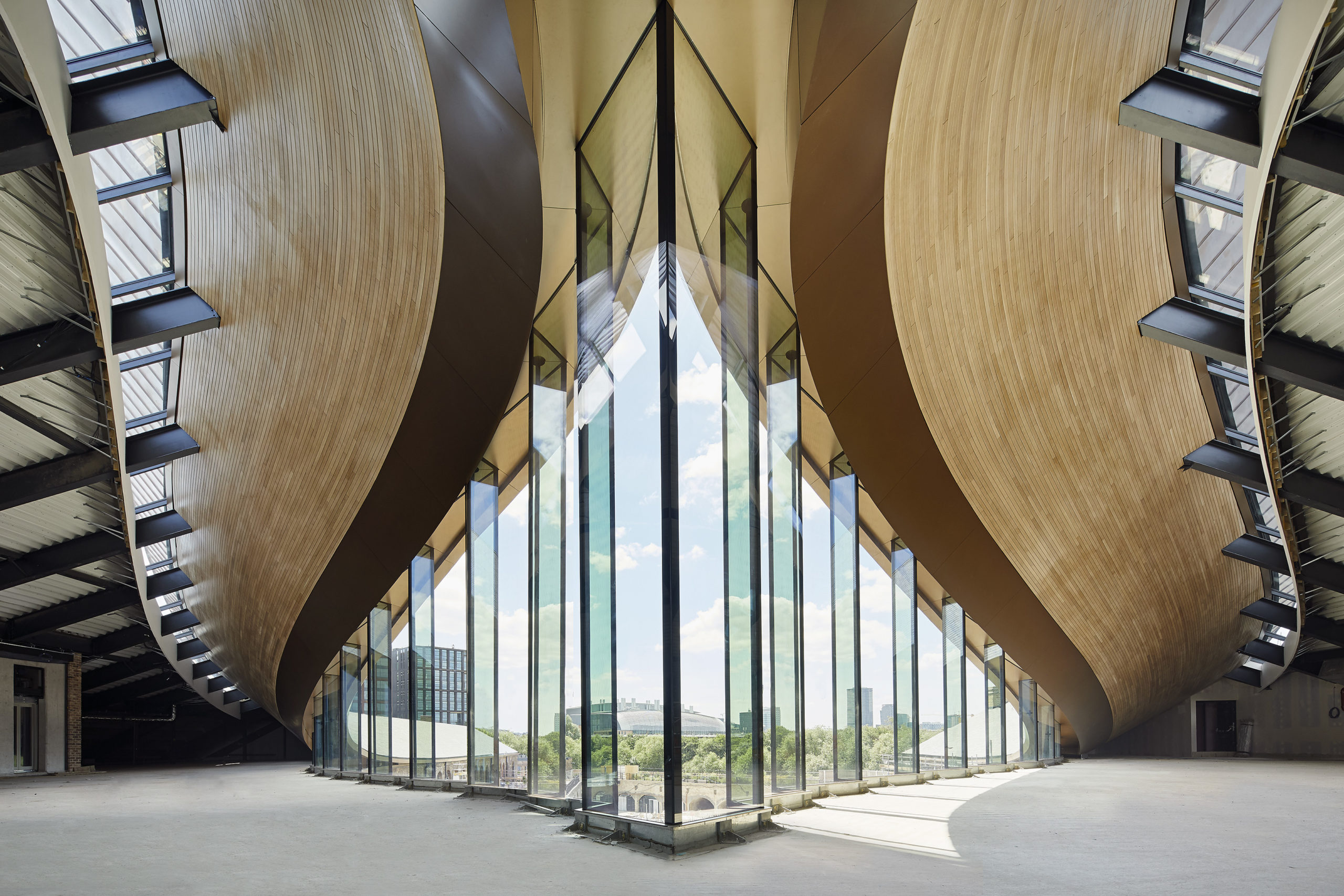
Heatherwick Studio was commissioned by the King’s Cross Development Partnership to revitalize the site into a retail quarter. They wanted to celebrate the unique texture and history of the industrial buildings while also creating a unified new public space and retail destination. Their challenge was to transform the dilapidated buildings and long, linear site into a lively retail precinct where people could gather and circulate with ease. Rather than simply making a boxy element between them that would have collided with the geometry of the existing roofs, the ‘kissing’ roofs rise up and stretch towards each other until they meeting together.


Got an amazing adaptive reuse project of your own completed in the last 3 years? Submit it for a 2020 A+Award to be in the running for international publication by Phaidon, huge online exposure and the iconic A+Awards trophy!


Enter the 8th Annual A+Awards


The post The Future of Architecture: 10 Designs Taking Adaptive Reuse to the Next Level appeared first on Journal.
The Future of Architecture: 10 Designs Taking Adaptive Reuse to the Next Level

Now open for entries, the 8th Annual A+Awards is celebrating the Future of Architecture, giving global recognition to forward-thinking designers forging new solutions for our evolving world. Enter the A+Awards now to be considered for upcoming coverage.

Architizer’s A+Awards, the world’s largest awards program for architecture and building products, has a special theme this year — “The Future of Architecture” is aimed at unearthing the most forward-thinking projects around the globe, with a focus on architecture that responds to the most urgent issues of our time. The A+Awards is open for entries now, so be sure your firm submits its best projects to be in the running for global recognition this year:

Enter the 8th Annual A+Awards

When designing for the future, we must begin with our existing cities. The building sector accounts for roughly a third of global fuel consumption, and in turn, adaptive reuse projects are on the rise as our understanding of embodied energy grows.  Adaptive reuse refers to the process of reusing an existing building for a purpose other than which it was originally built or designed for. It is one way to breathe new life into old buildings, and at the same time, can conserve their historic value and local resources.

The following ten projects are award-winning adaptive reuse designs since the launch of the A+Awards program. As additions, renovations and careful insertions, they bring careful attention to structure, space and circulation. Focusing on the details, they give a glimpse into the future of architecture and how the built environment can evolve over time.

adaptive reuse adaptive reuseNiños Conarte by Anagrama, Monterrey, Mexico

2014 A+ Award for both Jury and Popular Choice

Monterrey, the third largest city in Mexico, is best known for its beautiful mountains and strong industrial backbone. In the heart of the city is Fundidora Park, a unique specimen of industrial archaeology (it was previously a massive steelworks and foundry established in 1900). Conarte reached out to Anagrama with the mission to create a space that would foster a love of reading and learning for children. The children’s library and cultural center was made inside a warehouse-like building, a multi-purpose, asymmetrical reading platform meant to simulate Monterrey’s mountainous topography.

adaptive reuse adaptive reuseDanish National Maritime Museum by BIG – Bjarke Ingels Group, Helsingør, Denmark
2014 A+ Jury Choice Award

The new Danish National Maritime Museum is located in Helsingør, just 50 km north of Copenhagen and 10 km from the world famous Louisiana Museum for Modern Art. The new 6,000 m² (65,000 ft²) museum finds itself in a unique historical context adjacent to one of Denmark’s most important buildings, Kronborg Castle, a UNESCO World Heritage site. Leaving the 60 year old dock walls untouched, the galleries are placed below ground and arranged in a continuous loop around the dry dock walls — making the dock the centerpiece of the exhibition — an open, outdoor area where visitors experience the scale of ship building.

adaptive reuse adaptive reuseBombay Sapphire Distillery by Heatherwick Studio, Hampshire, United Kingdom
2015 A+Award for both Jury and Popular Choice

The gin-maker Bombay Sapphire commissioned the creation of the company’s first in-house production facility, which is open for members of the public to visit. Formerly a water-powered paper mill, the site contained more than forty derelict buildings, many of historical significance, which have been regenerated and restored as part of Heatherwick Studio’s master plan. The plan proposed the creation of two new glasshouses to grow specimens of the 10 exotic plant species used in the Bombay Sapphire distillation process.

adaptive reuse adaptive reuseHigh Line at the Rail Yards by James Corner Field Operations, New York, NY, United States
2015 Popular Choice A+Award

Representing one-third of the High Line, the recently opened final section at the Rail Yards is one of the most iconic stretches of the High Line with expansive views of the Hudson River and the Midtown skyline. Section 3 builds upon the identity and success of the existing High Line, yet finds new ways to respond to the radically new 21st century context of the future Hudson Yards development. The High Line design is a collaboration between James Corner Field Operations (Project Lead), Diller Scofidio + Renfro, and Piet Oudolf. It is a private public partnership between The City of New York and Friends of the High Line.

adaptive reuse adaptive reuseHouse of Vans London by Tim Greatrex Architect, Station Approach Road, London, United Kingdom
2016 A+Award for both Jury and Popular Choice

The House of Vans London is the recently completed project by Tim Greatrex Architect together with Hellicar&Lewis. The new venue includes an art gallery, ‘Vans labs’ creative spaces, screening room, live music for 850 people, a premium café, numerous bars and a three tier indoor concrete skate park. The House of Vans London sits within the 150 year old brick arches below the railway lines heading out of Waterloo station and next to London’s famous graffiti street, Leake Street. The area of the site is approximately 2,500sqm and contains 5 separate tunnels.

adaptive reuse adaptive reuseCrystal Houses by MVRDV, Amsterdam, Netherlands
2017 Popular Choice A+Award

MVRDV’s Crystal Houses began its existence with the request of Warenar to design a flagship store combining both Dutch heritage and international architecture on the PC Hooftstraat, Amsterdam’s one and only luxury brand street that was previously primarily residential. MVRDV wanted to make a representation of the original buildings and found a solution through an extensive use of glass. The near full-glass façade mimics the original design, down to the layering of the bricks and the details of the window frames, but is stretched vertically to comply with updated zoning laws and to allow for an increase in interior space.

adaptive reuse Pinterest HQ by IwamotoScott Architecture, San Francisco, CA, United States
2017 Jury Choice A+Award

The new Pinterest headquarters in San Francisco is inspired by the redesign of the company’s web platform — clean, simple and intuitive. The building is a four story concrete structure that previously housed a John Deere factory in San Francisco’s SOMA district. The program is organized as porous, concentric layers around a large, central interconnecting atrium and stair. A key aspect of the design involved extending the existing two-story atrium to the ground floor, creating a central stairwell at the building’s center that visually connects all four floors.

adaptive reuse adaptive reuseEmpire Stores by STUDIO V Architecture, Brooklyn, New York, NY, United States
2018 Popular Choice A+Award

For over 150 years, between the iconic Brooklyn and Manhattan Bridges on the Brooklyn waterfront, lay seven historic brick structures. These Civil-War-era structures were named after their use as coffee “stores” or storage warehouses, and for the epithet of a growing state: the Empire Stores. Studio V’s designs inject new life into the structures. The designs combine creative contemporary architecture with exacting historic rehabilitation, and combine overlapping uses with public spaces that reveal the inhabitants and historic structures.

adaptive reuse adaptive reuse7 St. Thomas by Hariri Pontarini Architects, Toronto, Canada
2018 Popular Choice A+Award

7 St. Thomas harmonizes retail and commercial design through an interplay of form and light, blending Victorian and contemporary materials to create a unified work. Six heritage townhouses are integrated into a three story podium, with a six story tower above. The development houses retail at ground level and condominium office spaces throughout, blending high design, ecological responsibility, and civic enhancement. Located around the corner from the busy Bay/Bloor intersection, the design was born from a desire to seamlessly integrate into the existing fabric of the neighborhood and to contribute to the urban environment.

adaptive reuse adaptive reuseCoal Drops Yard by Heatherwick Studio, London, United Kingdom
2019 A+Award for both Jury and Popular Choice

Heatherwick Studio was commissioned by the King’s Cross Development Partnership to revitalize the site into a retail quarter. They wanted to celebrate the unique texture and history of the industrial buildings while also creating a unified new public space and retail destination. Their challenge was to transform the dilapidated buildings and long, linear site into a lively retail precinct where people could gather and circulate with ease. Rather than simply making a boxy element between them that would have collided with the geometry of the existing roofs, the ‘kissing’ roofs rise up and stretch towards each other until they meeting together.

Got an amazing adaptive reuse project of your own completed in the last 3 years? Submit it for a 2020 A+Award to be in the running for international publication by Phaidon, huge online exposure and the iconic A+Awards trophy!

Enter the 8th Annual A+Awards

The post The Future of Architecture: 10 Designs Taking Adaptive Reuse to the Next Level appeared first on Journal.