What a difference a new chef can make! When we last tried The Spillover a few years back, it was … fine. The food was okay, but we expected more from the team behind faves like Lokal and Kush. As a result, we kinda avoided the place for a while – until now. With Chef Juan Borjas now at the helm, The Spillover is giving us several delicious excuses to visit Coconut Grove.
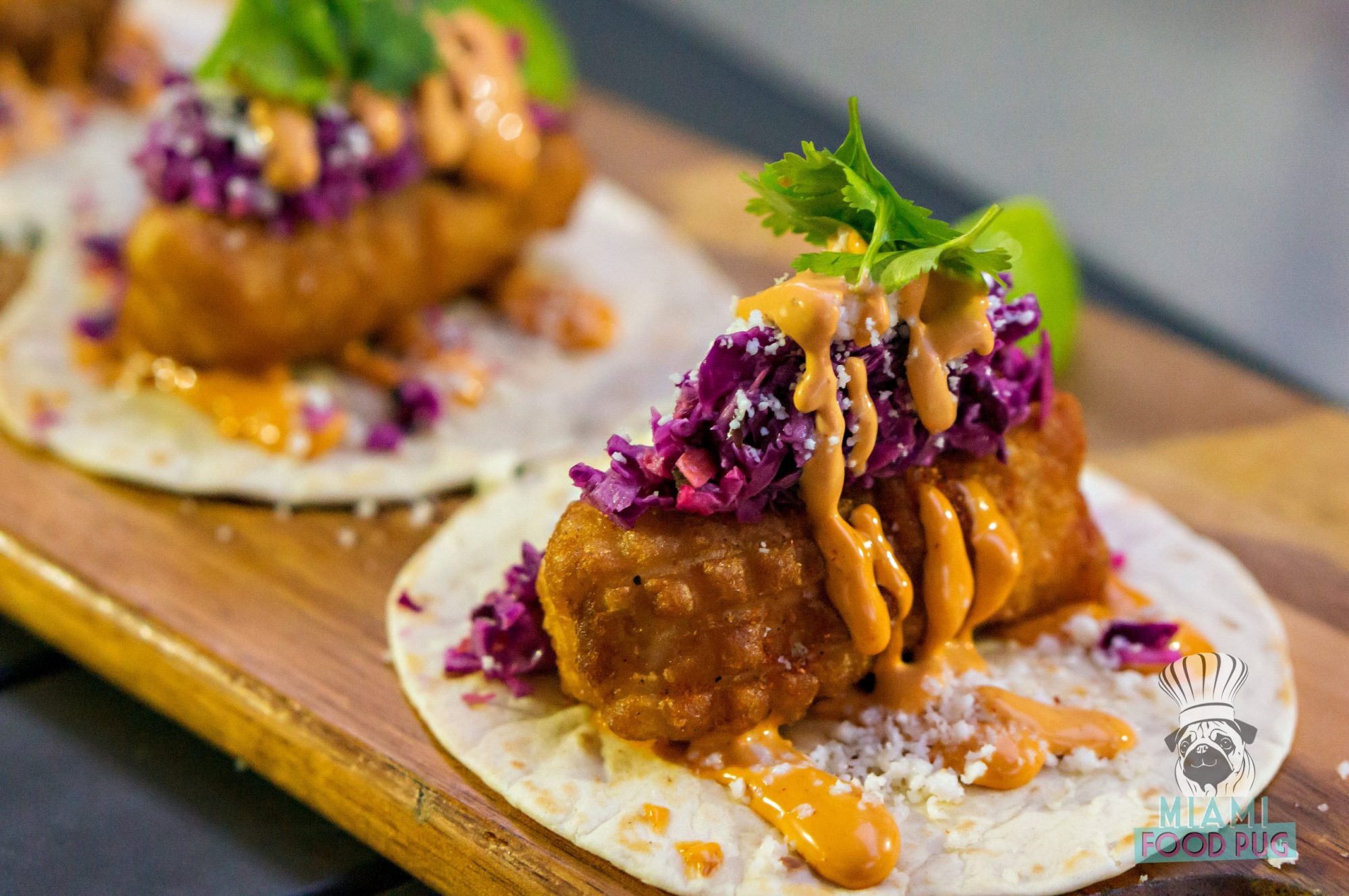
Among the new items on the menu are the Prawns Toast and the Hamachi Crudo Ponzu, both of which blew us away at first bite. The former with its tasty toast and chipotle lemon butter packed a flavorful punch that had us smiling ear to ear. We both agreed this was one hell of a start to our meal, and the hamachi crudo further drove that point home. Another favorite of the night was the Baja Fish Tacos, which come three to an order. You definitely get your money’s worth as the fish is HUGE, and the chipotle crema is ::chef’s kiss::
Our jaws dropped when we tried the Yaki Tuna Tataki Pinchos, which are plated perfectly for sharing. My goodness, the tuna is fantastic and fresh. And the accompanying soba noodles are a nice touch. We typically hate soba noodles, but these were actually quite good. Hats off to Chef Borjas for turning us into fans. Complementing the food are new drinks like the Cocolito, which you’ve surely seen on Instagram by now. Served in a flamingo koozie, it’s a cross between a Pina colada and a mojito. On a hot Miami day, it’s refreshing AF. Not Your Kid’s Juice Box is another drink you should order, if only for the presentation. Let’s just say it certainly lives up to the name (and it tastes great, too).
Should you find your sweet tooth looking for some action at the end of your meal, get the Baby’s Guava Bread Pudding. The name says it all, and it’s a calorie bomb. Hit the gym afterward, and you’ll be fine. There’s also a key lime pie if you want something a little less rich. Whether you’re thinking of visiting The Spillover for the first time or the 20th, this new menu will leave you plenty full and happy. We were hesitant about checking the place out after our last experience, but those reservations were unwarranted. Now, all we can think about are that prawns toast and tuna pinchos.
The Spillover is located at 2911 Grand Ave in Coconut Grove. For hours of operation and other information, visit their official website or call 305-456-5723.
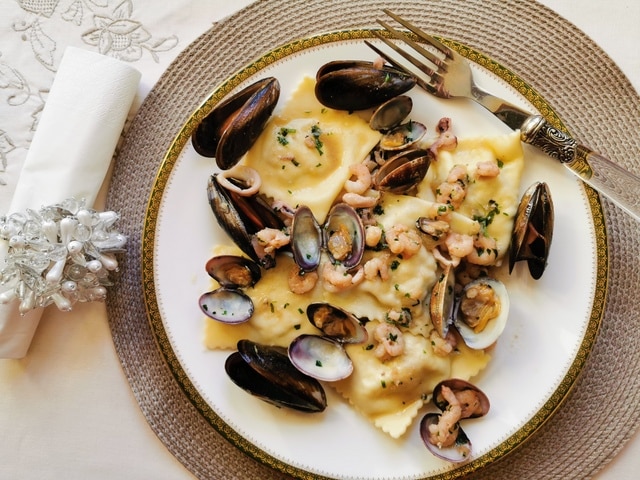
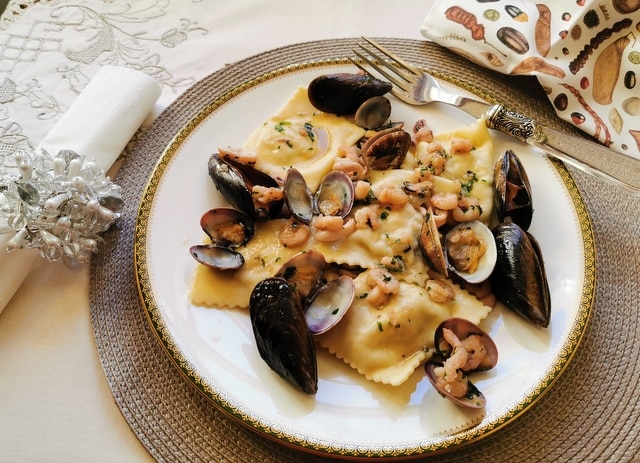
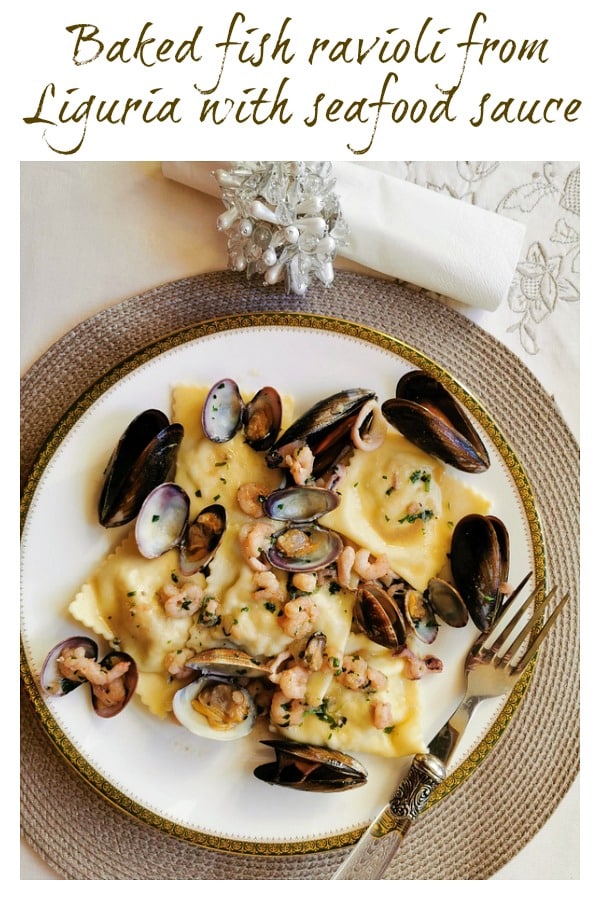
Fresh seafood and homemade pasta are a match made in foodie heaven! If you are a fish and seafood lover, this baked fish ravioli from Liguria in Northern Italy is an absolute must-try! It’s perfect for special occasions like Valentine’s Day, birthdays and holidays.
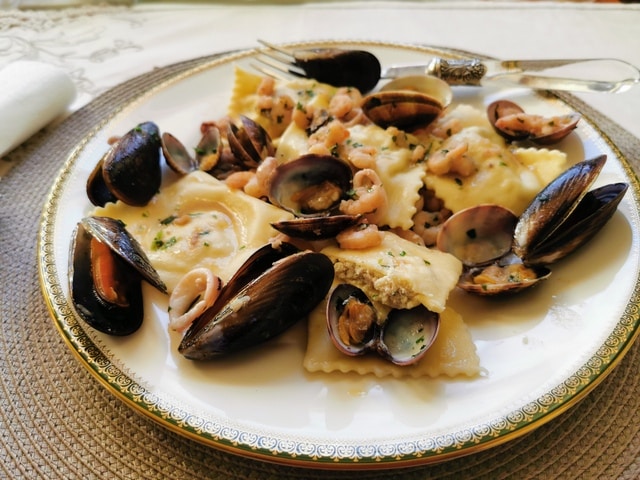
Ravioli di mare.
One of my New Year’s resolutions was to make more fresh pasta at home! To this end, my hubby and I spent a recent Sunday making ravioli! We actually made two kinds. One was a sweet ravioli called cjarsons from Friuli filled with ricotta, prunes and figs! Absolutely divine. The second was this baked fish ravioli from Liguria. Also pretty amazing!
A little ravioli history.
Although there are other contenders for the title of inventor of ravioli, some food writers believe that ravioli were actually invented in Liguria by a chef whose surname was ‘Ravioli’! In fact, there are still families with this surname in the region. However, even though there is no concrete evidence of Mr. Ravioli, certainly this type of filled pasta was eaten in Liguria as early as the 12th and 13th centuries. From there its popularity spread to other parts of Northern Italy.
Since seafood is a main ingredient in the Ligurian kitchen, it’s not surprising that fish ravioli is very traditional. However, so too is ravioli with meat. The most famous meat ravioli is served with a sauce known as ‘al tocco di carne’. This is a fantastic slow cooked meat sauce that I have used in a recipe for typical Ligurian pasta, corzetti, but have yet to use for ravioli. It’s on my to-make list!
I found this recipe for baked fish ravioli from Liguria in a book I got for Christmas! It’s called ‘La Cucina, the regional cooking of Italy’. Published by the Academy of Italian Cuisine (L’Accademia della Cucina Italiana), this is one of the best Italian cookery books I have come across. And, to make life easier, it’s in English!
What fish can you use?
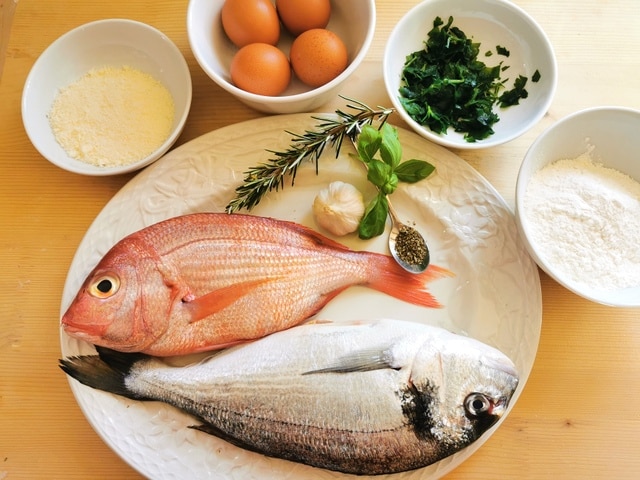
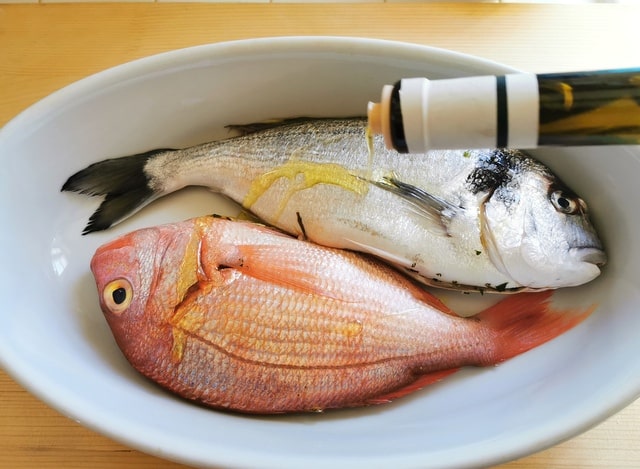
When I find a recipe, I always search online on Italian sites for other versions and some more info about it. Needless to say, there are a number of different ways to make both homemade fish ravioli and the sauce for it. But, in general, the fish is usually sea bass, bream, grouper or snapper. Some people use fish fillets, others whole fish. We used a small bream and a small snapper. The whole fish can be poached or baked. We baked our fish as per the recipe we followed.
What are the filling ingredients?
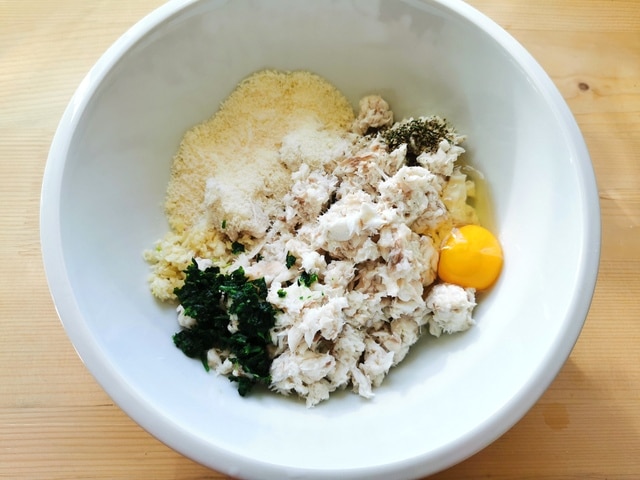
As you can imagine, the filling ingredients differ too. In fact, some recipes call for ricotta and others include borage or spinach. This homemade fish ravioli recipe has neither of those. Apart from the fish; the filling consists of eggs, garlic, marjoram, parsley, olive oil and grated Parmigiano Reggiano. So, it’s relatively simple compared to some other recipes.
Making the pasta dough.
The ravioli pasta dough is made with Italian 00 soft wheat flour, salt and eggs. I used my kitchen stand mixer to make the dough. However, we always like to finish the kneading by hand. We then rolled out the pasta sheets using a pasta maker. Of course, you can do everything by hand too!
What’s in the seafood sauce?
My recipe book doesn’t specify the type of sauce to serve the baked fish ravioli with. In fact, it just says serve hot with a sprinkling of fresh marjoram. However, I found a recipe for a seafood sauce from the website of a restaurant in Genova called Antica Hosteria Pancetti. They make their fish ravioli almost the same way as in this recipe and serve it in the sauce I have used.
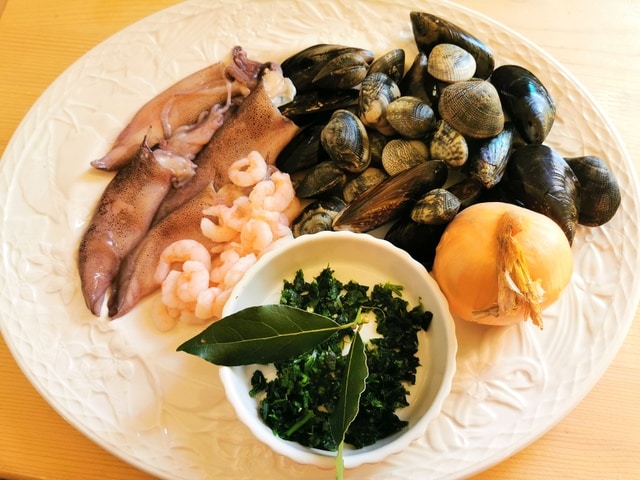
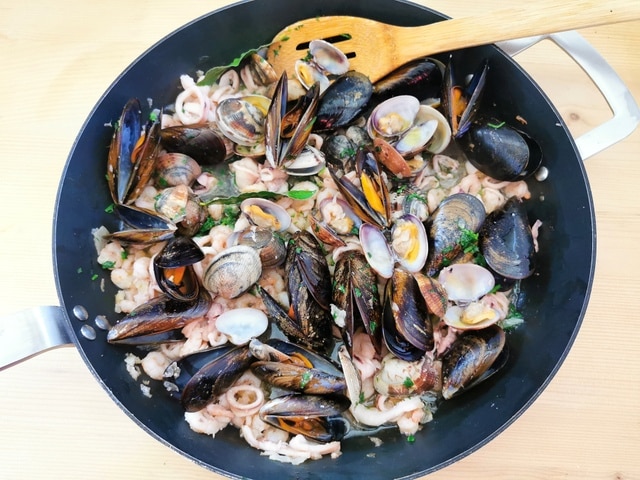
This sauce has calamari, clams, mussels and shrimps. It’s a veritable feast! However, it takes a bit more time and money to make than a simple tomato sauce, which would go well too!
Making this baked fish ravioli from Liguria.
Given that this baked fish ravioli recipe requires a number of steps, of course, it’s not a mid-week meal. You need to bake the fish, make the pasta dough, make the sauce and fill and cook the ravioli. However, I think this is a great recipe for special occasions such as Valentine’s day, special Sunday lunches and other important occasions.
This is a dish that will impress your partner, family or guests no end. You can even make some parts in advance. The uncooked filled ravioli can be made and frozen, then you can cook it from frozen. The cooked seafood sauce can also go in the freezer. In fact, I have both in my freezer for another occasion because I made too much! Of course, you don’t want to leave them in the freezer too long. A month is probably long enough.
Having said that, I really believe that all dishes taste better when eaten freshly made! This baked fish ravioli was divine. In my opinion 5 star restaurant worthy! I’m sure if you make it, you and your guests will think the same!
Pin for later
If you make this baked fish ravioli recipe, I’d love to hear how it turns out and if you liked it. So, please leave a comment here on the blog or on The Pasta Project Facebook page.
This fabulous homemade fish ravioli with a seafood sauce is perfect for special occasions. It takes a little while to make but is 5 star restaurant worthy! A beautiful authentic Italian pasta recipe.
Keyword authentic Italian pasta recipe, fish, fish ravioli, Liguria, ravioli, seafood pasta
Prep Time 1hour
Cook Time 1hour
Servings 4
Author Jacqueline De Bono
Ingredients
For the ravioli filling
1kg fresh fish (bream, grouper, snapper or seabass)(2lbs) I used 1 small bream and 1 small snapper
1-2garlic clovespeeled and chopped
1tspfresh rosemarychopped
1tbspfresh parsleychopped
2-3tbspParmigiano Reggianograted
1tspfresh marjoramor dried
1-2eggsdepending on how much fish you have
extra virgin olive oil.as required
For the pasta dough
200-300gItalian 00 soft wheat flour (7-10oz) or all-purpose flour, depending how much ravioli you want to make.
2-3eggs1 egg per 100g of flour (3.5oz)
1pinchsalt
For the seafood sauce
1onionpeeled and finely chopped
200gcalamari(7oz) fresh or frozen
500gfresh clams(1lb)
500gfresh mussels(1lb)
200gprawns or shrimps(7oz) fresh or frozen
2garlic clovespeeled and finely chopped
1handfulfresh parsleychopped
1/2glassdry white wine
2-3tbspextra virgin olive oil.
Instructions
Prepare the fish and the filling
Preheat the oven to 200c/400F. If your fish hasn’t been cleaned by the fishmonger you’ll have to remove the intestines. Clean the fish, rinse it and put it in a roasting pan with ¼ cup olive oil, put half the garlic and the rosemary inside the fish. Cook the fish for about 15-20 minutes depending on the size.
When the fish is cooked through, let it cool a little and then cut away the meat, making sure there are no bones in it or skin. Put the fish meat in a bowl with the rest of the garlic, some more chopped parsley, marjoram and the grated cheese. Add one egg. If the mixture seems dry add the second egg. Mix everything together well to create a firm filling. Set aside.
Make the pasta dough and ravioli
Put the flour in a mound into a bowl, onto a wooden pastry board or in your stand mixer. If using a bowl or wooden board create a well in the middle of the flour and add the eggs (usually unbeaten) and the salt. Using a fork first beat the eggs and then with the same fork or a pastry scraper bring flour from the edges of the mound into the centre until the eggs are no longer runny.
Then start to knead the dough and continue until you have a homogeneous dough that is only slightly sticky to touch. If the dough is dry add a little water and knead some more. Form the dough into a ball and leave it to rest for 20-30 minutes covered with a tea towel or covered in plastic wrap. I used my kitchen stand mixer to start the dough but finished kneading on my pastry board.
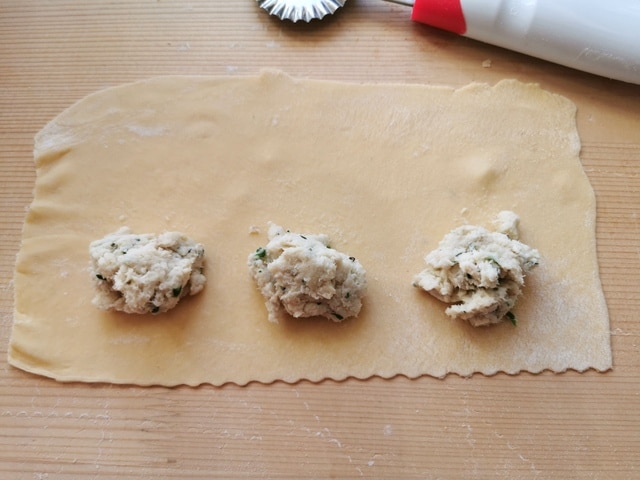
After the dough is ready roll it into thin sheets a couple of millimeters thick with a rolling pin or with the help of a pasta machine. There are two ways you can create the ravioli. We placed scant tablespoons of filling evenly spaced on one side of the pasta sheet and then folded the other half over them.
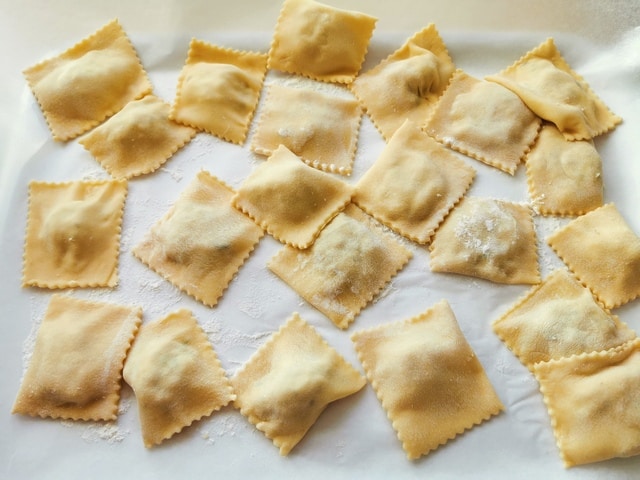
Some people use 2 pasta sheets. They place the filling evenly spaced on one and then cover with the other. Either way, then press down with your fingers around each filling and then cut out the ravioli squares using a pasta wheel. Let the ravioli sit for about an hour before cooking.
Make the seafood sauce.
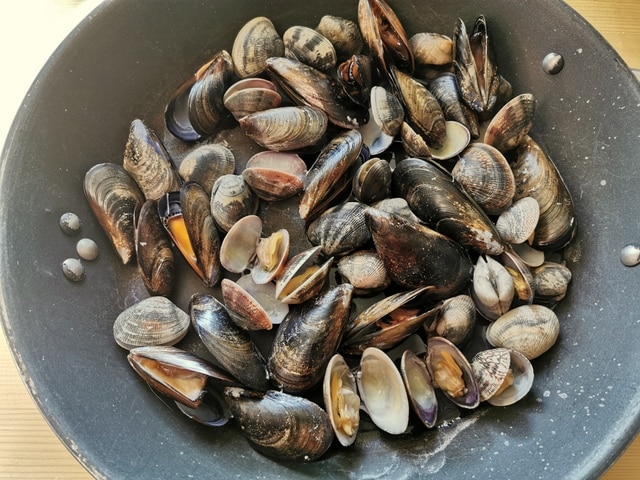
After washing the clams and mussels well (the mussels will need the ‘beards’ removed, put them in a large pan and let them open over a low flame. Once they are open, remove the mollusks, discard any that haven’t opened and filter the liquid they have created through a fine mesh or muslin cloth. I often use a fine tea towel.
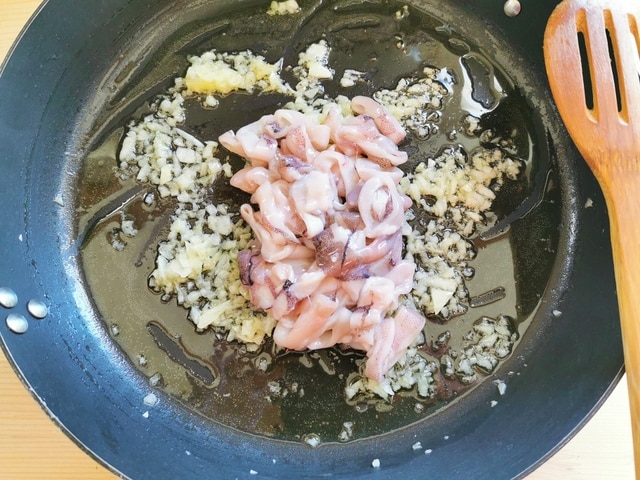
Shell the shrimps if needed and clean the squid. Cut the calamari into small rings or strips (we discarded the tentacles for this recipe) and saute them in a frying pan with some olive oil and the chopped onion and garlic. After 5 minutes add the shrimps. Sauté together for a couple more minutes then add the white wine. Let the alcohol evaporate and then add the clams and mussels, some chopped parsley and a little of the filtered liquid from the mollusks. Cook a little longer until the liquid has reduced.
Finish the dish
Cook the ravioli in boiling salted water when you are ready to serve. Depending on the size, they take about 5 minutes. Remove from the water with a slotted spoon rather than using a colander. You can also freeze the uncooked fish ravioli and cook from frozen later. When the ravioli are cooked, plate them and dress with the seafood sauce. Serve immediately.
Notes
You can even make some parts of this recipe in advance.The uncooked filled ravioli can be made and frozen, then cooked from frozen. The cooked seafood sauce can also be frozen.
Want to know more about my life in Italy? Go to the homepage and subscribe to my newsletter. New subscribers get a free recipe e-book too! https://www.the-pasta-project.com
Pin for later.
My sister-in-law’s tea towels!
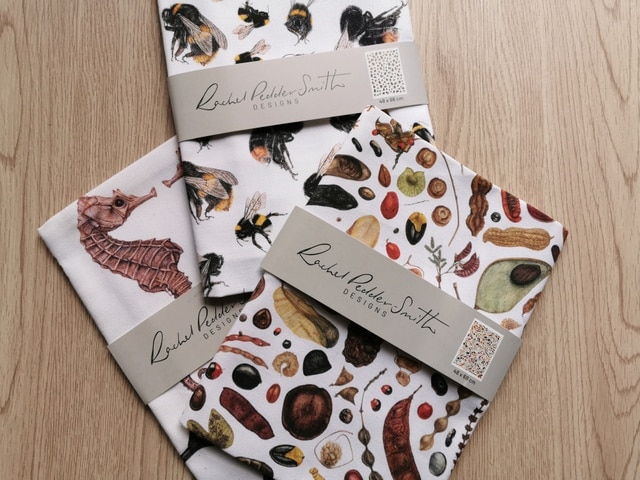
I don’t know if you noticed the tea towel in one of my photos above. It’s designed by my sister-in-law in UK, Rachel Pedder-Smith. She’s a botanical artist who worked at London’s Kew gardens. The tea towel in my photo is of a painting that was exhibited in the Tate Gallery. I think she’s so talented! Don’t you? Check out her site if you’re interested in learning more or buying her tea towels. She also makes lovely ceramic mugs and scarves. Rachel’s site
Disclaimer: I don’t earn any money if you purchase from Rachel. I mentioned her products just because I really like them!
Fresh seafood and homemade pasta are a match made in foodie heaven! If you are a fish and seafood lover, this baked fish ravioli from Liguria in Northern Italy is an absolute must-try! It’s perfect for special occasions like Valentine’s Day, birthdays and holidays.
Ravioli di mare.
One of my New Year’s resolutions was to make more fresh pasta at home! To this end, my hubby and I spent a recent Sunday making ravioli! We actually made two kinds. One was a sweet ravioli called cjarsons from Friuli filled with ricotta, prunes and figs! Absolutely divine. The second was this baked fish ravioli from Liguria. Also pretty amazing!
A little ravioli history.
Although there are other contenders for the title of inventor of ravioli, some food writers believe that ravioli were actually invented in Liguria by a chef whose surname was ‘Ravioli’! In fact, there are still families with this surname in the region. However, even though there is no concrete evidence of Mr. Ravioli, certainly this type of filled pasta was eaten in Liguria as early as the 12th and 13th centuries. From there its popularity spread to other parts of Northern Italy.
Since seafood is a main ingredient in the Ligurian kitchen, it’s not surprising that fish ravioli is very traditional. However, so too is ravioli with meat. The most famous meat ravioli is served with a sauce known as ‘al tocco di carne’. This is a fantastic slow cooked meat sauce that I have used in a recipe for typical Ligurian pasta, corzetti, but have yet to use for ravioli. It’s on my to-make list!
I found this recipe for baked fish ravioli from Liguria in a book I got for Christmas! It’s called ‘La Cucina, the regional cooking of Italy’. Published by the Academy of Italian Cuisine (L’Accademia della Cucina Italiana), this is one of the best Italian cookery books I have come across. And, to make life easier, it’s in English!
What fish can you use?
When I find a recipe, I always search online on Italian sites for other versions and some more info about it. Needless to say, there are a number of different ways to make both homemade fish ravioli and the sauce for it. But, in general, the fish is usually sea bass, bream, grouper or snapper. Some people use fish fillets, others whole fish. We used a small bream and a small snapper. The whole fish can be poached or baked. We baked our fish as per the recipe we followed.
What are the filling ingredients?
As you can imagine, the filling ingredients differ too. In fact, some recipes call for ricotta and others include borage or spinach. This homemade fish ravioli recipe has neither of those. Apart from the fish; the filling consists of eggs, garlic, marjoram, parsley, olive oil and grated Parmigiano Reggiano. So, it’s relatively simple compared to some other recipes.
Making the pasta dough.
The ravioli pasta dough is made with Italian 00 soft wheat flour, salt and eggs. I used my kitchen stand mixer to make the dough. However, we always like to finish the kneading by hand. We then rolled out the pasta sheets using a pasta maker. Of course, you can do everything by hand too!
What’s in the seafood sauce?
My recipe book doesn’t specify the type of sauce to serve the baked fish ravioli with. In fact, it just says serve hot with a sprinkling of fresh marjoram. However, I found a recipe for a seafood sauce from the website of a restaurant in Genova called Antica Hosteria Pancetti. They make their fish ravioli almost the same way as in this recipe and serve it in the sauce I have used.
This sauce has calamari, clams, mussels and shrimps. It’s a veritable feast! However, it takes a bit more time and money to make than a simple tomato sauce, which would go well too!
Making this baked fish ravioli from Liguria.
Given that this baked fish ravioli recipe requires a number of steps, of course, it’s not a mid-week meal. You need to bake the fish, make the pasta dough, make the sauce and fill and cook the ravioli. However, I think this is a great recipe for special occasions such as Valentine’s day, special Sunday lunches and other important occasions.
This is a dish that will impress your partner, family or guests no end. You can even make some parts in advance. The uncooked filled ravioli can be made and frozen, then you can cook it from frozen. The cooked seafood sauce can also go in the freezer. In fact, I have both in my freezer for another occasion because I made too much! Of course, you don’t want to leave them in the freezer too long. A month is probably long enough.
Having said that, I really believe that all dishes taste better when eaten freshly made! This baked fish ravioli was divine. In my opinion 5 star restaurant worthy! I’m sure if you make it, you and your guests will think the same!
Pin for later
If you make this baked fish ravioli recipe, I’d love to hear how it turns out and if you liked it. So, please leave a comment here on the blog or on The Pasta Project Facebook page.
This fabulous homemade fish ravioli with a seafood sauce is perfect for special occasions. It takes a little while to make but is 5 star restaurant worthy! A beautiful authentic Italian pasta recipe.
Keyword authentic Italian pasta recipe, fish, fish ravioli, Liguria, ravioli, seafood pasta
Prep Time 1hour
Cook Time 1hour
Servings 4
Author Jacqueline De Bono
Ingredients
For the ravioli filling
1kg fresh fish (bream, grouper, snapper or seabass)(2lbs) I used 1 small bream and 1 small snapper
1-2garlic clovespeeled and chopped
1tspfresh rosemarychopped
1tbspfresh parsleychopped
2-3tbspParmigiano Reggianograted
1tspfresh marjoramor dried
1-2eggsdepending on how much fish you have
extra virgin olive oil.as required
For the pasta dough
200-300gItalian 00 soft wheat flour (7-10oz) or all-purpose flour, depending how much ravioli you want to make.
2-3eggs1 egg per 100g of flour (3.5oz)
1pinchsalt
For the seafood sauce
1onionpeeled and finely chopped
200gcalamari(7oz) fresh or frozen
500gfresh clams(1lb)
500gfresh mussels(1lb)
200gprawns or shrimps(7oz) fresh or frozen
2garlic clovespeeled and finely chopped
1handfulfresh parsleychopped
1/2glassdry white wine
2-3tbspextra virgin olive oil.
Instructions
Prepare the fish and the filling
Preheat the oven to 200c/400F. If your fish hasn’t been cleaned by the fishmonger you’ll have to remove the intestines. Clean the fish, rinse it and put it in a roasting pan with ¼ cup olive oil, put half the garlic and the rosemary inside the fish. Cook the fish for about 15-20 minutes depending on the size.
When the fish is cooked through, let it cool a little and then cut away the meat, making sure there are no bones in it or skin. Put the fish meat in a bowl with the rest of the garlic, some more chopped parsley, marjoram and the grated cheese. Add one egg. If the mixture seems dry add the second egg. Mix everything together well to create a firm filling. Set aside.
Make the pasta dough and ravioli
Put the flour in a mound into a bowl, onto a wooden pastry board or in your stand mixer. If using a bowl or wooden board create a well in the middle of the flour and add the eggs (usually unbeaten) and the salt. Using a fork first beat the eggs and then with the same fork or a pastry scraper bring flour from the edges of the mound into the centre until the eggs are no longer runny.
Then start to knead the dough and continue until you have a homogeneous dough that is only slightly sticky to touch. If the dough is dry add a little water and knead some more. Form the dough into a ball and leave it to rest for 20-30 minutes covered with a tea towel or covered in plastic wrap. I used my kitchen stand mixer to start the dough but finished kneading on my pastry board.
After the dough is ready roll it into thin sheets a couple of millimeters thick with a rolling pin or with the help of a pasta machine. There are two ways you can create the ravioli. We placed scant tablespoons of filling evenly spaced on one side of the pasta sheet and then folded the other half over them.
Some people use 2 pasta sheets. They place the filling evenly spaced on one and then cover with the other. Either way, then press down with your fingers around each filling and then cut out the ravioli squares using a pasta wheel. Let the ravioli sit for about an hour before cooking.
Make the seafood sauce.
After washing the clams and mussels well (the mussels will need the ‘beards’ removed, put them in a large pan and let them open over a low flame. Once they are open, remove the mollusks, discard any that haven’t opened and filter the liquid they have created through a fine mesh or muslin cloth. I often use a fine tea towel.
Shell the shrimps if needed and clean the squid. Cut the calamari into small rings or strips (we discarded the tentacles for this recipe) and saute them in a frying pan with some olive oil and the chopped onion and garlic. After 5 minutes add the shrimps. Sauté together for a couple more minutes then add the white wine. Let the alcohol evaporate and then add the clams and mussels, some chopped parsley and a little of the filtered liquid from the mollusks. Cook a little longer until the liquid has reduced.
Finish the dish
Cook the ravioli in boiling salted water when you are ready to serve. Depending on the size, they take about 5 minutes. Remove from the water with a slotted spoon rather than using a colander. You can also freeze the uncooked fish ravioli and cook from frozen later. When the ravioli are cooked, plate them and dress with the seafood sauce. Serve immediately.
Notes
You can even make some parts of this recipe in advance.The uncooked filled ravioli can be made and frozen, then cooked from frozen. The cooked seafood sauce can also be frozen.
Want to know more about my life in Italy? Go to the homepage and subscribe to my newsletter. New subscribers get a free recipe e-book too! https://www.the-pasta-project.com
Pin for later.
My sister-in-law’s tea towels!
I don’t know if you noticed the tea towel in one of my photos above. It’s designed by my sister-in-law in UK, Rachel Pedder-Smith. She’s a botanical artist who worked at London’s Kew gardens. The tea towel in my photo is of a painting that was exhibited in the Tate Gallery. I think she’s so talented! Don’t you? Check out her site if you’re interested in learning more or buying her tea towels. She also makes lovely ceramic mugs and scarves. Rachel’s site
Disclaimer: I don’t earn any money if you purchase from Rachel. I mentioned her products just because I really like them!
We don’t mind driving for good food, and the trek to North Miami for Captain Jim’s is totally worth it. This seafood market and restaurant offers a wide array of fresh fish and other delicious selections that will have your taste buds jumping for joy.
First, a warning: Don’t tell your doctor that you’re planning on eating here. There are opportunities to order your seafood grilled or blackened, but honestly, it’s best to leave your diet behind. Fried calamari, fried oysters, fried gulf coast shrimp … order it all. This is especially true if you come in a group, as portions lean large; it’s best for each person to order a few dishes to make the most of your time here.
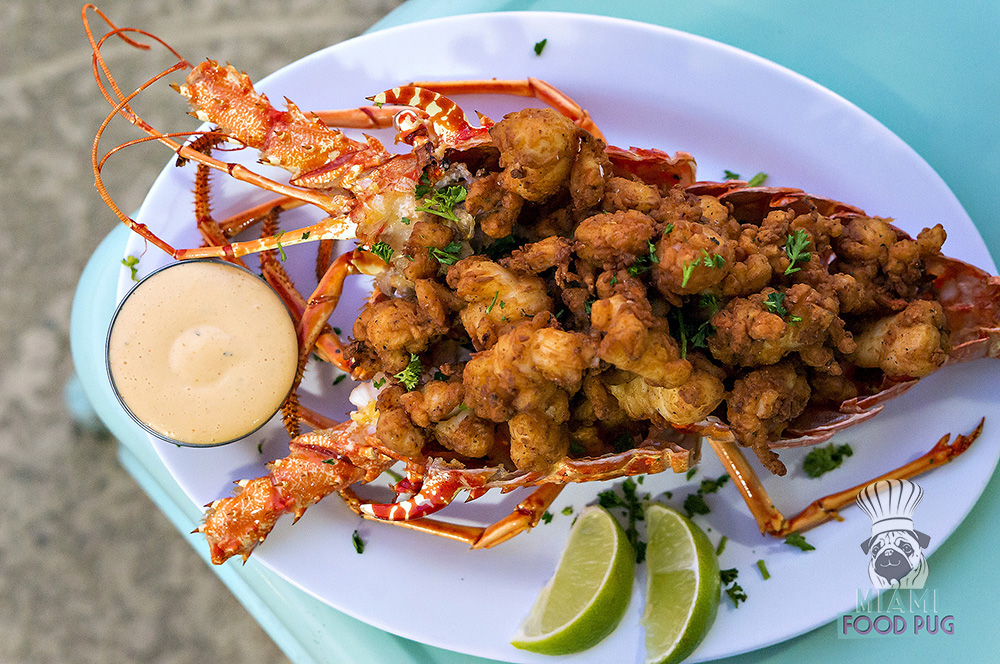
Menu standouts include bites like the Stone Crab Claws and Conch Fritters, which come with some tasty mustard and tartar sauces on the side. Each of these dishes is a meal on its own, but you should also consider ordering some mains. The Captain’s Tail — the restaurant’s take on Pan Con Minuta — is sure to satisfy sandwich fans and is easily big enough for two people. If you want to go even bigger, set your sights on the Whole Fried Lobster, which is pretty self explanatory.
Like we mentioned earlier, Captain Jim’s offers a variety of fresh fish that can be ordered fried or in a different preparation. Corvina, group and salmon are just a few of the selections that can be ordered grilled to give your heart a break. Avoid making the mistake of skipping sides: While you might be tempted to load up on hush puppies, mashed potatoes, sweet plantains or another substantial side, we suggest opting for something (slightly) lighter like sautéed veggies.
Desserts may be an afterthought for you, but they aren’t for Captain Jim’s. Key lime pie, coconut cream pie and flan all provide a sweet way to end your meal, and you can’t really go wrong with any of them. The night we visited, though, there was a special Bread Pudding, so you may want to ask if they have anything cool going on when you pop in.
North Miami isn’t usually on our radar, but Captain Jim’s is giving us reason to explore the neighborhood more. Good food is worth the drive, and Captain Jim’s definitely fits the bill.
Captain Jim’s Seafood Market & Restaurant is located at 12950 W Dixie Hwy in North Miami. For hours of operation and more information, please visit their official website or call 305-892-2812.
You’ve probably never heard of Northbank. I say this with some confidence because I’d never heard of it, and as I spend most of my waking hours thinking about where to eat next and have the Hotdinners’ «Recently Opened» list as my homepage, for somewhere to sneak under my radar for so long (it’s been around since 2007) takes some doing. But even the most restaurant-spoddy of us (Zeren Wilson I’m thinking of you) have our blind spots, and I know for a fact there are a good number of good, solid places that are quietly getting on with the business of feeding people straightfowardly decent food without the distraction of having to appeal to the Instagram crowd, or even (ahem) fickle, trend-chasing bloggers.
But it’s no good being a decent, mid-priced restaurant if you can’t make the numbers work, and so Northbank have very wisely (and fortunately for me) invested in a bit of PR. And it’s at their invite I set out one cold, rainy evening to this welcoming space on the Thames Path near the Millennium Bridge, to find out what all the lack of fuss is about.
A post shared by Chris Pople (@chrispople) on Oct 23, 2019 at 10:51am PDT
The first thing I should say about Northbank is that their bar is knocking up some absolutely great cocktails, and has a nice comfortable place to drink them in (plus an outside terrace), so if nothing else it should probably feature on your list of places to pop in for a classy drink in the Blackfriars/St. Paul’s area. Above is an Old Fashioned flavoured with cigar tobacco, one of the best twists I’ve enjoyed on this classic in many months. It’s also £9, about half what you’ll pay in some joints.
Northbank is (mainly) a seafood restaurant, and so the only sensible thing to start with is a great big tray of oysters — natives, as well, always a nice surprise to see. They were great, although I do prefer it when restaurants serve oysters on ice; there seems something risky about eating a room-temperature oyster although I’m sure there was nothing to worry about. The mignonette was nicely made, too.
Just to be contrary in a seafood restaurant, and on the advice of my waiter, I went for venison for a main course. It arrived rosy pink, with a faintly underpowered but still pleasant game jus, and some roast winter veg, and was in every way straightforwardly enjoyable.
Less successful was a bowl of mash, which had been over-whipped and was rather sticky and glue-y. It contained a good amount of butter, and the potatoes had a nice flavour, it was just a shame that the technique had let them down. Still, I did eat it.
Crab linguine was fantastic, though. A huge bowl of it (which you might hope for, for £22), and well made pasta that had a good bite without being too crunchy, this was a great vehicle for a generous proportion of fresh crab, with just enough chilli to create a gentle heat and a little dash of lime for acidity. There was also a lot of garlic, perhaps too much for some but I like garlic. 2019 truly was the Year of the Pasta restaurant, and it seems even places that don’t have it as their main feature are upping their pasta game. It’s good to see.
Desserts were a treacle tart, which was warm and bubbly and comforting, presented with some nice smooth ice cream…
…and a slightly-less-successful summer fruits and chocolate cake thing which could have done with a bit more sugar. However, the sorbet was lovely, so it was worth ordering it just for that really.
So, no eye-catching concepts, no explicitly ‘grammable content, no fuss, no fanfare. But Northbank deserves your time and your money because it does what it does competently, quietly, and elegantly, and with views over the Thames. I hesitate to mention service on an invited review, but I’m sure such enthusiasm and efficiency can’t just be magicked up when they know they’re being reviewed, so I’m going to give them thumbs up for that too. In short, they’re doing plenty right and not much wrong and that should be more than enough for most people. Even the fickle bloggers.