Students of Seiko history will be familiar with the Laurel, the first Japanese wristwatch, produced in 1913. Many of the design elements of the Laurel can be spotted in contemporary Presage designs, most notably the distinctive “12,” captured in a color that sets it apart from the rest of the Arabic numerals. You’ll notice on the SJE081 that the 12:00 marker is offset in gold, a direct tribute to the classic Laurel design. The general dial layout, leaf hands, and generally formal aesthetic are also calling cards of modern Presage watches borrowed from the Laurel, and can see traces of each here as well.
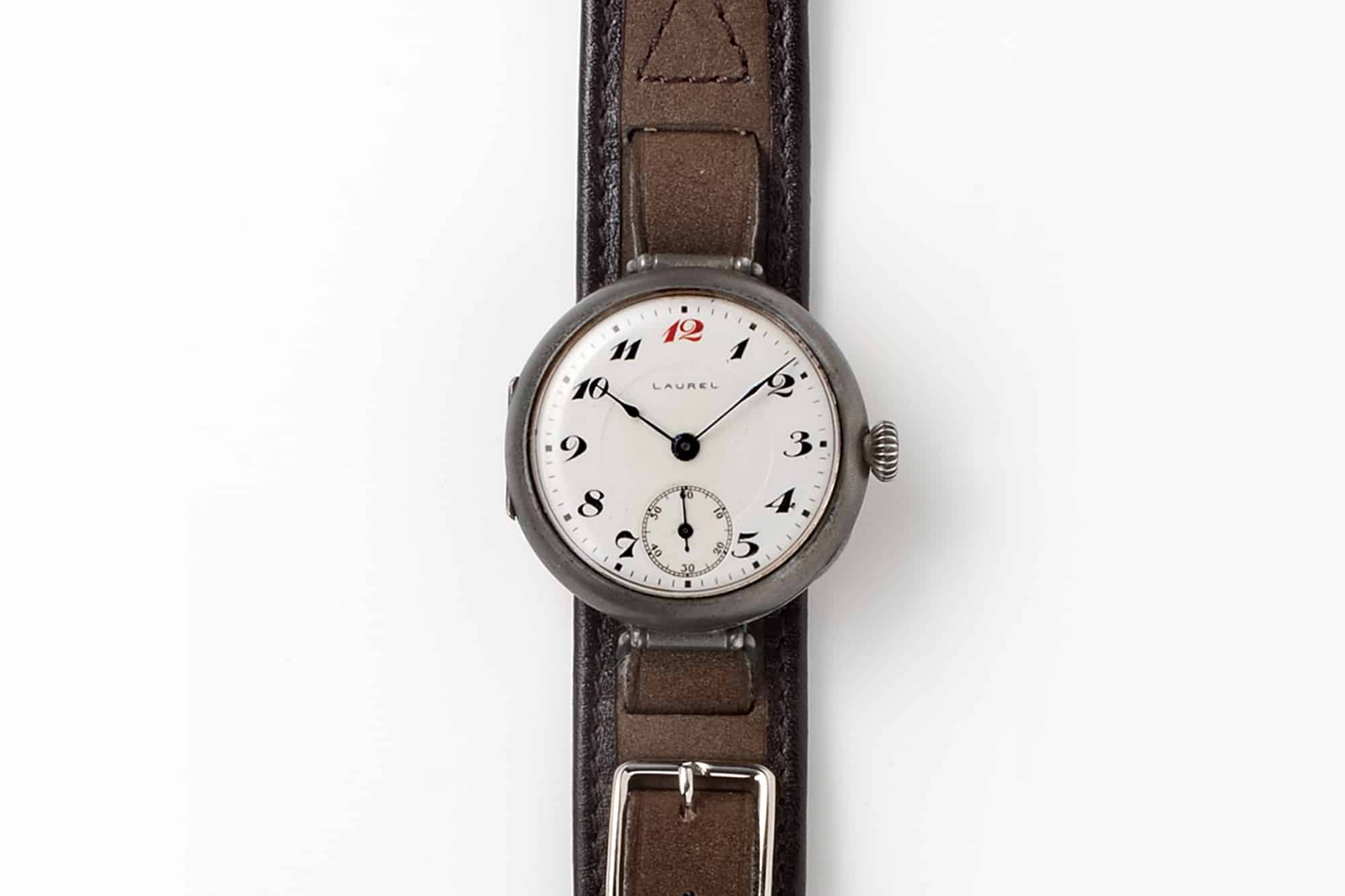 Original Laurel wristwatch.
Traditional Japanese craft is another key component of Presage pieces. Dials in porcelain and enamel have been used in this line over the years, but one of the most uniquely Japanese methods of dial finishing is done through the use of Urushi lacquer. Lacquerware craft dates back thousands of years in Japan, and the creation of lacquered productes is meticulous and time consuming. Essentially, lacquer is a material derived from tree sap that’s used to protect an object (often made of wood) by coating it in several layers of lacquer over a period of many weeks, and then polishing and decorating it. The Urushi lacquer process used in the SJE081’s dial refers to a specific type of tree from which sap is collected. The effect is a dial that has a depth and richness of color to it that simply isn’t possible with more common paint applications.
To read the article in English. wornandwound.com


Комментариев нет:
Отправить комментарий