Показаны сообщения с ярлыком Opinion. Показать все сообщения

пятница, 21 февраля 2020 г.

Это дань уважения человеку, который сделал Ист-Лондон круто

Шордиче и его окружает не быть одинаковыми с Гэри. Изображение: Shutterstock От

В начале месяца, ранним субботним утром, я получил такой звонок, что нас все боятся. «Гарри только что был сердечный приступ. Он умер приятель,» Адриан Шиллер сказал мне. Я закричала. Я стонала стонала, ревела и плакала. Конечно, это не имело никакого значения, а его все нет. Один из самых плодовитых Лондона рационализаторов, культурно куратор и поэт и энтузиаст художников и креативщиков во всех секторах, особенно новейшие развивающиеся молодые, происходил из Глазго, но изменили Лондон навсегда.

Гарри пришел сюда в 1980 году и во время учебы в Университет Южного побережья, был избран председателем Комитета общественных мероприятий. Он должным образом встряхнул студенческие вечеринки. Проведя несколько лет в западном Лондоне и Сохо новаторские рекламные и маркетинговые мероприятия, он переехал в Лондон в 1990 году.

Гэри Fairfull (слева) умер ранее в этом месяце

Тогда, эйсид-хаус было всего пару лет и Хакни был совсем в другом месте; только каменщики оружия и дыни (а также, конечно, Золотое сердце Сандры). Кроме того, что это был ‘запретную зону’ весь путь вниз по коммерческой дороге.

Гари образовалась первая компания, которая будет базироваться в восточном Лондоне, AMXdigital котором, среди прочего, трансляция орбиты от Королевского Альберт-холла в 1995 году. Это был первый в своем роде. Это было время под кайфом и в смятении это господство и Гари курировал недельный трансляции мероприятий, начиная от Бьорк и Рем от трамвая пролил — теперь, конечно, один из Марк Хикс предприятий.

Это был, пожалуй, хотя место Гэри, его Кремер уличного склада лофт в пентхаусе, что он стал печально известен далеко и широко. Актеры, драматурги, начинающих художников, распутники и ассортимент персонажей из Лондона — и Britai — спустился на этот Шибин. Гарри будет рассказывать истории, когда рассказчик. Это было частью повторного рождения для Шордич , который стал всемирно известным. Фундамент закладывают с основными героями, такими как Гэри.
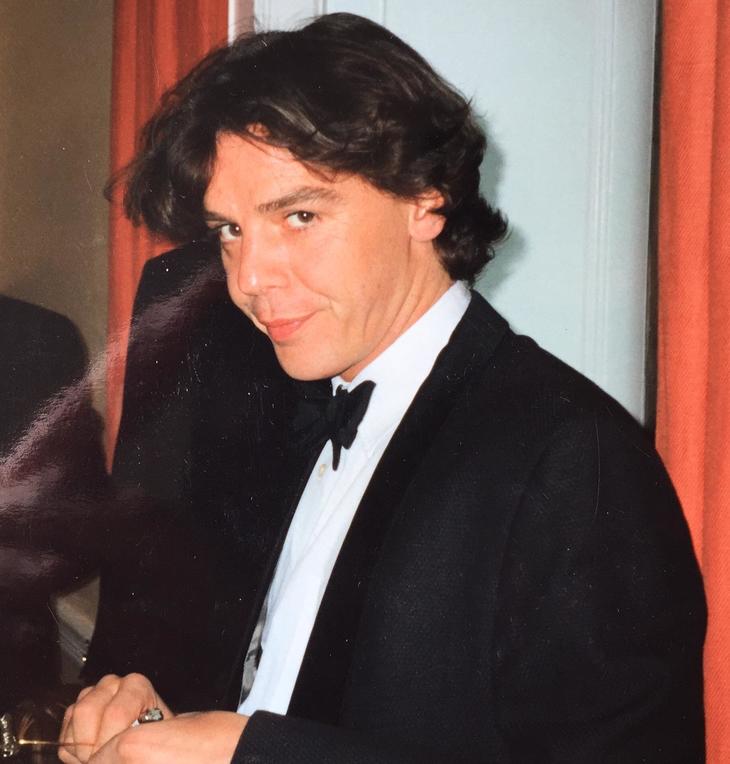
Гарри приехал в Лондон в 1980 году, и будет продолжаться, чтобы помочь превратить его

На протяжении многих лет, Гэри бежал различных площадках, от сохи дворе, ресторанов на Великой Восточной улице. Если вы отважились вы могли бы найти Эми Уайнхаус делать импровизированное выступление или просто гулять вместе с Кейт Мосс, Джейк и Динос Чепмены, Трейси Эмин, Сара Лукас и многие другие. В ‘Англия’ — Молодые британские художники — рисовали на востоке Лондона как пейзаж навязывать свои идеи и видения, а также будучи вдохновленным своей постоянно меняющейся истории. В центре этого события с поэзией и музыкой, с Алабамой 3, проходящей через и Лили Аллен, Джуд Лоу и Кира Найтли общения в угол. Но что еще более важно, не было энтузиазма Гэри для следующего поколения творцов прорыва. Он всегда предоставлял платформу.

С пол дня на Зигфрид фон подбрюшье, Хокстон-сквер

Страсть Гарри к искусству, жизни и последовательно для людей, никогда не смогла впечатлить. Любая прогулка по Шордич будет означать, что вы вступили в контакт с частью наследства, что Гэри был ответственным за информирование. Его друзья были чугун и переплелись с его приверженность к творческим проектам. Он работал с Хуаном Эрнесто лил из красного галерее славы на протяжении десятилетий и обожал семидесятилетний Суфи-Селтик сказочник не ИЛС, которого он исполнял стихи для совсем недавно на Пол Дейли придорожной закусочной.

Гарри любил возможностях технологий, который является, почему он понравился Бенджамин юго-западный по 3beards и техника города вклад так много. Ник Франко в 1185 фильмы захватили несколько особых моментов в фильме. Но эти упоминания не приблизились к широкому спектру особые отношения у Гэри был в Лондоне и за его пределами. От новой квартиры и апартаменты, что сейчас дома так много стрит-арта и кафе, галереи и бары, Гари Fairfull это искрометный энтузиазм для области, для проведения текущих событий, для запуска пространств и людей, помогли сделать эту часть Лондона, известен по всему миру.

Гэри запустил Гэри запустил членов начальник королевской клуба

В последние годы Гэри запустил в «королевскую голову» и создали дом для клуба искусств Востока, над белом коне настольный танцевальный клуб. Всплывающих Окон. Основанное время арт-инсталляции со всем, что происходит. Постоянно меняется. Всегда творю. Гэри был семенной, помогая на этапе создания в ночное время промышленности Ассоциации со знакомства и объединения людей, в ‘Энди Уорхола в восточном Лондоне, навсегда делая ссылки. Невозможно пойти куда-нибудь в уголок без людей всех возрастов остановить его и рассказывая невероятные истории. Среди всего этого, он страстно собирал деньги и выступал до конца бездомности и даже получил на руки и колени, чтобы сделать так.

Хостинг Клуб Искусств Востока

Это, пожалуй, пронзительное, что его друг и кто-то любимый, так что многие из нас, Энди Weatherall, умер так внезапно и в непосредственной близости от времени. Гэри часто у Энди играть. Они были индивидуалисты, всегда создавая новые платформы для всех опытов. Поджигателями. Вот почему Роб звезда решил, что он может открыть собственную местами до — и посмотри, что это означало для нас всех…

Гэри регулярно принимала art для мира, а также помогают надеть огромные события с галереей Уайтчепел. Он любил еду, что помогли найти маменькин сопляк новом торговом доме в утреннем переулке, Хакни, возбужденно устремляясь к Анди Оливер ресторан в Сток Ньюингтон, или Клэптон загородный клуб. Он был товарищей, казалось, с каждого. От парней на вице-ведущим экипаж материнское агентство для многих бездомных в районе. Всегда шутил, всегда придумывать идеи и рассказы, Гари всегда был обнадеживающим. Его волнение за то, что было возможно, был донельзя заразен.

Работы Гэри с пищевыми продуктами, и мест, как маменькин сопляк

Вы могли бы задать Даги Уоллес о Гарри постоянное поощрение фотографии и искусства, или даже ди-джея и фотографа Normski. Или Алекс с гордостью, кто знает вещь или два о фотографии, события, клубы и рестораны…

Ле пистолет сделал культовый Фриз арт с Гарри в ней, и конечно Салена Годд мог сказать это в рифму слово каденция. Сэр Харви Голдсмит назвал Гэри больше, чем жизнь персонажа, который будет очень не хватать. Ирвин Уэлш хорошо знал его и сказал мне: «Гэри был вдохновляющей силой природы. Пионер Шордич, который любил вечеринки и творческие головы, он дал нам все на максимум.

Гэри был также крестным директора, ребенка Адриан Шиллер

«Теперь, когда смотришь на район и его метаморфозы в битник центральный, трудно сформулировать его как N полузаброшенной заброшенные зоны сумерек. Свое господство всем обязана таким людям, как он, кто сделал это круто».

В Лондон, стал Лондон, нам нужно больше таких людей, как Гэри Fairfull. Хотя он умер слишком рано, многие пришли вместе, чтобы помочь создать то, что станет основой Гари Fairfull. Это обеспечит наставников и помощь для начинающих художников всех видов во многих средах, а также некоторые средства.
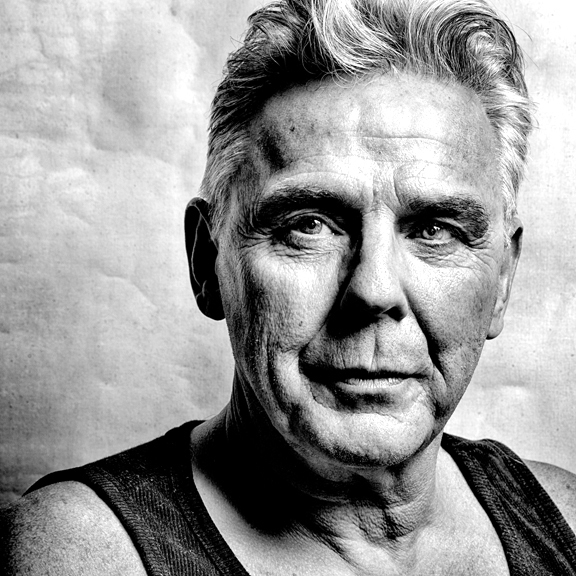
Гэри Fairfull, великий поборник искусства

Но в эти выходные мы готовим для следующего большого Гэри Fairfull специальное мероприятие. Мы вышлем его в истинном стиле. Певцы, композиторы, музыкальные коллективы, поэты и диджеи будут все разделять и напоминает нам все, что он сделал для всех нас. Будут происходить события продолжающиеся после этого тоже, но это должно быть проведено должным образом на Земле в Далстоне. Старого и нового. Формирование реформирования, разрушения и трансформации. Прощается. Лондон никогда не будет то же самое.

Там идти фонде мне кампанию , чтобы принести средства для Гэри Fairfull Фонда.

Алан Миллер в Твиттере как @alanvibe.

Наследие Гари Fairfull по Londonist в переводе

среда, 19 февраля 2020 г.

Opinion: Just Say No to the Roll-back of Criminal Justice Reforms

There are 2.2 million people in this country locked away in local, state, and federal cages. Meanwhile, 6.7 million people across the country are under the surveillance and control of correctional departments. In New York, Black New Yorkers make up 18 percent of the statewide population but nearly half of the population in prison. These outcomes are the result of deeply damaging policies. And policies are not created and enacted out of thin air.

The pre-trial laws that New York had until this year, “Broken Windows” policing, Stop and Frisk, mandatory minimum sentencing, drug courts, gang databases, and collaboration with ICE all have a clear origin. Legislators, prosecutors, and law enforcement officials, drafted, funded, and implemented policies that have torn apart, terrorized, extracted resources from, disenfranchised, and trampled on the rights of Black and Brown communities.


The tactics being employed to amend and roll back newly enacted changes to New York State’s bail laws are the same tactics used for decades to entrench racially discriminatory policies. NYPD Police Commissioner Shea, police union officials, District Attorneys, prosecutors, and Mayor de Blasio have all used racist fear-mongering or outright lies, correlating the new pre-trial laws to increases in crime data, without evidence, to pressure state legislators to change laws less than three months old. Despite our country still accounting for nearly a quarter of the world’s incarcerated population, certain elected officials and officials running state and city public safety agencies still haven’t quenched their appetite for feeding jails and prisons with Black and Brown bodies. Jails, prisons, and detention centers simply do not make our communities safer.


Black and Latino communities and grassroots organizations in New York, led by people directly impacted by the criminal legal system organized, fought, and struggled to pass policies designed to root out the racialized targeting of our communities and free our community members from cages. As the population of people locked away has decreased, our communities have not seen a rise in crime. That’s because prisons and detention centers perpetuate violence and punishment, but are ineffective at addressing the root causes of crime and harm. Organizers and activists from communities of color are redefining public safety by dismantling policies and practices rooted in criminalizing Blackness and punishing poverty. Instead, we are creating and advancing approaches to divest from police and prisons and investing in robust social services, housing, and mental health supports.


Rolling back New York’s bail reforms now, by giving judges and prosecutors the ability to detain people pre-trial, based on their interpretation of “dangerousness,” isn’t grounded in public safety. It is grounded in maintaining a criminal legal system to control and oppress Black and Brown communities. Judges and prosecutors have been driving racial disparities across the criminal legal system since its existence. Neither are computer algorithms, fed with data from a biased system, going to address racial inequities. The Senate’s newest proposal, supposedly created to eliminate cash bail, will ensure more Black and Latino New Yorkers are detained before trial without the possibility of coming home to their families.


To be Black in New York is to be Kalief Browder and Layleen Polanco. It is to know everyday that the state prioritizes the power to snatch you from your community and take your life over the power to provide you with the care we all deserve. Elected officials committed to creating a fair and just New York for all New Yorkers. Elected officials who have sworn there will be no more Kalief Browders or Eric Garners have a choice. Bend to law enforcement officials grasping to hold onto mass criminalization and incarceration, or stand up for communities fighting to reprioritize and reallocate funding and resources for the social services our communities need to thrive.


Kesi Foster is the Co-Director of the Youth Power Project at Make the Road New York. On Twitter: @BemKesi @MaketheRoadNY

вторник, 18 февраля 2020 г.

Is it time we admit Love Island is outdated?

Even before Caroline Flack’s tragic death there were questions over the brand, linked to former contestants’ suicides and reduced ratings. Here, Olivia Foster asks if it’s time we admit it’s run its course

love island outdated
(Photo Credit: ITV)

Following the announcement of Caroline Flack’s sudden and shocking death on Saturday 15 February, Love Island was not broadcast for two days but it returned last night with a tribute given by her friend and show narrator Iain Stirling. However many fans posted on social media they just didn’t feel right watching the show after the former presenter’s suicide – the fourth associated with the ITV2 show – and viewers did tune out, with an average audience of 1.93 million recorded by ratings supplier Overnights.tv.

Of course, when a new series of Love Island was first touted last year, it was safe to say people were excited. Would it be the antidote to the depressing winter months we’d all been looking for? Well, apparently not, even before Caroline’s death, the show was in trouble with recent reports revealing figures had dropped a massive 800,000 since the last summer series. In fact, in Ireland it was even reported that more people tuned in to see the Prime Time Leaders Debate on the February 1st, than watched the South Africa based show.

love island outdated

Getty Images

So what’s gone wrong? Well, the beginning of the series was mired by complaints and issues; from criticisms of the inclusion of 23-year-old Ollie Williams – who was seen posing next to a dead animal in a (since deleted) Instagram post – to accusations of racism and gaslighting being levied at Connor Durham.

love island outdated

One of this year’s Love Island contestants, Connor Durham (Photo Credit: ITV)

As for the Winter Love Island being posited as the cure for the winter blues,  it’s only really served to make us feel worse about ourselves. In the summer we can relate to the Islanders (exceptionally tanned bodies and extensive bikini collections aside), we’re hot and horny and LI makes us believe that we too could get off with a six-pack wielding fireman, or a personal trainer from Essex with eyes so blue you could swim in them. Now our hearts are as cold our hands and we’ve barely seen our own bodies for months so the thought of rubbing them up against someone else is as alien as the thought of a Prime Minister who actually cares about people.

Then there is the image issue. For several seasons the show has been criticised for its lack of body diversity, with the majority of the shows female stars barely pushing over a size 10. But the casting producers fail season in, season out, to do anything about it. In 2019 ITV Studios Entertainment creative director Richard Cowles said, ‘I think we try to be as representative and diverse as possible.’ But when you consider that up 98,000 people were said to have applied for previous series, it’s hard to believe that it wasn’t possible to cast a wider variety of people.

What’s more, previous stars have begun to reveal the unhealthy lengths they’ve gone to prepare for their stint in the villa, leaving further questions about what it means to promote these unrealistic body goals. Former star Ellie Brown recently confessed to one newspaper, ‘One of the biggest myths about Love Island is that we look so toned, tanned and skinny all the time. In reality, I practically starved myself going into the villa — eating nothing but fish and vegetables for months and spending hours sweating away in the gym each day.’

love island outdated

(Photo Credit: ITV)

It is hardly surprising, then, that after six series things have started to get a little stilted, with one Twitter user calling the contestants, ‘The most boring set of islanders,’. Another called the show, ‘dull as dishwater.’ Like Big Brother and the X Factor before it, what was once an exciting new format has become to feel tired, especially as there is very little going on by way of new twists and turns to keep us entertained. Part of the problem behind this is – of course – is that the contestants will have seen the show before, such a juggernaut is it that you’d have to have lived with your head under a pillow and with no social media in order to miss it. So chats about ‘where your head is at,’ now feel performative rather than sweet, and Casa Amor is no longer a shock, but an expected few episodes in every series.

With only one week remaining before this show’s finale, its future and future direction is unclear. Although it’s unlikely the show will be axed, given that last year an ITV executive said they had never considered cancelling Love Island in the wake of the deaths of two former Islanders, Mike Thalassitis and Sophie Gradon. However, they’re now in uncharted waters with their former presenter’s death most definitely reigniting the conversation, and with calls from the public for the show to be taken permanently off air. If it remains, here’s hoping we see some serious changes for the better the next time Love Island comes around.

In the UK and Ireland, the Samaritans can be contacted on 116 123 or email jo@samaritans.org or jo@samaritans.ie

The post Is it time we admit Love Island is outdated? appeared first on Marie Claire.

Counselling for girls to wear shorts at school is still progress, unfortunately

A Southland school has been criticised for requiring girls to see a counsellor before opting to wear shorts as their uniform. It’s merely a symptom of a bigger problem, Madeleine Chapman writes.

On Sunday, Stuff reported that James Hargest College in Southland would soon allow girls to wear shorts or pants as part of their uniform, but only after seeing a guidance counsellor. The story spread quickly and the reaction was a universal damning of both the school and the principal, Andy Wood, who was quoted as saying the counselling session was to ensure that girls had “thought through the possible reactions of other kids” to them wearing shorts or pants.

I read the story and, like many others, scoffed at such an antiquated belief that girls wearing shorts to school would suggest anything out of the ordinary, let alone anything worth counselling. Surely Wood and the school weren’t operating under the assumption that girls who preferred shorts to skirts were in need of counselling.

Turns out they aren’t, really.

Yesterday, Wood clarified his comments to me, explaining the reasoning behind the interim policy. The current uniform at James Hargest College does not allow girls to wear shorts or pants. The matter of introducing a gender neutral uniform is before the board and is expected to be approved and introduced by the end of the school year.

In the meantime, there are a few students – “at the most, six girls” said Wood – who wish to wear shorts before the rule is changed. The first students requested permission from the school and it was granted. But one of the first girls to be approved to wear pants received some negative comments from other students, said Wood. “It was quite hurtful and it surprised us so we thought ‘nah, we have to look after people and make sure that they’re prepared for that possibility.’”

The school has since asked a guidance counsellor to speak with any girls who wish to wear the boys’ uniform (it is the boys’ uniform, rather than tailored shorts, as the designs haven’t been completed for the new uniform) before the rule change, to keep in contact in case there are any issues with other students. That’s all it is, said Wood. “The whole thing isn’t about whether girls should wear shorts or not, it’s about looking after girls who say they want to be different from what the current rules are, and supporting them until the official rules change.”

If and when the school releases shorts and pants tailored for female students, there will no longer be a requirement to go past the counsellor. “At that stage they won’t need to ask anybody,” said Wood. “It’ll be part of the official uniform code.”


Two options for Wellington Girls College students (images: NZUNIFORMS)


While I can’t help but feel mild dismay at the very concept of the policy, I understand the intentions behind it. As much as we might all love the feeling of the moral high ground beneath our feet, it’s not a solid base. Prejudices exist and kids can be unspeakably cruel for illogical reasons. That a school would feel like they had to support female students who wish to wear shorts, after evidence of bullying and negative comments towards those who already did, is the scary part. For his part, Wood seemed genuinely surprised by the reaction to the story.

“Everybody’s coming down on our school because of the process put in place to look after kids. Nobody’s saying good on you for considering a change.”

Sadly he has a point. The story here isn’t that a school is making girls have a counselling session before wearing shorts to school. The story is that most uniformed schools don’t let girls wear shorts at all.

This isn’t a debate about whether or not all school uniforms are outdated. I hated wearing a school uniform for 13 years of my life because I would’ve much preferred shorts over the skirts and pinafores I was made to wear. But at the same time, I appreciated the level playing field the uniforms created among students. A level playing field that dissolved every non-uniform day when some students came to school in expensive clothes and others didn’t.

But a uniform’s purpose is simply that. Uniformity. Group identity. There’s room for flexibility within that, as some schools have recently learned.

Wellington Girls’ College introduced culottes as a uniform option in 2017. The culottes were designed for women and trialled by students who gave feedback throughout the year prior. They’ve since sold well and the school has added pants to the uniform code. Principal Julia Davidson said the reason the pants came later is that, with the uniform colour being teal, they were told by the designer that the girls “would look like Bananas in Pyjamas”. The new pants are black.

The majority of students at Wellington Girls’ still stick with the original skirt, and anecdotal evidence suggests that more culottes and pants are sold than actually worn, but the students appreciate the option. “It really wasn’t a big deal,” Davidson said. “And I would be very surprised if I heard that anyone had gotten negative comments about it.”

Everyone wears shorts and pants. Of the 11 women in the Spinoff office today, seven are wearing pants. One is wearing shorts (me). Three are wearing dresses. I only know this because, for the sake of this argument, I made a note of what everyone was wearing during our editorial meeting.

Otherwise I wouldn’t have noticed because what people wear in their day to day lives is not a big deal. Except maybe it is. Because if it really wasn’t, every uniformed school in New Zealand would offer gender neutral options. If it wasn’t a big deal, no school would feel the need to mandate a visit to the counsellor based off a uniform choice. If it wasn’t a big deal, a school introducing shorts and pants for girls wouldn’t make the news.

That one school has found it necessary to insist students see a counsellor before wearing shorts to school is worrying. That they’re still ahead of most schools in New Zealand is more worrying still.

понедельник, 17 февраля 2020 г.

Counselling for girls to wear shorts at school is still progress, unfortunately

A Southland school has been criticised for requiring girls to see a counsellor before opting to wear shorts as their uniform. It’s merely a symptom of a bigger problem, Madeleine Chapman writes.

On Sunday, Stuff reported that James Hargest College in Southland would soon allow girls to wear shorts or pants as part of their uniform, but only after seeing a guidance counsellor. The story spread quickly and the reaction was a universal damning of both the school and the principal, Andy Wood, who was quoted as saying the counselling session was to ensure that girls had “thought through the possible reactions of other kids” to them wearing shorts or pants.

I read the story and, like many others, scoffed at such an antiquated belief that girls wearing shorts to school would suggest anything out of the ordinary, let alone anything worth counselling. Surely Wood and the school weren’t operating under the assumption that girls who preferred shorts to skirts were in need of counselling.

Turns out they aren’t, really.

Yesterday, Wood clarified his comments to me, explaining the reasoning behind the interim policy. The current uniform at James Hargest College does not allow girls to wear shorts or pants. The matter of introducing a gender neutral uniform is before the board and is expected to be approved and introduced by the end of the school year.

In the meantime, there are a few students – “at the most, six girls” said Wood – who wish to wear shorts before the rule is changed. The first students requested permission from the school and it was granted. But one of the first girls to be approved to wear pants received some negative comments from other students, said Wood. “It was quite hurtful and it surprised us so we thought ‘nah, we have to look after people and make sure that they’re prepared for that possibility.’”

The school has since asked a guidance counsellor to speak with any girls who wish to wear the boys’ uniform (it is the boys’ uniform, rather than tailored shorts, as the designs haven’t been completed for the new uniform) before the rule change, to keep in contact in case there are any issues with other students. That’s all it is, said Wood. “The whole thing isn’t about whether girls should wear shorts or not, it’s about looking after girls who say they want to be different from what the current rules are, and supporting them until the official rules change.”

If and when the school releases shorts and pants tailored for female students, there will no longer be a requirement to go past the counsellor. “At that stage they won’t need to ask anybody,” said Wood. “It’ll be part of the official uniform code.”

Two options for Wellington Girls College students (images: NZUNIFORMS)

While I can’t help but feel mild dismay at the very concept of the policy, I understand the intentions behind it. As much as we might all love the feeling of the moral high ground beneath our feet, it’s not a solid base. Prejudices exist and kids can be unspeakably cruel for illogical reasons. That a school would feel like they had to support female students who wish to wear shorts, after evidence of bullying and negative comments towards those who already did, is the scary part. For his part, Wood seemed genuinely surprised by the reaction to the story.

“Everybody’s coming down on our school because of the process put in place to look after kids. Nobody’s saying good on you for considering a change.”

Sadly he has a point. The story here isn’t that a school is making girls have a counselling session before wearing shorts to school. The story is that most uniformed schools don’t let girls wear shorts at all.

This isn’t a debate about whether or not all school uniforms are outdated. I hated wearing a school uniform for 13 years of my life because I would’ve much preferred shorts over the skirts and pinafores I was made to wear. But at the same time, I appreciated the level playing field the uniforms created among students. A level playing field that dissolved every non-uniform day when some students came to school in expensive clothes and others didn’t.

But a uniform’s purpose is simply that. Uniformity. Group identity. There’s room for flexibility within that, as some schools have recently learned.

Wellington Girls’ College introduced culottes as a uniform option in 2017. The culottes were designed for women and trialled by students who gave feedback throughout the year prior. They’ve since sold well and the school has added pants to the uniform code. Principal Julia Davidson said the reason the pants came later is that, with the uniform colour being teal, they were told by the designer that the girls “would look like Bananas in Pyjamas”. The new pants are black.

The majority of students at Wellington Girls’ still stick with the original skirt, and anecdotal evidence suggests that more culottes and pants are sold than actually worn, but the students appreciate the option. “It really wasn’t a big deal,” Davidson said. “And I would be very surprised if I heard that anyone had gotten negative comments about it.”

Everyone wears shorts and pants. Of the 11 women in the Spinoff office today, seven are wearing pants. One is wearing shorts (me). Three are wearing dresses. I only know this because, for the sake of this argument, I made a note of what everyone was wearing during our editorial meeting.

Otherwise I wouldn’t have noticed because what people wear in their day to day lives is not a big deal. Except maybe it is. Because if it really wasn’t, every uniformed school in New Zealand would offer gender neutral options. If it wasn’t a big deal, no school would feel the need to mandate a visit to the counsellor based off a uniform choice. If it wasn’t a big deal, a school introducing shorts and pants for girls wouldn’t make the news.

That one school has found it necessary to insist students see a counsellor before wearing shorts to school is worrying. That they’re still ahead of most schools in New Zealand is more worrying still.

Random Acts Of Kindness Day reminds us to check our own reflections

As Caroline Flack's tragic death prompts #BeKind to go viral, Olivia Adams says it is us - not the media - who needs to be better

Random Acts Of Kindness Day

‘Be Kind’. These are the two words echoing around the office today. We all know why. Yesterday the six letters were also trending on Twitter, written on London transport tube boards and reposted to Instagram. It made me consider my character, and if being kind is a quality I can proudly claim.


I believe it is, but I often thought my former job in the showbiz journalism industry shunned this attribute. Because it’s true, bad news sells. Repercussions for spreading negativity? No, reward! It was my first job out of university and as a junior writer, at lunchtime I would watch my editors huddle around the picture editor’s computer to buy the most unflattering snaps of celebrities on the beach. At night, I was praised for obtaining controversial lines from drunk, sad or ‘fame-hungry’ stars.


But it is not the press who is unkind. I know, I would say that – I am the press. But hear me out. It’s the people. It’s us. It’s all of us. We like to see those fatter, uglier, poorer than us, because it makes us feel better about ourselves. Ever wondered why soap operas are so damn depressing? It’s because we’re happier that these poor souls have had a harder day than us.


At this time of being a junior reporter, social media was in its infancy – but the concept of trolling was the same. I’m printing these derogatory words, but would I say it in person, to their face? Unlikely. And this question still rings true today. From whispering in the office about other colleagues to WhatsApping catty comments in your friendship group. Would you voice these opinions to their face? If the answer is no, we really shouldn’t be saying them at all.


Transgender model and activist Munroe Bergdorf worded it perfectly on social media yesterday: ‘I hope one day we stop tearing each other apart and realise that each and every one of our words hold weight,’ she penned. ‘How we treat each other in real life or on social media, is literally a matter of life or death.’


View this post on Instagram


🙏🏾


A post shared by MUNROE (@munroebergdorf) on Feb 15, 2020 at 12:27pm PST


Caroline Flack’s decision to end her own life is as shocking as it is sad. The media is facing blame for covering the news so heavily  (the presenter was due to stand trial on the March 4 after she was arrested and charged with assault on boyfriend, Lewis Burton, at the end of 2019), when she was clearly going through a distressing time and her mental health was in question. A petition has even started in Caroline Flack’s name (Caroline’s Law) to introduce stricter laws around press conduct.


But in my opinion, it’s not the industry’s fault. Nothing would be printed if there was no demand for it. And so, it comes back to us. We have to change us. The Oxford Dictionary definition of kind is, ‘someone who behaves in a gentle, caring and helpful way towards other people’. And today, February 17, marks Random Acts Of Kindness Day. So let’s all say something nice to someone, and not just today, but every day. After all, it’s nice to be nice. We can all agree on that.


In the UK and Ireland, the Samaritans can be contacted on 116 123 or email jo@samaritans.org or jo@samaritans.ie


The post Random Acts Of Kindness Day reminds us to check our own reflections appeared first on Marie Claire.

Random Acts Of Kindness Day reminds us to check our own reflections

As Caroline Flack’s tragic death prompts #BeKind to go viral, Olivia Adams says it is us — not the media — who needs to be better

Random Acts Of Kindness Day

‘Be Kind’. These are the two words echoing around the office today. We all know why. Yesterday the six letters were also trending on Twitter, written on London transport tube boards and reposted to Instagram. It made me consider my character, and if being kind is a quality I can proudly claim.

I believe it is, but I often thought my former job in the showbiz journalism industry shunned this attribute. Because it’s true, bad news sells. Repercussions for spreading negativity? No, reward! It was my first job out of university and as a junior writer, at lunchtime I would watch my editors huddle around the picture editor’s computer to buy the most unflattering snaps of celebrities on the beach. At night, I was praised for obtaining controversial lines from drunk, sad or ‘fame-hungry’ stars.

But it is not the press who is unkind. I know, I would say that – I am the press. But hear me out. It’s the people. It’s us. It’s all of us. We like to see those fatter, uglier, poorer than us, because it makes us feel better about ourselves. Ever wondered why soap operas are so damn depressing? It’s because we’re happier that these poor souls have had a harder day than us.

At this time of being a junior reporter, social media was in its infancy – but the concept of trolling was the same. I’m printing these derogatory words, but would I say it in person, to their face? Unlikely. And this question still rings true today. From whispering in the office about other colleagues to WhatsApping catty comments in your friendship group. Would you voice these opinions to their face? If the answer is no, we really shouldn’t be saying them at all.

Transgender model and activist Munroe Bergdorf worded it perfectly on social media yesterday: ‘I hope one day we stop tearing each other apart and realise that each and every one of our words hold weight,’ she penned. ‘How we treat each other in real life or on social media, is literally a matter of life or death.’

View this post on Instagram

🙏🏾

A post shared by MUNROE (@munroebergdorf) on Feb 15, 2020 at 12:27pm PST

Caroline Flack’s decision to end her own life is as shocking as it is sad. The media is facing blame for covering the news so heavily  (the presenter was due to stand trial on the March 4 after she was arrested and charged with assault on boyfriend, Lewis Burton, at the end of 2019), when she was clearly going through a distressing time and her mental health was in question. A petition has even started in Caroline Flack’s name (Caroline’s Law) to introduce stricter laws around press conduct.

But in my opinion, it’s not the industry’s fault. Nothing would be printed if there was no demand for it. And so, it comes back to us. We have to change us. The Oxford Dictionary definition of kind is, ‘someone who behaves in a gentle, caring and helpful way towards other people’. And today, February 17, marks Random Acts Of Kindness Day. So let’s all say something nice to someone, and not just today, but every day. After all, it’s nice to be nice. We can all agree on that.

In the UK and Ireland, the Samaritans can be contacted on 116 123 or email jo@samaritans.org or jo@samaritans.ie


The post Random Acts Of Kindness Day reminds us to check our own reflections appeared first on Marie Claire.

суббота, 15 февраля 2020 г.

Real-life home decor tips from a real-life creative person

Beige and on-trend? Not for this poet. Paula Harris gives some real-life, applicable decor advice.

Last night I was procrastinating and avoiding working on some poem revisions, because being a poet means that when you have other things to do, you write a poem, and when you have a poem to work on, you do other things. Which is how I ended up reading this story, because I do love design.

Holy chocolate, this list is so beige and boring! I mean, it’s just… blancmange. And so I started to look around my house and contemplate all the things I love – which probably all indicate why I’d never be considered an influencer, let alone a style influencer – as well as the realities of living life, let alone living life as a depressed poet, when my key goal every day is to be dressed by 5pm.

My creds in writing this: I’m the daughter of a display artist and started working as his assistant when I was in primary school (if you haven’t obsessed over the exact placement of fake snow for two hours, have you really lived?). I’ve got a certificate in interior design and yes, I know, this would shock anyone who’s seen my house. I’m delightfully opinionated and have watched far too many seasons of The Block (the Australian one, not the NZ one, of course). I hate beige. I’m a depressed poet.

Much loved art (Photo: Richard Love)

Art I choose because I actually love the piece, not because it’s on-trend

I mean, it’s cool if you really like continuous line art, which seems to be everywhere. I struggle to think that that many people have honesty looked at a piece of line art and thought “oh, that moves me!” and bought it for that, rather than because it’s the thing that seems to be everywhere in design media.

I knew a poet whose aunt frequently bollocks-ed her out for foolishly spending any money buying art for her walls. Poet: “But I like it and it makes me happy when I look at it.”

And that’s my requirement for what goes on my walls. That it makes me happy when I look at it. Fuck trends.

The big bits of art (photos and prints, mainly) are mainly in my hallway. In the living room I have a wall of smaller pieces, which requires me to rearrange (and swear quite a bit) whenever I add a new piece.

There’s currently a stack of things that need to be hung, but I get tired thinking about it.

Recycling bin, art (Photo: Richard Love)

Recycling bin directly outside the back door

Why hide it behind some picket fence by the garage? It’s convenient – open the back door, reach over to lift the lid, recycling in bin.

Also note: cat door. I don’t own a cat. Now that’s a design statement. (The cat door is locked; I don’t want my non-existent cat to get inside.)

The glass recycling crate is in the garage. Wildly inconvenient and sometimes leads to a massive collection of glass bottles on the kitchen bench, because I don’t want to leave the house and walk the 14 steps out to the garage.

Stools, functional and stylistic (Photo: Richard Love)

A multi-purpose stool – function and style

This isn’t the latest on-trend stool that everyone else is buying. This is a vintage stool from a Singer factory in France. It’s used as a side table, next to the couch. It has dents in the seat. It has the exact right number of dents in the seat. I have, at times, sat for hours looking at the beauty of the curves of the screw thread mechanism. Well, OK, not for hours, but definitely many minutes, and I think about it a lot.

It can be photographed and styled as super stylish, but the reality is that it’s usually the home to a box of tissues (crying can strike at any time), a stack of CDs I can’t be bothered putting back on the shelves, and random notes to myself which usually includes at least one old shopping list and one poem idea I’ve forgotten about.

Additional note in support of selective purchasing of knock offs: I’ve got a stack of the Ikea Frosta stool, which is a total knock off of Alvar Aalto’s Stool 60. I painted the legs because I thought it was a bit (read: really) boring otherwise. It’s a great stool (although since I don’t have people around anymore, mainly the stools sit around in the garage gathering dust).

Is it art? Or is it wardrobe management? (Photo: Richard Love)

The wardrobe management skills of a teenage girl

I call my bedroom teenage girl chic. I do sleep in charcoal-coloured linen sheets. I also only get my shit together enough every two or three years to manage putting my clothes away.

This is the pile of clothes that lives on top of my dresser. On the floor there’s a pile that peaks at about 30 centimetres deep.

Also on my bedroom floor? Books and scrap bits of paper with poem ideas scribbled on them at 2am.

Lamp art (Photo: Richard Love)

The lamp that I bought not because of trends but because I love it

OK, at the risk of sounding like a complete tosser, I bought this in New York six years ago. It’s called a Stola lamp.

It was a flat pack. I’d seen it online. I loved it as soon as I saw it. I loved it even more when I got it home and unfurled it. It’s made from 100% recycled PET felt. It’s so incredibly not on-trend that the company doesn’t even make it anymore (they’re now making felt bags).

I think it’s sexy. It’s fabulous to have on as the only light while watching a movie. If there was ever someone here watching movies with me, I’m pretty sure I could seduce them simply by having this light on.

Weeds, natural art (Photo: Richard Love)

Weeds, en masse

If your garden isn’t out of control and full of weeds, do you even have depression??

Also, looking at all the weeds will cause you to feel like a terrible person and make your depression even worse. The circle of life/depression, etc etc. Also, I love my blue fence. My blue fence makes me happy. I feel like I’m living in the sea (no, not near the sea, in the sea – but as a human, in a house, not as a mermaid).

My neighbours are varied in their feelings about my blue fence.

Tiny art! Photo: Richard Love.

The tiny thing that delights me but which wouldn’t be visible in any stylish vignette

This. Is. My. World.

Inside this tiny vintage pill box is a tiny little paper forest. Complete with grass and shrubs. The artist – an Italian woman named Sabina, who works restoring frescos – cut out the paper with a surgeon’s scalpel.

I was having a really shitty week when I bought this, because it delighted me. I couldn’t afford it, but it delighted me. I needed the delight. Now I spend chunks of time looking at all the little details inside the pill box and awe at her skill in making this tiny little world. Sometimes I only make it through the day because I have this little wonder to look at.

A plant! Indoors (Photo: Richard Love)

Indoor plants

Look, I’ve got one thing in common with the original Instagrammer style list!!

I mean, I’ve got two plants and they’re both struggling and been struggling for a long time. And isn’t that a metaphor for me?

I’ve had other indoor plants. None of them survived my ‘care’.

The orchid was meant to start flowering over six months ago. It’s not even close. The money plant is… not thriving. It is surviving on its own inner resilience, rather than my attention. It looks surprisingly good in this photo. It’s just a trick of the light.

Frida! On a fridge (Photo: Richard Love)

Frida Kahlo (and her monkey) have a nice life on my fridge

One of my clients gave me this set of Frida Kahlo dress up magnets as a present to cheer me up after my last surgery. Dressing Frida is a delightful distraction on a rough day. Or on a good day.

Frida is surrounded by the highly desirable patina of “what happens when my father decides the smart way to move the fridge between houses is to duct tape it closed, and even when I say that I don’t think that’s a good idea and so no, don’t do that, he does it anyway.”

There are also two hedgehog magnets I got because my psychologist refers to me as being a bit hedgehog-like (less about snuffling around outside in the dark, more about being a bit prickly when I feel threatened). There used to be three hedgehog magnets. I’m pretty sure Frida’s monkey is responsible for the missing hedgehog. What have you done with the third hedgehog, Frida’s monkey!?!?

The writer’s desk

Oh yeah, that beautiful minimalist desk, with a single flower in a bud vase, a laptop awaiting the beautiful flow of words. Perhaps a view out to the ocean. Perhaps a faithful cat or dog who sleeps on next to the writer’s desk while the writer… writes.

Or… this. Poem ideas and essay notes and literary journals I brought over to my computer for some long forgotten reason and So Many To Do Lists and receipts I’m trying to scan for my health insurance and books and flash drives and poem prompts and hard drives and a stapler and cellotape and cables that I can never actually dig out when needed without disrupting the entire ecosystem of my desk and So Many Pens.

In the book Living With A Creative Mind, the authors talk about how creatives tend to function at the extremes of nine qualities. The eighth quality (which they call dimensions) is space. Chaos or order, those are the extremes. My desk – and my floor-based system of wardrobe management – clearly show I’m at the chaos end of things. The chaos is deeply exacerbated by how bad my depression is – things used to be chaotic, but not this chaotic.

What I realised, in walking around my house and figuring out this list, is that as much as my own chaos drives me crazy at times (and, seriously, the chaos weighs me down a lot), I think that my writing comes from somewhere in the mix of beautiful things and chaos. Maybe if I had an organised life and on-trend surroundings – rather than knowing where I was when I found each thing, rather than having back stories for my bookshelves (made from joists from the Farmers’ Santa Cave) and bowls and, well, most things around my home – maybe I’d write a bit blancmange.

And now I need to go work on my manuscript. Which means what I’m actually going to do is lie down for a while and watch some TV and feel bad for not working on my manuscript…

'Why don't we talk about the emotional labour of being single'

Do you know it's Single Awareness Day? Well, writer Olivia Foster would love to celebrate but she's frankly too exhausted...

single awareness day
Getty Images

Twelve hours into the worst sick bug I’ve ever encountered and I’m lying on my bathroom floor, totally naked, surrounded by discarded Dettol wipes and the last of my dignity when suddenly a wave of panic mixed with acute loneliness sweeps over me. I have absolutely nothing in the house and, as a single woman who lives alone, I have no one to help me. My mum is away, my siblings and friends are at work, so I know I must look after myself, alone, which is no mean feat when you can’t go more than ten minutes without being sick.

Emotional labour,’ is a term that gets bandied about a lot, especially when it comes to people in partnerships. We hear how women, so much more often than men, juggle both their own jobs and the responsibility of keeping their houses and families in shape. In fact, a report from the United Nations in 2018 found that women do 2.6 times the amount of unpaid work that men do. This could be anything from cooking, to cleaning, managing household expenses and bills to – if you have them – caring for children. It’s a stat that becomes particularly ridiculous when you consider that a reported 71.6% of women are in the UK workforce, meaning they’re effectively working twice.

Similarly we often hear about the issues for older people, whose partners or friends might have passed on, who struggle with being alone, not only when it comes to chores or tasks but with feeling isolated and unable to ask for help; be that someone to help with the shopping, or someone to have a conversation with. But we don’t often talk about the reality of what it’s like to look after yourself, by yourself, all the time as a younger person. It seems silly in some ways to point it out but it is just another way in which the real life experiences of single women outside of the usual stereotypes are silenced. Our emotional labour ignored.

single awareness day
Getty Images

I know there are other women who feel the same as me – who recognise the very real exhaustion that can come from always having to look out for themselves with no help and not wanting to put the burden on other people. Rose is 38 and lives by herself in a flat in North London, she tells me that it’s when work gets tough that she feels it the most, ‘I’ve been on my own a while,’ she says, ‘And in many ways I love it, but there are some days when not having anyone can help becomes really tough. If I’ve had a stressful week at work then finding the energy to cook or clean my flat can feel impossible and it’s hard to talk about it without feeling like I’m moaning so I just say nothing.’

No wonder really, that a report on millennial women found six in ten feel lonely and as if they wish they could have someone to talk to. It’s an interesting stat when you consider the definition of emotional labour is the feeling that you need to suppress your feelings in order to make sure everyone around you feels comfortable. Indeed, it was originally described by American sociologist Arlie Hochschild in The Managed Heart as the need to, ‘induce or suppress feeling in order to sustain the outward countenance that produces the proper state of mind in others.’ She has since said that she feels people shouldn’t always relate this to housework for example, but that it is something that can affect both women and men, not only at home but at work and in our general personal lives.

For me limiting my personal emotional labour has been about being totally honest with people when I can’t take on additional tasks for them that might lead me to feeling frustrated and repressed. This could be not going to a birthday party when I’m already exhausted, or not offering to help someone if I know I’m already at capacity and won’t be able to give them the attention they need. But going forward from sick-gate I’ve also vowed to be more open when I’m not coping – and always keep a stash of restorative full-fat cokes in the fridge.

The post 'Why don't we talk about the emotional labour of being single' appeared first on Marie Claire.

'Why don't we talk about the emotional labour of being single'

Do you know it’s Single Awareness Day? Well, writer Olivia Foster would love to celebrate but she’s frankly too exhausted…

single awareness day
Getty Images

Twelve hours into the worst sick bug I’ve ever encountered and I’m lying on my bathroom floor, totally naked, surrounded by discarded Dettol wipes and the last of my dignity when suddenly a wave of panic mixed with acute loneliness sweeps over me. I have absolutely nothing in the house and, as a single woman who lives alone, I have no one to help me. My mum is away, my siblings and friends are at work, so I know I must look after myself, alone, which is no mean feat when you can’t go more than ten minutes without being sick.

Emotional labour,’ is a term that gets bandied about a lot, especially when it comes to people in partnerships. We hear how women, so much more often than men, juggle both their own jobs and the responsibility of keeping their houses and families in shape. In fact, a report from the United Nations in 2018 found that women do 2.6 times the amount of unpaid work that men do. This could be anything from cooking, to cleaning, managing household expenses and bills to – if you have them – caring for children. It’s a stat that becomes particularly ridiculous when you consider that a reported 71.6% of women are in the UK workforce, meaning they’re effectively working twice.

Similarly we often hear about the issues for older people, whose partners or friends might have passed on, who struggle with being alone, not only when it comes to chores or tasks but with feeling isolated and unable to ask for help; be that someone to help with the shopping, or someone to have a conversation with. But we don’t often talk about the reality of what it’s like to look after yourself, by yourself, all the time as a younger person. It seems silly in some ways to point it out but it is just another way in which the real life experiences of single women outside of the usual stereotypes are silenced. Our emotional labour ignored.

single awareness day

Getty Images

I know there are other women who feel the same as me – who recognise the very real exhaustion that can come from always having to look out for themselves with no help and not wanting to put the burden on other people. Rose is 38 and lives by herself in a flat in North London, she tells me that it’s when work gets tough that she feels it the most, ‘I’ve been on my own a while,’ she says, ‘And in many ways I love it, but there are some days when not having anyone can help becomes really tough. If I’ve had a stressful week at work then finding the energy to cook or clean my flat can feel impossible and it’s hard to talk about it without feeling like I’m moaning so I just say nothing.’

No wonder really, that a report on millennial women found six in ten feel lonely and as if they wish they could have someone to talk to. It’s an interesting stat when you consider the definition of emotional labour is the feeling that you need to suppress your feelings in order to make sure everyone around you feels comfortable. Indeed, it was originally described by American sociologist Arlie Hochschild in The Managed Heart as the need to, ‘induce or suppress feeling in order to sustain the outward countenance that produces the proper state of mind in others.’ She has since said that she feels people shouldn’t always relate this to housework for example, but that it is something that can affect both women and men, not only at home but at work and in our general personal lives.

For me limiting my personal emotional labour has been about being totally honest with people when I can’t take on additional tasks for them that might lead me to feeling frustrated and repressed. This could be not going to a birthday party when I’m already exhausted, or not offering to help someone if I know I’m already at capacity and won’t be able to give them the attention they need. But going forward from sick-gate I’ve also vowed to be more open when I’m not coping – and always keep a stash of restorative full-fat cokes in the fridge.

The post 'Why don't we talk about the emotional labour of being single' appeared first on Marie Claire.

Without That Beard, James Middleton Is Nothing. But We Are Still So Here for His Insta

You don’t have to be a lover of the British royal family to appreciate that James Middleton’s Instagram is a gift to humankind. The 31-year-old royal-adjacent Brit (Middleton is the younger brother of HRH the Duchess of Cambridge, a.k.a. Kate Middleton), started off the new year by making his formerly private Insta account public. (The same day, Middleton shared a personal essay on his struggle with depression, written for the Daily Mail.) And it is seriously the gift that keeps on giving.


View this post on Instagram


The ever growing 🐾 pack


A post shared by James Middleton (@jmidy) on Sep 10, 2017 at 11:33am PDT


There’s a lot to love, but whatever the reason you head over to Middleton’s ’gram, you’ll stay for the glory that is his beard.


Forget Bradley Cooper in A Star is Born, forget George Clooney’s silver-fox status, forget all the iconic beards of the past, because Middleton’s is the pièce de résistance. TBQH, the beard takes both his Insta page and IRL status from mediocre to iconique. For some reason, The Beard (as it shall hereafter be known), has the power to make us want to move to the remote countryside and *actually* read some Thomas Hardy. It is undoubtedly The Beard that allows Middleton—a “Wonka-in-Chief” who started Boomf, a UK-based marshmallow company that can print your likeness on the spongey candy and who currently works as a tour guide in the Scottish Highlands— to simultaneously rock pink shorts, a wool vest *and* Wellies in a non-ironic and totally hunky way.


It’s also The Beard that also allows Middleton to dress like the live-action book cover for Ernest Hemingway’s The Old Man and the Sea and not look uber pretentious. No, really! It works!


View this post on Instagram


Storms a coming


A post shared by James Middleton (@jmidy) on Aug 7, 2017 at 10:36am PDT


While looks aren’t everything, we have a hard time believing that the hunky outdoorsman could make pink shorts and Wellies work sans beard. (TBH he looks a lot like Jude Law, which isn’t bad. It just isn’t “it.”) But if, for some reason, Middleton should pull a Bradley Cooper and axe his lovely AF beard, there are a *few* more things to like about our new favourite influencer. Below, everything we love about Middleton’s Insta account. (We’re just waiting on those boozy posts from Kate’s birthday party!)


Dogs, dogs and more dogs!


View this post on Instagram


🐾🍂🍁🐾


A post shared by James Middleton (@jmidy) on Nov 13, 2018 at 6:01am PST


Let’s just get this out there, Middleton has about 400 dogs (or at least eight). Perhaps taking a cue from his sister’s royal grandma-in-law, the youngest Middleton seems to have an affinity for four-legged friends, specifically black cocker spaniels, posing (and seriously smizing) frequently alongside his canine pals, both on and off land.


View this post on Instagram


Doggy paddle lesson


A post shared by James Middleton (@jmidy) on Jul 1, 2015 at 4:59am PDT


While in theory, owning this many dogs isn’t *that* relatable (all that kibble is *not* cheap… and neither is that private plane he’s about to board), it nevertheless makes him super endearing.


View this post on Instagram


Ella Air LHR-INV


A post shared by James Middleton (@jmidy) on May 29, 2015 at 11:15am PDT


We’re guessing that any future GFs will have to firmly land in the “dog-lover” category.


It’s literally an ode to pastoral England


Or in this case, pastoral Scotland. Take one look at Middleton’s ’gram and tell us it isn’t straight out of a scene in Pride and Prejudice (the Keira Knightley version, obvi.)


View this post on Instagram


Yes Mabel 🐾


A post shared by James Middleton (@jmidy) on Dec 11, 2018 at 6:19am PST


From the rolling hills and greenery in the background of his photos, to the classy snaps of Middleton in a page-boy hat *clearly* in the middle of a jaunt across the moors, Middleton’s life looks hella idyllic and straight out of the 1950s. Not only does his Instagram feed give us serious nostalgia for the days of yore, it’s a serious landscape thirst trap, perfect for anyone who needs to detach from the hustle and bustle of the city via their Insta feed.


View this post on Instagram


Rafa, Ella, Zulu, Inka & Luna 🐾🐾🐾


A post shared by James Middleton (@jmidy) on Jan 15, 2017 at 10:07am PST


Middleton is clearly a lover of the outdoors, pastoral or not; sharing photos of himself and friends biking, swimming and hiking across the world.


View this post on Instagram


❤ 🏔🇨🇭


A post shared by James Middleton (@jmidy) on Jul 28, 2016 at 7:58am PDT


And, just in case you didn’t think he was a lover of *all* aspects of the outdoors, HRH’s little bro is a beekeeper in his spare time. Which, I mean, get you a man who can do both.


View this post on Instagram


New hives 🐝🍯


A post shared by James Middleton (@jmidy) on Jun 30, 2017 at 5:10am PDT


He doesn’t take his royal-adjacent status, or himself, *too* seriously


View this post on Instagram


🙄😂🙄


A post shared by James Middleton (@jmidy) on Jul 12, 2017 at 3:47am PDT


For someone so closely tied to the royal family, frequently spotted at big events like Prince Harry and Meghan Markle’s May 2018 wedding, Middleton largely stays out of the limelight. But that doesn’t mean he’s afraid to poke fun at himself—or his mode of transportation. Middleton cheekily reposted a photo of himself and sister Pippa Middleton on their way to Wimbledon, driving in his vintage Land Rover, alongside a July 2017 blurb which said that seeing Middleton drive the vehicle “sent [the writer’s] eyeballs on a roll from which they may never recover.”


The bearded bro has also tried to maintain his individuality offline, quietly dismantling the monarchy from the inside with his aforementioned facial hair. According to British GQ , while there’s no official royal restrictions around facial hair, it was a low-key expectation that men shave before Harry and Meghan’s royal wedding, something Middleton reportedly refused to do. Can we just say we are here for this rebel-with-a-cause; not only possessing a public Insta account (restricted by most of the royal fam sans Princess Eugenie) but also flaunting his forbidden facial hair on it?!


He shares small glimpses of the fam


It’s almost blink-and-you’ll-miss-it, but Middleton does make the occasional (and seriously sweet) references to his royal family, in particular his niece and nephews. On May 2, 2015, the day Princess Charlotte was born, Middleton posted a photo of himself looking like a hunky Jean Valjean in his brown vest, with the caption, “A little pink champagne to celebrate!”


View this post on Instagram


A little pink champagne to celebrate!


A post shared by James Middleton (@jmidy) on May 2, 2015 at 11:33am PDT


There are lambs


View this post on Instagram


Impromptu Lambing 🐑


A post shared by James Middleton (@jmidy) on May 4, 2017 at 12:05pm PDT


As if his Instagram could get any cuter. Alongside his dozens of photos with dogs and chickens, Middleton casually drops photos of adorable lambs on his unsuspecting followers. How many of your Insta faves do that?


Now all we need is for Middleton to spill the royal tea we *all* want to be cleared up: Meghan and Kate are friends, right?


Related:


Here’s The Tea We Want Celebs to Spill in 2019
All the Ways Jessica Mulroney’s Star Has Risen In the Six Months Since the Royal Wedding
Our Fave, #NoFilter Royal Style Expert on Meghan Markle’s Australian Tour Looks—So Far


The post Without That Beard, James Middleton Is Nothing. But We Are Still So Here for His Insta appeared first on Flare.