Показаны сообщения с ярлыком cheese. Показать все сообщения

четверг, 30 января 2020 г.

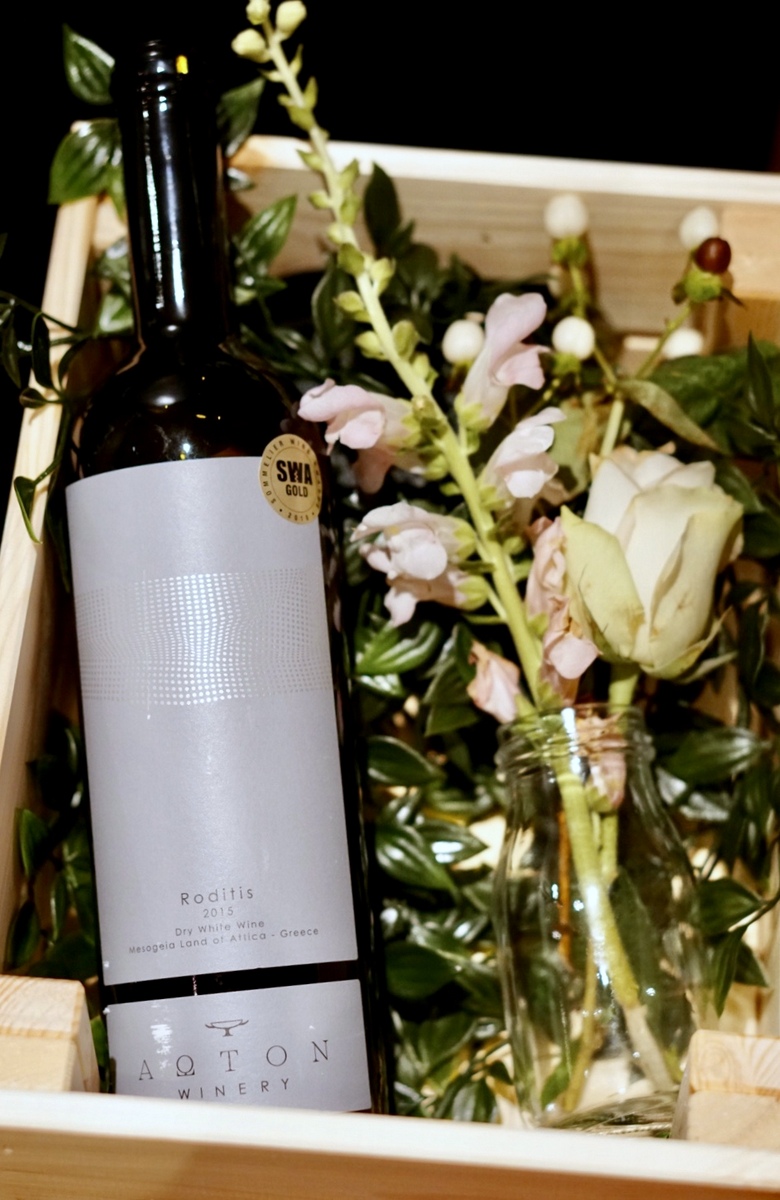
2015 Aoton Roditis PGI Attica, 13.5%

“Attica”
“…a less famous grape variety”
“winner of the Sommelier Wine Awards”


…… what picture do these words draw when they are put together? I have to admit, it took me a long time to put all the pieces of the puzzle together, before I finally got enchanted by the charms of this wine.


Attica
Mesogeia, located in East Attica, Greece, is the place where this wine was made. For some, it is better known as the area surrounding parts of Athens. Compared to wine-producing regions such as Santorini or Crete, this area is on the south edge of continental Greece, where the micro climate for grape growth is definitely different from that on those islands. Thanks to the dry and long summers during the grape growing season, grape varieties that are cultivated in the area have to be resistant to heat and drought. Since 1979, this region has had its own geographical indication of origin, which is recognised as a PGI (Protected Geographical Indication) nowadays. One of the most well-known wines from this area is the famous Retsina, which is frequently regarded as the signature wine of Greece by many.


Roditis
Yes, we just mentioned Retsina. In many occasions the grape variety Roditis is added to Savatiano to produce a blended white wine to make Retsina. Perhaps this is the reason why the name Roditis is less well-known. What is even uncommon to see, is Roditis being used solely to produce a dry white wine. And indeed, the Aoton Roditis 2015 was in fact made in only 3,000 bottles.


Sommelier Wine Award Gold
In 2018, the 2015 Aoton Roditis won a gold prize in the UK-based Sommelier Wine Awards competition. It was described as to have a similar style to Chenin Blanc, in the way that this wine stands out for its full body and rich texture.


In the glass, this wine shows a beautiful, clear, bright and medium-to-deep gold colour, demonstrating its well-developed maturation stage. With a high viscosity, it already starts to indicate an inviting oily-ish texture. By gently swirling the glass, it releases a distinctive spicy aroma, a mixture dominated by cumin and touches of clove and aniseed. Following that, are the gradually opened notes of ripe apple and honey, which also announce the wine as being well-matured. There was clearly no trace of oak barrel. On the palate, the wine is dry, with high <a href="https://oliveology.co.uk/glossary/acidity/" data-tooltip="

Acidity

The acidity value reflects the quality of the oil, the olives it was produced from, and can also give an indication of storage and production methods." class="glossaryLink">acidity, full body and rich texture. There are complex flavours of roasted pineapple, subtle melon and honey, together with the smoky and flinty tastes that developed from the cumin and clove aromas. Without the use of oak barrel, this wine has a citrusy finish.


The wine is ready for drink, or can age for another 2-3 years. It is best served in a globe-shape glass, like the ones you would use for an oaked Burgundy white wine, with a temperature of around 12-13°C. While some sommeliers suggest to have it with a vegetable risotto, this wine can also be an excellent pairing to fresh salmon and sea urchins. If you’d like to eat like a Greek, have the wine with a youthful graviera cheese besides fava dip and red onion; if you are a fan of Japanese food, go bold and try it with sashimi.


Order the 2015 Aoton Roditis here!


by Celine


References:
https:// www.sommelierwineawards.com/winners/winners-2018
https:// aoton.gr

2015 Aoton Roditis PGI Attica, 13.5%

“Attica”
“…a less famous grape variety”
“winner of the Sommelier Wine Awards”


…… what picture do these words draw when they are put together? I have to admit, it took me a long time to put all the pieces of the puzzle together, before I finally got enchanted by the charms of this wine.


Attica
Mesogeia, located in East Attica, Greece, is the place where this wine was made. For some, it is better known as the area surrounding parts of Athens. Compared to wine-producing regions such as Santorini or Crete, this area is on the south edge of continental Greece, where the micro climate for grape growth is definitely different from that on those islands. Thanks to the dry and long summers during the grape growing season, grape varieties that are cultivated in the area have to be resistant to heat and drought. Since 1979, this region has had its own geographical indication of origin, which is recognised as a PGI (Protected Geographical Indication) nowadays. One of the most well-known wines from this area is the famous Retsina, which is frequently regarded as the signature wine of Greece by many.


Roditis
Yes, we just mentioned Retsina. In many occasions the grape variety Roditis is added to Savatiano to produce a blended white wine to make Retsina. Perhaps this is the reason why the name Roditis is less well-known. What is even uncommon to see, is Roditis being used solely to produce a dry white wine. And indeed, the Aoton Roditis 2015 was in fact made in only 3,000 bottles.


Sommelier Wine Award Gold
In 2018, the 2015 Aoton Roditis won a gold prize in the UK-based Sommelier Wine Awards competition. It was described as to have a similar style to Chenin Blanc, in the way that this wine stands out for its full body and rich texture.


In the glass, this wine shows a beautiful, clear, bright and medium-to-deep gold colour, demonstrating its well-developed maturation stage. With a high viscosity, it already starts to indicate an inviting oily-ish texture. By gently swirling the glass, it releases a distinctive spicy aroma, a mixture dominated by cumin and touches of clove and aniseed. Following that, are the gradually opened notes of ripe apple and honey, which also announce the wine as being well-matured. There was clearly no trace of oak barrel. On the palate, the wine is dry, with high acidity, full body and rich texture. There are complex flavours of roasted pineapple, subtle melon and honey, together with the smoky and flinty tastes that developed from the cumin and clove aromas. Without the use of oak barrel, this wine has a citrusy finish.


The wine is ready for drink, or can age for another 2-3 years. It is best served in a globe-shape glass, like the ones you would use for an oaked Burgundy white wine, with a temperature of around 12-13°C. While some sommeliers suggest to have it with a vegetable risotto, this wine can also be an excellent pairing to fresh salmon and sea urchins. If you’d like to eat like a Greek, have the wine with a youthful graviera cheese besides fava dip and red onion; if you are a fan of Japanese food, go bold and try it with sashimi.


Order the 2015 Aoton Roditis here!


by Celine


References:
https:// www.sommelierwineawards.com/winners/winners-2018
https:// aoton.gr


The post 2015 Aoton Roditis PGI Attica, 13.5% appeared first on Oliveology.

2015 Aoton Roditis PGI Attica, 13.5%

“Attica”
“…a less famous grape variety”
“winner of the Sommelier Wine Awards”

…… what picture do these words draw when they are put together? I have to admit, it took me a long time to put all the pieces of the puzzle together, before I finally got enchanted by the charms of this wine.

Attica
Mesogeia, located in East Attica, Greece, is the place where this wine was made. For some, it is better known as the area surrounding parts of Athens. Compared to wine-producing regions such as Santorini or Crete, this area is on the south edge of continental Greece, where the micro climate for grape growth is definitely different from that on those islands. Thanks to the dry and long summers during the grape growing season, grape varieties that are cultivated in the area have to be resistant to heat and drought. Since 1979, this region has had its own geographical indication of origin, which is recognised as a PGI (Protected Geographical Indication) nowadays. One of the most well-known wines from this area is the famous Retsina, which is frequently regarded as the signature wine of Greece by many.

Roditis
Yes, we just mentioned Retsina. In many occasions the grape variety Roditis is added to Savatiano to produce a blended white wine to make Retsina. Perhaps this is the reason why the name Roditis is less well-known. What is even uncommon to see, is Roditis being used solely to produce a dry white wine. And indeed, the Aoton Roditis 2015 was in fact made in only 3,000 bottles.

Sommelier Wine Award Gold
In 2018, the 2015 Aoton Roditis won a gold prize in the UK-based Sommelier Wine Awards competition. It was described as to have a similar style to Chenin Blanc, in the way that this wine stands out for its full body and rich texture.

In the glass, this wine shows a beautiful, clear, bright and medium-to-deep gold colour, demonstrating its well-developed maturation stage. With a high viscosity, it already starts to indicate an inviting oily-ish texture. By gently swirling the glass, it releases a distinctive spicy aroma, a mixture dominated by cumin and touches of clove and aniseed. Following that, are the gradually opened notes of ripe apple and honey, which also announce the wine as being well-matured. There was clearly no trace of oak barrel. On the palate, the wine is dry, with high acidity, full body and rich texture. There are complex flavours of roasted pineapple, subtle melon and honey, together with the smoky and flinty tastes that developed from the cumin and clove aromas. Without the use of oak barrel, this wine has a citrusy finish.

The wine is ready for drink, or can age for another 2-3 years. It is best served in a globe-shape glass, like the ones you would use for an oaked Burgundy white wine, with a temperature of around 12-13°C. While some sommeliers suggest to have it with a vegetable risotto, this wine can also be an excellent pairing to fresh salmon and sea urchins. If you’d like to eat like a Greek, have the wine with a youthful graviera cheese besides fava dip and red onion; if you are a fan of Japanese food, go bold and try it with sashimi.

Order the 2015 Aoton Roditis here!

by Celine

References:
https:// www.sommelierwineawards.com/winners/winners-2018
https:// aoton.gr

The post 2015 Aoton Roditis PGI Attica, 13.5% appeared first on Oliveology.

четверг, 23 января 2020 г.

Galomyzithra & Yoghurt Dip

For those of you who follow this blog, you’ll know by now that we love cooking with vegetables. We love making flavourful soups, colourful dips and, of course, salads. But we often wonder, how can we find a way to incorporate more raw veggies in our daily lives?


The solution is quite simple, it seems: Just accompany them with something exciting. Not that raw vegetables aren’t exciting on their own. But let’s be honest, a dip of sorts will take them to a whole other level.


Last week we made this hearty mixed pulses and roasted red peppers dip. This week we’ve got something simpler, yet equally exciting for you. This recipe uses ingredients that we don’t yet have on the website –but we will soon! So come by our Borough Market shop or visit our Railway Arch at Bermondsey, we have all of these in stock!


So go on, source these simple ingredients, and within minutes you’ll have the most interesting dip to accompany raw vegetables.


Makes one bowl:
200g Greek yoghurt
200g galomyzithra cheese (or other soft white cheese)
50g kefir
salt (to taste)
chilli oil (to serve)


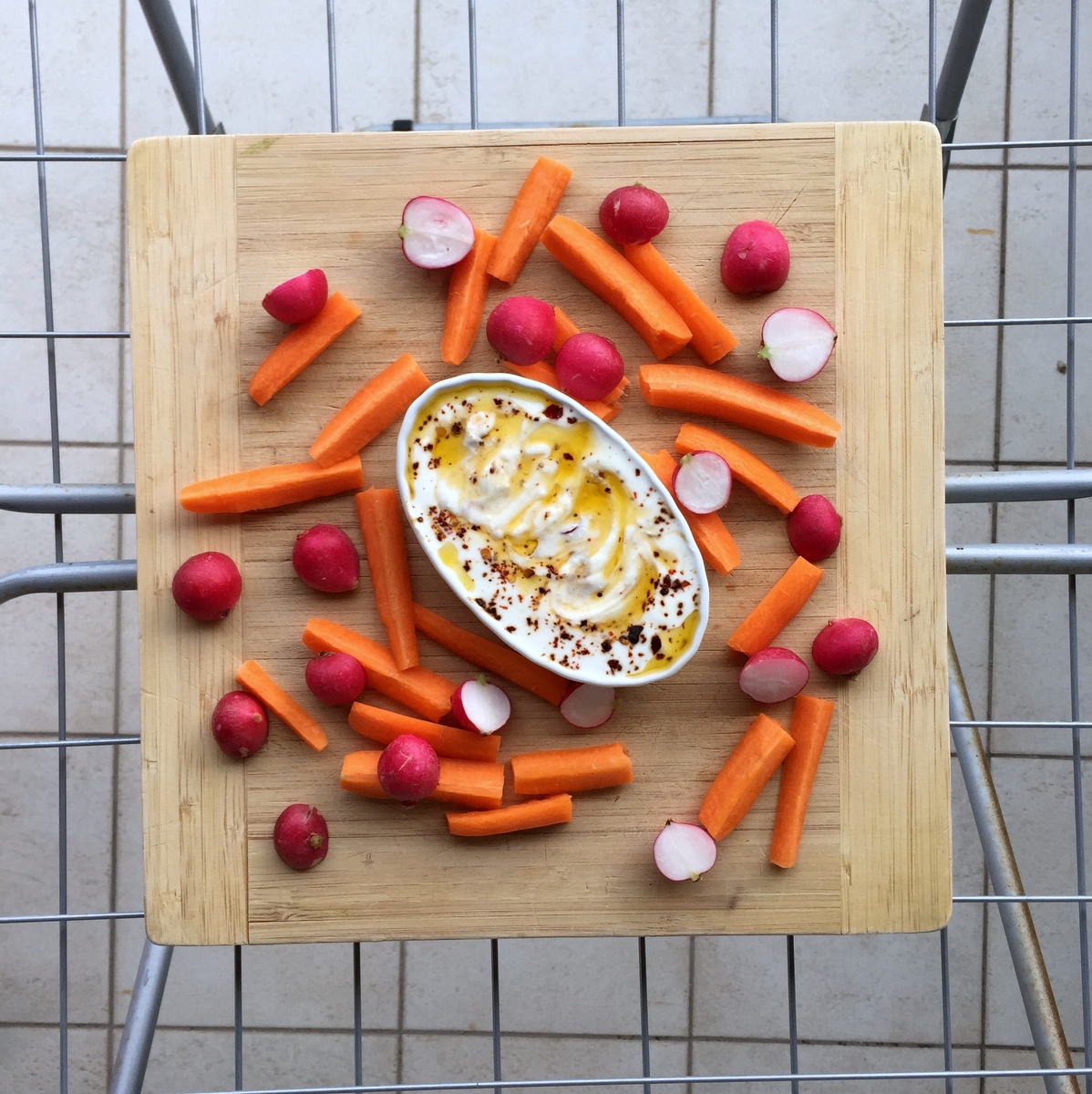
In a bowl mix together the yoghurt, galomyzithra cheese and kefir. Season with salt. Drizzle plenty of chilli oil and serve with colourful raw vegetables.

Galomyzithra & Yoghurt Dip

For those of you who follow this blog, you’ll know by now that we love cooking with vegetables. We love making flavourful soups, colourful dips and, of course, salads. But we often wonder, how can we find a way to incorporate more raw veggies in our daily lives?


The solution is quite simple, it seems: Just accompany them with something exciting. Not that raw vegetables aren’t exciting on their own. But let’s be honest, a dip of sorts will take them to a whole other level.


Last week we made this hearty mixed pulses and roasted red peppers dip. This week we’ve got something simpler, yet equally exciting for you. This recipe uses ingredients that we don’t yet have on the website –but we will soon! So come by our Borough Market shop or visit our Railway Arch at Bermondsey, we have all of these in stock!


So go on, source these simple ingredients, and within minutes you’ll have the most interesting dip to accompany raw vegetables.


Makes one bowl:
200g Greek yoghurt
200g galomyzithra cheese (or other soft white cheese)
50g kefir
salt (to taste)
chilli oil (to serve)


In a bowl mix together the yoghurt, galomyzithra cheese and kefir. Season with salt. Drizzle plenty of chilli oil and serve with colourful raw vegetables.


The post Galomyzithra & Yoghurt Dip appeared first on Oliveology.

Galomyzithra & Yoghurt Dip

For those of you who follow this blog, you’ll know by now that we love cooking with vegetables. We love making flavourful soups, colourful dips and, of course, salads. But we often wonder, how can we find a way to incorporate more raw veggies in our daily lives?

The solution is quite simple, it seems: Just accompany them with something exciting. Not that raw vegetables aren’t exciting on their own. But let’s be honest, a dip of sorts will take them to a whole other level.

Last week we made this hearty mixed pulses and roasted red peppers dip. This week we’ve got something simpler, yet equally exciting for you. This recipe uses ingredients that we don’t yet have on the website –but we will soon! So come by our Borough Market shop or visit our Railway Arch at Bermondsey, we have all of these in stock!

So go on, source these simple ingredients, and within minutes you’ll have the most interesting dip to accompany raw vegetables.

Makes one bowl:
200g Greek yoghurt
200g galomyzithra cheese (or other soft white cheese)
50g kefir
salt (to taste)
chilli oil (to serve)

In a bowl mix together the yoghurt, galomyzithra cheese and kefir. Season with salt. Drizzle plenty of chilli oil and serve with colourful raw vegetables.

The post Galomyzithra & Yoghurt Dip appeared first on Oliveology.

четверг, 12 декабря 2019 г.

The White Swan at Fence, Lancashire

It’s hard to imagine now, but on the run-up to my latest trip to Manchester it was the Bull & Bear I was certain was going to be the weekend’s rip-roaring success of a flagship meal, whereas the White Swan at Fence I was more uncertain about. Michelin stars tend to do strange things to rural gastropubs — prices creep up, service becomes more formal, menus more elaborate and fussy. I’d heard good things, of course — I’m not about to waste good money on a complete gamble — but I’d been trying to keep my expectations in check, and if nothing else the previous day’s Sky-Sports-Sponsored weirdness certainly helped with that.

I needn’t have worried. From the moment we stepped inside this handsome Victorian building, given the warmest of welcomes and shown to our cosy table next to the fireplace, it was clear everything was going to go very well indeed. It’s often a tricky balance to get right, holding on to your soul as a community pub while acknowledging the kind of expectations (and prices) that the Michelin accolades bring, but the team at the Swan have created an atmosphere of easy grace and geniality that feels absolutely right for the occasion, and the kind of food they’re serving.


Food, by the way, that’s amongst the very best I’ve ever eaten in the country. The menu — at lunchtime anyway — is charmingly short, just two choices each for starter, main and dessert, plus the option of a tasting menu featuring presumably slightly smaller portions of all of the above. It’s a mini work of art in itself, with suppliers namechecked, premium ingredients highlighted, and yet accessible — there’s nothing too clever-clever or pretentious. The whole operation, in fact, from the décor to the menu to the Christmas decorations, speaks of a group of people with absolutely exquisite taste.

Bread came out first. Warm crusty buns, with an interesting scone-y texture, with a neat quenelle of room-temperature butter (good) and a portion of chicken liver parfait with shaved foie gras (so, so good). For a kitchen to come up with a parfait this notable and give it away as an unadvertised extra to every table shows both a generosity of spirit and a determination to impress in every given moment.

Then, a pretty stoneware beaker containing a tomato consommé covered with basil foam and topped with a few bits of crunchy pancetta. I had forgotten to advise that one of our party was pescatarian, but a replacement consommé was whipped up in less than a minute (the same, minus the pancetta presumably) which just show you how smooth the front of house are and how efficient the kitchen. It had a good deep tomato flavour, the basil as good a match for it as you would hope, and it all added up to a very pleasant, warming little introduction.

I’d like to tell you about the warm smoked salmon starter — with wasbi buttermilk, apple, yuzu and herring roe — and I’m sure it’s lovely, but nobody on our table wanted to sacrifice their celeriac ‘risotto’ with Perigord truffles, so I’ll have to tell you about that instead. Once it arrived, nobody regretted their decision. Tiny rice-grain sized chunks of celeriac actually make a better base for a risotto than most risotto rice I’ve tried, the parmesan came both as a kind of super-tasty hollandaise and shaved on top, and of course a few huge slices of winter truffle added extra seasonal cheer. Refined without being boring, attractive without being prissy, this was an absolutely great dish.

Fortunately, thanks to the pescatarian, I can tell you about both mains, although having tried the Isle of Gigha halibut with spiced onion fondue, saffron, red prawn and tarragon, I can assure you the fish option was hardly a runner-up. Beautifully cooked, meaty halibut, skin gently bronzed, was topped with a single plump red prawn, sweet and satisfying, and all sat in a frothy sauce that was so superbly balanced between dairy and umami seafood that it drew gasps from all of us, one at a time, as we tried it.

Suckling pig came as a tender medallion of pink loin, and a neat section of belly, a delicate layer of skin crisped up like the finest pastry. With it, silky-smooth blobs of cauliflower purée, roast shallot (or pearl onion, not sure) filled with some kind of light mayonnaise, little sprigs of I think broccoli, look it doesn’t matter, all you need to know is that it was elegantly presented, technically stunning, and tasted so good you never wanted it to end.

By this point, despite the fact our appetites were beginning to fail us (a portion of super-crunchy triple-cooked chips had plugged any gaps left by the starters and mains) we asked if we could cheekily share one cheese course between 3. They obliged, of course, and proceeded to wheel over what is surely the most impressive cheeseboard in the North West of England. All bases were covered, from washed-rind to blue, and though local makers were featured there were a couple from the continent too. In the end we settled on a Langres, a creamy English blue which I’ve forgotten the name of (sorry), and the best cheese in Britain bar none, Martin Gott’s St James. They were, in case you even needed to ask, perfectly kept and the perfect temperature.

Desserts continued the theme of just being blindingly good in every way. A pre-dessert of caramel custard was like eating a melted Mars bar — this is of course a good thing — and Sticky Toffee Pudding came arranged as a kind of festive tart, topped with winter nuts and berries and a very nice ice cream.

Mango soufflé, an impressive enough bit of work by itself having risen beautifully, came with more top ice cream work, this time coconut flavoured, and a generous jug of heavenly white chocolate sauce. Like everything that had come before, it was sophisticated, elegant and a masterclass in technique but also, most importantly, a riot of flavour.

You’ll have probably guessed where I’m going with all this. The White Swan at Fence has, in the dying days of 2019, leapt straight into my own personal top 10 restaurants and may even have nudged the top 5. Everything that’s life-affirming and joyous about eating out has been studied, worked at and executed flawlessly, a perfect dance of harmony between a charming (there’s that word again, but they really are) front of house and a world-class kitchen, everyone seemingly having the time of their lives. It’s deeply infectious, and utterly wonderful.

And so for a restaurant that does everything right, and nothing wrong, it inevitably follows I have to give it my highest mark. For only the second time this year, I’ve been lucky enough to be served a flawless meal by a small, passionate team that love what they do and communicate that love in spades. You’d have to have a heart of stone to not utterly fall for everything about the place, and I just can’t say enough good things about it. But maybe I’d better stop for now, and give you a second to get on the phone and book a table yourself. It’ll be the best decision you’ll ever make.

10/10