Показанные сообщения отсортированы по релевантности запросу "fitness". Сортировать по дате Показать все сообщения

четверг, 8 октября 2020 г.

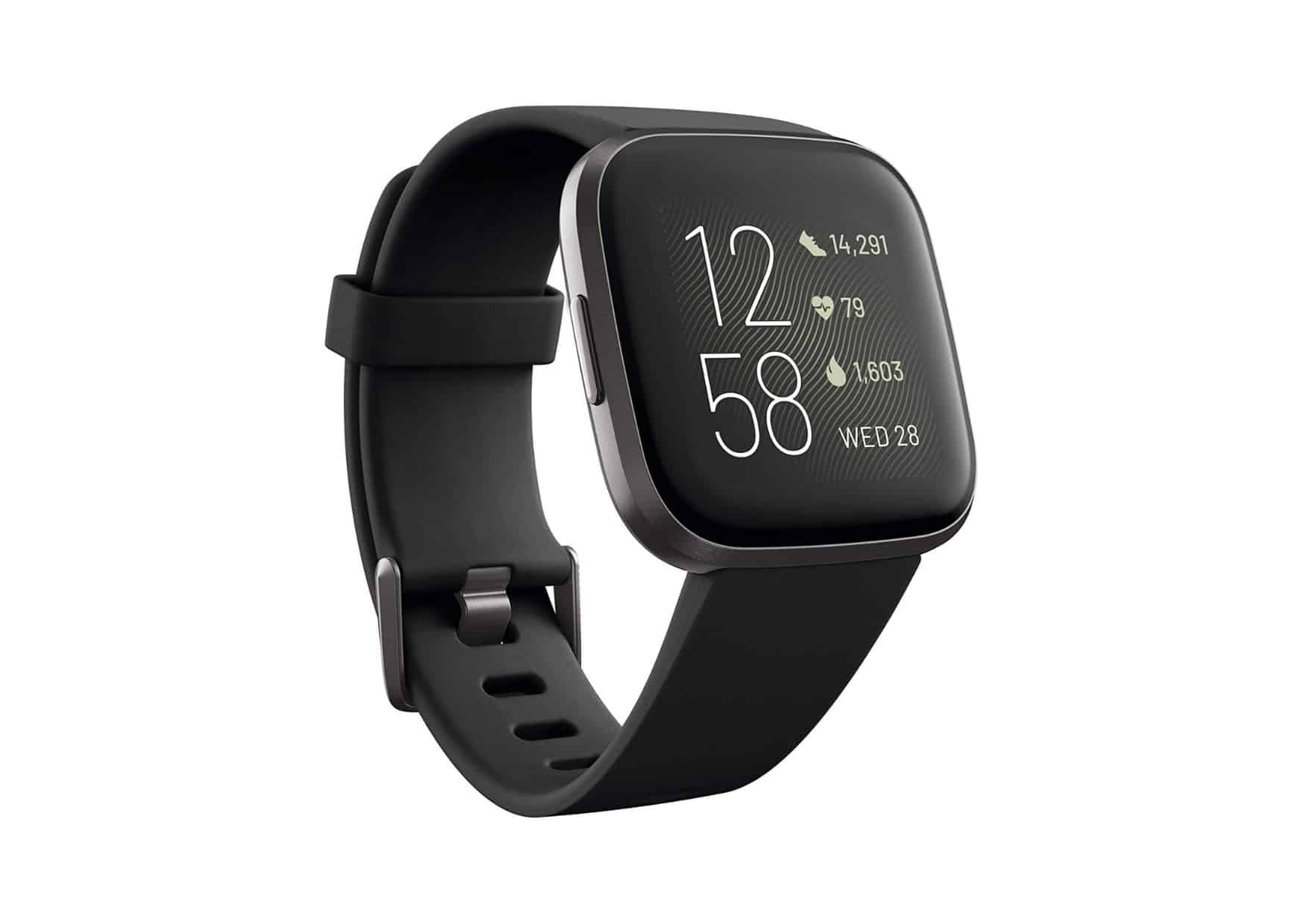
11 Affordable Fitness Trackers Watches To Keep Your Health On Track

For any person who is conscious about their health, it's hard to imagine working towards health goals without a fitness tracker watch or apps these days. They provide good estimates and data that you can use to better improve yourself and help you stay on track with your health goals.

But since when they first came out, many companies have gone out and released their fitness trackers. Today, we'll be taking a look at some of the most affordable fitness tracker watches from various brands.

Choosing a Fitness Tracker Watch

Before diving into the list of best fitness trackers watches, I'll explain the criteria we took into consideration when picking these 11 fitness trackers. These criteria should help you choose the right fitness tracker watch for you.

  • Features – By now, many fitness trackers will count steps, calories, distance, and summarize your activities. However, some will do more like track sleep patterns and have alarm functionality. Others will have less.
  • Waterproof – You might not regularly go swimming, but you still want your fitness trackers to be resilient against rain and water in general. Most of them will be waterproof, but you may find some that don't.
  • Notifications – Many fitness trackers now can connect to your smartphone and send notifications there. Others may have a large enough screen for you to see notifications on the fitness tracker as well. This can be useful if you're the type of person who gets plenty of messages throughout the day.
  • Battery life – Knowing how long these fitness trackers can last is helpful. Furthermore, how long it takes to charge is also worth considering.
  • Is it easy to use? – From the ease of icons to the overall navigation, you don't want a fitness tracker to be cumbersome to navigate.
  • Reasonable price with these features – Affordability is key, of course. You want to compare the price to the number of things you can do and determine whether it's worth it. It's not worth it if the fitness tracker has few features but is asking for over $100.

1. Fitbit Inspire HR
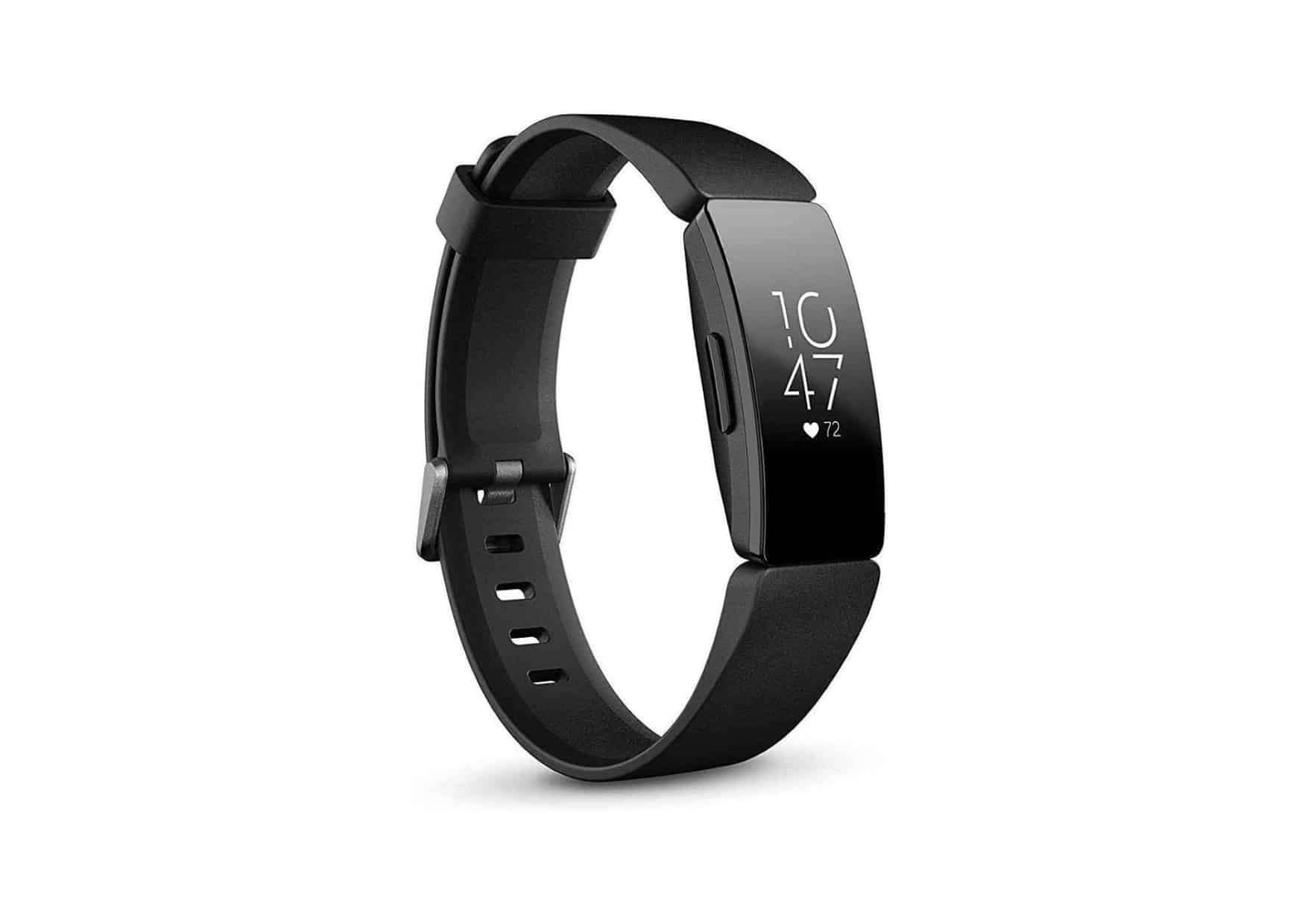
The first on our list is from the brand that started these gadgets in the first place: Fitbit. Fitbit has a wide variety of fitness bands for you to try out and provide a tonne of value for the price they ask.

Their Inspire HR brand provides your basic functions of measuring heart rate during and after workouts, calories burned, steps, distance, and more. It even tracks sleeping patterns. The battery life is about five days, water-resistant to up to 50 meters down, and can withstand temperatures from 14 to 113 degrees Farenheight.

Buy it here.

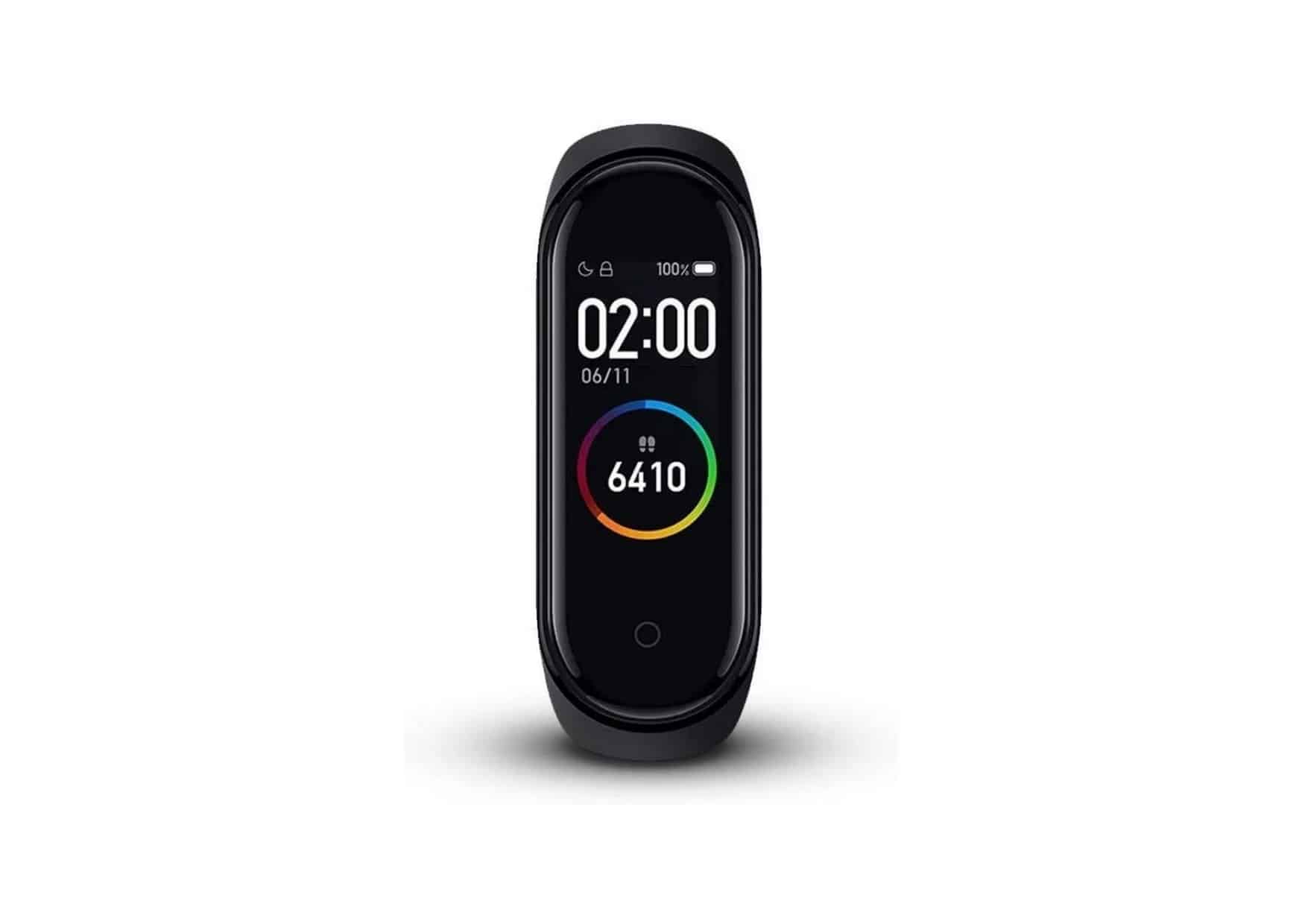
2. Xiaomi Mi Band 4

If you're looking for a much cheaper option, the Xiaomi brand is another brand to look at. This is a Chinese brand that offers a lot of promise. For a fairly low price, you can get a band with a battery life of up to 20 days, health monitoring (heart rate, sleeping), offers exercise modes, and is water-resistant to upwards of 50 meters.

The rub with this product is again this is from a Chinese company and some customers have had complaints about packaging and the product itself being in Chinese. It all comes down to the version that's bought, but there is a simple guide to changing the language based on what band you purchased.

Advertising

Buy it here.

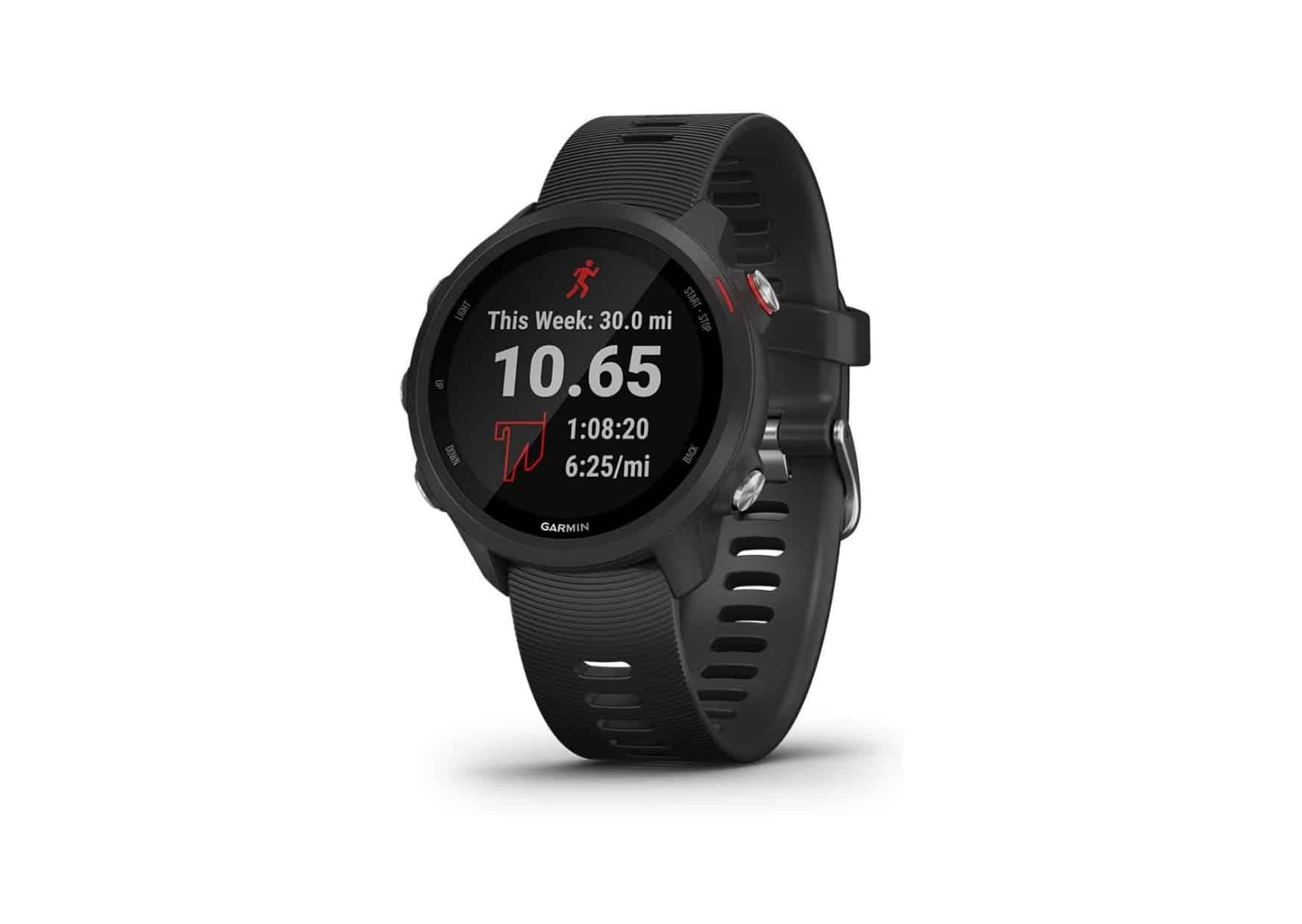
3. Garmin Forerunner

Out of the fitness tracker watches here, this one is specifically built for runners in mind. Garmin is another strong brand that offers stellar value. Because this band is built for a specific group of people, it's best to get this if you are serious about running regularly and in other events.

In terms of features, this fitness tracker offers GPS and music advanced training features, evaluates your pace to see if you are training too much or too little, running dynamics, and more. It has a battery life of up to 7 days too. If you're a runner, this is a great investment.

Buy it here.

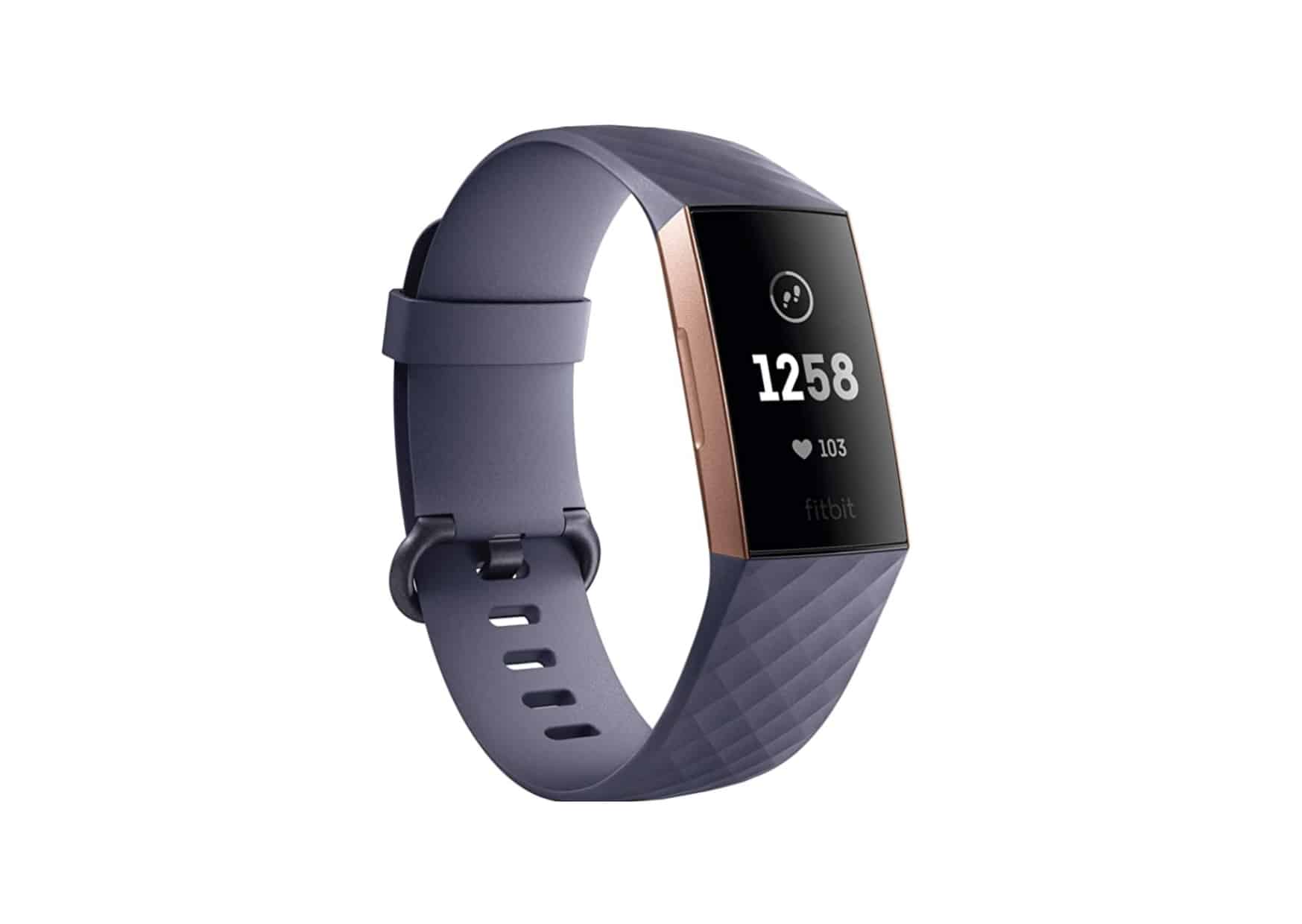
4. Fitbit Charge 3

Another classic Fitbit product is the Charge series. The Charge series does offer more functionality than Inspire, but the difference isn't a lot. The Inspire series lacks notifications and has no way of notifying you. The Charge series offers notifications, connectivity with different apps, such as weather apps, and boost functionality.

Charge also offers different exercising modes and helps you train better with those exercises. If you're looking for more guidance in your health at an affordable price, this is a smart one to go for.

Buy it here.

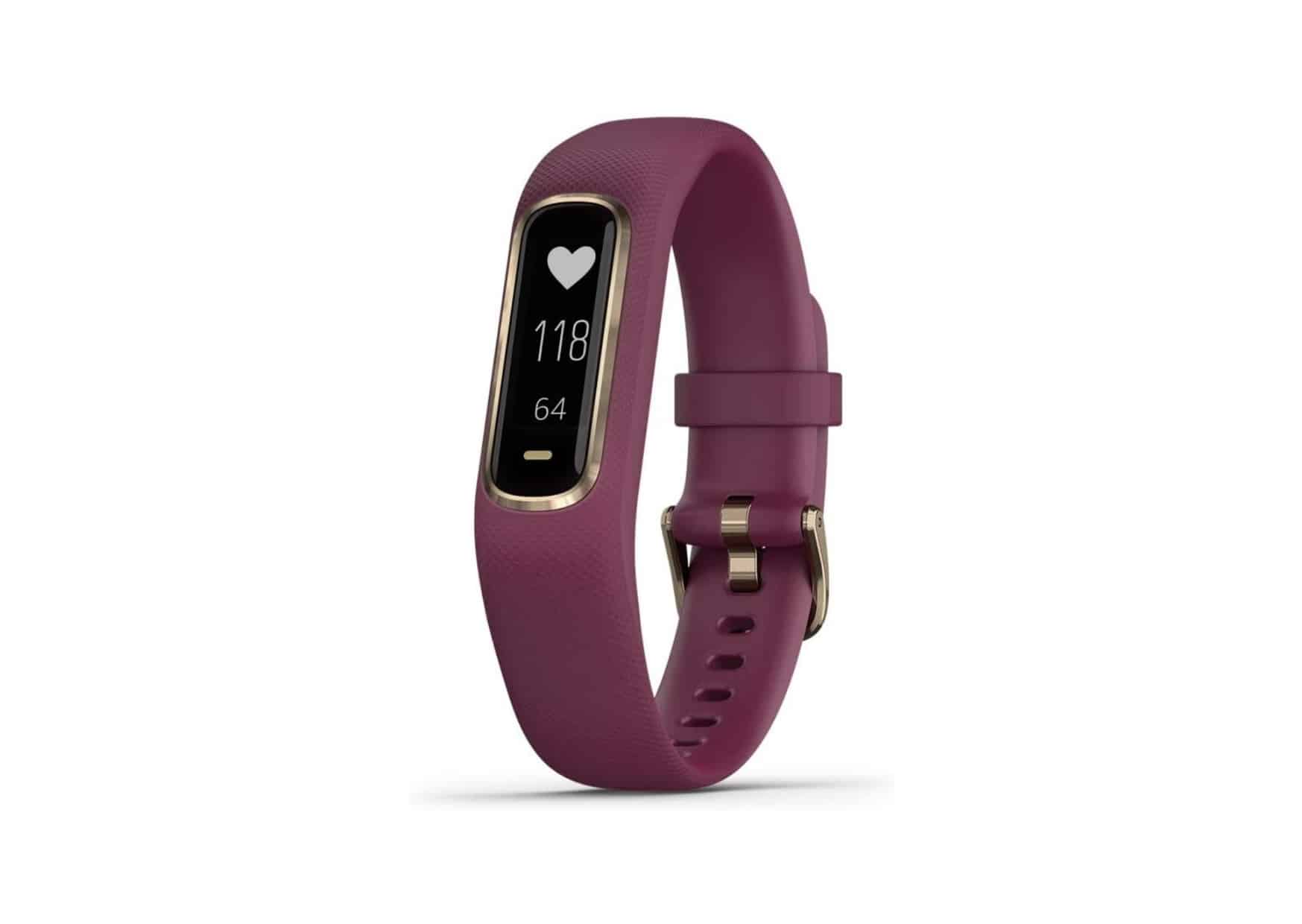
5. Garmin Vivosmart

Advertising

Garmin isn't all about selling fitness trackers to runners. They also have some general use trackers like the Vivosmart series. This slim design of this tracker makes it more fashionable while also offering a bright and easy-to-read display.

It has a battery life of 7 days and offers the same kind of functionalities mentioned including stress tracking, notifications from your phone, and GPS (when connected to your phone).

Buy it here.

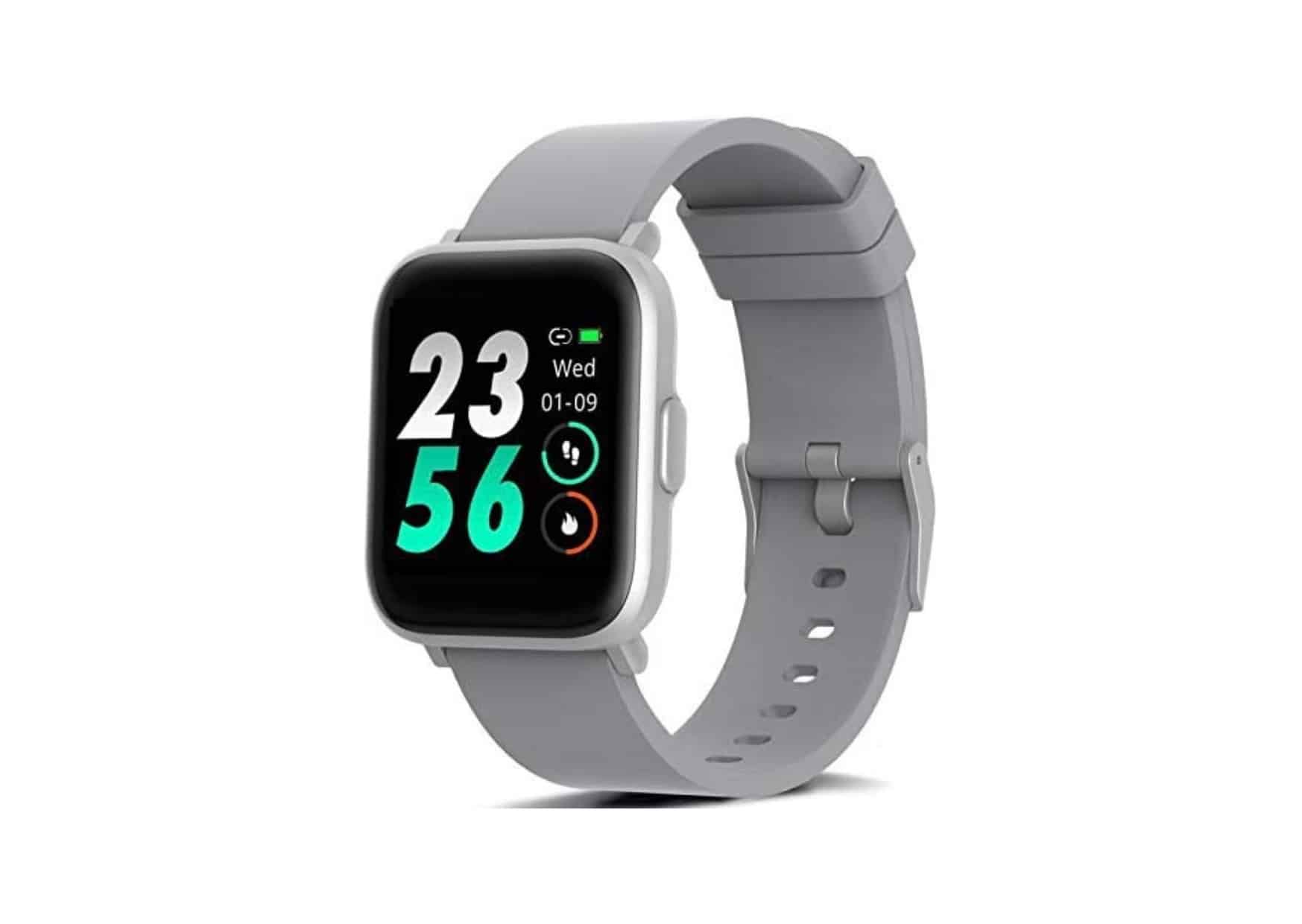
6. MorePro Smart Watch

MorePro is another brand that offers plenty of potential in their product. The MorePro Smart Watch we found, in particular, offers a lot of value at its pricing point. Right out the door, this fitness tracker watch offers 18 Sports Modes and has excellent sleep tracking functionality. On top of that, it offers 24/7 monitoring, plays music, monitors blood oxygen levels, vibrates when receiving notifications, water resistance (up to 50 meters deep), and more.

The other unique thing to note is that the dial of this fitness tracker is customizable, allowing you to display more important information that you can check from a glance.

Buy it here.

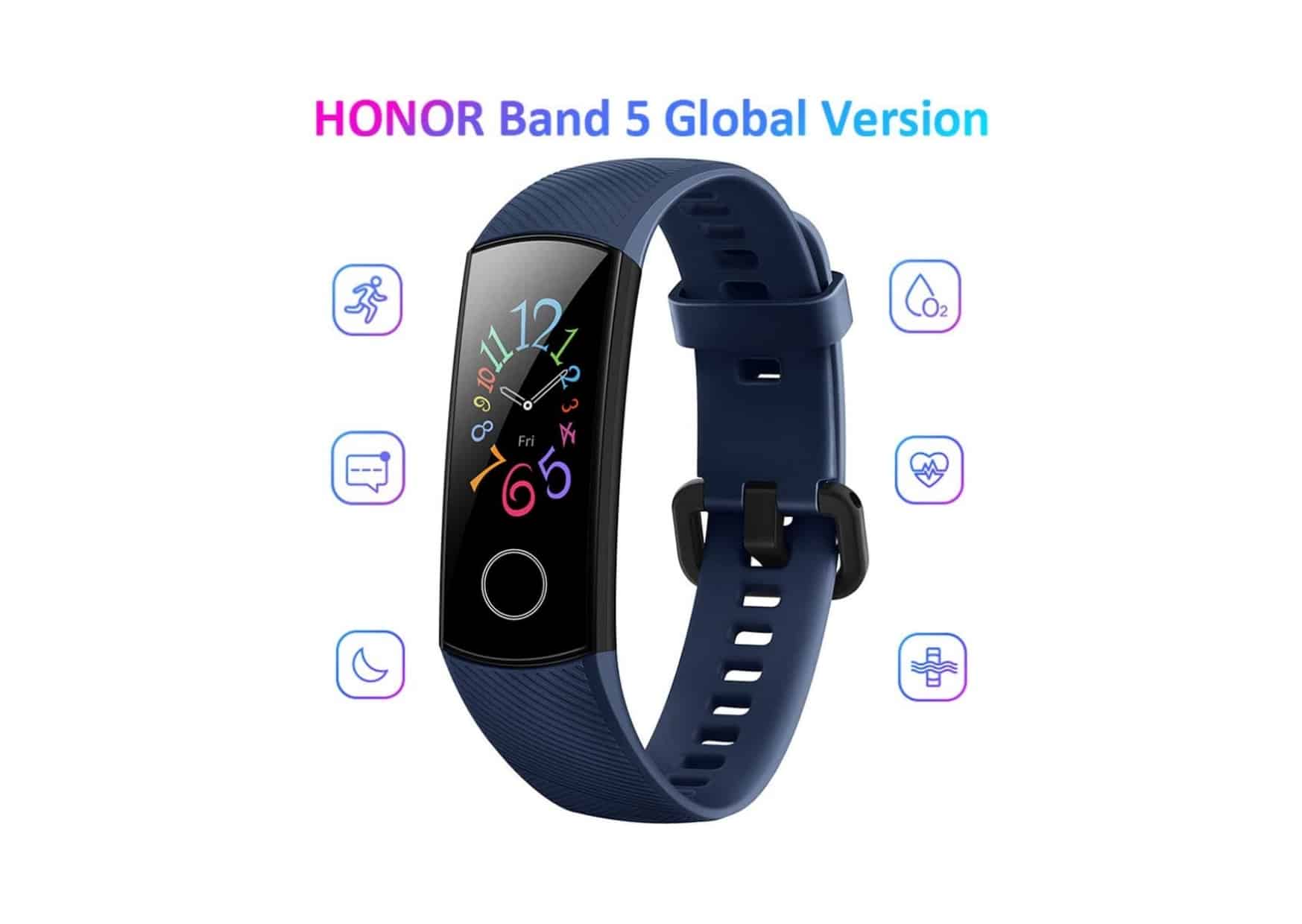
7. Honor Band 5

Honor is a unique brand offering different designs and display choices compared to others on this list. That much is clear when you look at the Honor Band 5, which tries to offer more flare to the numbers displayed.

That's part of the company's charm as when you look at the band itself, it offers more uniqueness to make it worth the price. It offers music, step, sleep, and heart monitoring, water intake, and receives and alerts you of any notifications. But where the band starts to be unique is the different display options of the watch face as well as "running group" functionality.

Advertising

This new feature allows you to create groups that other users can join in on and participate in events, gatherings, and motivate one another. Overall, it's a neat function in theory provided that other people have purchased this brand in your area. 

Buy it here.

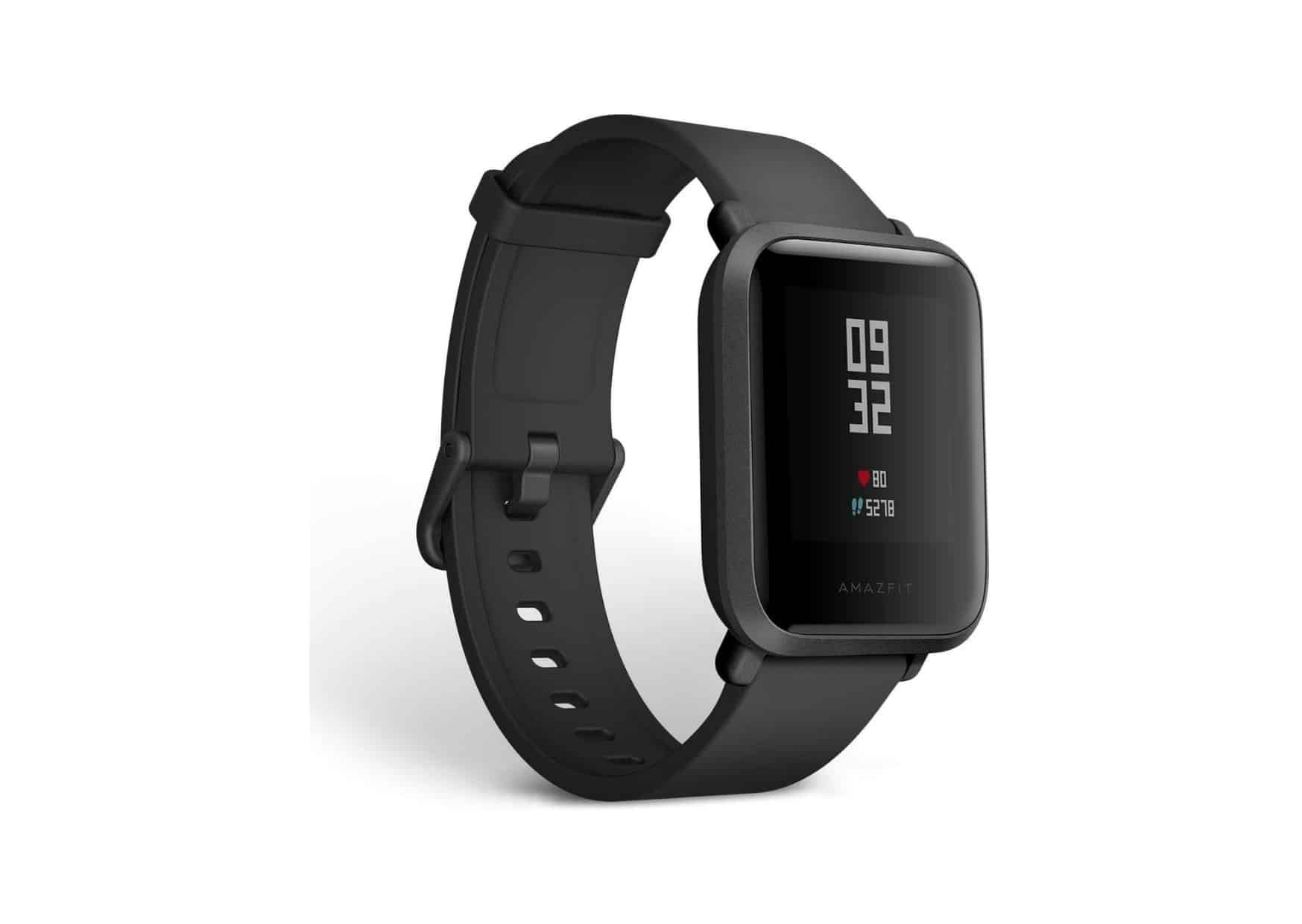
8. Amazfit Smartwatch

If you're looking for a fitness tracker that lasts, the Amazfit brand has you covered. The company boasts a 45-day battery life on a single 2.5-hour charge. Beyond that, you'll find a lot of the same functions on display for this fitness tracker watch. It gives you notifications when receiving calls, texts, or app notifications, and monitors health. It can also track a handful of sports activities, such as running, walking, and cycling.

Buy it here.

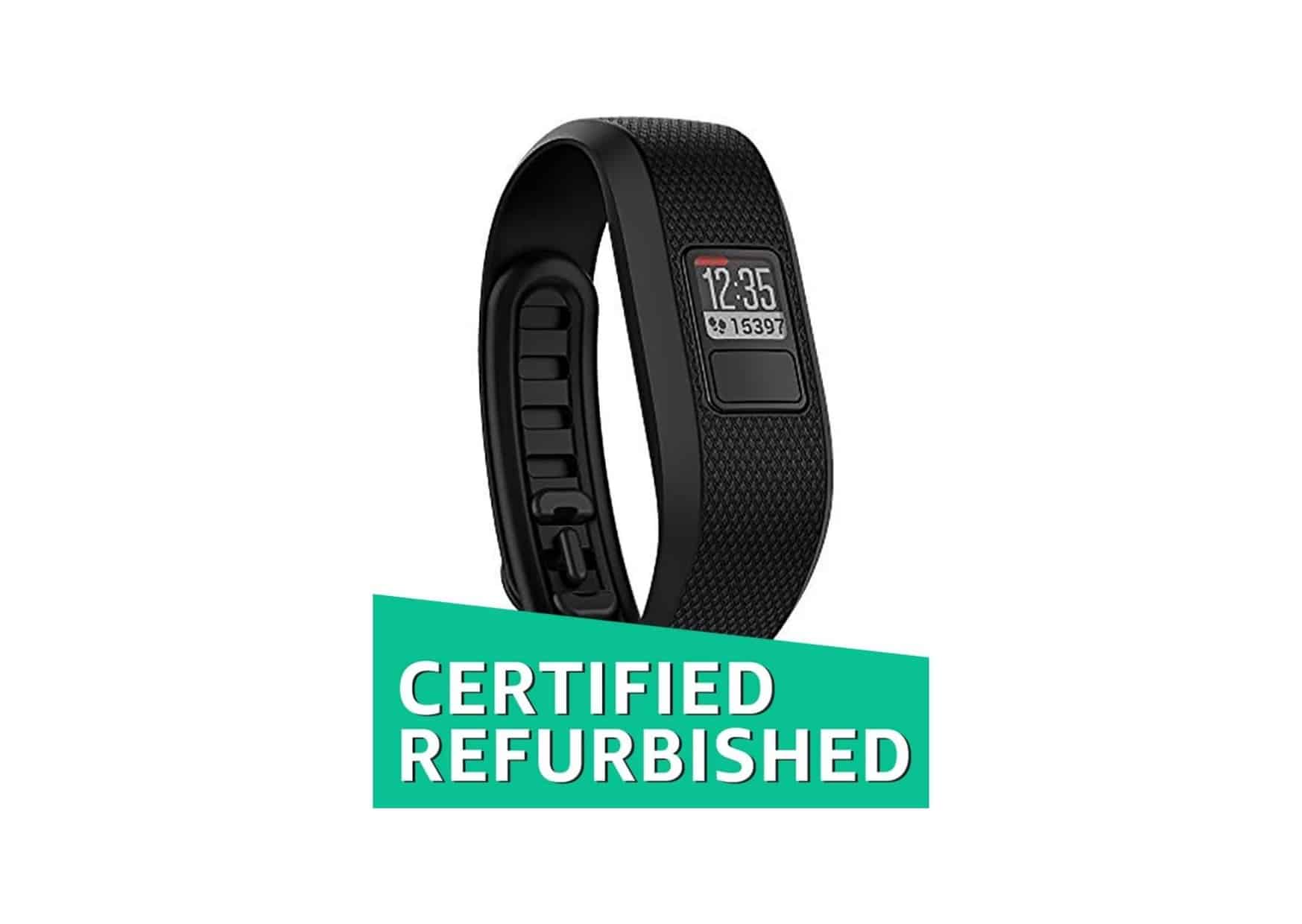
9. Garmin Vivofit 3

Another series from Garmin to consider is Vivofit. Think of it as a slight downgrade from Vivosmart, but it still has plenty to offer. Some of the key factors to note are auto-activity detection, 24/7 wearability, GCM compatibility, and 1-year battery life with no recharging needed.

The other thing to note with this product is this is part of Amazon's Renewed program, meaning the product is enhanced to be higher quality than the original brand and is tested by Amazon.

Buy it here.

10. Fitbit Versa 2

Advertising

The Fitbit Versa brand is a series that follows the traditional smartwatches that we've brought up. Like all other Fitbit bands, this provides the same monitoring functions and app compatibility.

The biggest difference is the larger display. This allows you to have more customization with your Fitbit product since it saves you from shifting between the tracking displays when you compare it to the ones with smaller displays.

Buy it here.

11. Garmin Venu

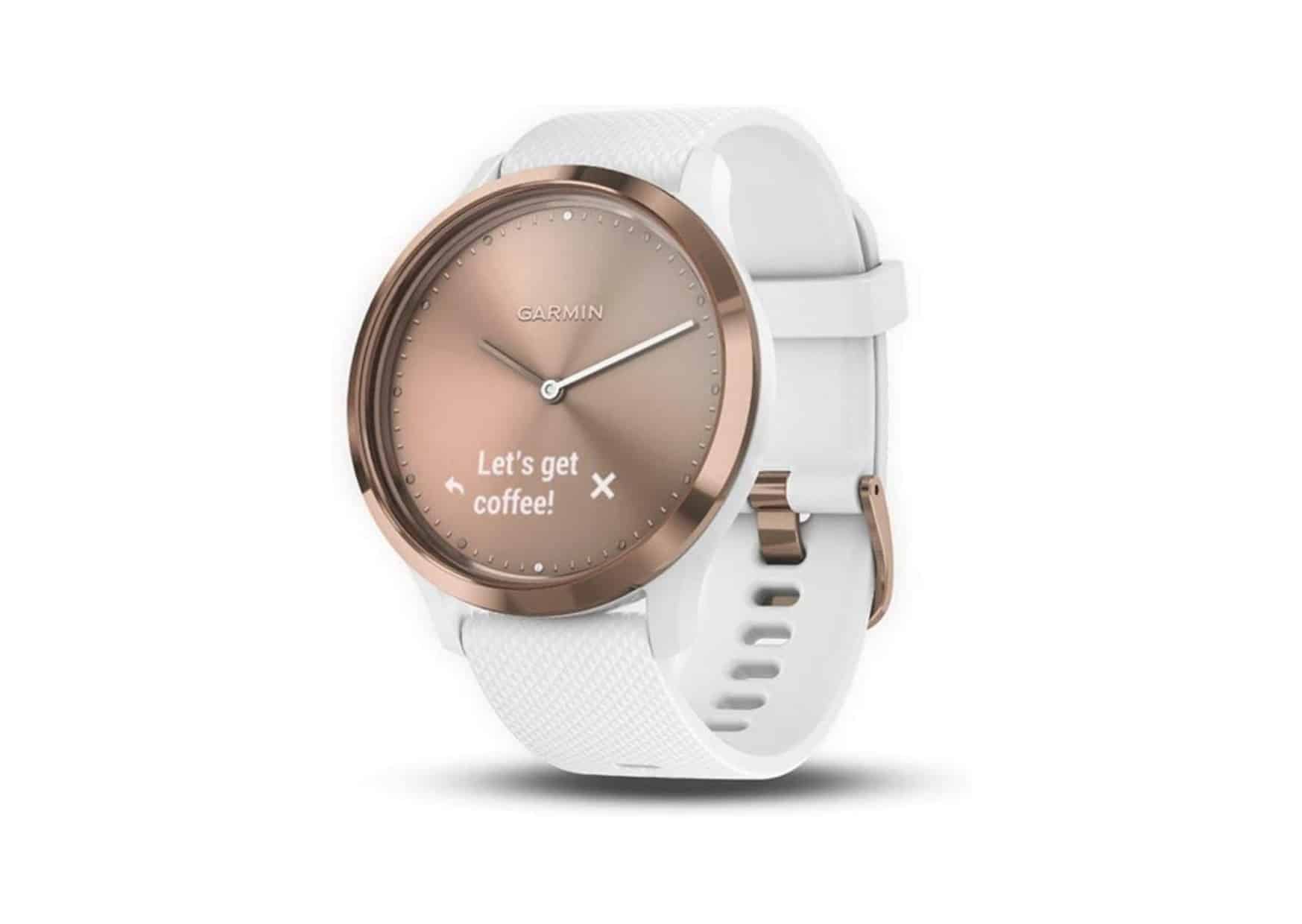
The final fitness tracker to talk about is another Garmin brand, the Vivomove series. Here we start to see Garmin pulling out the stops to display a fitness tracker watch that doesn't look like one. It goes to show these days companies have been able to make fitness trackers look more like your standard watches.

In terms of functionality, you have 24/7 heart monitoring, wellness monitoring tools (stress tracking, relaxation timer, etc.), fitness monitoring, and determining fitness age, among other functionalities. For those who want a fitness tracker that still looks like a typical watch, this is a good option.

Buy it here.

Final Thoughts

Fitness trackers these days have developed a lot. They provide excellent support and provide a lot of information about your health for you to leverage. All the while, they can help support your daily life as well through notifications and help with managing stress, too. For all the things that these fitness tracker watches can do, the prices are quite affordable with these brands.

Featured photo credit: Tim Foster via unsplash.com

Source: lifehack.org

вторник, 3 марта 2020 г.

This New Fitness Studio Promises All The Benefits Of A 90 Minute Workout In Just A Fraction Of The Time

This is a sponsored article on behalf of Urban Fitness.

Is your usual fitness routine feeling a bit lacklustre? Sick of spending huge chunks of your free time pumping iron to achieve the gains you want? Well, here’s a completely new way to work out: one that enables you to get all the benefits of a 90-minute gym session in less than a quarter of the time.

And you’ll get to dress up like a character from a sci-fi film while doing it…

This is Electrical Muscle Stimulation (EMS) training at Urban Fitness. Using electrical impulse technology, EMS training stimulates a variety of muscles at once — including those you might not normally engage — to make your workout way more efficient.

Urban Fitness is Italy’s leading EMS studio. It’s the only one certified by the University of Tor Vergata in Rome and now it’s bringing its expertise to London, with a shiny new flagship studio in Fulham.

Here’s how it works: you book a set of one-on-one sessions with a world-class personal trainer (there’s no joining fee or membership commitments, though the more sessions you commit to, the better the price). Urban Fitness provides you with a training suit and socks at the start of every session, so there’s no need to lug your gym kit around all day.

Once you’re all suited and booted, your trainer will guide you through a 20-minute workout that’s tailored to your fitness goals — routines can be customised for weight-loss, strength training, sport-specific achievement, muscle rehabilitation, or simply to boost general wellbeing.

During your workout, the electrical impulse tech will target 300 muscles simultaneously, and you can expect to burn an impressive 500 calories (that’s 25 calories per minute). EMS training is said to increase muscular strength by up to 30%, as well as reducing cellulite and improving muscle definition.

While getting wired up and exposing your body to mini bursts of electricity might sound a bit daunting, rest assured that it’s completely safe. Urban Fitness stresses that there are several health benefits to EMS training, from improving circulation to diminishing back pain. It’s even said to prevent osteoporosis.

Discover EMS training at Urban Fitness for yourself with a free trial session. Simply click here to book your slot, and be one of the first to check out the slick new studio in Fulham.

Urban Fitness, 270 Fulham Road (Kensington)  SW10 9EW. Open Monday to Friday, 6am-9pm and Saturdays, 8am-4pm. Prices start at £55 per session. Email fulhamroad@urbanfitness.studio or click here to find out more.

To read the article in English. Londonist.com

This New Fitness Studio Promises All The Benefits Of A 90 Minute Workout In Just A Fraction Of The Time

This is a sponsored article on behalf of Urban Fitness.

Is your usual fitness routine feeling a bit lacklustre? Sick of spending huge chunks of your free time pumping iron to achieve the gains you want? Well, here’s a completely new way to work out: one that enables you to get all the benefits of a 90-minute gym session in less than a quarter of the time.

And you’ll get to dress up like a character from a sci-fi film while doing it…

This is Electrical Muscle Stimulation (EMS) training at Urban Fitness. Using electrical impulse technology, EMS training stimulates a variety of muscles at once — including those you might not normally engage — to make your workout way more efficient.

Urban Fitness is Italy’s leading EMS studio. It’s the only one certified by the University of Tor Vergata in Rome and now it’s bringing its expertise to London, with a shiny new flagship studio in Fulham.

Here’s how it works: you book a set of one-on-one sessions with a world-class personal trainer (there’s no joining fee or membership commitments, though the more sessions you commit to, the better the price). Urban Fitness provides you with a training suit and socks at the start of every session, so there’s no need to lug your gym kit around all day.

Once you’re all suited and booted, your trainer will guide you through a 20-minute workout that’s tailored to your fitness goals — routines can be customised for weight-loss, strength training, sport-specific achievement, muscle rehabilitation, or simply to boost general wellbeing.

During your workout, the electrical impulse tech will target 300 muscles simultaneously, and you can expect to burn an impressive 500 calories (that’s 25 calories per minute). EMS training is said to increase muscular strength by up to 30%, as well as reducing cellulite and improving muscle definition.

While getting wired up and exposing your body to mini bursts of electricity might sound a bit daunting, rest assured that it’s completely safe. Urban Fitness stresses that there are several health benefits to EMS training, from improving circulation to diminishing back pain. It’s even said to prevent osteoporosis.

Discover EMS training at Urban Fitness for yourself with a free trial session. Simply click here to book your slot, and be one of the first to check out the slick new studio in Fulham.

Urban Fitness, 270 Fulham Road (Kensington)  SW10 9EW. Open Monday to Friday, 6am-9pm and Saturdays, 8am-4pm. Prices start at £55 per session. Email fulhamroad@urbanfitness.studio or click here to find out more.

To read the article in English. Londonist.com

суббота, 7 ноября 2020 г.

Here are the latest changes to Pokémon Go Eggs examined and explained!

Gotta hatch ’em all!

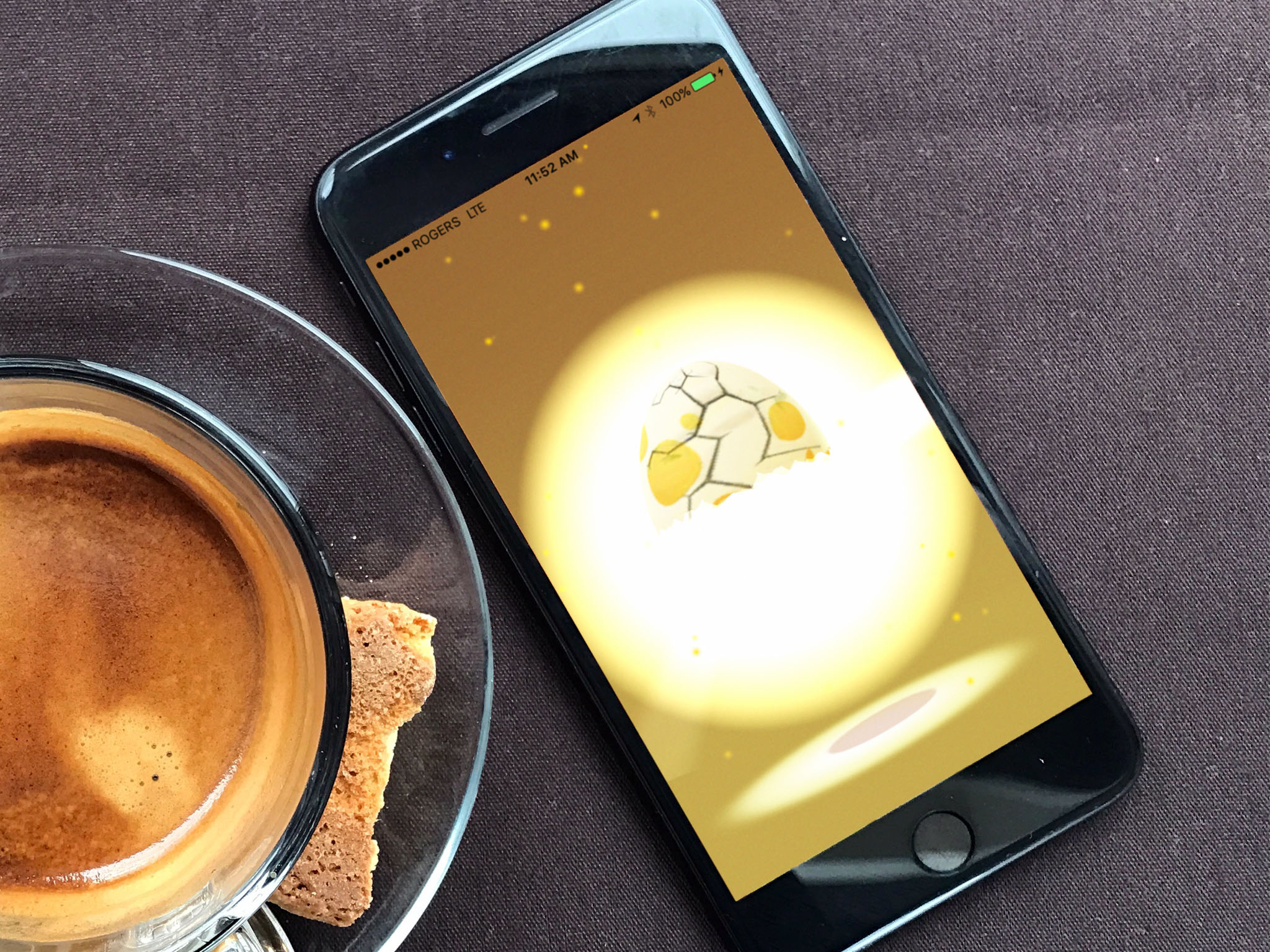
Pokémon Go isn’t just about catching Pokémon — hatching is a big part of the game as well. You get Pokémon Go Eggs from spinning PokéStops, from friend gifts, and, even as a reward for being especially active. Then you incubate them by walking with them for 2 KM, 5 KM, 7 KM, 10 KM, or even 12 KM. Once you’ve walked the specified distance, Pokémon will hatch from those Eggs, but each type of Egg has different Pokémon that can hatch and those possible Pokémon change often. Luckily, we here at iMore know exactly what can hatch from any Pokémon Egg!

What kind of Pokémon Eggs are there in Pokémon Go?

Each type of Pokémon Egg can hatch different kinds of Pokémon and the potential Pokémon change periodically, along with the rates at which they hatch. The Pokémon in an Egg is determined when it is picked up, as well as where it is picked up. If you picked up an Egg a few weeks ago and new Pokémon are added to the pool this week, your Egg won’t have something new in it. Likewise, if you pick up an Egg in the US, it cannot have a Mime Jr. in it since Mime Jr. is exclusive to the UK.

There are seven kinds of Pokémon Eggs in Pokémon Go:

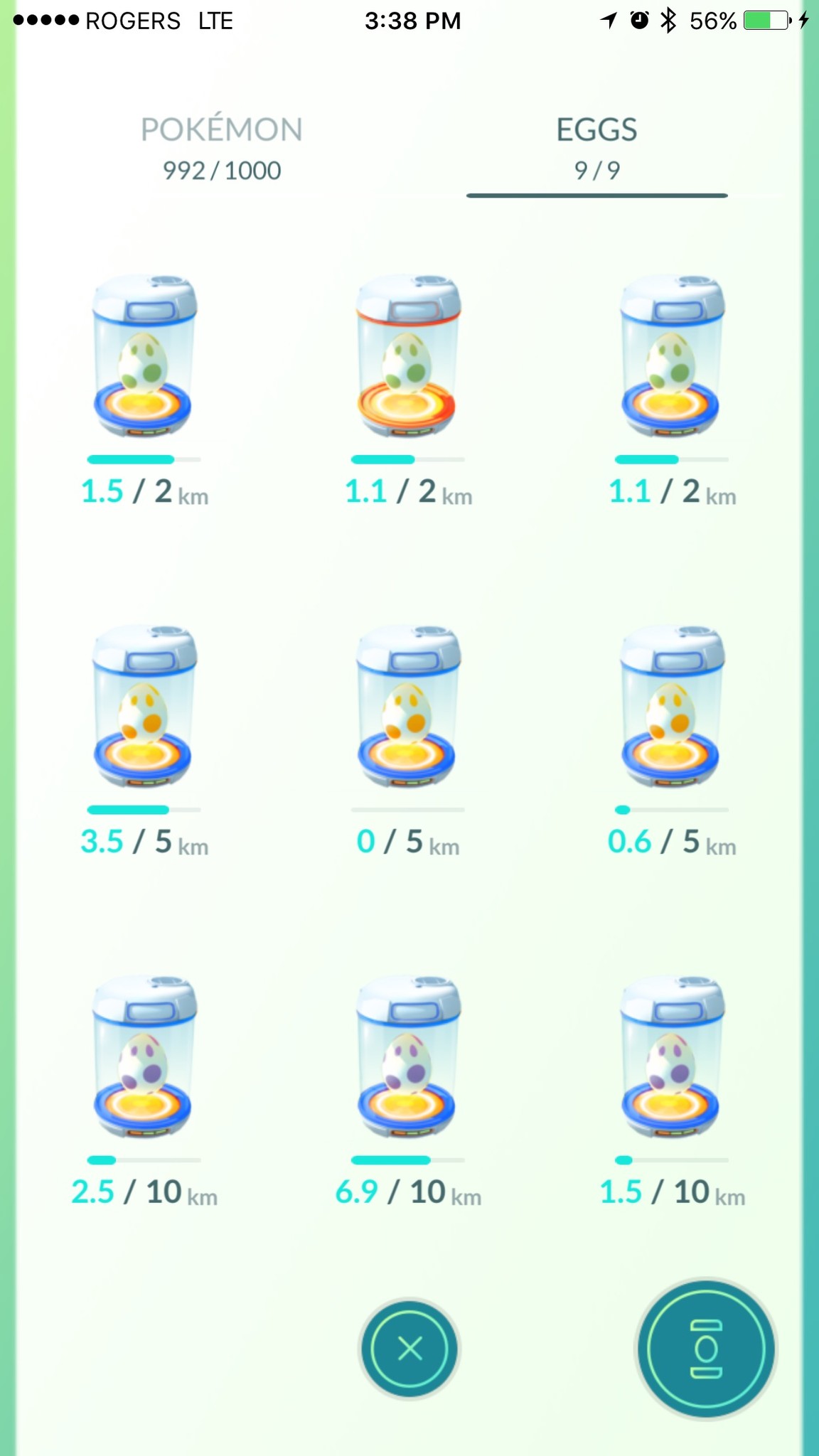
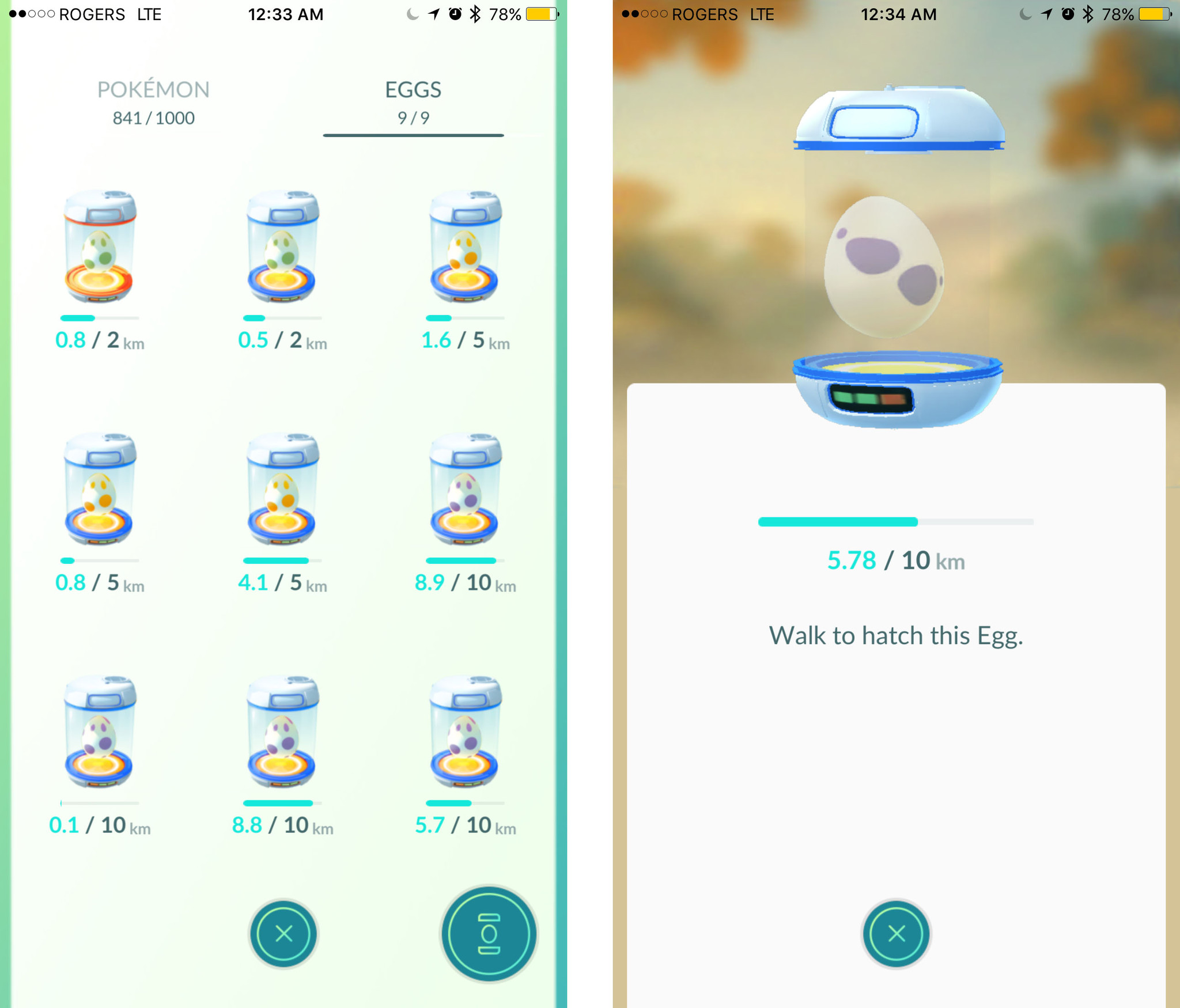
  • 2 KM Eggs with green spots.
  • 5 KM Eggs (standard) with yellow spots.
  • 5 KM Eggs* (Weekly Fitness 25 KM) with purple spots.
  • 7 KM Friend Eggs that are yellow with pink spots
  • 10 KM Eggs (standard) with purple spots.
  • 10 KM Eggs* (Weekly Fitness 50 KM) with purple spots.
  • 12 KM Strange Eggs with red spots

  • Note: Weekly Fitness Reward Eggs are visually identical to the standard 5 KM and 10 KM Eggs received from Pokéstops but have a much smaller pool of potential Pokémon.

Rarity of Eggs in Pokémon Go

While any Pokémon from a specific Egg pool can hatch from that particular Egg, they do not all hatch with the same frequency. Shortly before the release of Gen II, the players over at The Silph Road did an extensive breakdown of the chances that certain Pokémon would hatch, but these days, their community keeps track of all their Eggs and provide a running tally for chances.

What kind of Pokémon hatch from each type of Egg?

As of November 6, 2020, the following Pokemon can be found in each tier of eggs in Pokémon GO:

2 KM Eggs — standard

  • Zubat*
  • Poliwag*
  • Cubone*
  • Magikarp*
  • Mareep*
  • Wooper
  • Snubbull*
  • Wailmer*
  • Swablu*
  • Buizel
  • Bunneary*
  • Snivy
  • Tepig
  • Oshawott
  • Minccino*

2 KM Eggs — region exclusive

  • Volbeat* (Europe, Asia, and Australia)
  • Illumise* (North America, South America, Africa)

5 KM Eggs — standard

5 KM Eggs — region exclusive

Currently, there are several Regional Exclusive Pokémon that can hatch from 5 KM Eggs. These Pokémon can only hatch from Eggs picked up in the part of the world where these Pokémon can be caught.

  • Farfetch’d* (Asia only)
  • Kangaskhan* (Australia)
  • Tauros* (North America)
  • Heracross (South America, Central America, Mexico, and southern Florida and Texas)
  • Corsola (Around the equator)
  • Torkoal (Western/Southeast Asia)
  • Tropius (Africa, Middle East, and the Mediterranean)
  • Relicanth (New Zealand, Fiji, Vanuatu, and New Caledonia)
  • Pachirisu (Canada, Russia, and Alaska)
  • Mime Jr.* (Europe)
  • Chatot (Southern Hemisphere)
  • Carnivine (Southeast US)
  • Pansage (Asia, and the Pacific)
  • Pansear (Europe, the Middle East, Africa, and India)
  • Panpour (Americas and Greenland)
  • Maractus (Southern United States, Mexico, Central America, the Caribbean, and South America only)
  • Bouffalant (New York and the surrounding areas)

7 KM Eggs

Currently, the 7 KM Friend Eggs have been taken over by Adventure Week Pokémon:

10 KM Eggs — standard

10 KM Eggs — regional exclusive

A few Regional Exclusive Pokémon can hatch from 10 KM Eggs. Like other Regional Exclusives, these can only show up in Eggs picked up in the regions where these Pokémon can normally be caught:

  • Sigilyph (Egypt and Greece)

12 KM Strange Eggs

Introduced on October 12, 2020, Strange Eggs can only be earned from defeating Team GO Rocket Leaders. They currently only contain Dark type and Poison type Pokémon, or Pokémon that evolve into one of those types:

Weekly fitness Eggs

If you enable Adventure Sync, every week you can potentially earn two Eggs. These Eggs look like 5 KM and 10 KM Eggs, but the contents are different.

If you log 25 KM with Adventure Sync in a week, your 5 KM Egg can contain:

If you log 50 KM with Adventure Sync in a single week, your 10 KM Egg can contain:

Asterisk indicates a Pokémon with the potential to be shiny.

How do you get a Pokémon Egg?

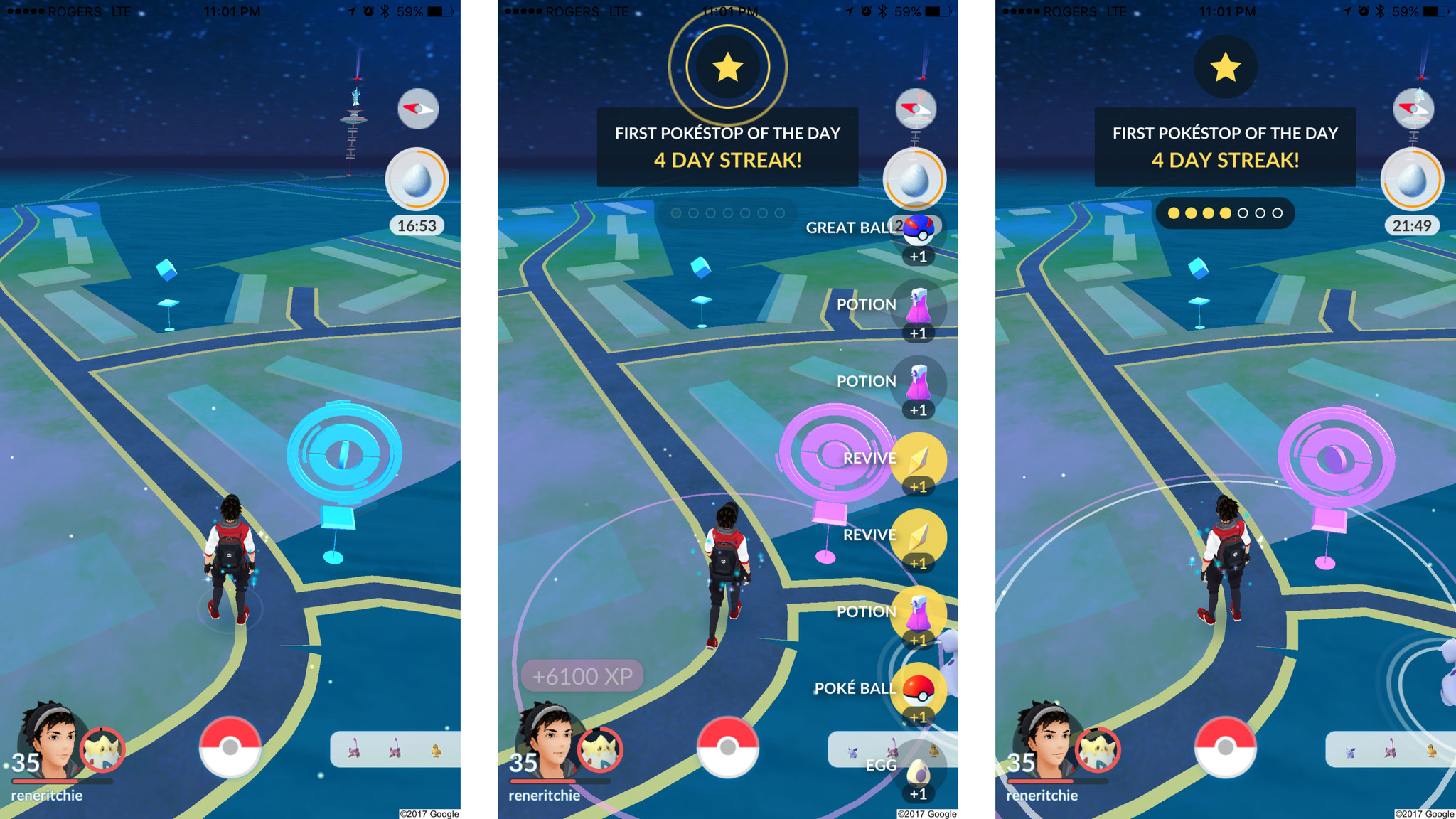
Pokémon Eggs are different than the Lucky Eggs you get when you reach a significant new level or buy at the Shop. You can’t buy Pokémon Eggs at all. You have to collect them at PokéStops, receive them in Gifts from friends, or earn them as rewards for meeting Weekly Fitness goals. Spin a stop when you have space for an egg, and there’s a roughly 20% chance you’ll get a Pokémon Egg along with the more common PokéBalls, potions, and revives.

That doesn’t mean you’ll get one egg every five stops, though. Random is random, which means you could get five eggs in a row or none at all. If you keep visiting and spinning Pokéstops, though, you’ll eventually get Pokémon Eggs.

7 KM eggs are not available at Pokéstops. Instead, you get them by opening Gifts send to you by friends. Be sure to open lots of Gifts if you’re after Pokémon found in 7 KM eggs, though if you’re tired of the same Pokémon over and over, you may want to either hold off on opening Gifts for a while or make sure your Eggs are full before you open them.

As of February 2019, Pokémon Go rewards special 5 KM and 10 KM Eggs for completing Weekly Fitness goals through Adventure Sync. If you walk 25 KM in a single week, you will be rewarded a 5 KM Egg. If you walk 50 KM in a week, you will be rewarded with a 10 KM Egg. Unlike 5 KM and 10 KM Eggs retrieved from Pokéstops, these special Eggs only have six potential Pokémon, each with the same chance of hatching. If you walk 100 KM or more in a week, you will be rewarded with both a special 5 KM egg and a special 10 KM egg.

As of October 12, 2020, Players can now earn 12 KM Strange Eggs. These are rewarded for defeating the Team GO Rocket Leaders and contain only Dark type and Poison type Pokémon, or Pokémon that evolve into one of those types. It is not yet known if these Strange Eggs will eventually include other types.

Where do you see Pokémon Eggs when you get them?

Pokémon Eggs are hidden away, but once you know where they are, you can check on which ones you have, and how many, at any time.

  1. Tap the PokéBall button to bring up the menu.
  2. Tap the Pokémon button.
  3. Swipe from right to left to see your Pokémon Eggs.

You can have up to 9 Pokémon Eggs at any one time, so make sure you have space for Eggs before attempting to get another. This is especially important if you are collecting your Weekly Rewards (If you’ve managed to walk 50 KM in a week, you definitely don’t want to miss out on a potential Egg just because you already had 9 Eggs!)

How can you tell which exact Pokémon is in an Egg?

You can’t. Not until you hatch it. While Pokémon Go determines what you’re getting in an Egg the moment the Egg is granted, until that Egg hatches, there is no way to tell for sure what is inside.

That means it doesn’t matter where you are or what you do after you get an Egg. What’s inside is already decided. It’s also why, when Pokémon Go makes a change to Eggs for an event or any other reason, it won’t affect Eggs you already have, only ones you get from that point on. This is especially important for players trying to hatch Regional Pokémon from Eggs. If you don’t pick up the Egg in the particular region where that Pokémon can be found, it cannot be in the Egg.

Okay, how do you hatch a Pokémon Egg?

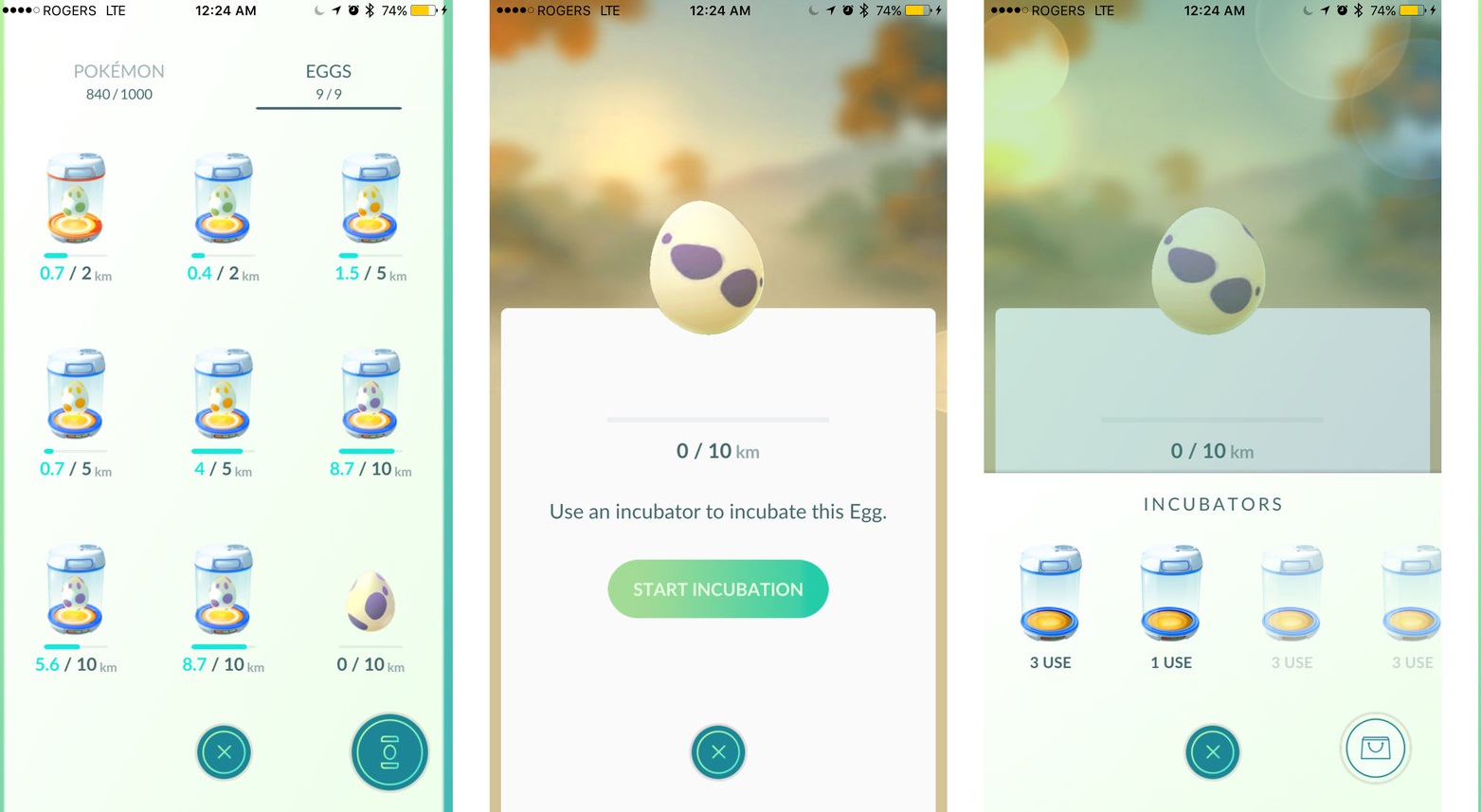
You hatch your Pokémon Eggs by placing them in Incubators and then walking around until you reach the number of kilometers indicated by the Egg.

Everyone gets one free «Infinite» Incubator that lets you incubate a single Pokémon Go at a time. Pokémon Go will also give you free three-use Incubators when you reach level 6, 10, 15, 20, 25, and 30, and four free when you reach level 40. To use them:

  1. Go to your Pokémon Egg screen.
  2. Tap on the Pokémon Egg you want to Incubate.
  3. Tap on Start Incubation.
  4. Tap on the Incubator you want to use.

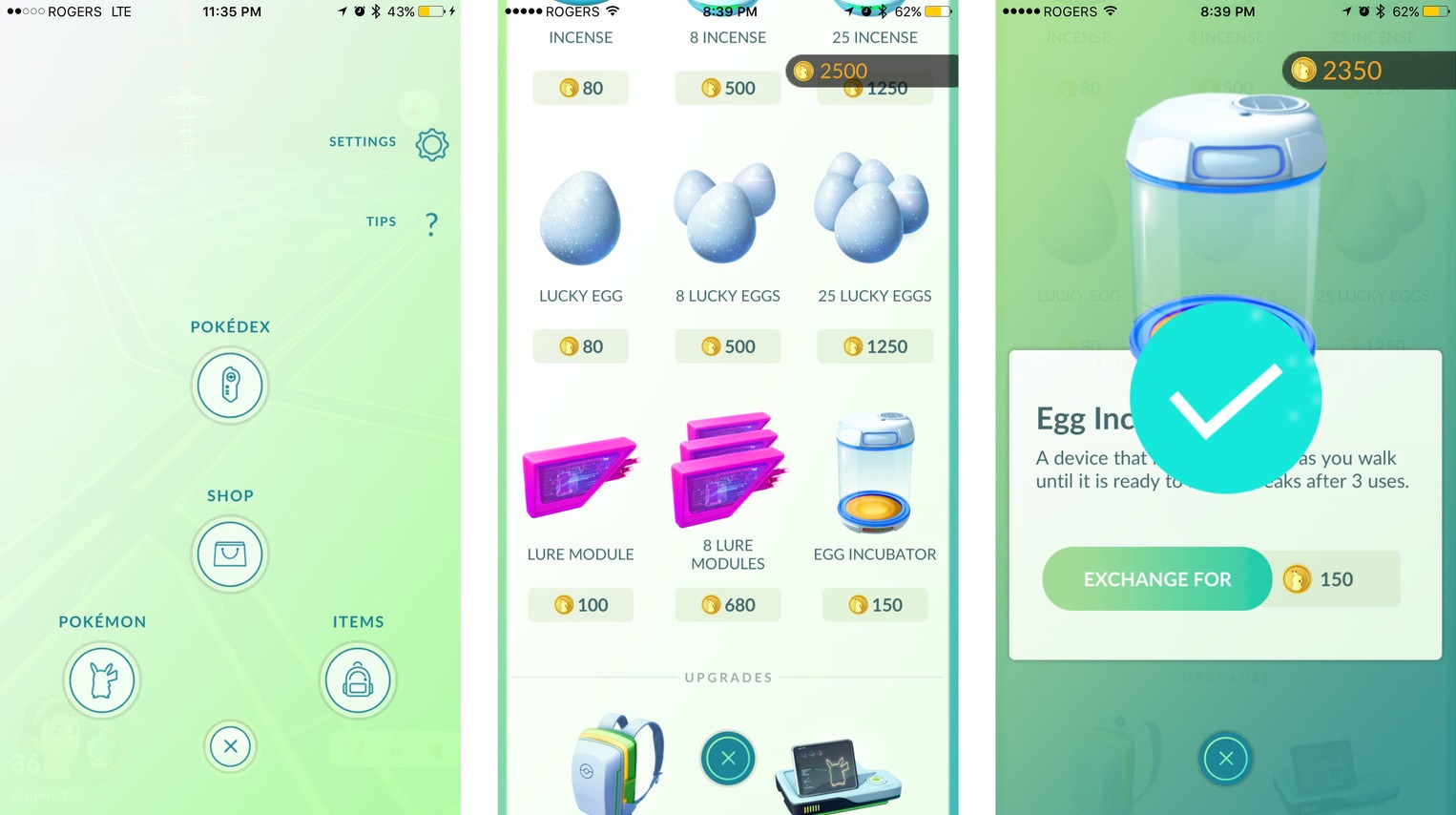
You can also buy additional three-use Incubators, as well as three-use Super Incubators from the Shop. They cost 150 PokéCoins and break after three uses.

  1. Tap the Incubator button at the bottom right.
  2. Tap on the Shopping Bag button at the bottom right.
  3. Tap on the Incubator button.
  4. Tap on the Exchange For (150 coins) button.

You can also buy them from the Store screen if you’re not already on the Egg screen. And you can buy as many as you like simply by tapping the Exchange For button repeatedly. (As long as you have enough Pokécoins.)

  1. Tap the PokéBall button to bring up the menu.
  2. Tap the Shop button.
  3. Tap on the Incubator button.
  4. Tap on the Exchange For (150 coins) button.

There are also Super Incubators available for 200 PokéCoins in the PokéShop with a 1.5x hatch rate, so your eggs will hatch 50% faster. Like the regular Incubator, it comes with three charges.

Both three-use Incubators and Super Incubators often show up in special Boxes for discounted rates. Not every Box is a huge bargain, and your particular needs as a player will determine if a Box is a good buy. If you happen to have the extra Pokécoins to spend, check to see what each Box contains instead of just buying individual Incubators.

Once you have the Pokémon Egg in the Incubator, you need to walk to hatch it. How far you have to walk correlates to the distance of the Egg you have.

  • Green spots are 2 KM Eggs.
  • Yellow spots are 5 KM Eggs.
  • Yellow with pink spots 7 KM Friend Eggs.
  • Purple spots are 10 KM Eggs.
  • Red Spots are 12 KM Strange Eggs.

Some events may reduce the amount of distance you have to walk to hatch an egg. You can view the remaining distance to travel from the Eggs screen. If you notice an event with a shorter distance for egg hatching, be sure to get walking and hatch as many as you can!

Does it matter what type of Incubator you use for every kind of egg?

Any Incubator can be used to hatch any Pokémon Egg. That said, if you want the most from your Incubators:

  1. Put 2 KM eggs in your unlimited use Incubator first.
  2. Put 10 KM eggs in your three-use Incubators first.
  3. If you have Super Incubators, use your 10 KM eggs on those first.

Look at it this way: If you have a 3-use Incubator and you use it for 2 km eggs, it’ll disappear after 6 km. If you use it for 10 km eggs, you’ll get 30 km out of it, or 5x the distance for your money.

Can you see how far you’ve traveled with a Pokémon Go Egg?

Yup! As you walk, the Pokémon Egg screen will update to show you the distance you’ve walked each Egg up to one decimal place. For example, if you walk 1.3 KM, you’ll see 1.3 / 2 KM, 1.3 / 5 KM, or 1.3 / 10 KM.

If you tap on a Pokémon Egg, you can see the distance up to two decimal places.

The distance is updated every few minutes so, don’t worry if you walk for a bit and don’t see any immediate changes.

How fast can you walk to hatch a Pokémon Egg?

It’s currently believed the optimal speed for hatching a Pokémon Go is 10.5 KM/H (6.5 M/H). Go slower, and it’ll just take you longer to hatch. Go faster, and Pokémon Go will discount the distance you’re traveling or, if you go fast enough, ignore it altogether.

If you reach 35 KM/H (22 MP/H), you’ll get the speed-lock popup. At that point, little if any of your distance will be counted.

Do you have to walk, or can you jog, run, cycle, skate, ski… or drive?

You can travel anyway you like, you just can’t exceed 10.5 KM/H if you want all your distance to count, or 35 KM/H if you want anything to count at all.

If you’ve got a great way to go 10.5 KM/H, like on a scooter, skates, or cross-country skis, go for it!

Do you have to travel in a straight line?

Pokémon Go measures distance in a straight line based on the change in GPS position. So, to get maximum distance, you should travel in a straight line too.

It’s believed that Pokémon Go actually records distance more frequently, though. Somewhere between one to four times a minute. So, you could theoretically change direction after a minute or so and still get good results.

Do you have to have Pokémon Go open while you’re traveling?

Not anymore! With the implementation of Adventure Sync, you can now hatch eggs just by having your phone on your person and turned on, without Pokemon Go running. Go into the Settings menu and make sure Adventure Sync is turned on, and your game will track distance and prompt you to hatch eggs when you open the app next.

Do you get anything else from hatching an Egg?

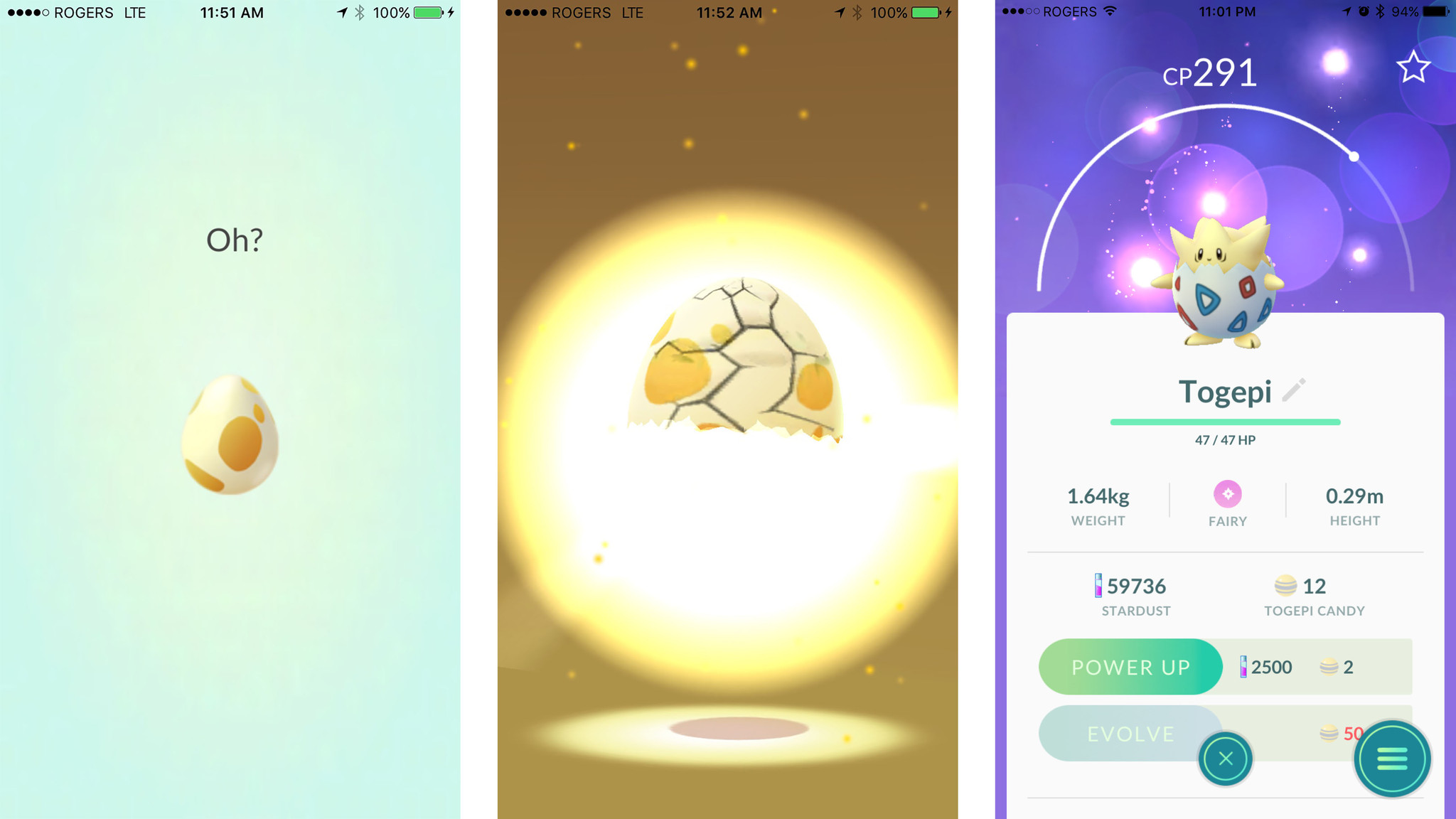
Yes! You also get XP, Candies, and Stardust. XP is always the same; the distance you traveled times 100. So for a 2KM egg, you’ll get 200 XP, a 5KM gives 500 XP, etc. You’ll also receive Stardust (generally more the higher the KM egg it is), and between 5 and 40 Candies of the Pokemon, you hatch at random.

Your Pokémon Go Egg hatching tips?

Do you have any tips or tricks for hatching Eggs in Pokémon Go? Want to show off your latest haul? Drop them into the comments below, and be sure to check out our guide on the Best Portable Battery Packs for iPhone in 2020 so you can keep your phone charged while hatching all these eggs!

Source: imore.com

среда, 8 июля 2020 г.

How to Set Milestones to Progress Towards Your Goal

When you define milestones for yourself, you build a ladder to your goals. The more rungs you add, the easier the climb.

Taking those steps can be challenging. But for those who haven't done it before, the tougher challenge actually comes first: carving out the steps.

What do appropriate milestones look like, and how are they placed? Let's start with a definition.

What Are Milestones?

According to Merriam-Webster, "milestone" has two definitions. The first is literal: a rock used as a milepost. The second, "a significant point in development," is what most people refer to when they talk about making progress toward a goal.

"A significant point" is what you make of it—if you're learning to cook, making eggs over easy without breaking the yolks may be significant to you. If you're a professional chef, making eggs might not even count as a warm-up.

How do you decide what's significant?

By looking at your larger goal.

To the professional chef, the goal might be to master the full English breakfast so it can be added to the menu. The amateur may simply want to cook himself a quick meal before work.

That's what makes setting milestones so tricky—you need to understand your start and endpoints to know which markers to set in the middle. And on top of that, you have to plot them on a timeline, stay motivated, track your progress, and learn from your mistakes.

How to Define Milestones for Yourself

Defining milestones for yourself can be a tall order. Here are ways you can do it.

Advertising

1. Define Your Endpoint

What do you actually want to accomplish? Is it securing a job in your field? Boosting your grade point average above 3.0?

Remember, goals come in many colors. They might be personal, financial, professional, social, emotional, or spiritual. There's no "wrong" goal, just as long as you know your "why" and are committed to it.

2. Start Where You Are

To set milestones, it's not enough to know where you want to end up—just as important is where you're at now.

Looking at yourself objectively is tough. Think about it, and ask others for a gut check. If you're not sure how your basketball skills stack up to people who eventually go pro, ask a trusted coach or teammate for their opinion.

3. Be 'SMART' About it

Once you know where you stand and where you want to be, you're ready to plot some waypoints for yourself. Define milestones just as you do your big-picture goals—with the "SMART" system.

Milestones should be:

Specific

To be meaningful, milestones need to be carved out precisely.

If you're trying to get fit, what does that mean to you? Would you like to lose a certain amount of weight? Build muscle? Overhaul your diet?

All of these might be milestones toward your goal.

Advertising

Again, if you aren't sure, ask a professional. When I decided to get healthy for my kids, I knew I wasn't aiming to be an Olympian. For some "normal dude" coaching, I reached out to a friend at IVRY Fitness.

He helped me truly understand what specifically I needed to be my best self. I always tried to just jump on the Whole30 bandwagon or whatever was the hottest fitness goal at the time. He helped me understand that to achieve sustainability in your goals, they need to be targeted for you.

Measurable

To stay on track in my fitness regimen, my checkpoints had to be measurable. In some cases, this was a simple "yes or no". One of my milestones, for example, was eating a real lunch every day.

In other cases, my milestones were numeric in nature. For the cardiovascular component, I set a daily step goal for myself. To build strength, I needed to gradually increase the amount of weight I was lifting. Making each of these measurable helped me know whether or not I'd met the milestone.

Achievable

Not all measurable and specific milestones make sense. There's no way I was going to bench press 400 pounds the week after I set my health goals, for example. Trying to do too much too quickly would have discouraged me, not to mention the risk of injury.

For each milestone you're considering, ask yourself: Is this a "stretch" milestone, an easy one, or a "goldilocks" one? Again, ask someone who knows you well if you're not sure.

Relevant

Milestones have to make sense in the context of your larger goal to be worth setting. If you can't explain how your milestone actually gets you closer to that goal, set a different one.

Advertising

For example, mental health is an important part of fitness. But because I wasn't depressed, there's no reason I'd define a milestone for myself like "see a counselor once a week."

Time-Bounded

When do you expect to reach your milestone? Is it an hour away? A whole year? Any time horizon is fine, so long as it's factored into the milestone you set. Remember that milestones must be achievable.

4. Take it One at a Time

If setting a dozen milestones at once is too daunting, try setting a new milestone only after achieving the last one. If you're learning to swim, for instance, you might decide which stroke you want to learn next depending on how difficult you found the last one.

Doesn't that make achieving your overall goal more difficult? Not necessarily. You just need to know the general arc. With the swimming example, your plan may be to learn a new stroke every other week. The specific strokes don't matter until it's time to practice them.

5. Write it Down

When you set a milestone, write it down. Not only does doing so help you further define the milestone — remember the SMART system—but it also makes you more likely to achieve it.

Milestones really are goals nestled within larger goals, and research shows writing down goals makes you 42% more likely to reach them.

6. Be Flexible

Try as you might, you won't meet every milestone you set for yourself. Don't punish yourself. Learn from your mistake, and set another—and hopefully more achievable—milestone.

Do you need to scrap other milestones down the road because you failed to meet one? Not necessarily, but you may need to delay them.

If you didn't pass your driver's test, you probably need to push back practicing merging onto the highway. To ace your test, you may need to first reach a new milestone of memorizing road signs.

Advertising

7. Reward Yourself Along the Way

Rewards aren't just for reaching your big-picture goals. Motivate yourself to keep setting milestones by giving yourself small gifts along the way.

Be careful, however, that they aren't too small. Just as you wouldn't give a friend or client a cheap gift, nor should you give yourself one.

John Ruhlin, a gifting expert I know, recommends this rule:)

Give yourself something you'd never normally buy but would love to own.

Obviously, don't go out and buy yourself a new car because you hit your step goal. But a high-end, personalized water bottle might be just the ticket.

8. Give Yourself Breaks

Another way people demotivate themselves is by working themselves into the ground just to reach that next milestone. They beat themselves up, for example, because the nice dinner they enjoyed on vacation blew their calorie budget.

Life is bigger than any one milestone. If you have something to celebrate, indulge a little. If life deals you a setback, realize it may take some time to get back on track. What's important is that you keep a positive attitude.

9. Get an Accountability Partner

If you're struggling to set and stick to your milestones, don't give up; get a partner. Make sure it's someone who will be firm but fair with you, like a family member or a close friend.

Don't insist that the accountability partner progress through your milestones with you. Everyone has their own goals to achieve. Do, however, ask him or her to hold you accountable. Suggest some light consequences in case you aren't progressing toward your goal like you'd hoped.

Even if you can't get an accountability partner, you can use one of your calendar apps to set daily goals that reminds you of each goal. At the end of the week, go through your calendar and track which goals you accomplished.

Final Thoughts

Some people already find goal setting difficult, so what more if they have to set milestones? To define milestones also means to progress toward your larger goals. Defining milestones on your own may not be easy at first, but you can start with these 9 tips until you get used to it.

More Tips on Setting and Achieving Milestones

Featured photo credit: Ante Hamersmit via unsplash.com

Source: lifehack.org

пятница, 4 сентября 2020 г.

Timebirds Purpose Built Workout Timer

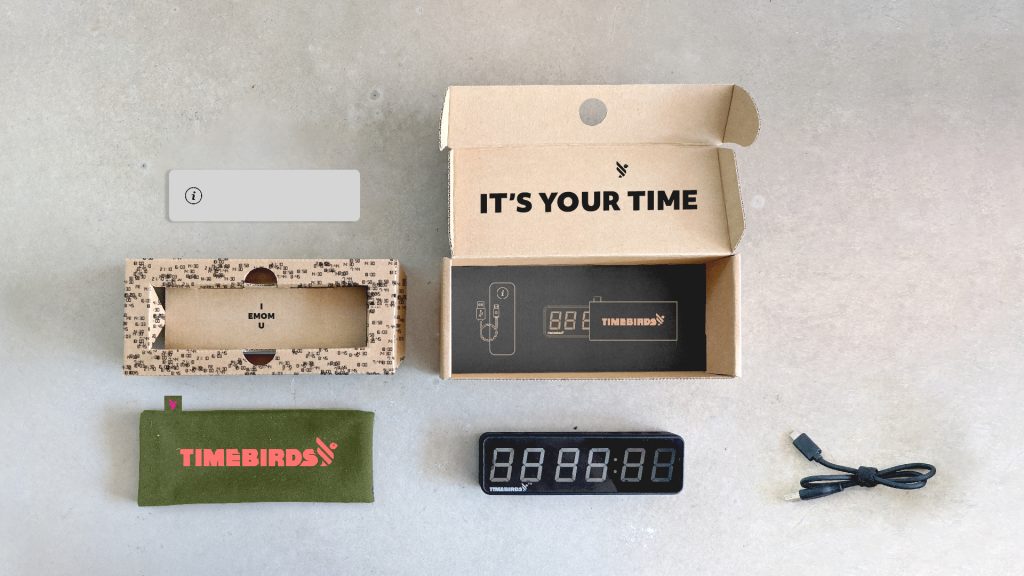
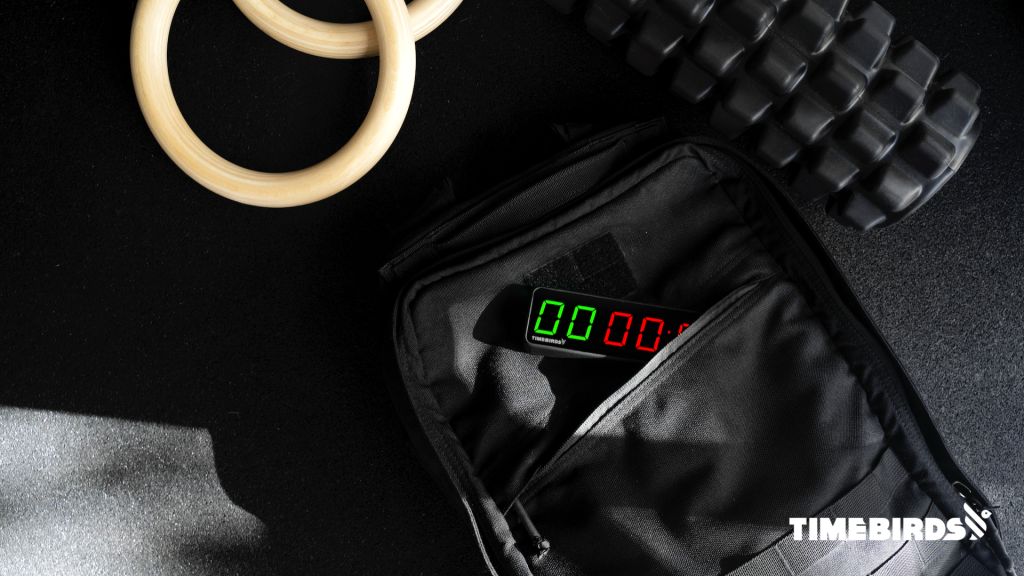
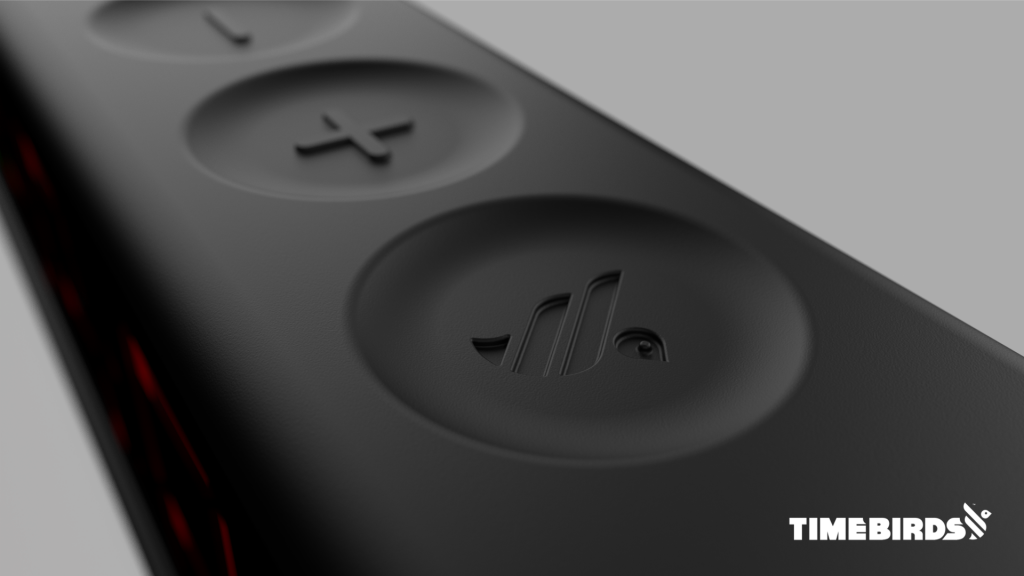
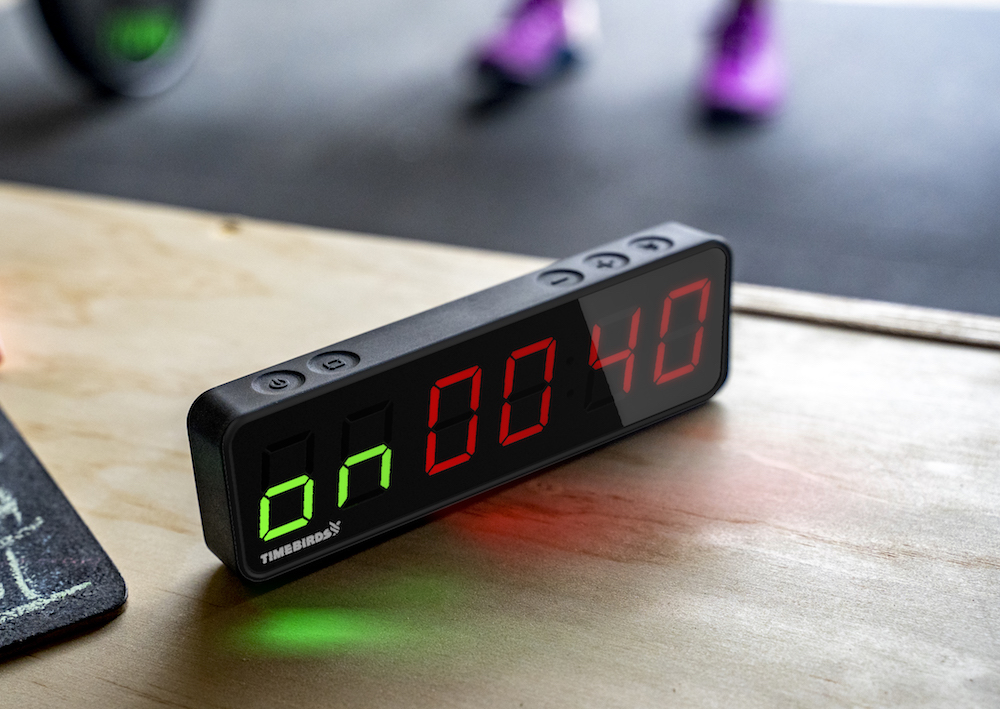
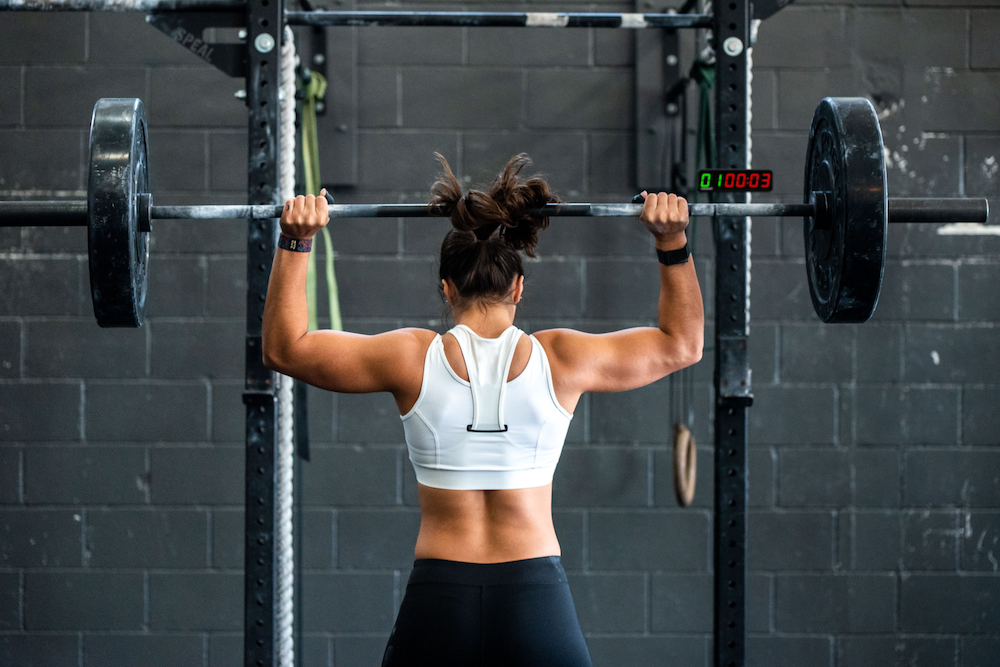
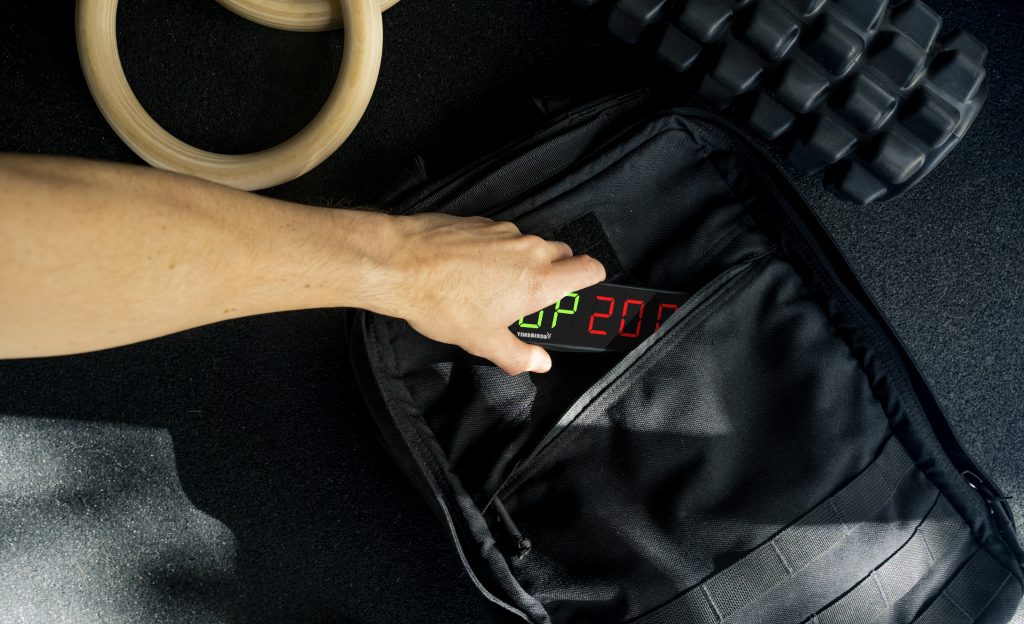
Routine and timings are a crucial part of any man’s workout routine and with this Timebirds Purpose Built Workout Timer on Kickstarter, you’ll have unprecedented control of the process. This is a wall-mounted gym timer that will effortlessly fit in your pocket and it has been purpose-built to be portable, visible and robust enough to withstand even the most vigorous of workout routines.

The Timebirds Purpose Built Workout Timer on Kickstarter has a great introductory price of just $79 during the crowdfunding campaign so move quickly if you want to bag yourself a fitness bargain. Designed to suit the needs of all types of athlete, this timer has been battle tested and approved by top athletes, gyms, trainers, and servicemen and women so you know it’s going to be the ideal addition to any fitness regimen.

Suitable For All Fitness Levels

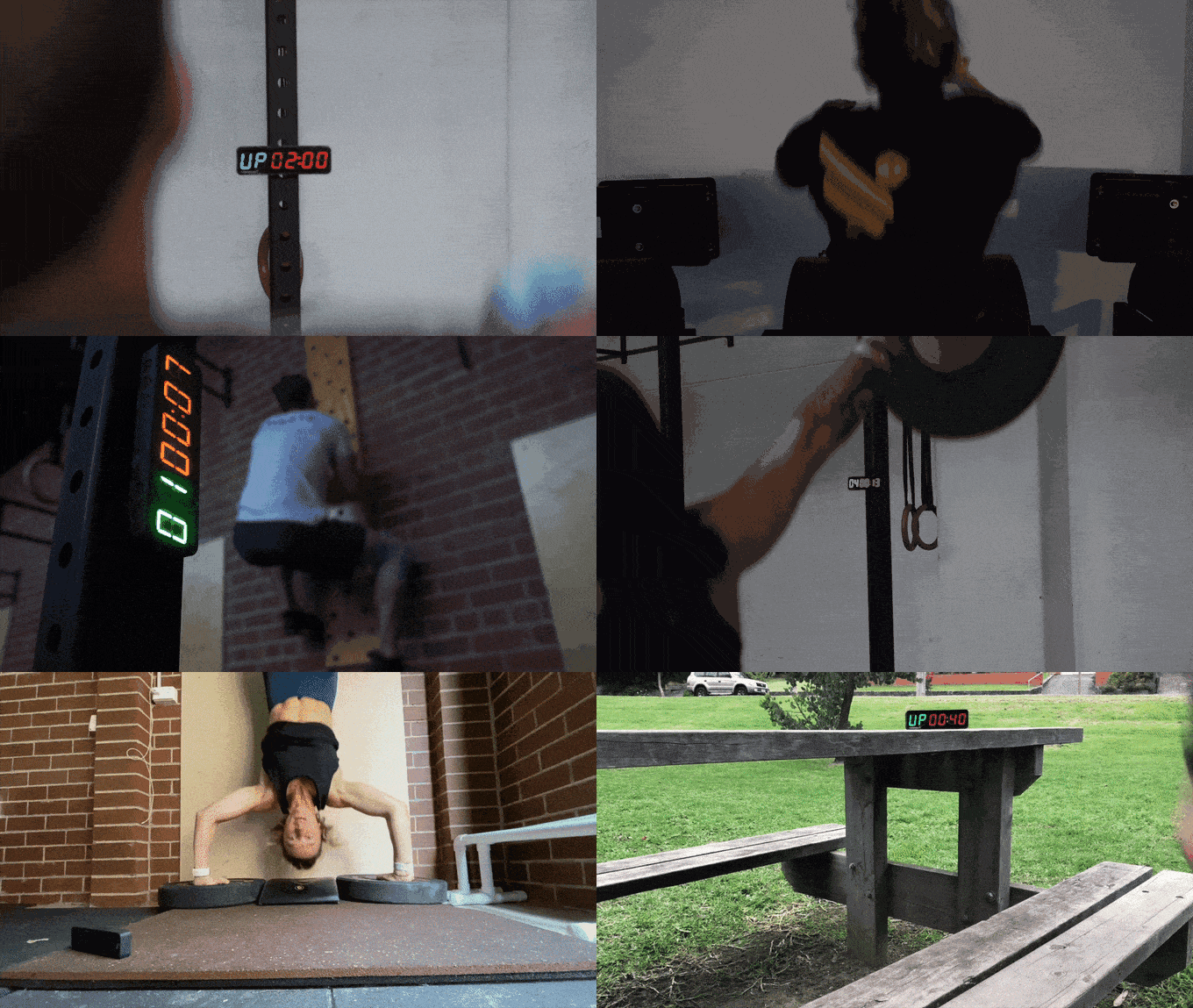
Timebirds have built this timer for you to specifically get the most out of every workout and its robust, no-nonsense design makes it perfect for every workout environment. In most forms of training, you want a constantly visible time-source, which will keep you accountable and ensure you get the most out of each and every workout.

While there are many timing solutions available on the market, none are versatile enough to be clearly seen and heard in multiple situations, while also providing the confidence that they will survive the bumps and scrapes inevitable in most workout environments. The Timebirds Purpose Built Workout Timer (from $79) is small enough to fit in your pocket but large enough to see during a workout.

Timebirds’ long-life battery and fast charging mean your workout is not limited by power point access and you really can take it wherever you go. Timebirds have a consolidated circuit board that is fixed straight on to the housing and strengthened further by inner ribs. This means there are no loose components and the thick, scratch-resistant, polycarbonate lens snaps directly into the housing, which removes pressure points. It's all encased in a high quality, non-slip, rubber skin that will not come off or crack over time, even in sweaty gym bags.

Highly Legible

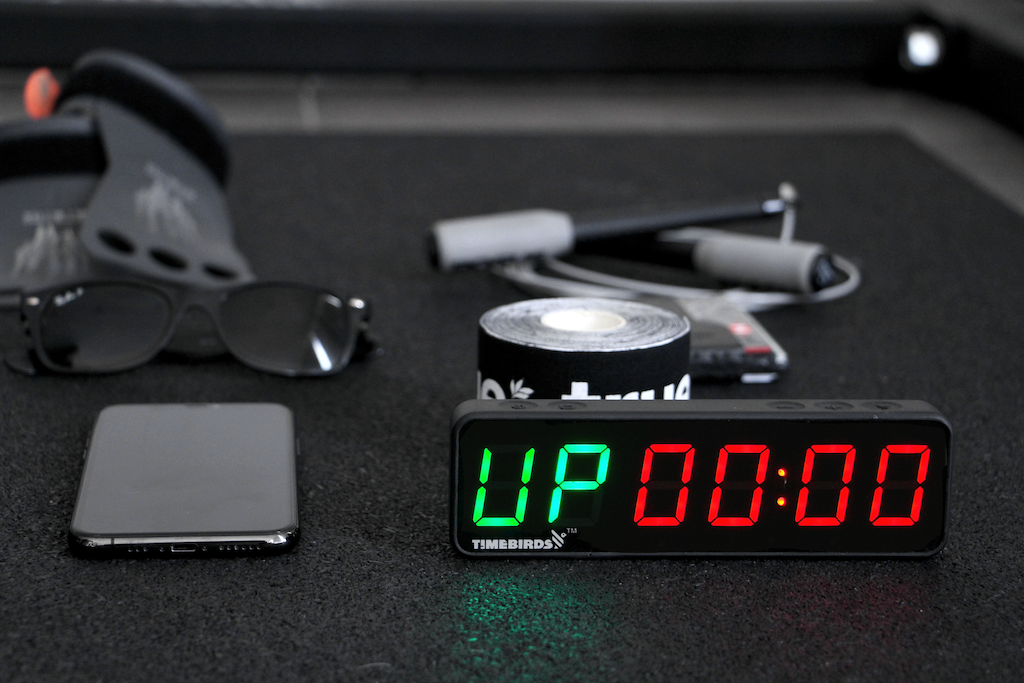
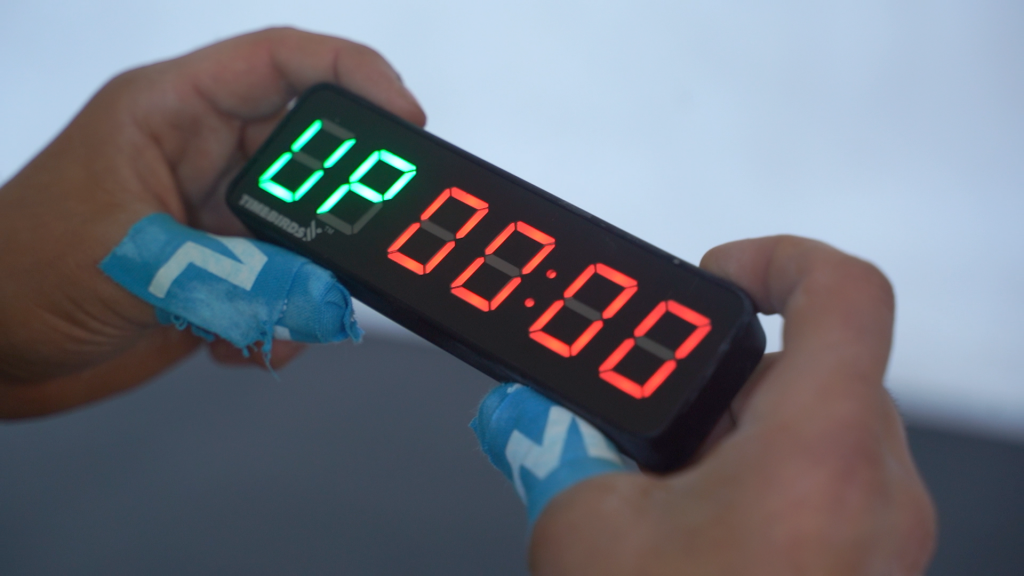
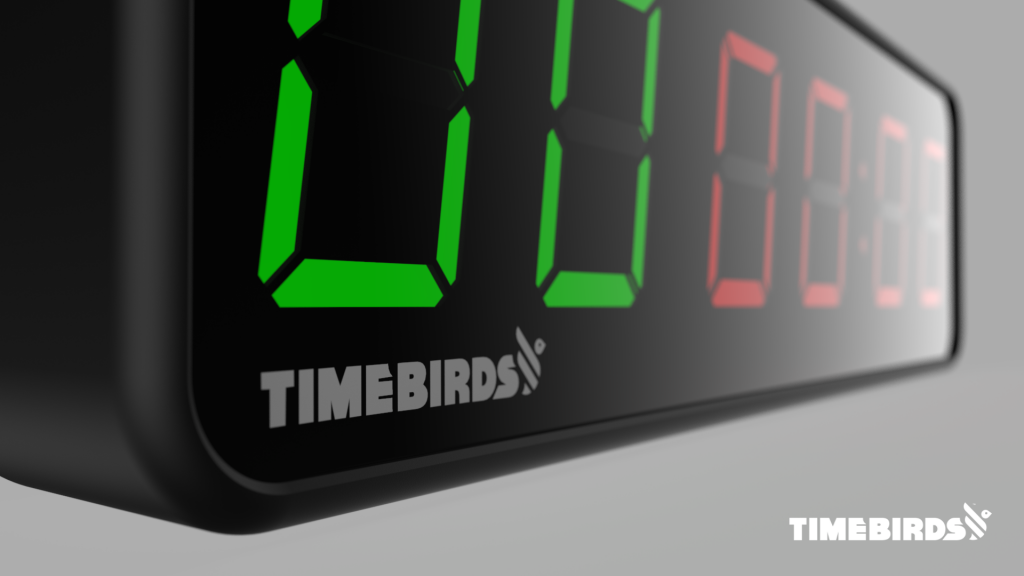
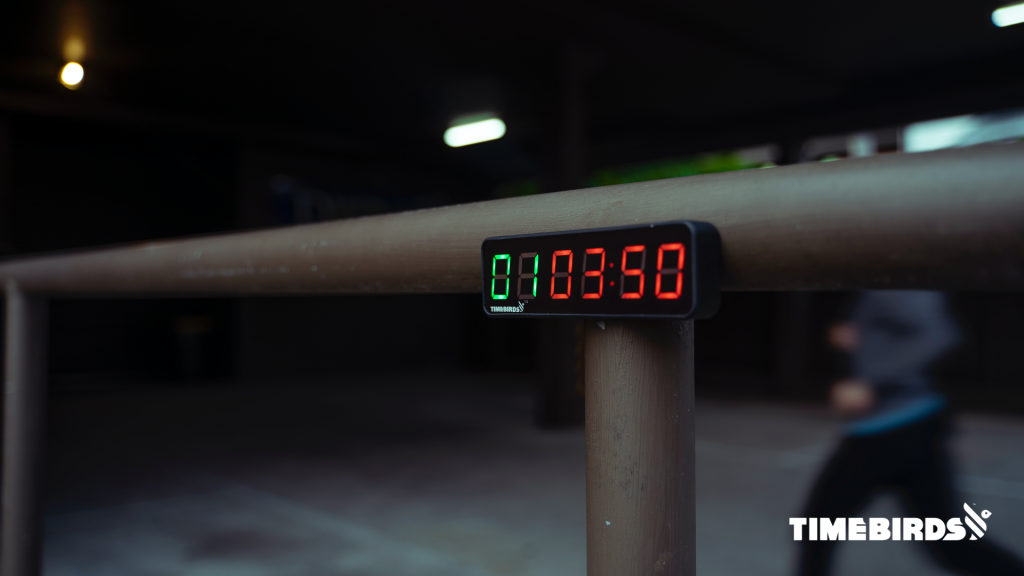
Visibility is key with the Timebirds Gym Timer and each digit is illuminated by large, seven-segment LEDs and an anti-glare lens, to ensure maximum visibility. Available in a stealthy matte black colohr, it looks the part whether magnetised to a gym rig, a basketball post or while charging in the house.  

Timebirds have also added a quartz crystal to provide the most stable, reliable and accurate clock signal. Available for the fantastic starting price of just $79, this will rapidly become an integral part of your exercise routine and ensure you keep on top of your timings and repetitions. Head on over to Kickstarter now to secure yours for a great price.

Source: thecoolector.com

вторник, 29 сентября 2020 г.

Waterline Club the amenity center inside Waterline Square

GID Development Group is celebrating the opening of the Waterline Club, the highly-anticipated amenity center inside Waterline Square, the three-building luxury residential development located along the Hudson River on Manhattan's Upper West Side. Designed by architecture firm Rockwell Group, the 100,000-square-foot Waterline Club is one of the largest and most comprehensive amenity collections ever created in New York City. Designed to meet residents' every desire and inspire new interests, the Waterline Club provides an unprecedented lifestyle program in a private, residents-only setting just moments from their homes.

With convenient, direct resident connections to One, Two and Three Waterline Square, the Waterline Club is home to an extraordinary collection of sports and fitness, swim and spa, leisure and social, creative, children's and pets' spaces. The centerpiece of the Waterline Club is Rockwell Group's dramatic three-level space that connects the club's 30 curated spaces with sculptural pedestrian bridges and a dramatic staircase that, in a nod to the development's waterfront location, was inspired by a boat's wooden hull and was crafted by Maine-based yacht builders, Hewes & Company and New York-based metal and glass fabrication firm, Jaroff Design.

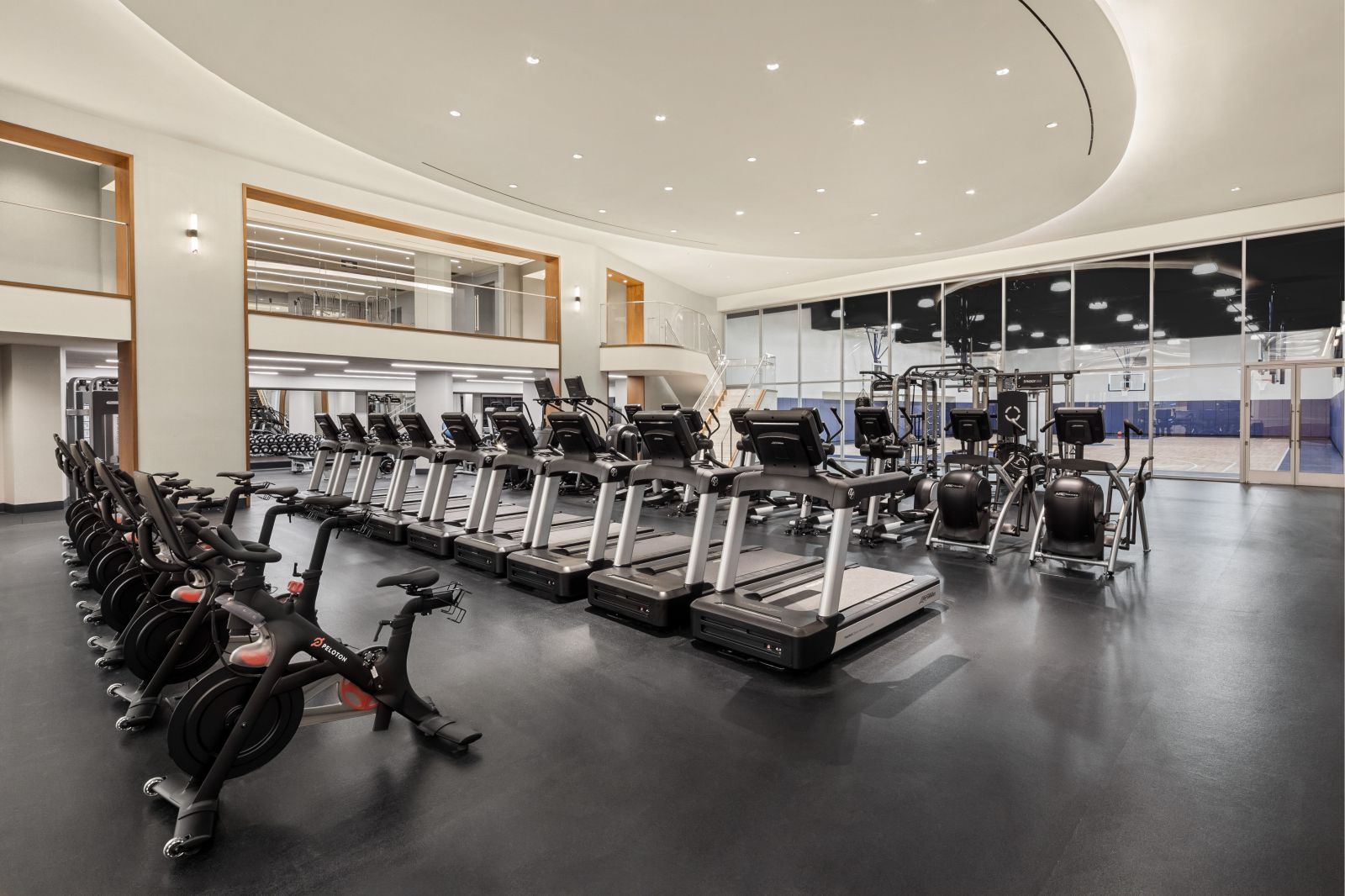
The Waterline Club has been designed to offer spaces for residents of all ages and all interests. The club's sports and fitness amenities include a regulation-size indoor tennis court and an indoor half-pipe skate park—each the first of their kind in a New York City residential development—as well as a squash court, full-court basketball court, indoor soccer field, 30-foot rock-climbing wall, bowling alley, golf simulator, state-of-the-art fitness center, and dedicated Pilates, boxing/MMA, and yoga/barre studios.

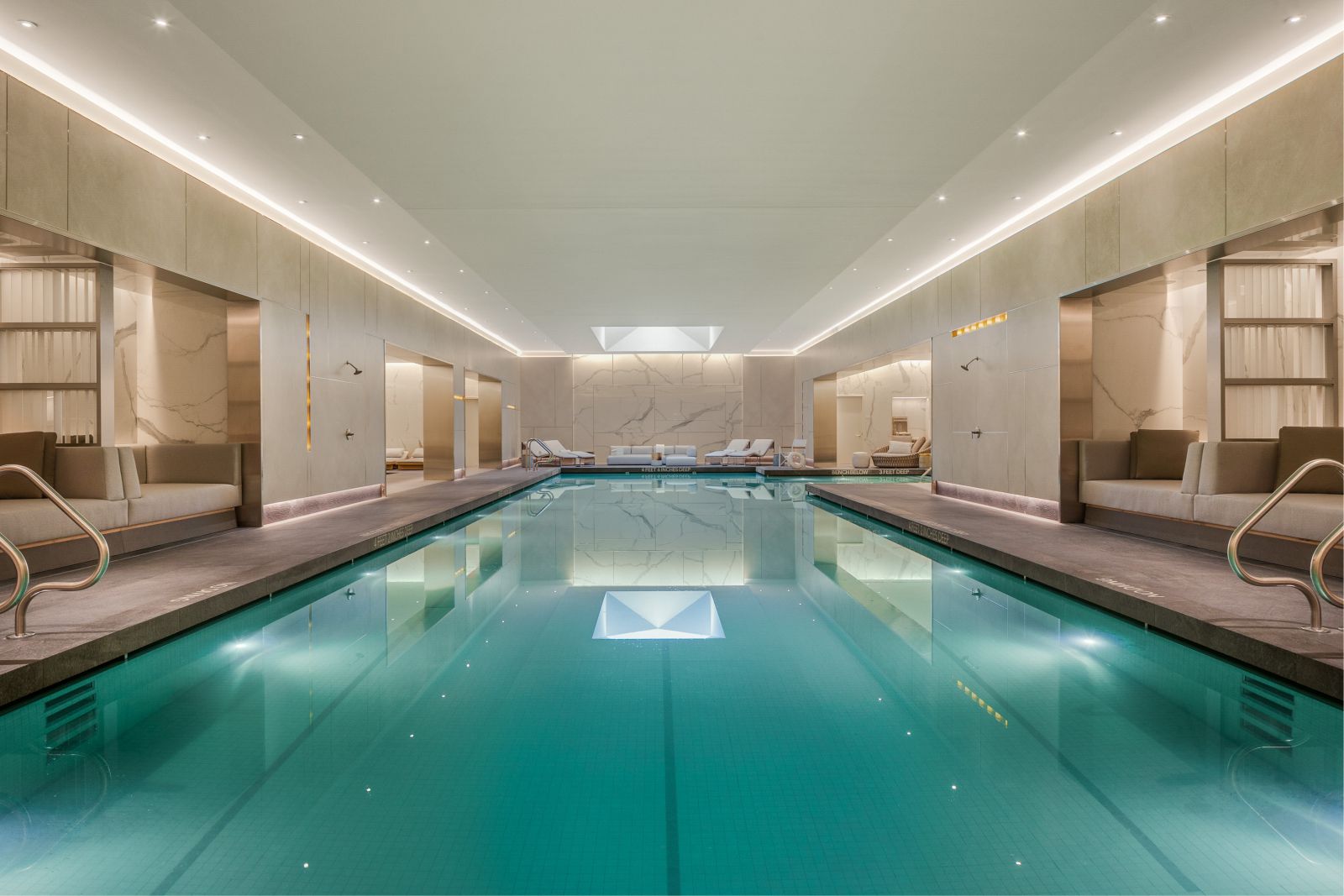
Residents will also enjoy the swim and spa areas that are complete with a 25-meter saltwater pool, children's pool area, hot tub, steam rooms, infrared saunas, locker rooms, massage treatment rooms and salon areas for manicures, pedicures and hair styling. A full suite of creative amenities gives residents access to an art studio, music and recording studio, video and photography studio, and indoor gardening studio, while spaces designed for leisure and social activities include a games lounge, cards parlor, screening room, party rooms and catering kitchen.

An indoor playroom, washing and grooming stations, and training studio are available for pets. For younger residents, GID tapped award-winning designer Roto Group—known for designing children's museums, science centers, zoos and aquariums throughout the country—to create an interactive experience in the form of an experiential 4,600-square-foot children’s playroom. The design of the playroom creates a children's Adventure Club designed specifically for Waterline Square, and takes children on a fictional and fun journey around the world to Stonehenge, on safari in Africa, to the Egyptian pyramids, surfing in Australia, to the islands of Hawaii and beyond.

The vibrant space is complete with a slide, boat and safari car, plus an attached children's party room that can be reserved for private events. The Waterline Club is just one piece of the well-rounded lifestyle that Waterline Square provides for residents. Complementing the shared amenity spaces, each residential tower features its own selection of exquisite private amenity spaces including large great rooms with fireplaces, private dining rooms, media and game rooms, billiards lounges and landscaped terraces with outdoor kitchens.

The three residential buildings also surround a new, lushly-landscaped public park. Spanning nearly three acres at the heart of the development, the Mathews Nielsen Landscape Architects-designed space features a stunning landscape with tree-lined groves, open grass areas, walking paths, a playground, fountains and other water features. The park connects Waterline Square with the surrounding neighborhood and the coveted Hudson River waterfront. Situated along the Hudson River waterfront on five acres between West 59th Street and West 61st Street, Waterline Square has been designed by a collection of world-famous architects and designers.

With architecture by Rafael Viñoly Architects, Kohn Pedersen Fox Associates and Richard Meier & Partners Architects and interiors by Champalimaud Design, Yabu Pushelberg and Groves & Co., the development completes the historic transformation of Riverside Boulevard that spanned more than two decades. Waterline Square is conveniently located moments from some of the best green spaces, restaurants, shopping and cultural institutions that New York City has to offer, including Lincoln Center for the Performing Arts, Columbus Circle, Central Park and Hudson River Park. Source by GID Development Group and photos Courtesy of M18 Public Relations.


Source: aasarchitecture.com